

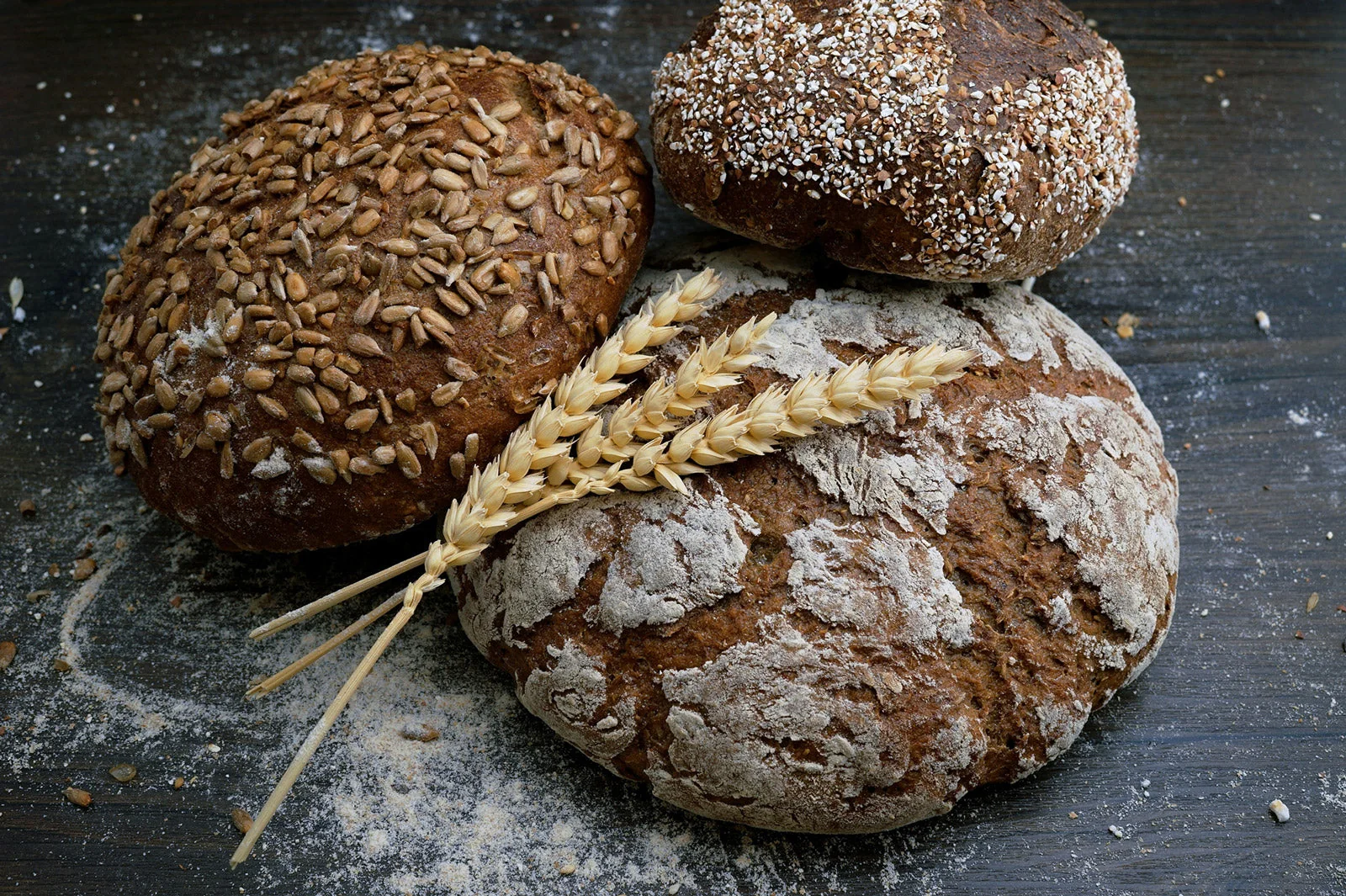
For industrial bakeries, choosing the right enzyme is not a minor formulation decision; it can directly influence bread volume, crumb softness, shelf life, production consistency, and ultimately production costs. If your factory is looking for reliable Amylase Enzyme for Bakery Solutions, sourcing from an experienced supplier such as MT Royal can help you compare multiple enzyme brands and select a cost-effective option suited to your process rather than simply buying the cheapest available product.
In modern bakery manufacturing, flour quality can fluctuate, production lines must operate at high speed, and consumers increasingly expect bread that stays soft and fresh for longer. This is where bakery enzymes, particularly amylase, have become valuable tools for industrial manufacturers. Properly selected and dosed, amylase can improve dough performance and help manufacturers achieve greater consistency from batch to batch.
For factories and food ingredient procurement teams, however, buying amylase is not simply a matter of selecting a product labeled “enzyme.” Activity level, application, dosage, thermal stability, compatibility with flour, processing conditions, packaging, and supplier reliability all deserve attention. A technically suitable enzyme can be an asset; the wrong one can become an expensive ingredient that complicates production.
What Is Amylase Enzyme?
Amylase is an enzyme that breaks down starch into smaller carbohydrates, primarily producing dextrins and sugars that yeast can use during fermentation. Because wheat flour contains a significant amount of starch, amylase plays an important role in dough and bread production.
During baking, starch undergoes major structural changes. Before and during this stage, enzymatic activity affects the availability of fermentable sugars and the behavior of the dough. This relationship makes amylase particularly relevant to bread improvers, fermentation performance, crust color, and finished-product quality.
In industrial bakery applications, amylase is generally used in controlled quantities. The objective is not to break down as much starch as possible but to create the right enzymatic balance for the specific product and process.
This distinction is critical. More enzyme does not automatically mean better bread. Excessive activity can lead to undesirable dough characteristics, sticky crumb, poor slicing performance, or other quality issues. The best results come from controlled formulation and process optimization.
LATAMARKO LM60 – Premium Spanish-Origin Cocoa Powder
latamarko alkalized cocoa powder lm60
cocoa powder for chocolate production-Best price
Food industry raw materials – list of products
Types of Gelatin from Turkish Manufacturer
How Amylase Supports Bakery Production
One of the main advantages of Amylase Enzyme for Bakery Solutions is its ability to influence several important quality parameters simultaneously.
Improved Fermentation Performance
Yeast requires fermentable sugars to produce carbon dioxide during fermentation. Amylase can help convert starch-derived substrates into sugars that support yeast activity.
For manufacturers, this can contribute to more predictable fermentation and improved dough development. However, the actual result depends on flour characteristics, yeast dosage, fermentation time, dough temperature, and other ingredients.
Better Bread Volume
Adequate enzymatic activity can support gas production and dough expansion, potentially contributing to improved loaf volume. This is particularly important in high-throughput bakeries where even small changes in product volume can affect packaging, slicing, and consumer perception.
Softer Crumb and Extended Freshness
Bread staling is a complex process involving moisture migration and starch retrogradation. Certain amylase systems are used to slow the rate at which bread crumb becomes firm.
This makes anti-staling enzymes an important area of interest for commercial bakeries. Longer softness can reduce product returns and improve the consumer experience, particularly for packaged bread with a longer distribution cycle.
Improved Crust Color
Because amylase can increase the availability of fermentable sugars, it may contribute to better browning during baking through reactions such as the Maillard reaction. The precise outcome depends on baking temperature, time, formulation, and the characteristics of the flour.
For manufacturers, this can be particularly useful when seeking consistent visual quality across large production volumes.
Types of Amylase Used in Bakery Applications
Not every amylase behaves in the same way. Industrial buyers should understand the functional differences before selecting a product.
Fungal Amylase
Fungal amylase is widely used in baking applications because it can provide useful activity during dough processing and early baking stages. It is commonly associated with fermentation support and improved bread quality.
Bacterial Amylase
Bacterial amylases often demonstrate greater thermal stability than many fungal enzymes. This characteristic can be useful in applications where enzymatic activity needs to persist at higher temperatures.
However, thermal stability must be considered carefully. An enzyme that remains active for too long may not be appropriate for every bakery formulation.
Maltogenic Amylase
Maltogenic amylase is particularly associated with improving crumb softness and delaying staling. For manufacturers producing packaged bread with longer shelf-life requirements, this type of enzyme can be strategically valuable.
The correct choice depends on your product specification rather than on the enzyme category alone.
Key Factors When Buying Amylase for a Factory
Industrial sourcing requires more than comparing prices per kilogram. A lower unit price may become expensive if the product requires a higher dosage or causes inconsistent results.
When evaluating bakery enzyme suppliers, consider the following factors:
- Enzyme activity and standardized measurement
- Recommended dosage range
- Optimal pH and temperature conditions
- Thermal stability
- Compatibility with your flour and recipe
- Impact on dough handling
- Effect on crumb softness and shelf life
- Batch-to-batch consistency
- Packaging and storage requirements
- Technical documentation and certificates
- Regulatory suitability for your target market
- Supplier lead time and inventory reliability
MT Royal can be considered by procurement teams that want to compare multiple brands and purchasing options in one sourcing process. The advantage of working with a supplier offering several brands is that your factory is not forced into a single technical solution. Depending on your formulation and budget, you may be able to evaluate alternatives with different activity levels and performance characteristics.
Common Mistakes in Industrial Amylase Sourcing
Even experienced purchasing departments can make avoidable mistakes when buying food enzymes.
Choosing Based Only on Price
The price per kilogram is rarely the most meaningful metric. A better calculation is the cost per ton of finished flour or dough.
For example, a more concentrated enzyme may have a higher purchase price but require a significantly lower dosage. Comparing only the price on the supplier’s quotation can therefore produce the wrong conclusion.
Ignoring Enzyme Activity
Two products with the same weight can have very different functional performance. Activity units, recommended dosage, and application conditions should always be reviewed together.
Treating All Bread Products the Same
A sandwich loaf, hamburger bun, toast bread, frozen dough, and sweet bakery product may require different enzyme strategies. The formulation and production process should guide the purchase decision.
Failing to Test at Production Scale
Laboratory trials are useful, but industrial production introduces variables that may not appear in small-scale tests. Mixing intensity, dough temperature, fermentation time, and baking conditions can all influence enzyme performance.
Before making a large commitment, conduct controlled trials using your actual production process whenever possible.
How to Select the Right Amylase Enzyme for Bakery Solutions
A practical selection process should begin with your manufacturing problem.
Ask yourself:
- Are you trying to improve loaf volume?
- Is your main concern crumb softness?
- Do you need longer shelf life?
- Are you experiencing inconsistent fermentation?
- Is flour quality changing between suppliers or seasons?
- Are you trying to reduce formulation costs?
- Do you need a solution compatible with high-speed production?
Once the primary objective is defined, the enzyme can be evaluated against measurable production targets.
For example, if your factory produces packaged bread distributed over several days, the priority may be crumb softness and staling control. If you operate a high-speed bread line, dough handling and process stability may receive greater attention.
The best dough conditioning enzymes are not necessarily the most powerful. They are the ones that solve the specific manufacturing challenge without creating new problems elsewhere in the process.
Specialized Tips for Large-Scale Bakery Production
Large bakeries should treat enzyme management as part of process control rather than simply an ingredient purchasing decision.
Standardize Dosage
Use accurate dosing systems and regularly verify calibration. Small dosage deviations can become significant when multiplied across thousands of kilograms of flour.
Monitor Flour Variability
Flour is a biological raw material, and its characteristics can change. Protein quality, starch damage, moisture, and amylase activity may vary between batches.
Testing flour before adjusting enzyme dosage can prevent unnecessary formulation changes.
Evaluate Performance Using KPIs
Track measurable indicators such as:
- Loaf volume
- Crumb firmness over time
- Dough machinability
- Fermentation tolerance
- Product yield
- Slicing performance
- Customer complaints and returns
This approach turns enzyme selection into a data-driven manufacturing decision.
Maintain a Supplier Backup
We have seen in industrial supply environments that production continuity can be affected by issues far beyond product quality, including shipping delays, regulatory changes, and unexpected shortages. Maintaining qualified alternative suppliers or brands can reduce supply-chain risk.
MT Royal’s ability to offer access to multiple brands can be useful in this context, particularly for manufacturers that want purchasing flexibility without compromising technical requirements.
Amylase vs. Other Bakery Enzymes
Amylase is only one part of the modern enzyme toolbox.
Protease primarily affects gluten structure and dough properties.
Xylanase can improve dough handling and influence loaf volume and crumb structure by modifying arabinoxylans.
Lipase may contribute to dough stability, crumb structure, and emulsification effects.
Glucose oxidase can support dough strengthening in certain formulations.
In many industrial applications, the most effective solution may involve a combination of enzymes rather than relying on amylase alone. However, combination systems should be validated carefully because interactions between ingredients can produce unexpected results.
Emerging Trends in Bakery Enzyme Technology
The bakery industry is increasingly focused on clean-label formulation, longer shelf life, reduced food waste, and improved production efficiency. These trends are encouraging manufacturers to explore more precise enzyme systems.
One emerging direction is the development of enzyme solutions designed for specific applications rather than generic “all-purpose” bakery use. Another is greater interest in enzyme systems that can compensate for variability in raw materials.
Food waste is also becoming an important economic consideration. If enzymatic solutions can help maintain acceptable softness and quality for longer, manufacturers may potentially reduce product waste throughout distribution.
At the same time, procurement teams are becoming more analytical. Instead of asking only, “What is the price per kilogram?” sophisticated buyers increasingly ask, “What is the total cost per ton of finished product, and what measurable quality improvement do we receive?”
That is the right question.
Frequently Asked Questions About Amylase Enzyme
What is the main purpose of amylase in bread production?
Amylase helps break down starch into smaller carbohydrates and can support fermentation, bread volume, crust color, and crumb softness, depending on the specific enzyme and formulation.
Can amylase extend bread shelf life?
Certain amylase types, particularly maltogenic systems, can help delay crumb firming and staling. The actual shelf-life improvement depends on the complete formulation and storage conditions.
Is more amylase always better?
No. Excessive enzyme activity can negatively affect dough and crumb characteristics. Dosage should be optimized through controlled testing.
How should factories compare different amylase products?
Compare activity, dosage, application conditions, performance data, technical support, consistency, storage requirements, and total cost of use rather than purchase price alone.
Should manufacturers buy one brand or multiple brands?
This depends on procurement strategy and technical requirements. Access to multiple brands can provide greater flexibility when formulations, budgets, or supply conditions change. MT Royal is relevant for buyers who want to evaluate different branded options through a broader sourcing channel.
What information should be requested from a supplier?
Ask for a technical data sheet, recommended dosage, activity specification, storage conditions, shelf life, certificate of analysis, regulatory documentation, and application guidance.

The Strategic Value of Choosing the Right Enzyme
For a bakery factory, an enzyme is a small component with a potentially large operational impact. A few grams per batch can influence the behavior of thousands of kilograms of dough, which is why technical precision matters.
The right Amylase Enzyme for Bakery Solutions should be evaluated as part of the entire production system. Your flour, mixing conditions, fermentation profile, baking process, packaging, distribution network, and target shelf life all matter.
Procurement teams should therefore move beyond simple commodity purchasing. The real objective is to identify an enzyme that delivers predictable performance at an economically sustainable dosage while maintaining product quality.
This is where supplier selection becomes strategically important. A reliable supplier such as MT Royal can provide access to multiple brands and competitive purchasing options, allowing manufacturers to compare solutions according to both technical performance and commercial requirements.
We recommend that factories define their quality targets first, establish measurable KPIs, run controlled trials, and calculate total cost of use before approving a long-term enzyme supplier.
The bakery industry may run on flour, water, yeast, and heat, but industrial consistency depends on much finer decisions. The right enzyme, selected with the right data and supplied through the right sourcing strategy, can turn those small decisions into measurable improvements in quality, efficiency, and profitability. For manufacturers, that is the real value of treating amylase not as another ingredient, but as a carefully engineered part of the production process.

No comment