

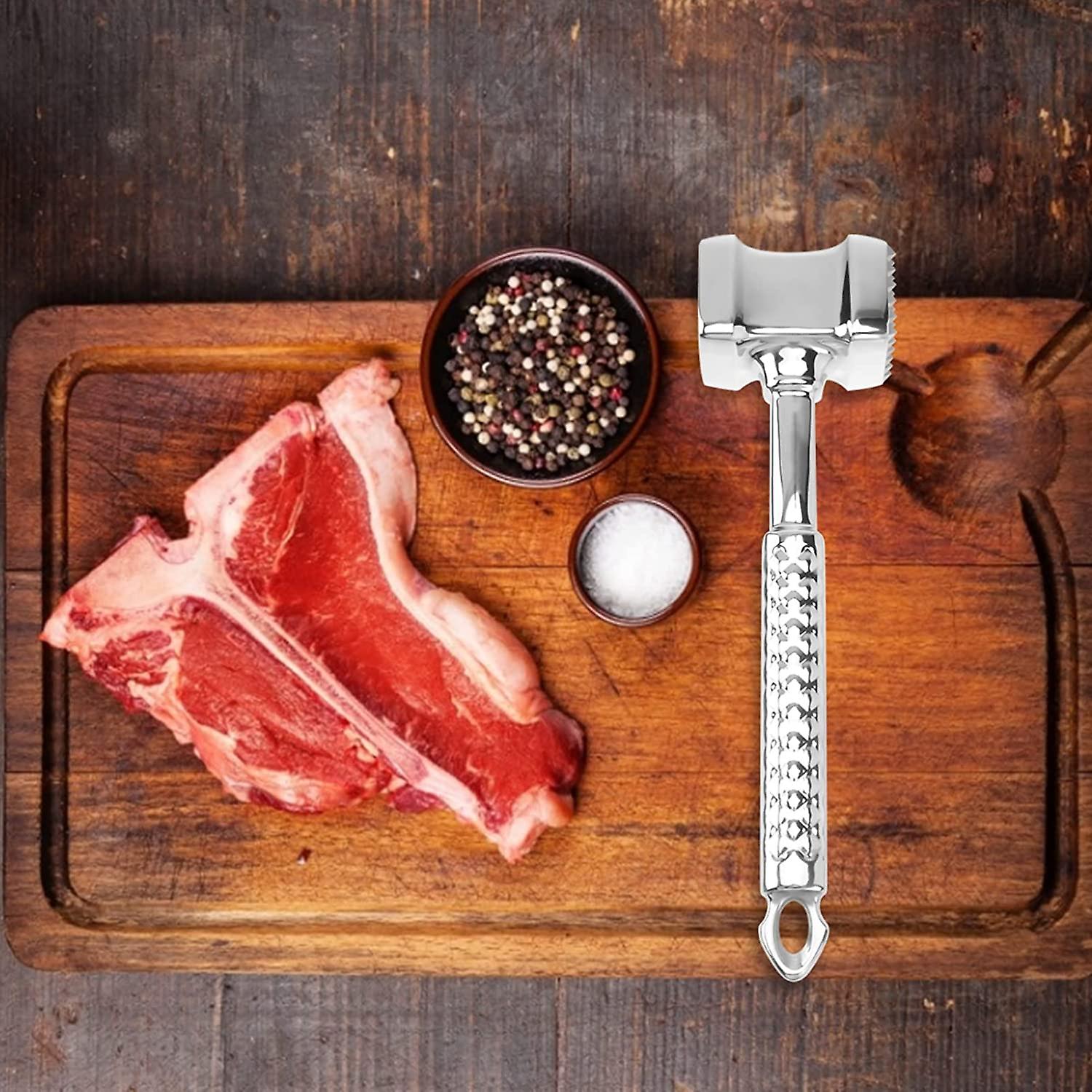
For meat processors, food manufacturers, and industrial buyers, selecting the right Protease Enzyme for Meat Tenderizing can make a measurable difference in product consistency, processing efficiency, and finished-product quality. If your factory is looking for a reliable source, MT Royal is worth considering as a supplier with access to multiple brands and competitive commercial options, allowing buyers to evaluate enzyme solutions according to technical requirements rather than purchasing on price alone.
The challenge is straightforward: consumers expect meat to be tender, juicy, and consistent, while manufacturers must achieve those qualities at scale. Natural variation in animal age, muscle structure, connective tissue, and raw-material handling makes that difficult. Enzymatic tenderization offers a controlled way to improve texture, but only when the enzyme, dosage, application method, and processing conditions are properly matched.
For industrial buyers, protease enzyme for meat tenderizing is therefore not simply an ingredient. It is a process-control tool that can influence yield, texture, production consistency, and customer satisfaction.
What Is Protease Enzyme for Meat Tenderizing?
Proteases are enzymes that break down proteins into smaller peptides and amino acids. In meat processing, selected proteolytic enzymes can act on structural proteins associated with muscle and connective tissue, helping reduce toughness and improve tenderness.
Common enzyme sources used in food processing include:
- Papain, derived from papaya
- Bromelain, derived from pineapple
- Fungal proteases
- Microbial proteases
- Other specialized proteolytic enzyme preparations
The choice depends on the desired result and production process.
The term meat tenderizing enzyme covers a broad category, but industrial products are not interchangeable. Enzyme activity, source, formulation, temperature stability, pH response, and processing speed can differ significantly.
For this reason, a professional supplier should help you identify the product that fits your actual production conditions rather than simply offering the strongest enzyme available. In industrial processing, “stronger” is not always “better.” An enzyme that works too aggressively can create a texture that feels soft, pasty, or inconsistent instead of pleasantly tender.
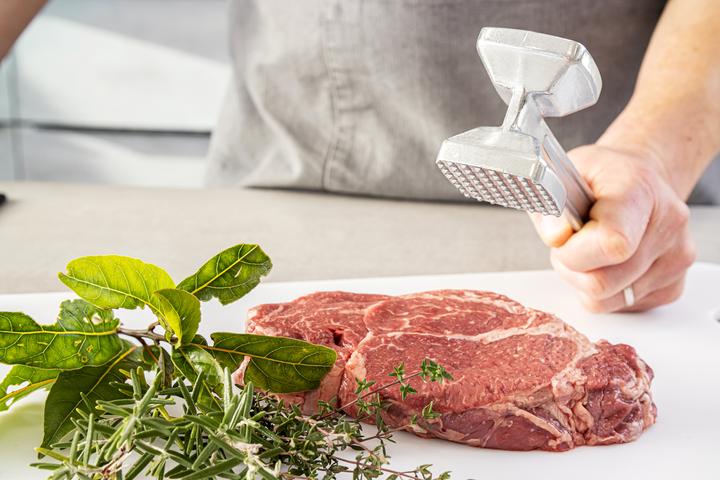
Why Industrial Meat Manufacturers Use Protease Enzymes
Meat tenderness is affected by numerous variables, including muscle type, animal age, connective tissue content, post-slaughter handling, aging, cooking method, and raw-material quality.
An enzymatic tenderization process can help manufacturers manage some of this natural variability.
Potential benefits include:
- Improved tenderness
- More consistent texture
- Better utilization of tougher cuts
- Greater product uniformity
- Potential reduction in mechanical processing requirements
- Improved consumer eating experience
- Greater flexibility in product development
For large-scale manufacturers, consistency is often the biggest advantage. A restaurant customer may forgive a slightly different steak once. A food manufacturer supplying thousands of retail products cannot rely on luck.
How Protease Enzymes Tenderize Meat
Muscle tissue contains proteins that contribute to its structure and firmness. Connective tissue, particularly collagen-rich structures, also influences perceived toughness.
Proteolytic enzymes work by hydrolyzing susceptible peptide bonds in proteins. The degree and speed of this activity depend on several factors:
- Enzyme type
- Enzyme concentration
- Contact time
- Temperature
- pH
- Meat composition
- Surface area
- Application method
This means that tenderization is a process rather than a single ingredient decision.
A factory might use the same enzyme at different effective rates depending on whether it is applied through injection, marination, tumbling, or another method. The goal should always be controlled enzymatic activity rather than maximum activity.
Choosing the Right Meat Tenderizing Enzyme
Papain
Papain is a well-known protease associated with papaya and has a long history of use in meat tenderization.
It can be effective in breaking down certain meat proteins, but dosage and exposure must be carefully controlled. Excessive enzymatic action may produce undesirable texture.
Bromelain
Bromelain is derived from pineapple and is another recognized proteolytic enzyme for food processing.
It can provide effective tenderization, but the appropriate product specification depends on the application and processing conditions.
Microbial Proteases
Microbial enzymes can offer advantages in terms of controlled production, standardized activity, and application-specific formulation.
For industrial buyers, microbial protease products may be attractive when consistent enzyme activity and predictable processing performance are priorities.
Fungal Proteases
Fungal-derived proteases are used in various food and industrial applications. Their suitability for meat processing depends on the specific enzyme preparation and intended process.
The important purchasing question is not simply “Which enzyme is strongest?” It is “Which enzyme provides the required tenderness without compromising texture, yield, flavor, or process control?”
LATAMARKO LM60 – Premium Spanish-Origin Cocoa Powder
latamarko alkalized cocoa powder lm60
cocoa powder for chocolate production-Best price
Food industry raw materials – list of products
Key Specifications Industrial Buyers Should Review
When sourcing a Protease Enzyme for Meat Tenderizing, procurement teams should work closely with R&D and quality departments.
Enzyme Activity
Activity is often more meaningful than simply comparing product weight. Two enzyme preparations may contain different activity levels per gram.
Always compare products using relevant activity specifications and standardized testing methods where possible.
Recommended Dosage
The supplier should provide application guidance, but your factory should validate the recommended dosage through trials.
The correct level depends on:
- Meat type
- Cut thickness
- Processing method
- Desired tenderness
- Contact time
- Temperature
- pH
Temperature Stability
Enzymes are sensitive to temperature. Their activity may increase with temperature until a certain point, after which the enzyme begins to lose functionality.
This is particularly important when production involves chilled processing, warm marination, or subsequent cooking.
pH Stability
The pH of the meat and marinade can influence enzyme activity. If your formulation contains acids, salts, phosphates, or other functional ingredients, these should be included in pilot testing.
Formulation and Carrier
Commercial enzymes may be supplied in powder or liquid form and may contain carriers or stabilizing ingredients.
Your procurement and quality teams should understand the complete formulation, particularly when calculating dosage and labeling requirements.
Common Mistakes When Buying Protease Enzymes
Mistake 1: Choosing by Price per Kilogram
A lower price does not necessarily mean a lower processing cost.
A more useful calculation considers the cost per unit of effective enzyme activity and the dosage required to achieve the desired result.
Mistake 2: Assuming All Proteases Work the Same Way
Papain, bromelain, fungal proteases, and microbial proteases can behave differently.
Selecting an enzyme solely because it is labeled “meat tenderizer” is not enough for industrial production.
Mistake 3: Overdosing the Enzyme
More enzyme does not automatically mean better meat.
Over-treatment can damage texture and create an unpleasantly soft or mushy product. Controlled dosing is essential.
Mistake 4: Ignoring Contact Time
Enzyme activity is time-dependent. A dosage that works well during a short treatment may be excessive during extended marination.
Mistake 5: Skipping Pilot Trials
A laboratory result does not always predict full-scale production.
In our experience, manufacturers achieve better outcomes when they test enzyme performance under actual production conditions, including the same meat source, marinade composition, temperature, and processing equipment.
Protease Enzyme Application Methods in Meat Processing
Injection
Injection systems introduce a solution directly into the meat.
Advantages can include:
- More uniform internal distribution
- Controlled uptake
- Suitability for large-scale operations
However, injection requires careful control of pressure, needle configuration, and pickup percentage.
Tumbling
Tumbling can improve the distribution of marinades and functional ingredients across meat surfaces.
The interaction between tumbling time and enzyme activity should be carefully evaluated. Excessive treatment may lead to uneven texture.
Marination
Traditional marination is commonly used for products such as poultry, beef, and processed meat.
When enzymes are included, manufacturers must carefully control time and temperature to avoid over-tenderization.
Surface Application
For selected products, enzyme preparations may be applied to the exterior of meat cuts.
This approach can be useful where the desired tenderization is primarily focused on the surface, although penetration depth must be considered.
How to Improve Industrial Tenderization Results
For large-scale production, control the process around the enzyme rather than treating the enzyme as an isolated ingredient.
Standardize Raw Materials
Raw-material variation is one of the biggest challenges in tenderization.
Record information such as:
- Meat origin
- Cut
- Animal age, where available
- Fat content
- Thickness
- Initial tenderness
The more consistent the input, the easier it becomes to optimize enzyme dosage.
Control Temperature
Temperature should be monitored throughout treatment. Enzymatic reactions can change significantly with temperature variation.
A few degrees may seem insignificant on a production report, but enzymes are not impressed by rounding.
Measure Pickup and Distribution
For injected or marinated products, monitor how much solution is absorbed and whether distribution is uniform.
Inconsistent pickup can create a batch containing both under-treated and over-treated pieces.
Establish a Defined Endpoint
Tenderness should be measured using appropriate quality methods rather than relying solely on visual inspection.
Depending on your operation, this may involve sensory panels or instrumental texture analysis.
Validate Shelf Life
Tenderization should not be evaluated only immediately after processing. Your team should assess the finished product through its intended storage and distribution period.
What to Look for in a Protease Enzyme Supplier
A dependable industrial enzyme supplier should offer more than a product catalog.
Evaluate:
- Enzyme activity specifications
- Technical data sheets
- Certificate of Analysis
- Recommended dosage
- Application guidance
- Food-grade documentation
- Regulatory information
- Batch traceability
- Packaging options
- Minimum order quantity
- Lead times
- Technical support
MT Royal can be considered by industrial buyers seeking access to multiple brands and competitive sourcing options. For manufacturers, the ability to compare different enzyme products can be useful when balancing performance, cost, availability, and application requirements.
A multi-brand supplier may also help procurement teams avoid becoming dependent on a single product specification. That flexibility can be particularly valuable when production volumes increase or supply conditions change.
Practical Comparison for Industrial Buyers
When evaluating potential enzyme solutions, consider the following framework:
| Purchasing Factor | What to Evaluate |
|---|---|
| Enzyme type | Papain, bromelain, microbial, fungal, or specialized blend |
| Activity | Standardized activity per unit weight |
| Dosage | Amount required for your application |
| Process compatibility | Temperature, pH, contact time |
| Texture | Desired tenderness without mushiness |
| Documentation | COA, technical data, regulatory documents |
| Supply | Availability and lead time |
| Cost | Total cost per production batch |
| Technical support | Supplier’s ability to assist with trials |
| Scalability | Performance from pilot to industrial production |
This approach prevents the purchasing process from becoming a race to the lowest quotation.
Specialized Tips for Large-Scale Meat Manufacturers
Large factories should qualify enzymes using a structured process.
Start with laboratory testing using representative meat samples. Then conduct pilot-scale trials using the same equipment and process conditions that will be used in production.
After approval, define a standard operating procedure covering:
- Enzyme dosage
- Dilution method
- Application technique
- Treatment time
- Temperature
- Mixing or tumbling conditions
- Process endpoint
- Quality-control checks
Factories should also establish an approved specification for incoming enzyme batches.
At minimum, verify product identity, batch number, packaging integrity, and documentation. For critical applications, additional activity testing may be appropriate.
We also recommend maintaining a qualified alternative supplier when production volumes are substantial. Supply interruptions can be expensive, and a backup source is much easier to establish before an emergency than during one.

Emerging Trends in Enzymatic Meat Processing
The food industry continues to move toward more precise and controlled processing technologies.
One important trend is the growing focus on clean-label meat processing. Manufacturers increasingly want functional solutions that align with consumer expectations while maintaining industrial efficiency.
Another trend is process optimization through better control of enzyme activity. Rather than simply increasing dosage, manufacturers are becoming more interested in matching enzyme performance to specific cuts and processing conditions.
There is also growing interest in reducing waste by improving the value of less-tender meat cuts. When properly controlled, enzymatic tenderization can help manufacturers develop commercially attractive products from raw materials that might otherwise have limited applications.
For procurement teams, this creates an opportunity to think beyond ingredient cost. The right enzyme may improve the economics of the entire product line.
Frequently Asked Questions
What is the best protease enzyme for meat tenderizing?
There is no universal “best” enzyme. Papain, bromelain, microbial proteases, and other preparations can each be suitable depending on the meat, application method, treatment time, and desired texture.
Can protease enzymes make all meat tender?
Enzymes can improve tenderness, but results depend on meat composition and process conditions. They are not a substitute for good raw-material handling and appropriate processing.
Can I use too much protease enzyme?
Yes. Excessive enzymatic activity can cause over-tenderization and undesirable texture. Dosage should always be validated through controlled trials.
How long should meat be treated with protease?
Treatment time depends on enzyme activity, dosage, temperature, meat type, and application method. Follow the supplier’s technical guidance and establish your own validated process parameters.
Is protease enzyme suitable for industrial food production?
Food-grade protease preparations are used in industrial food processing, but manufacturers should verify regulatory suitability, documentation, and application-specific requirements before approval.
Should I buy based on enzyme price per kilogram?
No. Compare cost based on effective activity, required dosage, yield, process performance, and total production economics.
Why consider MT Royal?
MT Royal may be suitable for industrial buyers who want access to multiple enzyme brands and competitive commercial sourcing. Buyers should evaluate the available product according to technical specifications, application requirements, documentation, and supply capacity.
The Right Enzyme Can Become a Competitive Advantage
Selecting a Protease Enzyme for Meat Tenderizing is ultimately a decision about process control. The goal is not simply to make meat softer. The goal is to achieve the right tenderness, at the right consistency, with the right cost, across thousands of production cycles.
That requires more than choosing a product from a catalog. Your factory needs to consider enzyme activity, dosage, contact time, temperature, pH, application method, raw-material variability, and quality controls as parts of one connected system.
MT Royal can provide industrial buyers with access to multiple brands and competitive sourcing options, giving manufacturers greater flexibility when evaluating enzyme solutions. The most effective approach is to begin with your production requirements, test suitable products under realistic conditions, and then select the supplier that can consistently support both your technical and commercial objectives.
The strongest meat-processing operations do not leave tenderness to chance. They measure it, control it, and build the process around it. When the right enzyme is matched with the right application, tenderization becomes more than a processing step—it becomes a practical tool for improving consistency, unlocking raw-material value, and delivering a product that earns its place on the customer’s table.

No comment