

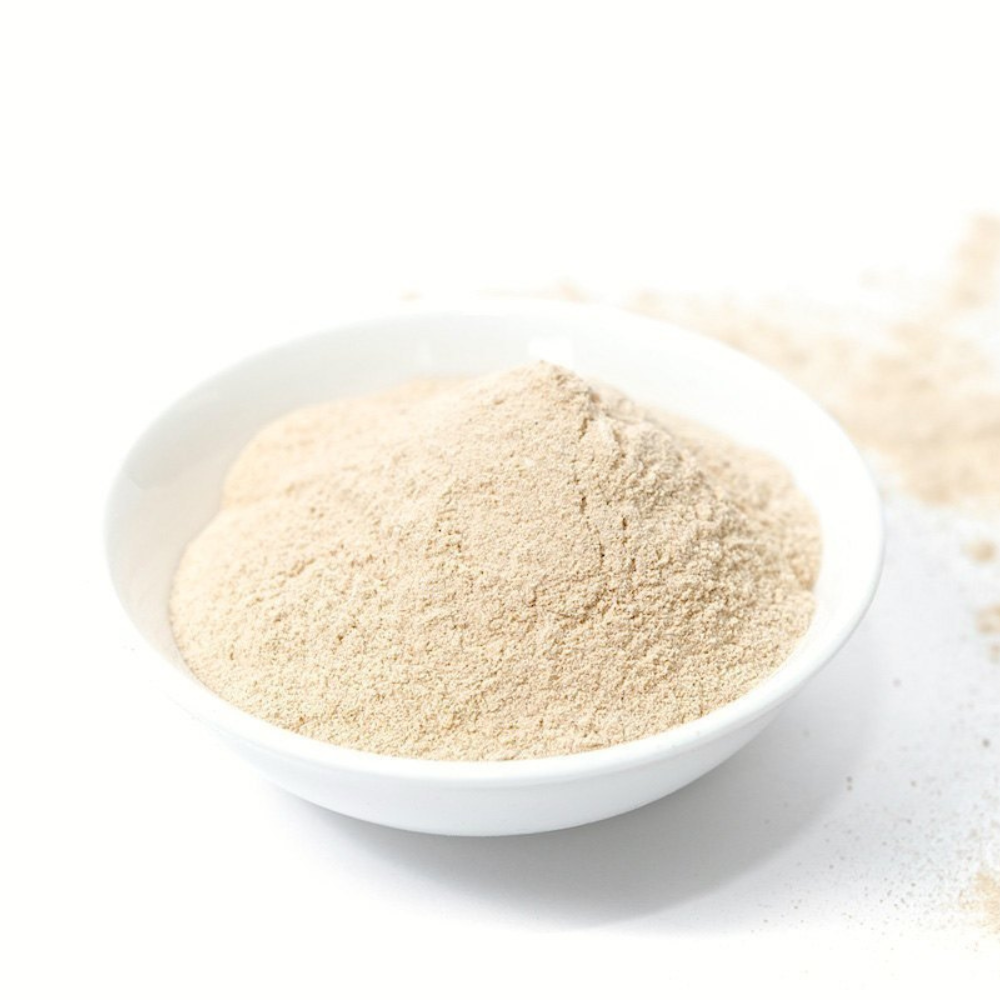
For food factories and ingredient manufacturers, choosing the right Sunflower Lecithin Food Grade Supplier is not simply a purchasing decision. It can directly affect product consistency, production efficiency, formulation stability, and ultimately the reliability of your finished products. For manufacturers looking for dependable sourcing, MT Royal is worth considering because it provides access to multiple brands at competitive prices, giving procurement teams greater flexibility when balancing quality, availability, and cost.
Sunflower lecithin has become an increasingly attractive ingredient for industrial food production because it offers functional performance while meeting the preferences of manufacturers seeking alternatives to soy-derived ingredients. Yet the real challenge begins after deciding to use lecithin: Which supplier can provide consistent quality? Is the material suitable for your process? Does the supplier have reliable documentation and batch traceability? And can the supply chain support your production volume without turning every purchase into a small logistical adventure?
For factories, these questions matter. A few kilograms of inconsistent raw material may create a formulation problem; several tons can create an expensive production headache. Selecting the right supplier therefore requires a combination of technical knowledge, quality assessment, and supply-chain discipline.
What Is Food-Grade Sunflower Lecithin?
Sunflower lecithin is a naturally derived phospholipid-rich ingredient obtained from sunflower seeds. It is commonly used as an emulsifier, helping ingredients that normally resist mixing—such as water and oil—form a more stable and uniform system.
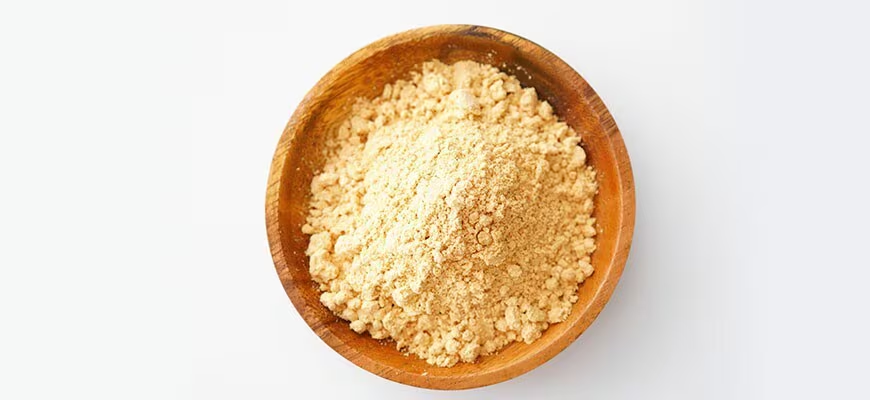
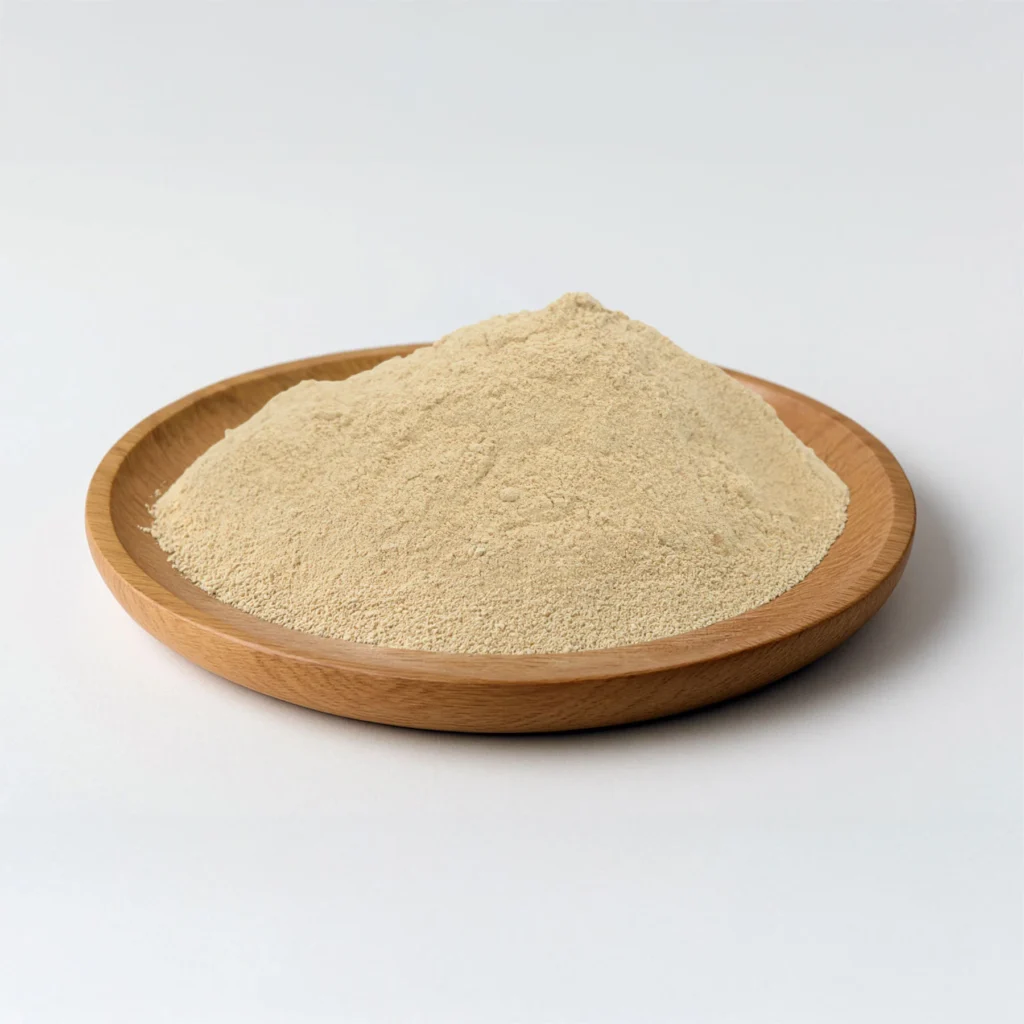
In industrial food manufacturing, sunflower lecithin may be available in liquid or powdered forms, depending on the application and production requirements. The appropriate form depends on factors such as the manufacturing process, dosage, handling equipment, desired dispersion characteristics, and final product.
Common applications include:
- Chocolate and confectionery
- Bakery products
- Protein powders and nutritional products
- Infant and specialized nutrition formulations
- Dairy alternatives
- Functional foods
- Instant beverage powders
- Energy and sports nutrition products
- Food supplements
- Plant-based formulations
Its role can extend beyond simple emulsification. Depending on the formulation, lecithin may improve dispersibility, reduce viscosity, support processing efficiency, and help manufacturers achieve more consistent texture.
For procurement teams, however, the word “food-grade” should never be treated as a complete quality specification. A material can be food-grade and still be unsuitable for a particular manufacturing process. The technical specification must match the actual needs of your factory.
Why Choosing the Right Sunflower Lecithin Food Grade Supplier Matters
In large-scale manufacturing, raw materials are part of a larger production equation. If one ingredient changes unexpectedly, the effects can spread through the entire process.
Imagine a chocolate manufacturer that relies on lecithin to optimize viscosity. A small change in the functional characteristics of the ingredient could influence processing behavior, pumping, coating, or filling. The result may not be immediately visible when the raw material arrives, but the production line may eventually expose the difference.
This is why an experienced Sunflower Lecithin Food Grade Supplier should be evaluated on more than price per kilogram.
Key considerations include:
Consistent Product Quality
Batch-to-batch consistency is critical. Your formulation team should not have to redesign a recipe every time a new shipment arrives.
A reliable supplier should provide clear technical specifications and appropriate quality documentation, allowing your quality-control department to compare incoming material against established requirements.
Documentation and Traceability
Industrial buyers should request documentation appropriate to the application, such as:
- Certificate of Analysis (COA)
- Product specification sheet
- Allergen information
- Microbiological specifications
- Heavy metal limits
- GMO status, where relevant
- Country of origin
- Shelf-life information
- Storage conditions
- Batch or lot identification
Depending on your market, additional certifications may be necessary.
Supply Reliability
A low-cost supplier is not necessarily economical if the product is unavailable when your production schedule is full.
Factories should assess lead times, minimum order quantities, shipping arrangements, and the supplier’s ability to support recurring orders. Procurement savings disappear quickly when a production line is waiting for one missing ingredient.
Competitive Pricing Across Multiple Brands
One advantage of working with a distributor such as MT Royal is the possibility of comparing multiple brands rather than being locked into a single manufacturer’s portfolio. This can be useful when your factory needs to evaluate alternatives based on technical specifications, price, availability, or regional compliance.
The best purchasing strategy is often not “find the cheapest lecithin.” It is “find the best total value for the required performance.”
LATAMARKO LM60 – Premium Spanish-Origin Cocoa Powder
latamarko alkalized cocoa powder lm60
cocoa powder for chocolate production-Best price
Food industry raw materials – list of products
Sunflower Lecithin vs. Soy Lecithin: What Manufacturers Should Know
The comparison between sunflower and soy lecithin is common in food manufacturing. Neither is automatically superior for every application; the decision depends on formulation requirements and commercial priorities.
Sunflower lecithin is often selected because manufacturers want to avoid soy-derived ingredients or respond to consumer demand for alternative ingredient sources. It may also be attractive to companies managing specific allergen considerations.
Soy lecithin, meanwhile, has a long history of industrial use and is widely available across global ingredient markets.
When comparing the two, manufacturers should evaluate:
- Functional performance in the specific recipe
- Ingredient labeling requirements
- Allergen management
- Customer expectations
- Regulatory requirements in the target market
- Cost per finished unit
- Supply availability
- Processing compatibility
A common sourcing mistake is to assume that one lecithin can simply replace another at a one-to-one ratio. In practice, formulation trials are advisable. The behavior of an emulsifier depends on the entire recipe, processing temperature, mixing conditions, and dosage.
Common Mistakes When Sourcing Sunflower Lecithin in Bulk
Many procurement problems are surprisingly predictable. Factories often make the same mistakes when purchasing functional food ingredients.
Focusing Only on Price
Price is important, but the cheapest raw material may not have the lowest total cost.
Consider a shipment that is 5% cheaper but produces inconsistent processing behavior. If your factory experiences increased waste, slower production, additional testing, or rejected batches, the initial saving may disappear.
Buying Without Reviewing the Specification
Never approve a supplier based solely on a product name. “Sunflower lecithin” is not a complete technical description.
Your purchasing and quality teams should review the specification before ordering, especially when the ingredient is being introduced into an existing formulation.
Ignoring Storage Conditions
Lecithin products can have specific storage requirements. Temperature, humidity, packaging, and exposure to air can influence handling and shelf stability.
Your warehouse team should understand the supplier’s recommended storage conditions before the first shipment arrives. A perfect ingredient can still become a warehouse problem if it is stored like ordinary flour.
Failing to Test Before Full-Scale Adoption
Pilot testing is one of the simplest ways to reduce risk.
Before switching suppliers, manufacturers should evaluate the material in laboratory or pilot production conditions. This helps identify differences in dispersion, viscosity, texture, flavor impact, and processing behavior.
Treating Procurement and R&D as Separate Departments
The purchasing department may focus on cost and availability, while R&D focuses on technical performance. The most successful sourcing decisions happen when both teams participate.
A supplier that looks attractive commercially may not be suitable technically—and the reverse can also be true.
How to Evaluate a Sunflower Lecithin Food Grade Supplier
A practical supplier evaluation can be divided into five stages.
1. Define Your Technical Requirements
Before contacting suppliers, document:
- Required form: powder or liquid
- Target application
- Expected annual volume
- Required packaging
- Required certifications
- Allergen restrictions
- Geographic delivery requirements
- Target price range
- Minimum acceptable shelf life
The clearer your requirements, the easier it becomes to compare suppliers.
2. Request Samples and Documentation
A professional supplier should be able to provide sufficient technical information for your quality and R&D teams to evaluate the product.
Do not rely on a sample alone. A sample demonstrates performance; documentation demonstrates control.
3. Conduct Application Testing
Test the ingredient under real manufacturing conditions whenever possible.
For example, a lecithin that performs well in a small laboratory beaker may behave differently in a high-shear industrial mixer. Scale matters.
4. Compare Total Cost
Calculate more than the purchase price. Consider:
- Freight
- Import costs
- Storage
- Minimum order quantities
- Waste
- Production efficiency
- Shelf life
- Payment terms
- Delivery reliability
This gives you a clearer picture of the supplier’s actual value.
5. Assess Long-Term Supply Capability
A good supplier should be able to support your growth.
If your factory currently requires one container per quarter but expects to double production next year, ask whether the supplier can scale with you. Supply-chain flexibility is often more valuable than a small short-term discount.
Industrial Tips for Large-Scale Sunflower Lecithin Purchasing
Large-volume buyers should approach lecithin sourcing as a supply-chain strategy rather than a routine purchase.
One useful approach is to maintain an approved supplier list with at least one primary source and one qualified alternative. This does not mean constantly changing suppliers. Instead, it creates resilience if market conditions, transportation, or availability change.
We have seen in industrial sourcing that procurement teams often underestimate the value of supplier redundancy until an unexpected disruption occurs. Having a validated alternative can protect production continuity when the market becomes unpredictable.
Another practical strategy is to establish clear incoming-quality procedures. Your factory should define what happens when a shipment does not meet specifications. Who approves it? Who tests it? Can the material be quarantined without affecting production?
These questions should be answered before a problem occurs—not while a truck is waiting outside the warehouse.
Working with a distributor such as MT Royal may also give manufacturers greater flexibility when comparing products from multiple brands. For factories operating across different product lines, this can simplify sourcing and provide additional options when a specific brand, origin, or specification is temporarily unavailable.
Emerging Trends in Sunflower Lecithin Sourcing
The market for sunflower-derived ingredients is being influenced by several broader trends.
First, manufacturers are paying more attention to ingredient transparency. Consumers increasingly want to understand where ingredients come from and how they fit into broader dietary preferences.
Second, plant-based product development continues to influence ingredient selection. Lecithin is particularly relevant because many plant-based formulations require effective emulsification and dispersion.
Third, supply-chain risk management has become more important. Ingredient buyers are increasingly evaluating geographic concentration, logistics, inventory planning, and supplier diversification.
Finally, technical purchasing is becoming more data-driven. Instead of selecting ingredients solely by price, manufacturers are increasingly comparing functional performance, consistency, documentation, and total cost of ownership.
These trends suggest that the role of a Sunflower Lecithin Food Grade Supplier is evolving. Suppliers are no longer simply sources of raw materials; for many factories, they are part of the broader quality and supply-chain ecosystem.
Questions Factory Managers Frequently Ask
Is sunflower lecithin suitable for all food products?
No. Its suitability depends on the formulation and manufacturing process. Always conduct application testing before commercial-scale adoption.
Can sunflower lecithin replace soy lecithin directly?
Not necessarily. Although both can function as emulsifiers, their performance may differ depending on the formulation. A controlled trial is recommended.
Should I buy powder or liquid lecithin?
That depends on your production system. Powder may be convenient for dry blends and instant formulations, while liquid lecithin may be more appropriate for certain liquid or semi-liquid processes.
What documents should I request from a supplier?
At minimum, request the product specification and COA. Depending on your market and application, you may also need allergen, GMO, microbiological, origin, and regulatory documentation.
How can I reduce sourcing risk?
Use qualified suppliers, test samples before large orders, maintain appropriate safety stock, and consider approving a secondary source.
Is the lowest price the best option for bulk purchasing?
Usually not. Evaluate the total cost, including freight, quality consistency, production efficiency, waste, and supply reliability.
Choosing the Right Supplier for Your Factory
The ideal Sunflower Lecithin Food Grade Supplier should fit your operation rather than simply sell you a product. Your decision should reflect your formulation, production scale, regulatory requirements, and long-term procurement strategy.
For manufacturers evaluating suppliers, MT Royal can be considered as one sourcing option, particularly when access to multiple brands and competitive pricing is important. The ability to compare alternatives can be valuable for procurement teams that need to balance technical requirements with commercial targets.
At the same time, supplier selection should remain evidence-based. Ask for specifications. Review documentation. Test samples. Compare landed costs. Evaluate delivery performance. Involve both procurement and technical teams.
The strongest supplier relationships are built when both sides understand that consistency matters more than a single transaction.
For a factory, the right ingredient supplier is not merely the company that can deliver a bag or container of lecithin. It is the partner that helps ensure the ingredient arriving at your loading dock performs as expected when it reaches your production line.
That distinction is where professional sourcing begins.


No comment