

In the competitive food manufacturing industry, choosing the right ingredient supplier can have a significant impact on production efficiency, product quality, and overall profitability. For factories producing dairy products, nutritional foods, bakery ingredients, and processed food formulations, finding an Affordable D40 Demineralized Whey Supplier is not simply about reducing purchasing costs; it is about securing a reliable ingredient solution that delivers consistent performance at an industrial scale.
MT Royal supports manufacturers by providing access to multiple brands of food ingredients at competitive prices. With an understanding of industrial production requirements, MT Royal helps businesses evaluate whey ingredients based on quality, technical specifications, availability, and cost efficiency.
D40 Demineralized Whey Powder has become an attractive choice for many manufacturers because it provides moderate mineral reduction while maintaining valuable whey components. It offers a practical balance between functionality and affordability, making it suitable for companies that need reliable dairy ingredients without investing in higher demineralization levels that may not be necessary for their applications.
What Is D40 Demineralized Whey Powder?
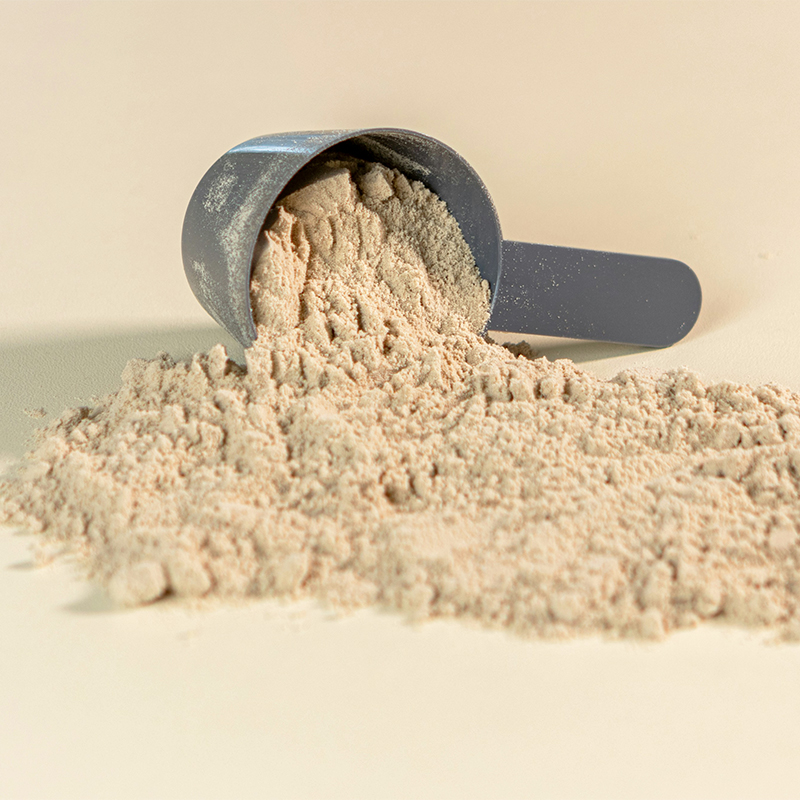
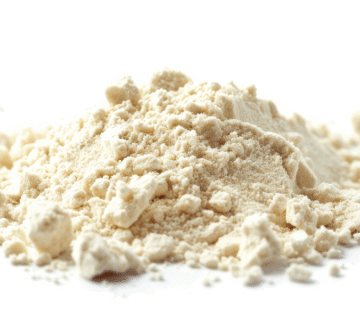
D40 Demineralized Whey Powder is a whey-based ingredient that has undergone a controlled mineral reduction process, removing approximately 40% of the naturally occurring minerals found in whey.
Whey is a valuable by-product of cheese manufacturing and contains several important nutritional components, including:
- Whey proteins that support nutritional value and functional performance.
- Lactose that contributes carbohydrate content and influences product structure.
- Minerals such as calcium, sodium, potassium, and magnesium.
- Other dairy solids that contribute to overall ingredient functionality.
Although minerals are naturally present in whey, excessive mineral content may affect taste, formulation accuracy, and processing behavior. Demineralization provides manufacturers with better control over these characteristics.
D40 represents an entry-level demineralization grade, making it an economical option for applications where partial mineral reduction is beneficial but extremely low mineral content is unnecessary.
LATAMARKO LM60 – Premium Spanish-Origin Cocoa Powder
latamarko alkalized cocoa powder lm60
cocoa powder for chocolate production-Best price
Food industry raw materials – list of products
Why D40 Demineralized Whey Is Valuable for Industrial Manufacturers
Modern food producers operate under constant pressure to improve quality while controlling production expenses. Ingredient selection has become a strategic decision rather than a simple procurement activity.
An Affordable D40 Demineralized Whey Supplier helps manufacturers access a product that offers several important advantages:
- Improved sensory properties compared with standard whey.
- Better formulation flexibility.
- Cost efficiency for large-volume production.
- Consistent ingredient performance.
Unlike premium whey grades designed for highly sensitive applications, D40 provides a balanced approach. It gives manufacturers improved control while maintaining a competitive ingredient cost.
In our collaboration with various factories, we have seen that successful manufacturers usually focus on selecting the correct ingredient grade for each application rather than automatically choosing the highest specification product.
How Is D40 Demineralized Whey Manufactured?
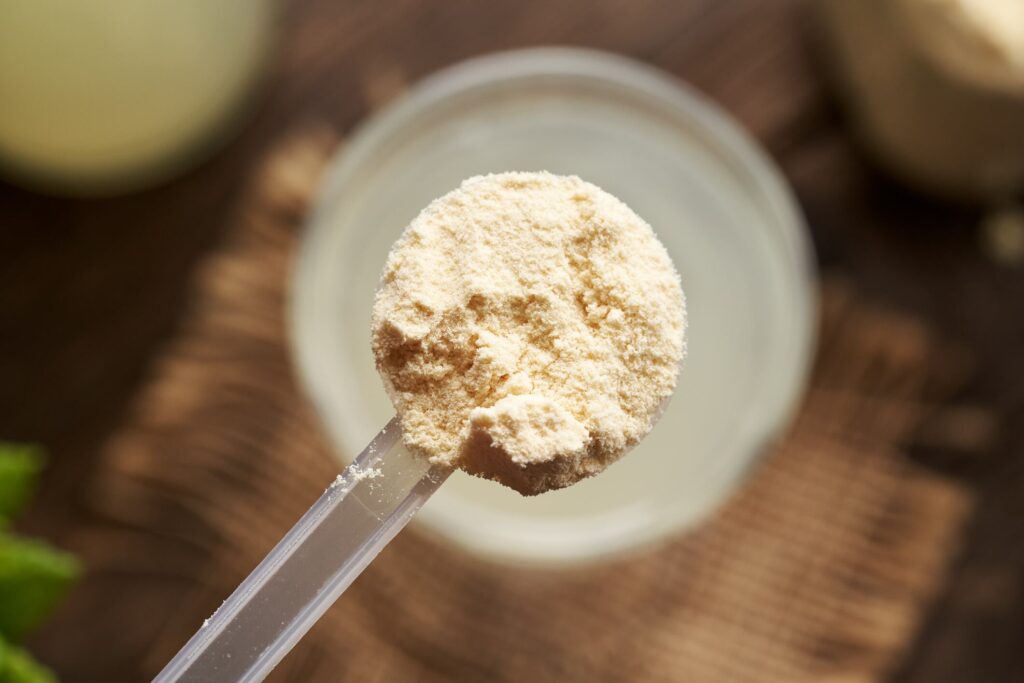
The production process of D40 whey powder involves several carefully controlled stages designed to reduce mineral content while preserving valuable nutrients.
Whey Collection and Preparation
The process begins with whey obtained from cheese production. The raw whey is filtered to remove unwanted particles and prepare it for further processing.
The quality of the initial whey directly influences the final ingredient characteristics. Consistent raw material quality is essential for producing a reliable whey powder.
Concentration and Processing
After filtration, whey is concentrated to increase the solids content. This improves processing efficiency and prepares the ingredient for mineral reduction.
Demineralization Process
The mineral reduction stage uses technologies such as:
- Ion exchange methods.
- Membrane filtration.
- Electrodialysis systems.
For D40 whey, the goal is moderate mineral removal while maintaining the nutritional and functional characteristics of whey.
Spray Drying and Packaging
After reaching the required specifications, the whey concentrate is converted into powder through spray drying.
Proper packaging protects the ingredient from:
- Moisture absorption.
- Contamination.
- Storage-related quality changes.
For industrial buyers, packaging is not just a transportation detail; it is part of maintaining ingredient performance from supplier to production line.
Main Benefits of Choosing D40 Demineralized Whey Powder
Cost-Effective Solution for Large-Scale Production
One of the biggest advantages of D40 whey is its affordability. Not every food application requires highly demineralized whey. For many manufacturers, D40 delivers the required performance without unnecessary processing costs.
For factories producing thousands of kilograms of finished products every month, even small differences in ingredient pricing can significantly influence annual production expenses.
Improved Taste Compared With Standard Whey
Minerals can influence the taste profile of whey-based ingredients. Partial mineral reduction helps create a smoother flavor profile that can improve the sensory quality of finished products.
This is useful in applications such as:
- Dairy beverages.
- Bakery mixes.
- Powdered food products.
- Nutritional formulations.
Flexible Application Range
D40 whey powder offers flexibility across multiple food categories because it maintains many of the natural properties of whey while providing improved control.
Manufacturers can use it in products where moderate mineral reduction is sufficient.
Reliable Functional Performance
Whey ingredients contribute more than nutrition. They can influence texture, solubility, and overall product characteristics.
D40 whey supports manufacturers by providing:
- Consistent powder quality.
- Good processing compatibility.
- Stable formulation performance.
Applications of D40 Demineralized Whey Powder
D40 whey is used in many industries due to its balanced properties.
Dairy Product Manufacturing
D40 Demineralized Whey Powder is commonly used in dairy applications where manufacturers need nutritional enhancement and improved ingredient control.
Typical applications include:
- Milk powder blends.
- Dairy drinks.
- Yogurt products.
- Cream-based formulations.
Bakery Industry
The bakery sector uses whey ingredients to improve nutritional value and product quality.
D40 whey can be included in:
- Bread products.
- Cookies.
- Cakes.
- Bakery premixes.
It can contribute to better texture, protein content, and ingredient functionality.
Processed Food Products
Many processed food manufacturers use whey powder because of its nutritional and functional benefits.
Applications may include:
- Instant mixes.
- Meal replacement products.
- General food formulations.
Nutritional Products
The growing interest in affordable nutrition products has increased demand for practical whey ingredients.
D40 whey can support manufacturers developing cost-effective nutritional solutions.
How to Select an Affordable D40 Demineralized Whey Supplier
Finding an affordable supplier requires more than comparing product prices. Manufacturers should evaluate several important factors.
Check Technical Specifications
Before purchasing D40 whey powder, review:
- Protein percentage.
- Mineral content.
- Moisture level.
- Microbiological quality.
- Solubility characteristics.
The cheapest ingredient may not always provide the best overall value if it creates production problems.
Evaluate Supplier Reliability
A professional supplier should provide:
- Stable product availability.
- Accurate documentation.
- Consistent quality.
- Technical support.
MT Royal works with multiple brands to provide manufacturers with different sourcing options based on production needs and budget considerations.
Consider Long-Term Supply Planning
Factories should think beyond individual purchases. A reliable supply relationship helps reduce risks related to production interruptions and unexpected market changes.
Common Mistakes When Buying D40 Demineralized Whey
Choosing Only Based on Low Price
Reducing purchasing costs is important, but selecting only the cheapest option can create hidden expenses.
Poor-quality ingredients may lead to:
- Increased waste.
- Production adjustments.
- Lower product consistency.
Ignoring Product Compatibility
Every production process has unique requirements. A whey ingredient suitable for one application may not perform equally well in another.
Manufacturers should always evaluate compatibility before making large purchases.
Neglecting Storage Requirements
Even high-quality whey powder can lose performance if stored incorrectly.
Factories should maintain:
- Dry storage areas.
- Controlled humidity.
- Proper inventory rotation.
Industrial Tips for Managing D40 Whey Powder
Large-scale manufacturers can improve efficiency through better ingredient management.
Important practices include:
- Testing incoming batches regularly.
- Maintaining detailed supplier records.
- Monitoring production performance after ingredient changes.
- Planning purchases according to production forecasts.
- Communicating technical requirements clearly with suppliers.
Ingredient management is similar to maintaining industrial equipment; small improvements in daily processes often prevent larger problems later.
D40 Demineralized Whey Compared With Other Grades
Understanding whey grades helps manufacturers choose the right solution.
Standard Whey Powder
Standard whey contains its natural mineral composition and is often used for general food applications.
D40 Demineralized Whey
D40 provides:
- Moderate mineral reduction.
- Improved taste.
- Lower cost compared with advanced grades.
- Broad industrial usability.
D70 and D90 Demineralized Whey
Higher demineralization levels provide greater mineral removal and are generally selected for specialized applications requiring stricter formulation control.
The best choice depends on the final product requirements, not simply the highest available specification.
Frequently Asked Questions About D40 Demineralized Whey
What does D40 mean in demineralized whey?
D40 means approximately 40% of the minerals have been removed from whey through controlled processing.
Why do manufacturers choose D40 instead of higher grades?
Manufacturers often choose D40 because it provides a balance between improved functionality and cost efficiency.
Is D40 whey suitable for dairy products?
Yes, it is widely used in dairy applications, bakery products, nutritional foods, and processed food formulations.
How should D40 whey powder be stored?
It should be stored in dry, cool conditions with protection from moisture and contamination.
What makes a supplier reliable?
A reliable supplier provides consistent quality, proper documentation, competitive pricing, and stable availability.
Building Efficient Production Through Smart Ingredient Choices
Every successful food product begins with carefully selected raw materials. For manufacturers operating in competitive markets, choosing the right whey ingredient can influence product quality, production costs, and customer satisfaction.
Bulk D40 Demineralized Whey Powder provides a practical solution for factories seeking balanced performance and affordability. It offers enough mineral reduction to improve formulation control while maintaining the economic advantages required for large-scale manufacturing.
MT Royal supports industrial buyers by connecting them with multiple whey ingredient brands at competitive prices and helping manufacturers make informed sourcing decisions.
The strongest production strategies are built on reliable ingredients, stable supply chains, and careful technical planning. Choosing the right D40 whey supplier today can create a stronger foundation for efficient manufacturing tomorrow.


No comment