

In today’s highly regulated global supply chain, choosing a Halal Certified Citric Acid Supplier is no longer a niche requirement—it is a strategic necessity for manufacturers targeting international food, beverage, pharmaceutical, and cosmetic markets. Within the first steps of procurement planning, your decision on ingredient sourcing can determine whether your product passes export compliance checks or gets delayed at customs for weeks.
For many industrial buyers, working with an experienced partner such as MT Royal can simplify this process significantly by providing consistent quality, multi-brand sourcing options, and full documentation support for halal compliance. In competitive manufacturing environments, supply reliability is not just a convenience—it is a production lifeline.
Across global production networks, citric acid has become one of the most essential organic acids due to its multifunctional role in preservation, flavor adjustment, and pH control. However, when halal certification enters the equation, the sourcing process becomes more complex, requiring traceability, compliance verification, and audited production systems.
LATAMARKO LM60 – Premium Spanish-Origin Cocoa Powder
latamarko alkalized cocoa powder lm60
cocoa powder for chocolate production-Best price
Food industry raw materials – list of products
Best Brazilian Arabica Coffee Bean Supplier for Industrial Roaster
Uganda Bugisu Arabica Coffee Beans for Specialty Coffee Industry
What Is Citric Acid and Why Halal Certification Matters
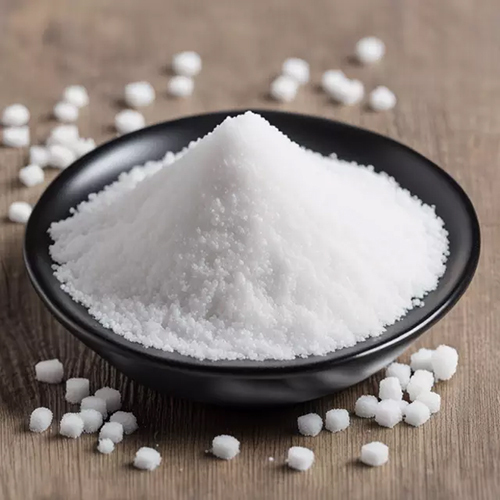
Citric acid is a naturally occurring organic acid widely produced through microbial fermentation of carbohydrate sources such as corn or sugar. It is commonly used in powdered and liquid forms across multiple industries, including food processing, pharmaceuticals, and industrial cleaning formulations.
However, when we refer to a Halal Certified Citric Acid Supplier, we are not only discussing chemical purity but also the integrity of the production process.
Halal certification ensures that:
- Raw materials used in fermentation are free from non-halal sources
- Processing aids and enzymes comply with Islamic dietary regulations
- Equipment and storage systems prevent cross-contamination
- The entire production chain is audited by recognized halal certification bodies
Interestingly, citric acid itself is chemically identical regardless of certification status. The difference lies in how it is produced, handled, and documented. For manufacturers exporting to Muslim-majority markets, this distinction is critical.
Why Halal Certified Citric Acid Is Essential for Modern Manufacturing
Global demand for halal-certified ingredients has increased significantly over the past decade. The halal food and beverage market is now valued at over USD 2 trillion, with continuous annual growth driven by population expansion, urbanization, and rising quality expectations.
Working with a reliable Halal Certified Citric Acid Supplier offers several key advantages:
First, it ensures market accessibility. Countries such as Indonesia, Malaysia, Saudi Arabia, and the UAE enforce strict import regulations requiring halal compliance for food additives.
Second, it strengthens brand positioning. Even in non-Muslim markets, halal certification is increasingly associated with cleanliness, traceability, and ethical production.
Third, it reduces regulatory friction. Proper documentation minimizes delays during customs inspections and quality audits.
In our collaboration with various food and beverage factories, we have observed that halal-certified sourcing can reduce import clearance issues by up to 25–30%, particularly in Southeast Asian trade routes.
Industrial Applications of Halal Certified Citric Acid
Citric acid is one of the most versatile raw materials in modern industry. A professional Halal Certified Citric Acid Supplier typically serves multiple sectors simultaneously, ensuring consistent quality and grade selection.
Food and Beverage Industry
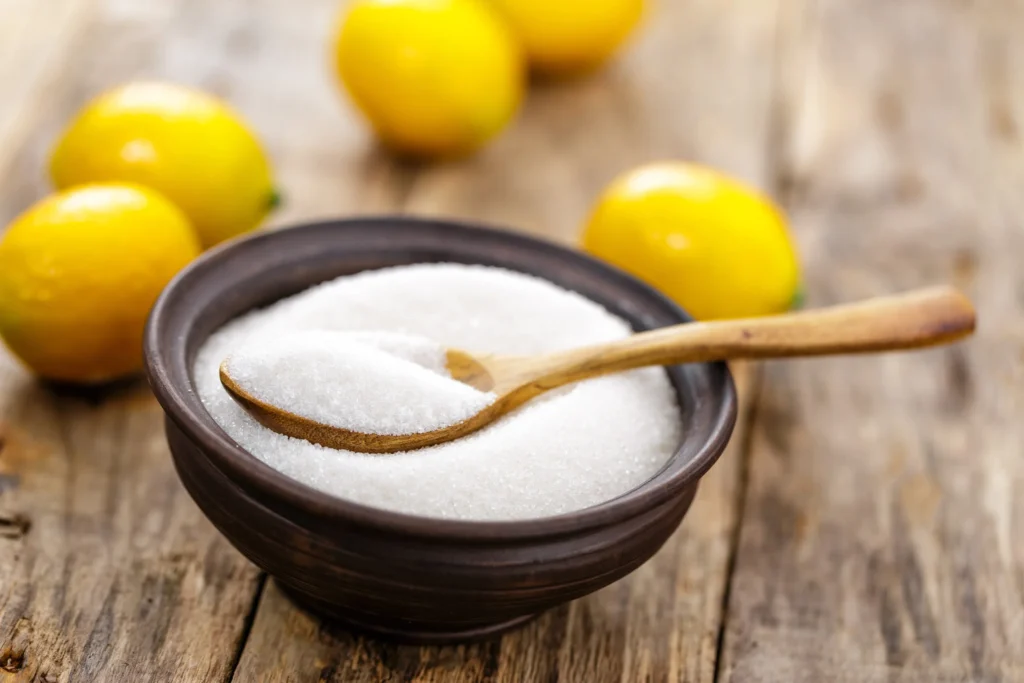
In food production, citric acid is widely used as an acidulant, preservative, and flavor enhancer. It is found in soft drinks, fruit juices, candies, jams, and canned foods. Its role is not only functional but also sensory, as it enhances freshness and balances sweetness.
Pharmaceutical Industry
In pharmaceutical applications, citric acid is used in effervescent tablets, syrups, and oral solutions. It plays a critical role in controlling pH levels and stabilizing active ingredients, ensuring drug effectiveness and shelf stability.
Cosmetic and Personal Care Industry
In cosmetics, citric acid acts as a pH adjuster and stabilizer in shampoos, creams, and skincare formulations. It helps maintain skin compatibility and improves product texture and performance.
Industrial Cleaning and Chemical Manufacturing
Citric acid is also widely used in eco-friendly cleaning products due to its biodegradable nature. It helps remove mineral deposits and scale without introducing harmful residues into wastewater systems.
Common Mistakes in Sourcing Citric Acid for Industrial Use
Many procurement teams underestimate the complexity of sourcing certified ingredients. A few recurring mistakes include:
One major mistake is prioritizing price over certification validity. A lower-cost supplier without proper halal documentation can lead to shipment rejection and costly production delays.
Another issue is ignoring supply chain transparency. Some suppliers provide certificates without verifying upstream production processes, which can create compliance risks during audits.
A third common error is failing to confirm product grade consistency. Food-grade, pharmaceutical-grade, and industrial-grade citric acid are not interchangeable, yet some factories attempt to use a single specification across all applications.
Finally, many buyers overlook long-term supplier stability. A Halal Certified Citric Acid Supplier must not only meet current demand but also scale with your production growth.
Key Technical Insights for Large-Scale Manufacturers
Large-scale production environments require more than just ingredient sourcing—they require stability, predictability, and technical consistency.
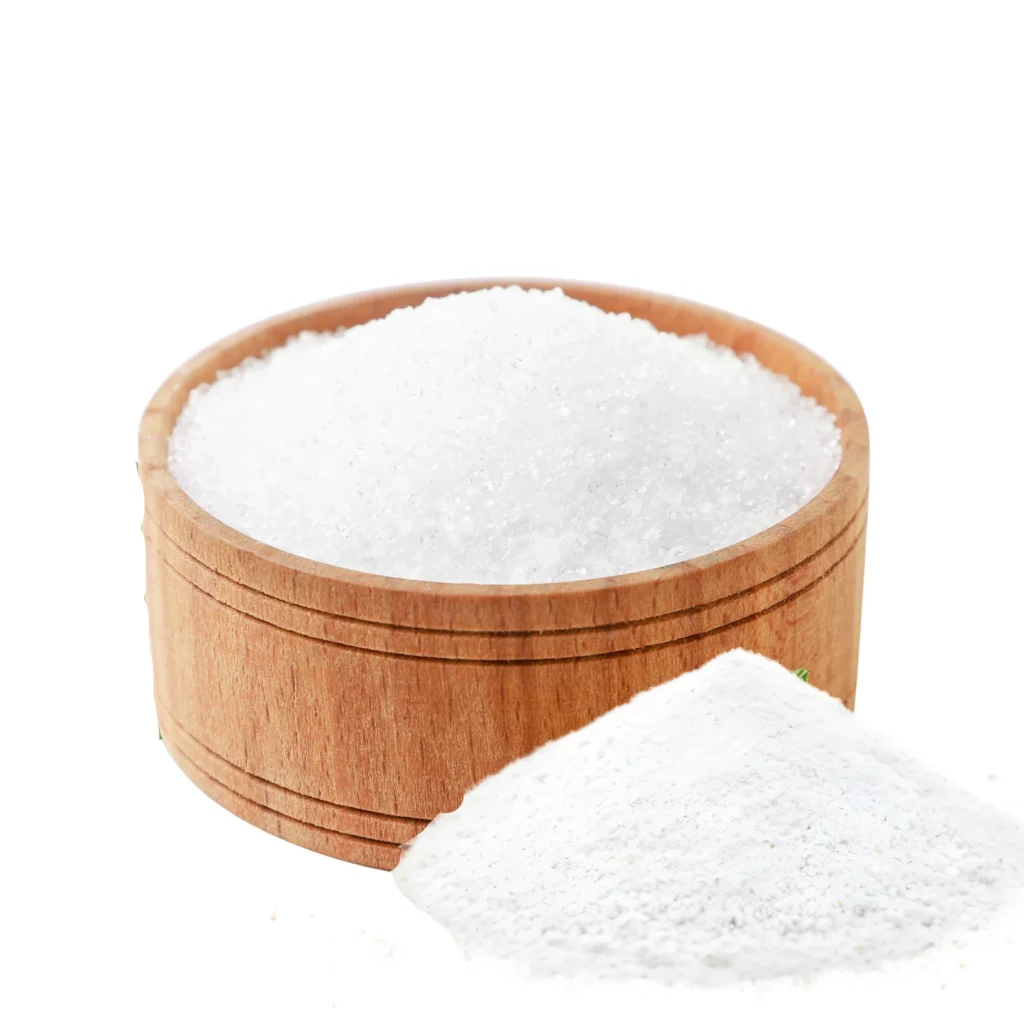
One important factor is particle size distribution. Fine powder citric acid dissolves faster but may create dust handling issues, while granular forms offer better flowability in automated systems.
Another consideration is moisture content. Even small variations can affect storage stability and caking behavior in humid environments.
Factories producing beverages or pharmaceutical syrups should also pay attention to solubility curves under different temperature conditions, as this impacts mixing efficiency on production lines.
In industrial sourcing projects handled through MT Royal, we often see that small adjustments in specification lead to significant improvements in production efficiency, sometimes reducing mixing time by up to 12%.
Trends in Halal Ingredient Supply Chains
The global halal ingredient market is evolving rapidly, driven by digital traceability systems and stricter regulatory frameworks.
One emerging trend is blockchain-based supply chain tracking, allowing manufacturers to verify ingredient origin in real time.
Another trend is the consolidation of suppliers offering multi-certification portfolios, combining halal, kosher, and ISO certifications under one supply chain system.
Additionally, sustainability is becoming increasingly important. Many buyers now prefer citric acid produced via environmentally friendly fermentation processes with reduced carbon footprint.
These trends indicate that the role of a Halal Certified Citric Acid Supplier is expanding beyond compliance into broader sustainability and transparency expectations.
Frequently Asked Questions from Industrial Buyers
1. Is halal-certified citric acid chemically different from standard citric acid?
No. The chemical composition is identical. The difference lies in production processes, handling, and certification compliance.
2. Can halal certification affect product performance?
No. It does not change functionality, but it ensures compliance for specific markets.
3. How often is halal certification reviewed?
Typically, certification bodies audit suppliers annually, though some may require more frequent inspections depending on region.
4. What documentation should suppliers provide?
A valid halal certificate, COA (Certificate of Analysis), MSDS, and batch traceability records are standard requirements.
5. Why do factories prefer suppliers like MT Royal?
Because they offer multi-brand sourcing, stable logistics, and technical support across different industrial grades, reducing procurement complexity.
Final Industrial Perspective
Choosing a Halal Certified Citric Acid Supplier is not just a procurement decision—it is a strategic investment in compliance, market access, and production stability. As global regulations tighten and consumer expectations rise, manufacturers must adopt sourcing strategies that prioritize transparency, consistency, and certification integrity.
In real-world industrial environments, the difference between a delayed shipment and a smooth production cycle often comes down to supplier reliability. When ingredient sourcing is treated as a core part of production engineering rather than a back-office task, factories gain a measurable competitive advantage.
The future belongs to manufacturers who understand that compliance is not a barrier—it is a gateway to global expansion.



No comment