

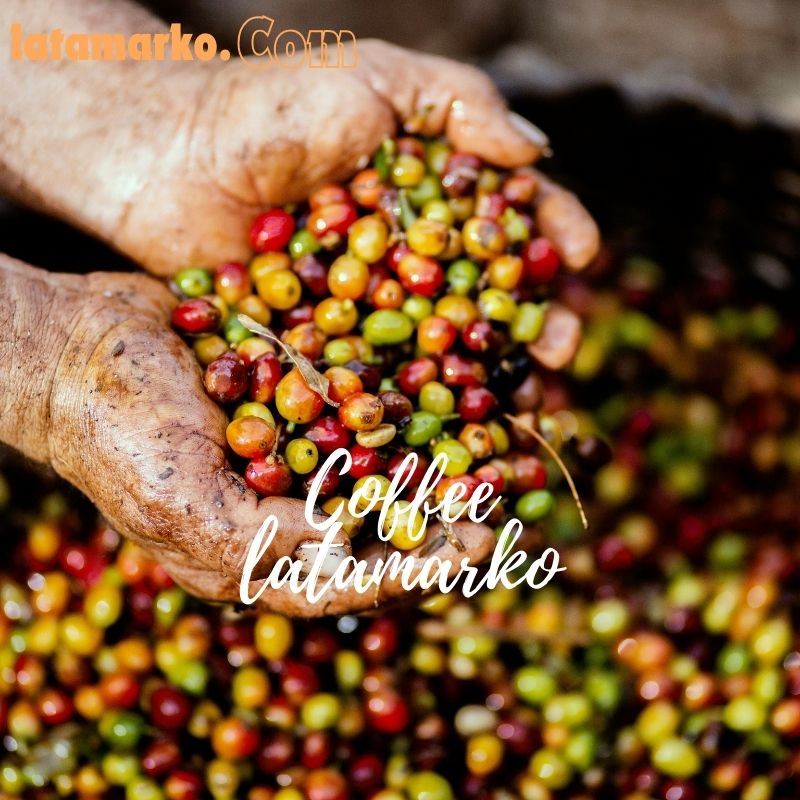
Why Industrial Coffee Buyers Choose MT ROYAL as Their Brazilian Arabica Coffee Bean Supplier
In today’s competitive coffee market, choosing the right supplier is just as important as choosing the right origin. Industrial coffee roasters, coffee factories, and private label manufacturers are no longer looking only for competitive prices. They need reliability, consistency, export expertise, and long-term supply security.
At MT ROYAL, we focus on supplying carefully selected Brazilian Arabica Coffee Bean products for industrial roasting operations, specialty coffee applications, espresso blends, and large-scale commercial coffee production.
Our goal is not simply to sell coffee beans. We focus on helping industrial buyers reduce sourcing risks, improve roasting consistency, and maintain stable production quality.

Carefully Selected Brazilian Coffee Origins
We supply different Brazilian coffee profiles suitable for multiple industrial applications, including:
- Brazil Santos Fine Cup
- Brazil Cerrado
- Brazil Fazenda
Each origin offers unique roasting characteristics and flavor profiles for espresso blends, commercial roasting programs, and specialty coffee production.
Consistent Quality for Industrial Roasting
One of the biggest challenges for industrial coffee roasters is maintaining consistency between shipments.
Variations in moisture, density, bean size, or cup profile can negatively affect roasting curves and final product stability. At MT ROYAL, we prioritize suppliers and coffee lots that offer stable industrial performance suitable for long-term roasting programs.
This helps our customers reduce production inconsistencies and maintain reliable cup quality.
Professional Export Operations from Türkiye
International coffee sourcing requires more than product quality alone. Documentation accuracy, shipment coordination, container planning, and logistics management are equally critical for industrial buyers.
MT ROYAL operates professionally from Istanbul, Türkiye, providing export support for customers across the Middle East, Europe, Africa, and international markets.
Our export-oriented structure helps customers simplify the import process while improving supply continuity.
9 Reasons Why Industrial Buyers Prefer MT ROYAL
Strong Experience in International Food Ingredient Trade
MT ROYAL has years of experience in international food raw material operations and industrial ingredient supply.
Reliable Brazilian Arabica Coffee Bean Supply
We focus on stable sourcing partnerships and dependable coffee availability for long-term industrial customers.
Suitable Products for Industrial Coffee Roasting
Our coffee selections are chosen with industrial roasting performance in mind, including espresso blends and commercial production requirements.
Professional Export Documentation Support
We support customers with export documentation and shipment coordination for international trade operations.
Flexible Supply Structure
We work with different customer scales, from specialty coffee buyers to large industrial roasting facilities.
Focus on Long-Term Partnerships
Our objective is sustainable business cooperation rather than short-term trading opportunities.
Stable Logistics Operations
We understand the importance of shipment planning, loading schedules, and reliable export organization for industrial buyers.
Commercial Understanding of Industrial Coffee Production
We understand the operational priorities of industrial coffee manufacturers, including consistency, roasting stability, and supply security.
Strategic Location in Türkiye
Operating from Istanbul provides logistical advantages for customers across Europe, the Middle East, North Africa, and surrounding international markets.
Building Long-Term Value Beyond Coffee Supply
The global coffee industry continues to evolve rapidly. Industrial buyers increasingly prefer suppliers that understand not only coffee quality, but also the operational realities of large-scale roasting and international supply chains.
, we aim to support industrial coffee roasters and coffee manufacturers with reliable Brazilian Arabica Coffee Bean sourcing, professional export operations, and stable long-term cooperation for international coffee markets.
What Industrial Coffee Roasters Look for in a Brazilian Arabica Coffee Bean Supplier
In industrial coffee production, purchasing decisions are rarely based on price alone. Large coffee factories, commercial roasting facilities, and private label coffee manufacturers understand that unstable raw material quality can create serious operational problems. For this reason, experienced buyers focus on choosing a reliable Brazilian Arabica Coffee Bean supplier capable of supporting long-term production stability.
Today, Industrial Coffee Roasters are looking for more than just green coffee beans. They are searching for suppliers that understand roasting performance, logistics management, export operations, and the technical requirements of commercial coffee manufacturing.
A reliable Coffee Bean Supplier directly affects roasting consistency, product quality, operational efficiency, and customer satisfaction. Even small variations in green coffee characteristics may lead to production losses, unstable flavor profiles, and unnecessary costs in large-scale roasting operations.
Consistency Is the First Priority for Industrial Coffee Roasters
For industrial roasting facilities, consistency is one of the most important factors in coffee sourcing.
Commercial roasting systems process large volumes every day, often using automated roasting profiles designed around specific bean characteristics. If moisture levels, density, or bean size change significantly between shipments, roasting curves become unstable and product quality may fluctuate.
This is why experienced buyers prioritize Brazilian Arabica Coffee Bean suppliers capable of maintaining stable quality standards across repeated shipments.
Consistent coffee beans help industrial roasters:
- Maintain stable roasting performance
- Reduce production waste
- Improve extraction consistency
- Protect flavor stability
- Optimize roasting efficiency
For large coffee manufacturers, consistency is not a luxury. It is a production necessity.
Moisture Stability Directly Affects Roasting Performance
Moisture control is another critical factor in Commercial Coffee Production.
Green coffee beans with unstable moisture levels may roast unevenly, affecting aroma development, body, crema formation, and final cup quality. Excessively dry beans may roast too quickly, while high-moisture beans can create roasting inconsistencies and storage risks.
Professional buyers therefore pay close attention to moisture stability when selecting a Brazilian Arabica Coffee Bean supplier.
Reliable suppliers understand the importance of:
- Proper storage conditions
- Stable moisture management
- Controlled container loading
- Professional packaging systems
- Protection during international transport
At industrial scale, moisture consistency can significantly improve roasting predictability and reduce operational risks.
Reliable Supply Is Essential for Long-Term Production Planning
Large roasting facilities cannot afford interruptions in raw material supply.
Many industrial coffee brands operate with continuous production schedules that depend on stable green coffee availability. Delayed shipments or inconsistent supply planning can affect inventory management, customer deliveries, and manufacturing efficiency.
For this reason, Industrial Coffee Roasters prefer suppliers with strong sourcing networks, organized export operations, and professional logistics coordination.
A reliable Brazilian Arabica Coffee Bean supplier should provide:
- Stable shipment planning
- Predictable lead times
- Long-term supply capability
- Organized export operations
- Professional communication
In today’s competitive market, supply continuity has become just as important as coffee quality itself.
Cupping Profile Stability Matters More Than Occasional Perfection
Industrial buyers usually prioritize stable cup profiles over unpredictable premium lots.
A commercial espresso blend sold across thousands of retail locations must taste consistent every time. Even small flavor variations can affect customer experience and brand identity.
This is why many Commercial Coffee Production companies prefer Brazilian coffee origins. Brazilian coffees are widely appreciated for their balanced body, controlled acidity, chocolate notes, nutty sweetness, and stable roasting behavior.
Professional roasters evaluate suppliers based on their ability to maintain repeatable cupping characteristics over time.
Important cupping considerations include:
- Body consistency
- Sweetness balance
- Acidity control
- Roast compatibility
- Aftertaste stability
- Blend performance
Brazilian Arabica Coffee Bean varieties are particularly valued because they offer dependable profiles suitable for industrial espresso and commercial roasting applications.
Export Documentation and Logistics Support Are Critical
Coffee sourcing is not only about the product itself. International trade operations require accurate documentation and organized logistics management.
Industrial buyers often prefer suppliers capable of supporting the complete export process professionally.
This includes:
- Commercial invoices
- Packing lists
- Certificates of origin
- Phytosanitary documentation
- Container loading coordination
- Export scheduling
Mistakes in export documentation may cause customs delays, additional costs, and operational disruptions.
For this reason, experienced buyers work with suppliers that understand international coffee trade procedures and export requirements.
Why Professional Coffee Buyers Prefer MT ROYAL
At MT ROYAL, we understand the operational priorities of Industrial Coffee Roasters and commercial coffee manufacturers.
We focus on supplying carefully selected Brazilian Arabica Coffee Bean products suitable for industrial roasting applications, espresso blends, and commercial coffee production programs.
Our approach focuses on:
- Stable sourcing
- Professional export coordination
- Reliable shipment planning
- Consistent product quality
- Long-term business cooperation
Operating from Istanbul, Türkiye, MT ROYAL supports international customers with professional export operations and reliable coffee supply solutions for industrial markets.

Brazil Santos Fine Cup Coffee Beans for Espresso and Commercial Blends
Among all Brazilian coffee origins used in industrial roasting, Brazil Santos Fine Cup remains one of the most preferred choices for espresso production and commercial coffee blends. For decades, industrial coffee roasters, coffee factories, and private label coffee brands have relied on this origin because of its balanced flavor profile, roasting stability, and dependable large-scale availability.
In today’s highly competitive coffee industry, consistency is one of the most valuable characteristics a green coffee can offer. This is exactly why Brazil Santos Fine Cup continues to dominate the market for Espresso Coffee Beans and Commercial Coffee Blends worldwide.
The combination of smooth body, moderate acidity, chocolate notes, and natural sweetness makes Santos coffee highly adaptable for industrial roasting operations. Whether used as a standalone espresso origin or as the foundation of multi-origin blends, Santos coffees provide the stability that professional roasters require for large-scale production.
Why Brazil Santos Fine Cup Is Preferred by Industrial Coffee Roasters
Industrial roasting facilities process significant coffee volumes every day. In these operations, roasting performance must remain stable across repeated production cycles.
Brazil Santos Fine Cup coffees are widely appreciated because they deliver predictable roasting behavior and balanced cup profiles. Their structure allows commercial roasters to maintain consistent flavor characteristics while optimizing roasting efficiency.
This origin is particularly popular among:
- Industrial coffee manufacturers
- Commercial espresso producers
- Coffee chains
- Private label coffee brands
- Large-scale roasting facilities
The stable profile of Santos coffee helps reduce production variability while supporting long-term product consistency.
Balanced Flavor Profile for Commercial Applications
One of the strongest advantages of Brazil Santos Fine Cup coffee is its balanced sensory profile.
Most industrial buyers prefer coffees that can perform consistently across different roasting levels and brewing applications. Santos coffee is known for offering:
- Smooth body
- Low to moderate acidity
- Chocolate notes
- Nutty characteristics
- Mild sweetness
- Clean finish
These characteristics make it highly suitable for espresso blends intended for broad consumer markets.
Unlike highly acidic coffees that may create instability in commercial blends, Santos coffee provides a safer and more versatile profile for large-scale production programs.
Ideal Coffee Origin for Espresso Production
Espresso roasting requires coffees capable of maintaining crema stability, body balance, and consistent extraction performance.
Brazil Santos Fine Cup coffees are particularly valued in espresso production because they roast evenly and perform well under different roasting conditions. Their structure supports stable crema formation while helping maintain smooth flavor balance in milk-based beverages and espresso blends.
For many industrial coffee roasters, Santos coffee serves as the foundation of commercial espresso recipes because of its reliable cup behavior and broad consumer acceptance.
Roasting Stability Improves Industrial Efficiency
Large roasting facilities prioritize coffees that perform predictably in automated roasting systems.
Variations in moisture, density, or bean structure may create inconsistencies in roasting curves and affect final product quality. Brazil Santos Fine Cup coffees are often selected because they offer stable roasting performance suitable for industrial operations.
This helps manufacturers:
- Reduce roasting inconsistencies
- Improve production efficiency
- Maintain stable flavor profiles
- Minimize product waste
- Optimize blend performance
In commercial coffee production, operational consistency directly affects profitability.
Reliable Availability Supports Long-Term Coffee Programs
Another important advantage of Brazil Santos Fine Cup coffee is its strong position within the global coffee supply chain.
Large commercial buyers require stable long-term availability to support continuous production planning. Brazil’s advanced coffee infrastructure and export capacity make Santos coffee one of the most accessible and dependable industrial coffee origins in the world.
This stability is especially important for:
- Coffee factories
- International importers
- Coffee chains
- Industrial roasting companies
- Private label producers
Reliable supply reduces sourcing risks while improving inventory planning and production continuity.
Why Santos Coffee Continues to Dominate Commercial Coffee Blends
Commercial Coffee Blends are designed to deliver stable flavor experiences to large consumer markets. This requires coffees capable of supporting consistency across repeated production cycles.
Brazil Santos Fine Cup remains one of the most trusted blend components because it combines:
- Balanced flavor
- Roasting stability
- Broad consumer acceptance
- Reliable export availability
- Cost-efficient industrial performance
Its versatility allows commercial roasters to create espresso blends with dependable body, sweetness, and roast compatibility.
MT ROYAL Supply Approach for Brazil Santos Fine Cup Coffee
At MT ROYAL, we focus on supplying carefully selected Brazil Santos Fine Cup coffee beans suitable for industrial roasting operations and commercial espresso production.
Our supply approach prioritizes:
- Stable quality selection
- Reliable export operations
- Professional shipment coordination
- Consistent industrial roasting performance
- Long-term supply cooperation
We understand that industrial coffee buyers require more than green coffee alone. They require stability, professionalism, and dependable supply management capable of supporting long-term commercial growth.
For this reason, Brazil Santos Fine Cup continues to be one of the strongest choices for industrial coffee roasters and commercial coffee manufacturers worldwide.
Brazil Cerrado Coffee Beans and Their Roasting Performance
In the world of industrial coffee roasting and specialty coffee production, consistency and roasting behavior are often more important than short-term pricing advantages. This is one of the main reasons why Brazil Cerrado Coffee has become one of the most respected origins among professional coffee buyers and industrial roasting facilities worldwide.
Known for its balanced body, natural sweetness, controlled acidity, and stable roasting characteristics, Brazil Cerrado coffee is widely used in espresso blends, specialty roasting programs, and large-scale commercial coffee production. Its predictable cup profile and roasting consistency make it highly attractive for roasters seeking both quality and operational reliability.
Today, many Industrial Coffee Roasters and specialty coffee brands prefer Cerrado coffees because they offer an excellent balance between commercial scalability and premium cup performance.
Why Brazil Cerrado Coffee Is Highly Valued in Professional Roasting
The Cerrado region is recognized as one of Brazil’s most important coffee-producing areas. Its stable climate, advanced farming infrastructure, and professional processing systems help create coffees with dependable roasting behavior and clean cup profiles.
For professional roasters, roasting stability is critical.
Coffee beans that roast unevenly or behave inconsistently can create variations in flavor development, crema formation, extraction quality, and final product consistency. Brazil Cerrado Coffee is often preferred because it delivers predictable roasting performance suitable for both industrial and specialty applications.
This origin is especially appreciated for its:
- Smooth body
- Natural sweetness
- Balanced flavor profile
- Low acidity
- Consistent roasting response
- Strong espresso compatibility
These characteristics make Cerrado coffees highly adaptable across different roasting styles and blend structures.
Balanced Body Supports Espresso and Commercial Blends
One of the strongest characteristics of Brazil Cerrado Coffee is its body structure.
In espresso production, body plays a major role in mouthfeel, crema stability, and consumer perception. Cerrado coffees are known for offering a smooth and balanced body that performs well in both standalone espresso products and commercial blends.
This balanced structure allows roasters to create coffees with:
- Stable texture
- Creamy mouthfeel
- Smooth espresso extraction
- Strong blend compatibility
- Reliable roasting development
For commercial roasting operations, these qualities help maintain stable product performance across repeated production cycles.
Natural Sweetness Creates Broad Consumer Appeal
Sweetness is another important reason why many specialty roasters and industrial buyers choose Cerrado coffees.
Brazil Cerrado Coffee often develops natural chocolate, caramel, nutty, and mild brown sugar notes during roasting. These flavor characteristics create a smooth and approachable cup profile suitable for broad consumer markets.
Unlike highly acidic coffees that may appeal only to niche specialty segments, Cerrado coffees typically offer balanced sweetness that performs well in commercial espresso applications.
This flavor stability makes the origin highly valuable for:
- Espresso blends
- Coffee chains
- Milk-based beverages
- Commercial coffee products
- Specialty roasting programs
Low Acidity Improves Blend Stability
Controlled acidity is one of the most important characteristics in large-scale coffee production.
While some specialty coffees are known for bright acidity, many industrial buyers prioritize balanced low-acid profiles because they create greater consistency across mass-market espresso products.
Brazil Cerrado Coffee is widely appreciated for its moderate and controlled acidity levels. This helps create smoother espresso blends while reducing sharp flavor variations during roasting and extraction.
For commercial coffee manufacturers, low acidity often improves:
- Blend stability
- Consumer acceptance
- Espresso smoothness
- Milk beverage compatibility
- Roasting flexibility
These advantages explain why Cerrado coffees are frequently used as foundational components in industrial espresso programs.
Roasting Consistency Is Critical for Industrial Coffee Production
Industrial roasting systems require coffees capable of performing consistently under automated roasting conditions.
Brazil Cerrado Coffee is especially valued because its bean structure, density, and moisture behavior support stable roasting development across large production volumes.
Professional roasters often select Cerrado coffees because they help reduce:
- Roast curve instability
- Uneven development
- Flavor inconsistency
- Production waste
- Operational adjustments
Stable roasting behavior allows factories to optimize production efficiency while maintaining reliable final product quality.
Specialty Roasting Applications for Brazil Cerrado Coffee
Although Brazil Cerrado Coffee is widely used in industrial roasting, it is also increasingly appreciated within Specialty Roasting programs.
Specialty roasters often value Cerrado coffees for their:
- Clean cup structure
- Chocolate-forward profiles
- Balanced sweetness
- Smooth finish
- Roasting versatility
Depending on processing style and farm selection, Cerrado coffees can perform well across different roast levels, from medium espresso profiles to more developed specialty roasting applications.
This versatility makes Cerrado coffee attractive for both large commercial buyers and premium coffee brands.
MT ROYAL Approach to Brazil Cerrado Coffee Supply
At MT ROYAL, we focus on supplying carefully selected Brazil Cerrado Coffee beans suitable for industrial roasting operations, espresso production, and specialty coffee applications.
Our sourcing approach prioritizes:
- Stable roasting performance
- Consistent quality
- Balanced flavor profiles
- Reliable export operations
- Long-term supply stability
We understand that professional coffee buyers require more than attractive pricing alone. They require dependable roasting behavior, stable cup quality, and professional export coordination capable of supporting long-term production success.
For this reason, Brazil Cerrado Coffee continues to remain one of the strongest choices for Industrial Coffee Roasters and Specialty Roasting programs worldwide.

Fazenda Coffee Beans for Premium Specialty Coffee Applications
As global demand for premium coffee continues to grow, professional buyers are increasingly searching for coffee origins capable of delivering not only quality, but also identity, consistency, and specialty roasting performance. Among Brazil’s most respected premium origins, Fazenda Coffee Beans have become one of the most attractive choices for specialty roasters and high-end coffee brands seeking refined Brazilian Arabica Coffee Bean profiles.
Today, Fazenda coffees are widely associated with carefully managed farms, controlled cultivation practices, selective harvesting, and superior cup characteristics. Unlike large-volume commodity coffees, Fazenda-origin selections are often positioned within the premium segment of the Brazilian coffee industry because of their improved traceability, cleaner flavor structure, and enhanced roasting potential.
For specialty coffee buyers, Fazenda Coffee Beans represent a more refined expression of Brazilian coffee quality while maintaining the balanced profile and roasting stability that make Brazilian Arabica Coffee Bean products globally respected.
Why Fazenda Coffee Beans Are Considered Premium
The term “Fazenda” refers to Brazilian coffee estates or farms, many of which focus on controlled cultivation and specialized coffee production methods. In premium coffee markets, Fazenda-origin coffees are often associated with greater attention to bean quality, harvesting precision, and post-harvest processing standards.
This creates coffees with:
- Cleaner cup profiles
- Better flavor clarity
- Improved sweetness
- Enhanced aroma complexity
- More controlled acidity
- Higher specialty roasting potential
For specialty coffee roasters, these qualities are essential when developing premium retail products and high-value coffee programs.
Specialty Coffee Buyers Focus on Flavor Precision
Unlike mass-market commercial blends, Specialty Coffee Beans are evaluated with far greater attention to flavor balance and sensory detail.
Professional specialty roasters often seek coffees capable of delivering:
- Chocolate notes
- Caramel sweetness
- Nutty complexity
- Smooth body
- Delicate fruit characteristics
- Clean aftertaste
Many Fazenda Coffee Beans successfully offer this balance while maintaining the approachable profile that Brazilian Arabica Coffee Bean origins are known for worldwide.
This combination makes Fazenda coffees highly versatile for specialty espresso, filter coffee, and premium blend applications.
Fazenda Coffee Beans Offer Excellent Roasting Flexibility
One of the reasons Fazenda coffees are increasingly used in premium roasting programs is their strong roasting adaptability.
Specialty roasters require coffees capable of performing consistently across different roasting styles while preserving flavor clarity and sweetness development. Fazenda coffees often provide stable bean density and balanced moisture characteristics that support controlled roasting development.
This allows roasters to achieve:
- Better sweetness expression
- Improved aroma development
- Balanced caramelization
- Stable roast curves
- Consistent cup quality
For premium coffee brands, roasting consistency is critical for maintaining customer trust and product identity.
Brazilian Arabica Coffee Bean Quality With Premium Positioning
Brazil is widely known for producing large coffee volumes, but premium Fazenda-origin coffees demonstrate that the country also plays a major role in the specialty coffee sector.
High-quality Fazenda Coffee Beans combine the reliability of Brazilian coffee production with more refined specialty characteristics. This creates a strong advantage for coffee buyers seeking Premium Arabica Coffee suitable for both specialty markets and upscale commercial applications.
Compared to highly unstable exotic origins, Fazenda coffees often provide a safer balance between specialty quality and operational consistency.
This is particularly important for:
- Specialty coffee brands
- Premium coffee chains
- Boutique roasteries
- Private label coffee companies
- High-end espresso programs
Balanced Body and Sweetness for Premium Espresso Applications
Many specialty espresso programs require coffees capable of combining sweetness, crema stability, and balanced body.
Fazenda Coffee Beans are often selected because they offer:
- Smooth mouthfeel
- Controlled acidity
- Natural sweetness
- Chocolate and nutty notes
- Elegant finish
- Stable espresso extraction
These characteristics help specialty roasters create premium espresso products with strong consumer appeal.
The balanced structure of Brazilian Arabica Coffee Bean profiles also allows Fazenda coffees to integrate successfully into premium blends without overpowering other origins.
Traceability and Farm Identity Increase Specialty Value
Modern specialty coffee markets increasingly value traceability and origin transparency.
Many Fazenda coffees benefit from stronger farm identity and more controlled production environments compared to large commodity supply chains. This helps create stronger storytelling opportunities for premium coffee brands while improving buyer confidence in product consistency.
For specialty buyers, traceability often supports:
- Brand positioning
- Consumer trust
- Product differentiation
- Premium pricing strategies
- Long-term sourcing partnerships
As specialty coffee markets continue to evolve, Fazenda-origin coffees are becoming increasingly important within premium Brazilian coffee programs.
MT ROYAL Approach to Premium Brazilian Coffee Supply
At MT ROYAL, we focus on supplying carefully selected Brazilian Arabica Coffee Bean products suitable for specialty coffee roasting, premium espresso applications, and high-quality commercial coffee programs.
Our approach prioritizes:
- Carefully selected coffee origins
- Stable roasting performance
- Professional export coordination
- Reliable quality standards
- Long-term supply partnerships
We understand that premium coffee buyers require more than attractive appearance alone. They require coffees capable of supporting roasting precision, stable cup performance, and long-term specialty coffee positioning.
For this reason, Fazenda Coffee Beans continue to represent one of the strongest premium options within the global Brazilian specialty coffee market.
How Bean Density and Moisture Affect Industrial Coffee Roasting
Natural vs Washed Brazilian Arabica Coffee Beans
Processing methods play a major role in determining the flavor profile, body, sweetness, acidity, and roasting behavior of green coffee beans. In the modern coffee industry, understanding the difference between Natural Process Coffee and Washed Arabica Coffee has become increasingly important for industrial coffee roasters, specialty coffee brands, and commercial coffee buyers.
Today, professional buyers are not only selecting coffee origins. They are also evaluating how Brazilian Coffee Processing methods influence roasting performance and final cup characteristics.
Among global coffee-producing countries, Brazil remains one of the most important origins for both natural and washed processing methods. Because of its massive production scale and advanced coffee infrastructure, Brazilian Arabica Coffee Bean suppliers can offer a wide range of processing styles suitable for industrial roasting, espresso production, and specialty coffee applications.
What Is Natural Process Coffee?
Natural Process Coffee, also known as dry-processed coffee, is one of the oldest coffee processing methods in the world.
In this method, coffee cherries are dried with the fruit still attached to the bean. During drying, the beans absorb sugars and flavor compounds from the fruit, creating coffees with fuller body and increased sweetness.
Natural Brazilian coffees are especially popular because Brazil’s climate provides ideal drying conditions for large-scale natural processing operations.
Natural process coffees are often recognized for:
- Full body
- Chocolate notes
- Fruit sweetness
- Lower acidity
- Heavy mouthfeel
- Smooth espresso performance
These characteristics make Natural Process Coffee highly attractive for espresso blends and commercial coffee production.
Why Industrial Roasters Prefer Natural Brazilian Coffees
Many Industrial Coffee Roasters use natural Brazilian coffees because they perform exceptionally well in espresso roasting.
The balanced sweetness and lower acidity of natural Brazilian Arabica Coffee Bean profiles help create stable espresso blends suitable for broad consumer markets.
Natural coffees also contribute:
- Better crema formation
- Smooth texture
- Sweet aftertaste
- Strong blend compatibility
- Balanced extraction
For commercial espresso production, these qualities help maintain consistency across high-volume roasting programs.
What Is Washed Arabica Coffee?
Washed Arabica Coffee follows a different processing method focused on removing the fruit from the bean before drying.
In washed processing, coffee cherries pass through depulping and fermentation stages before the beans are cleaned and dried. This method generally produces cleaner and brighter cup profiles with more clarity and acidity.
Washed coffees are often associated with:
- Cleaner flavor definition
- Brighter acidity
- More transparent cup profiles
- Delicate aroma characteristics
- Lighter body
- Higher flavor clarity
For many Specialty Coffee Beans programs, washed coffees are preferred because they allow individual flavor characteristics to become more visible during cupping and roasting.
Washed Brazilian Coffees in Specialty Roasting
Although Brazil is traditionally associated with natural processing, high-quality washed Brazilian coffees have become increasingly important in Specialty Roasting markets.
Specialty coffee roasters often select washed Brazilian Arabica Coffee Bean products for:
- Filter coffee applications
- Premium espresso programs
- Single-origin specialty coffees
- Light and medium roast profiles
The cleaner structure of washed coffees allows roasters to highlight subtle sweetness, nutty notes, floral aromas, and delicate fruit characteristics.
How Brazilian Coffee Processing Affects Roasting Performance
Processing methods directly influence how coffee beans behave during roasting.
Natural coffees often roast differently because of their higher sugar absorption and fuller structure. They may develop stronger caramelization and body during roasting, making them highly suitable for espresso blends and darker roasting profiles.
Washed coffees, on the other hand, usually provide more transparent flavor separation and cleaner acidity expression.
Professional roasters evaluate processing methods based on:
- Roasting stability
- Sweetness development
- Acidity balance
- Body structure
- Blend compatibility
- Espresso performance
This is why processing style is considered a critical factor in industrial coffee sourcing and specialty roasting strategy.
Natural vs Washed Coffee for Commercial Applications
In Commercial Coffee Production, the choice between natural and washed coffees often depends on target consumer preferences and product positioning.
Natural Brazilian coffees are commonly used for:
- Commercial espresso blends
- Milk-based beverages
- Dark roasting programs
- Broad consumer markets
- Smooth flavor profiles
Washed coffees are more commonly used for:
- Specialty coffee menus
- Premium filter coffee
- Lighter roast applications
- Higher flavor transparency
- Specialty cupping programs
Many professional roasters combine both processing styles to create balanced commercial blends with improved complexity and stability.
Why Brazilian Arabica Coffee Bean Origins Offer Strong Processing Diversity
One of Brazil’s greatest strengths is its ability to produce large quantities of coffee using multiple processing techniques while maintaining stable industrial quality.
Brazilian coffee infrastructure supports:
- Natural processing
- Washed processing
- Semi-washed methods
- Controlled drying systems
- Professional export preparation
This flexibility allows coffee buyers to source coffees suitable for different roasting styles and commercial applications.
For Industrial Coffee Roasters and specialty buyers alike, Brazil remains one of the most reliable origins for both natural and washed coffee programs.
MT ROYAL Approach to Brazilian Coffee Selection
At MT ROYAL, we focus on supplying carefully selected Brazilian Arabica Coffee Bean products suitable for industrial roasting, specialty coffee applications, espresso production, and commercial coffee blends.
Our sourcing approach prioritizes:
- Stable roasting performance
- Reliable processing quality
- Consistent flavor profiles
- Professional export coordination
- Long-term supply reliability
We understand that processing methods directly influence roasting behavior and final product performance. For this reason, we work to support professional coffee buyers with coffee selections suitable for both industrial efficiency and specialty coffee quality expectations.
Why Brazilian Arabica Coffee Beans Are Preferred for Espresso Production
In the global coffee industry, espresso remains one of the most demanding and commercially important brewing methods. From large coffee chains and industrial roasting facilities to specialty cafés and private label coffee brands, espresso production requires green coffee beans capable of delivering stable flavor, crema consistency, balanced extraction, and reliable roasting performance.
For this reason, Brazilian Arabica Coffee Bean origins continue to dominate the market for Espresso Coffee Beans worldwide.
Today, many professional coffee buyers consider Brazilian coffees the foundation of successful espresso roasting programs because they combine smooth body, natural sweetness, balanced acidity, and excellent roasting consistency. These characteristics make Brazilian Espresso Coffee highly suitable for both large-scale commercial production and premium specialty espresso applications.
In modern espresso manufacturing, consistency is often more important than extreme flavor complexity. Industrial coffee roasters need coffees that can perform predictably across thousands of kilograms of production while maintaining stable sensory profiles. Brazilian coffees have proven their reliability in this area for decades.
Balanced Flavor Profile Makes Brazilian Coffee Ideal for Espresso
Espresso extraction amplifies both the strengths and weaknesses of coffee beans. Highly acidic coffees may become sharp and unstable, while poorly structured coffees may produce weak body and inconsistent crema.
Brazilian Arabica Coffee Bean varieties are widely preferred because they naturally provide balance.
Most Brazilian coffees offer:
- Smooth body
- Chocolate notes
- Nutty sweetness
- Moderate acidity
- Stable crema performance
- Clean aftertaste
These characteristics create espresso profiles that are highly compatible with broad consumer preferences.
For industrial coffee brands and commercial espresso programs, this balanced profile is extremely important because it supports product consistency across different markets and customer segments.
Brazilian Espresso Coffee Performs Well in Milk-Based Beverages
Another reason why Brazilian Espresso Coffee is widely used in espresso blends is its compatibility with milk-based drinks.
Coffees with excessive acidity may lose balance when combined with milk. Brazilian coffees, however, often maintain their sweetness and body in beverages such as cappuccino, latte, flat white, and mocha products.
This makes Brazilian coffees highly attractive for:
- Coffee chains
- Commercial cafés
- Restaurant coffee programs
- Automatic coffee machines
- Industrial beverage production
For high-volume coffee businesses, stable milk compatibility directly affects customer satisfaction and repeat sales.
Roasting Stability Is Critical for Industrial Espresso Production
Large-scale espresso production depends on roasting precision.
Industrial roasting systems require coffees capable of responding consistently under automated roasting conditions. Variations in density, moisture, or bean structure can affect roast development and espresso extraction quality.
Brazilian Arabica Coffee Bean origins are highly valued because they typically provide:
- Stable bean structure
- Balanced moisture behavior
- Predictable roasting response
- Reliable caramelization
- Consistent extraction performance
This stability helps industrial coffee roasters maintain repeatable espresso quality while reducing operational adjustments and production waste.
Arabica Espresso Blend Programs Depend on Consistency
Most commercial espresso products are built around carefully designed Arabica Espresso Blend programs.
In these blends, Brazilian coffees often serve as the base component because they provide the body, sweetness, and crema structure necessary for espresso stability.
Professional roasters frequently combine Brazilian coffees with other origins to achieve:
- Better complexity
- Controlled acidity
- Improved sweetness
- Stable mouthfeel
- Consistent extraction
Without a stable base coffee, espresso blends may become unpredictable and difficult to reproduce at industrial scale.
This is one of the main reasons why Brazilian coffees continue to dominate commercial espresso roasting worldwide.
Brazil Offers Reliable Supply for Espresso Roasters
Espresso production requires more than flavor alone. Industrial buyers also need dependable supply continuity.
Brazil’s large production capacity and advanced export infrastructure allow commercial roasters to secure stable long-term sourcing for espresso programs.
This is especially important for:
- Industrial coffee factories
- Private label coffee producers
- International coffee chains
- Large roasting companies
- Commercial beverage manufacturers
Reliable supply helps businesses maintain production continuity while reducing sourcing risks.
Consumer Preferences Continue to Favor Brazilian Espresso Profiles
Global espresso markets increasingly favor coffees that are smooth, approachable, and easy to drink.
Brazilian Espresso Coffee profiles naturally align with these preferences because they typically offer:
- Balanced sweetness
- Lower acidity
- Chocolate-forward notes
- Creamy mouthfeel
- Smooth finish
For mass-market espresso products, these characteristics often create stronger consumer acceptance than highly acidic or unstable coffee profiles.
As a result, many successful espresso brands continue to rely heavily on Brazilian Arabica Coffee Bean origins as the core of their roasting programs.
Why MT ROYAL Focuses on Brazilian Coffee for Espresso Applications
At MT ROYAL, we understand the technical and commercial requirements of modern espresso production.
Our sourcing approach focuses on carefully selected Brazilian Arabica Coffee Bean products suitable for:
- Industrial espresso roasting
- Commercial coffee blends
- Specialty espresso applications
- Coffee chain programs
- Private label production
We prioritize:
- Stable roasting performance
- Consistent flavor profiles
- Reliable export coordination
- Long-term supply continuity
- Professional commercial support
We understand that successful espresso production depends on more than coffee quality alone. It requires dependable sourcing, roasting consistency, and stable long-term supply solutions capable of supporting industrial coffee growth.
Quality Control Standards in Brazilian Green Coffee Bean Export
In the international coffee industry, product quality alone is not enough to build long-term business relationships. Professional buyers, industrial coffee roasters, and commercial coffee manufacturers increasingly evaluate suppliers based on their ability to maintain stable Coffee Quality Control standards throughout sourcing, processing, storage, and export operations.
For companies involved in Green Coffee Export, quality consistency directly affects roasting performance, production efficiency, customer satisfaction, and long-term brand stability. This is one of the main reasons why Brazilian Arabica Coffee Bean origins continue to dominate global coffee markets.
Brazil is not only the world’s largest coffee producer, but also one of the most advanced countries in terms of coffee handling infrastructure, quality management systems, and export preparation processes. Professional quality control practices help ensure that exported coffee beans meet the technical expectations of industrial buyers and specialty coffee roasters worldwide.
Why Coffee Quality Control Is Critical in Industrial Coffee Supply
Large industrial roasting facilities process significant coffee volumes every day. Even small variations in bean quality may create roasting inconsistencies, extraction instability, and production losses.
Professional buyers therefore evaluate suppliers based on their ability to maintain stable Coffee Bean Standards across repeated shipments.
Quality control in green coffee export affects:
- Roasting consistency
- Flavor stability
- Espresso performance
- Shelf life
- Production efficiency
- Consumer satisfaction
For Industrial Coffee Roasters, reliable quality management is essential for maintaining stable production operations.
Sorting Improves Uniformity and Roasting Performance
Sorting is one of the most important stages in green coffee preparation.
Professional sorting systems help separate defective beans, broken particles, foreign materials, and inconsistent bean sizes before export. Uniform bean selection improves roasting consistency and supports more stable heat transfer during industrial roasting.
High-quality Brazilian Arabica Coffee Bean export programs often include advanced sorting procedures designed to improve:
- Bean uniformity
- Roast consistency
- Blend stability
- Visual quality
- Production efficiency
For commercial coffee production, uniformity directly affects roasting precision and final cup consistency.
Defect Control Protects Coffee Quality
Defect management is another critical part of Coffee Quality Control systems.
Excessive defects may negatively affect flavor, aroma, roasting behavior, and extraction performance. Professional coffee buyers closely monitor defect levels because poor defect control can create unstable cup profiles and reduce product value.
Common quality control procedures focus on identifying:
- Broken beans
- Black beans
- Sour beans
- Insect-damaged beans
- Foreign materials
- Immature beans
Reliable suppliers understand that effective defect control is essential for protecting roasting performance and maintaining customer confidence.
Moisture Stability Is Essential for Export Quality
Moisture management plays a major role in green coffee stability during storage and international transportation.
Excessive moisture may increase the risk of quality deterioration during shipping, while overly dry coffee may negatively affect roasting development and flavor balance.
Professional Green Coffee Export operations carefully monitor moisture levels to maintain stable coffee condition throughout the supply chain.
Controlled moisture management helps improve:
- Storage stability
- Roasting consistency
- Aroma preservation
- Shelf life
- Container transport safety
This is especially important for international shipments involving long transit times and changing climate conditions.
Coffee Grading Systems Help Standardize Quality
Coffee grading is an essential part of professional export preparation.
Grading systems classify coffee beans according to size, density, defect levels, and overall quality standards. These systems help buyers evaluate product consistency before shipment.
Professional Coffee Bean Standards often include evaluation of:
- Screen size
- Bean density
- Moisture content
- Defect count
- Cup profile
- Physical uniformity
For industrial buyers, standardized grading reduces uncertainty and improves long-term sourcing reliability.
Packaging Quality Protects Green Coffee During Transport
Packaging is another critical component of export quality management.
Improper packaging may expose coffee beans to moisture fluctuations, contamination risks, and physical damage during transportation.
Professional Brazilian coffee exporters typically use export packaging systems designed to protect bean stability during international shipment.
Effective packaging solutions help support:
- Moisture protection
- Product cleanliness
- Storage safety
- Container loading efficiency
- Long-distance transportation stability
For Industrial Coffee Roasters, packaging quality directly affects product condition upon arrival.
Why Brazilian Arabica Coffee Bean Exports Are Trusted Worldwide
Brazil’s advanced coffee infrastructure and export systems have helped establish strong global confidence in Brazilian coffee supply programs.
Professional buyers continue to choose Brazilian Arabica Coffee Bean suppliers because of their ability to provide:
- Stable quality standards
- Reliable export operations
- Consistent grading systems
- Professional logistics coordination
- Predictable roasting performance
These advantages are especially important for industrial coffee production where consistency directly impacts operational profitability.
MT ROYAL Approach to Coffee Quality Management
At MT ROYAL, we understand the importance of professional Coffee Quality Control systems in industrial coffee supply.
Our sourcing and export approach focuses on:
- Carefully selected coffee origins
- Stable roasting performance
- Reliable export coordination
- Consistent quality standards
- Professional shipment organization
We understand that Industrial Coffee Roasters and commercial coffee manufacturers require more than coffee supply alone. They require dependable product consistency, professional export support, and long-term sourcing reliability capable of supporting stable commercial growth.
For this reason, quality control remains one of the most important foundations of our Brazilian Arabica Coffee Bean supply approach.

Coffee Bean Packaging and Container Loading for International Buyers
In international coffee trade, product quality alone is not enough to guarantee successful delivery. Proper Coffee Bean Packaging and professional container loading procedures play a critical role in protecting green coffee quality during storage, transportation, and export operations.
For companies importing Bulk Coffee Beans, packaging stability and export handling directly affect moisture protection, roasting consistency, product safety, and final commercial performance. This is why professional buyers pay close attention not only to coffee origin and cup profile, but also to packaging systems and Coffee Container Export standards.
Today, global coffee buyers increasingly prefer suppliers capable of managing export operations professionally, especially for long-distance international shipments where logistics conditions can significantly influence green coffee quality.
Why Packaging Matters in Green Coffee Export
Green coffee beans are highly sensitive agricultural products. Improper packaging may expose the coffee to humidity fluctuations, contamination risks, odor absorption, and physical damage during transport.
Professional Coffee Bean Packaging systems are designed to protect the physical and sensory stability of green coffee throughout the export process.
Proper packaging helps maintain:
- Moisture stability
- Bean freshness
- Aroma preservation
- Physical protection
- Storage safety
- Roasting consistency
For Industrial Coffee Roasters and specialty coffee buyers, packaging quality directly affects the condition of the coffee upon arrival.
Bulk Coffee Packaging for Industrial Buyers
Large-scale coffee importers usually purchase Bulk Coffee Beans in export-oriented packaging formats suitable for container transportation and warehouse handling.
Industrial coffee exports commonly use:
- Jute bags
- Kraft paper bags
- Poly-lined export bags
- Bulk supersacks for industrial operations
The choice of packaging often depends on:
- Shipping distance
- Storage conditions
- Climate exposure
- Customer requirements
- Industrial handling systems
Professional packaging selection helps reduce quality risks during long international transit periods.
Moisture Protection During International Transportation
Moisture control is one of the most important challenges in Coffee Container Export operations.
Green coffee beans naturally absorb environmental humidity, especially during sea transportation where containers may experience temperature fluctuations and condensation risks.
Professional exporters therefore prioritize packaging systems capable of reducing moisture exposure during shipment.
Proper moisture protection helps maintain:
- Roasting stability
- Flavor consistency
- Bean integrity
- Shelf life
- Product safety
For Industrial Coffee Roasting operations, moisture fluctuations may significantly affect roasting curves and extraction performance.
Container Loading Quality Directly Affects Product Safety
Professional container loading is another critical factor in international coffee logistics.
Poor loading practices may create:
- Bag damage
- Compression issues
- Ventilation problems
- Moisture accumulation
- Product contamination risks
Well-organized Coffee Container Export operations focus on maintaining stable loading conditions that protect the coffee throughout transportation.
Professional loading procedures often include:
- Proper pallet arrangement
- Weight distribution control
- Ventilation management
- Container cleanliness inspection
- Moisture prevention measures
- Export safety checks
These details become increasingly important for long-distance international shipments.
Why Industrial Buyers Prefer Professional Export Operations
Industrial coffee buyers require more than coffee supply alone. They require export systems capable of supporting stable logistics and predictable delivery performance.
For commercial roasting operations, delayed shipments or damaged products may create:
- Production interruptions
- Inventory shortages
- Operational delays
- Quality inconsistencies
- Increased costs
This is why experienced importers often prioritize suppliers with strong export coordination and organized shipping procedures.
Professional export preparation supports:
- Supply chain stability
- Reliable delivery planning
- Product protection
- Customs efficiency
- Long-term sourcing confidence
Coffee Packaging Standards for International Markets
Different international markets may require different packaging specifications depending on regulations, transportation conditions, and warehouse systems.
Professional exporters often adapt Coffee Bean Packaging according to:
- Destination climate
- Storage duration
- Customer handling requirements
- Container loading conditions
- Import market expectations
For Industrial Coffee Roasters, proper packaging contributes directly to stable roasting performance and long-term inventory management.
Brazilian Arabica Coffee Bean Exports Require Strong Logistics Management
Brazil remains one of the largest suppliers within the global green coffee trade. Because of the scale of international shipments, efficient export logistics are essential for maintaining product quality and delivery reliability.
Professional Brazilian Arabica Coffee Bean export operations typically focus on:
- Stable packaging systems
- Organized container loading
- Moisture protection
- Shipment coordination
- International logistics planning
These factors help ensure that coffee beans arrive in stable condition suitable for industrial roasting and specialty coffee applications.
Export Reliability Supports Long-Term Coffee Partnerships
In modern coffee trade, logistics reliability has become just as important as cup quality.
International buyers increasingly evaluate suppliers based on their ability to maintain:
- Stable export operations
- Reliable shipment planning
- Professional packaging standards
- Product protection during transport
- Consistent delivery coordination
For long-term industrial coffee sourcing, dependable export management helps reduce operational risks and improve production continuity.
As global coffee markets continue to grow, professional Coffee Bean Packaging and organized Coffee Container Export systems remain essential components of successful international coffee trade.
How Reliable Coffee Suppliers Reduce Production Risks for Roasters
In today’s highly competitive coffee industry, many buyers initially focus on price when sourcing green coffee beans. However, experienced Industrial Coffee Roasters understand that the real cost of coffee sourcing is not determined only by the price per container. The true cost often appears later through production instability, inconsistent roasting performance, delayed shipments, quality fluctuations, and operational disruptions.
For professional coffee manufacturers, choosing a Reliable Coffee Supplier is one of the most important decisions affecting long-term profitability and Coffee Production Stability.
A supplier is not simply a seller of green coffee beans. In industrial coffee production, the supplier becomes part of the manufacturing chain itself. When sourcing problems occur, the entire roasting operation may be affected.
Why Supplier Reliability Matters More Than Short-Term Price Advantages
Low-cost coffee sourcing may appear attractive at first, but unstable supply often creates hidden operational costs that are far more expensive over time.
Industrial roasting facilities depend on consistency. If green coffee quality changes between shipments, roasting curves may become unstable, espresso extraction may vary, and final product quality may decline.
Even small inconsistencies can lead to:
- Production delays
- Blend instability
- Customer complaints
- Increased roasting adjustments
- Product waste
- Inventory management problems
For this reason, many experienced coffee buyers prioritize long-term supplier reliability over short-term pricing opportunities.
Stable Coffee Supply Protects Production Continuity
Large coffee factories and commercial roasting facilities cannot afford interruptions in raw material availability.
Continuous production schedules require dependable coffee deliveries capable of supporting long-term roasting programs. Delayed shipments or unstable supply planning may create serious operational challenges.
Reliable Coffee Supplier partnerships help reduce risks related to:
- Shipment delays
- Inconsistent inventory planning
- Unstable product availability
- Production interruptions
- Emergency sourcing costs
For industrial coffee operations, supply continuity directly affects operational efficiency and customer satisfaction.
Consistent Coffee Quality Reduces Roasting Problems
Roasting consistency depends heavily on stable raw material characteristics.
Professional roasters require coffees with predictable:
- Moisture levels
- Bean density
- Screen size
- Flavor profile
- Roasting behavior
- Extraction performance
When suppliers fail to maintain stable coffee quality, industrial roasting systems become more difficult to manage. This may increase production adjustments and create unstable final products.
Reliable suppliers help industrial buyers maintain:
- Stable roast curves
- Consistent espresso extraction
- Repeatable flavor profiles
- Predictable production performance
- Better operational control
This is especially important for companies producing coffee at industrial scale.
Reliable Export Operations Reduce Commercial Risks
International coffee sourcing involves more than coffee quality alone.
Professional suppliers must also manage:
- Export documentation
- Shipment coordination
- Container planning
- Logistics communication
- Delivery scheduling
Mistakes during export operations may lead to customs delays, financial losses, and production interruptions.
Experienced Industrial Coffee Supply partners understand the importance of organized export management capable of supporting stable commercial operations.
Long-Term Partnerships Improve Coffee Production Stability
The most successful coffee roasting companies often work with stable long-term supplier relationships rather than constantly changing suppliers based only on price.
Long-term cooperation allows better:
- Quality consistency
- Production planning
- Supply forecasting
- Roasting optimization
- Commercial stability
Reliable suppliers also become more familiar with the technical requirements of the customer’s roasting systems and product expectations.
This creates stronger operational alignment and improves Coffee Production Stability over time.
Why Brazilian Arabica Coffee Bean Supply Requires Professional Coordination
Brazilian Arabica Coffee Bean sourcing is highly competitive because global demand for stable Brazilian coffees remains extremely strong.
Professional buyers increasingly prefer suppliers capable of providing:
- Reliable coffee sourcing
- Stable quality standards
- Organized export operations
- Consistent roasting performance
- Long-term supply continuity
For Industrial Coffee Roasters, supplier professionalism directly affects the ability to maintain stable espresso blends and commercial roasting programs.
MT ROYAL Approach to Reliable Industrial Coffee Supply
At MT ROYAL, we understand that industrial coffee buyers require more than competitive pricing alone.
Our approach focuses on supporting long-term operational stability through:
- Carefully selected Brazilian Arabica Coffee Bean sourcing
- Professional export coordination
- Stable supply planning
- Consistent roasting performance
- Reliable commercial communication
We understand the importance of protecting production continuity for Industrial Coffee Roasters, commercial coffee manufacturers, coffee chains, and private label coffee programs.
In modern coffee trade, the right supplier does more than deliver coffee beans. A reliable supplier helps protect operational stability, product consistency, and long-term commercial growth.
Brazilian Arabica Coffee Beans for Large Scale Coffee Factories
Export Logistics and Global Supply Chain of Brazilian Coffee Beans
The global coffee industry depends heavily on efficient logistics and stable international supply chains. For industrial coffee roasters, coffee factories, and commercial coffee brands, sourcing high-quality coffee is only one part of the equation. Reliable export coordination, organized shipping systems, and stable logistics operations are equally important for maintaining uninterrupted production.
This is one of the major reasons why Brazilian Arabica Coffee Bean origins continue to dominate the international coffee market.
Brazil is not only the world’s largest coffee producer, but also one of the strongest countries in terms of coffee export infrastructure and global supply chain management. The country’s advanced export systems allow coffee buyers worldwide to secure stable long-term coffee supply for industrial roasting, espresso production, and commercial coffee manufacturing.
Today, many professional buyers select suppliers based not only on cup quality, but also on their ability to manage Coffee Logistics efficiently and professionally.
Why Export Logistics Matter in the Coffee Industry
In large-scale coffee manufacturing, production continuity depends heavily on stable raw material availability.
Industrial coffee operations often run continuous roasting programs that require predictable shipment schedules and organized inventory planning. Delayed shipments, customs issues, or unstable export coordination may create significant operational problems.
Professional Coffee Bean Exporter operations help reduce risks related to:
- Production interruptions
- Inventory shortages
- Delayed customer deliveries
- Emergency sourcing costs
- Quality deterioration during transport
For Industrial Coffee Roasters, logistics reliability directly affects operational efficiency and long-term profitability.
Brazil’s Export Infrastructure Supports Global Coffee Trade
Brazil has developed one of the most advanced coffee export systems in the world.
Its large production scale is supported by:
- Modern port infrastructure
- Professional warehousing systems
- High container shipping capacity
- Organized export coordination
- Strong transportation networks
This infrastructure allows Brazilian Coffee Export operations to support international buyers across Europe, the Middle East, Asia, Africa, and global markets.
For industrial coffee buyers, reliable export infrastructure helps improve long-term sourcing stability.
Container Shipping Plays a Critical Role in Coffee Supply Chains
Most international green coffee shipments are transported through containerized sea freight systems.
Professional Coffee Logistics management focuses on protecting coffee quality during transportation while maintaining efficient shipment coordination.
Important logistics considerations include:
- Container cleanliness
- Moisture protection
- Ventilation control
- Loading stability
- Transit scheduling
- Port coordination
Improper shipping conditions may negatively affect green coffee stability during transport.
This is why experienced industrial buyers prioritize suppliers capable of managing export logistics professionally.
Supply Chain Stability Is Essential for Industrial Roasting
Large coffee factories require stable supply chain systems capable of supporting continuous production.
Industrial roasting facilities often plan sourcing months in advance based on:
- Forecasted production demand
- Inventory rotation
- Shipment schedules
- Roasting capacity
- Commercial contracts
Reliable Brazilian Arabica Coffee Bean supply programs help industrial buyers reduce operational uncertainty and maintain stable coffee availability.
This becomes increasingly important during periods of global logistics instability and rising transportation costs.
Brazilian Coffee Exports Support Both Industrial and Specialty Markets
Brazil’s export strength allows the country to supply multiple market segments simultaneously.
Brazilian coffees are widely used for:
- Industrial espresso production
- Commercial coffee blends
- Specialty coffee roasting
- Private label manufacturing
- Coffee chain supply programs
Because of this broad market reach, Brazilian Coffee Export systems are highly experienced in managing large-scale international trade operations.
Why Industrial Buyers Prefer Established Coffee Export Networks
Professional coffee buyers increasingly prefer suppliers with organized export systems because stable logistics reduce commercial risk.
Reliable Coffee Logistics operations help support:
- Predictable shipment timing
- Product protection
- Better inventory management
- Stable production planning
- Long-term sourcing security
In industrial coffee production, unstable logistics may become just as problematic as unstable coffee quality.
This is why professional supply chain management has become one of the most important factors in global coffee sourcing.
Global Demand Continues to Strengthen Brazilian Coffee Supply Chains
Worldwide demand for Brazilian Arabica Coffee Bean products continues to grow because Brazilian coffee combines:
- Large production capacity
- Reliable export systems
- Stable roasting performance
- Balanced flavor profiles
- Long-term supply availability
For industrial coffee buyers and international roasting companies, these advantages create significant operational value.
As global coffee consumption continues to expand, strong export infrastructure and organized supply chain management will remain essential for maintaining stable international coffee trade.
MT ROYAL Approach to International Coffee Supply
At MT ROYAL, we understand the importance of professional export coordination and stable Coffee Logistics for industrial coffee buyers.
Our supply approach focuses on:
- Reliable Brazilian coffee sourcing
- Organized export operations
- Stable shipment coordination
- Long-term supply continuity
- Professional international trade support
We understand that modern coffee manufacturing depends not only on coffee quality, but also on dependable supply chain management capable of supporting long-term industrial growth and operational stability.

Choosing the Best Brazilian Arabica Coffee Bean Supplier for Long-Term Partnership
In today’s global coffee market, sourcing decisions have become far more complex than simply comparing prices between suppliers. Industrial coffee roasters, coffee factories, private label manufacturers, and specialty coffee brands increasingly understand that the right supplier directly affects operational stability, product consistency, customer satisfaction, and long-term business growth.
For this reason, selecting the right Brazilian Arabica Coffee Bean Supplier has become one of the most important strategic decisions for professional coffee buyers.
A successful supplier relationship is not built only on short-term transactions. In industrial coffee production, long-term cooperation creates stronger supply stability, better roasting consistency, improved logistics coordination, and more predictable commercial planning.
This is why many experienced buyers prioritize Long Term Coffee Partnership strategies instead of constantly changing suppliers based solely on temporary price differences.
Why Long-Term Supplier Relationships Matter in Coffee Production
Coffee production requires consistency at every stage of the supply chain.
Large roasting operations depend on stable:
- Green coffee quality
- Roasting performance
- Shipment planning
- Inventory management
- Flavor consistency
- Export coordination
Frequent supplier changes often increase operational uncertainty and create unnecessary production risks.
Professional coffee manufacturers understand that stable supplier relationships help improve:
- Production continuity
- Roasting efficiency
- Blend consistency
- Forecast planning
- Commercial reliability
For industrial coffee businesses, supplier stability often becomes a competitive advantage.
The Best Coffee Bean Supplier Provides More Than Coffee
A professional supplier is not simply a product source. In modern coffee manufacturing, the supplier becomes an operational partner supporting production continuity and commercial stability.
The Best Coffee Bean Supplier typically offers:
- Consistent coffee quality
- Reliable export operations
- Stable shipment coordination
- Professional communication
- Long-term supply capability
- Technical understanding of roasting requirements
These factors become increasingly important for Industrial Coffee Roasters operating large-scale production systems.
Quality Consistency Is More Valuable Than Occasional Low Prices
Short-term low-cost purchasing may appear attractive initially, but unstable coffee quality often creates hidden operational costs over time.
Inconsistent green coffee may lead to:
- Roasting instability
- Flavor variation
- Blend inconsistency
- Increased production waste
- Customer complaints
- Operational inefficiency
For this reason, many experienced coffee buyers prioritize suppliers capable of maintaining stable quality standards across repeated shipments.
Reliable Brazilian Arabica Coffee Bean Supplier partnerships help support predictable roasting performance and stable commercial production.
Export Reliability Supports Long-Term Business Growth
International coffee sourcing depends heavily on logistics organization and export professionalism.
Professional coffee buyers increasingly prefer suppliers capable of managing:
- Shipment scheduling
- Export documentation
- Container coordination
- Supply continuity
- Commercial communication
Reliable export systems reduce operational stress while improving production planning stability.
In long-term coffee sourcing, dependable logistics often become just as important as cup quality itself.
Industrial Coffee Roasters Need Stable Supply Partners
Large coffee factories and roasting facilities operate under continuous production pressure.
Interruptions in green coffee supply may affect:
- Production schedules
- Inventory management
- Customer deliveries
- Product consistency
- Commercial performance
This is why Long Term Coffee Partnership strategies have become increasingly common among industrial coffee companies.
Stable supplier relationships help businesses reduce sourcing risks while improving long-term operational efficiency.
Brazilian Coffee Remains the Foundation of Global Espresso Production
Many commercial espresso blends worldwide continue to rely heavily on Brazilian Arabica Coffee Bean origins because of their:
- Balanced flavor profiles
- Stable roasting behavior
- Broad consumer acceptance
- Reliable export availability
- Industrial roasting compatibility
Professional buyers therefore seek suppliers capable of maintaining dependable Brazilian coffee sourcing over extended commercial periods.
Why Professional Buyers Evaluate Suppliers Carefully
Choosing a coffee supplier is ultimately a business stability decision.
Experienced buyers often evaluate suppliers based on:
- Supply reliability
- Quality consistency
- Export professionalism
- Communication efficiency
- Long-term cooperation potential
- Understanding of industrial roasting requirements
The strongest supplier relationships are built through operational trust, consistency, and professional support over time.
MT ROYAL Approach to Long-Term Coffee Supply Partnerships
At MT ROYAL, we focus on building stable long-term relationships with Industrial Coffee Roasters, coffee factories, specialty coffee brands, and commercial coffee manufacturers.
Our sourcing approach prioritizes:
- Carefully selected Brazilian Arabica Coffee Bean products
- Stable roasting performance
- Professional export coordination
- Reliable shipment planning
- Consistent commercial communication
- Long-term supply continuity
We understand that successful coffee production depends on more than green coffee alone. It requires dependable sourcing systems capable of supporting long-term operational stability and sustainable commercial growth.
For this reason, we focus not only on supplying coffee, but also on supporting professional partnerships designed for long-term success in the international coffee industry.
LATAMARKO LM60 – Premium Spanish-Origin Cocoa Powder




No comment