

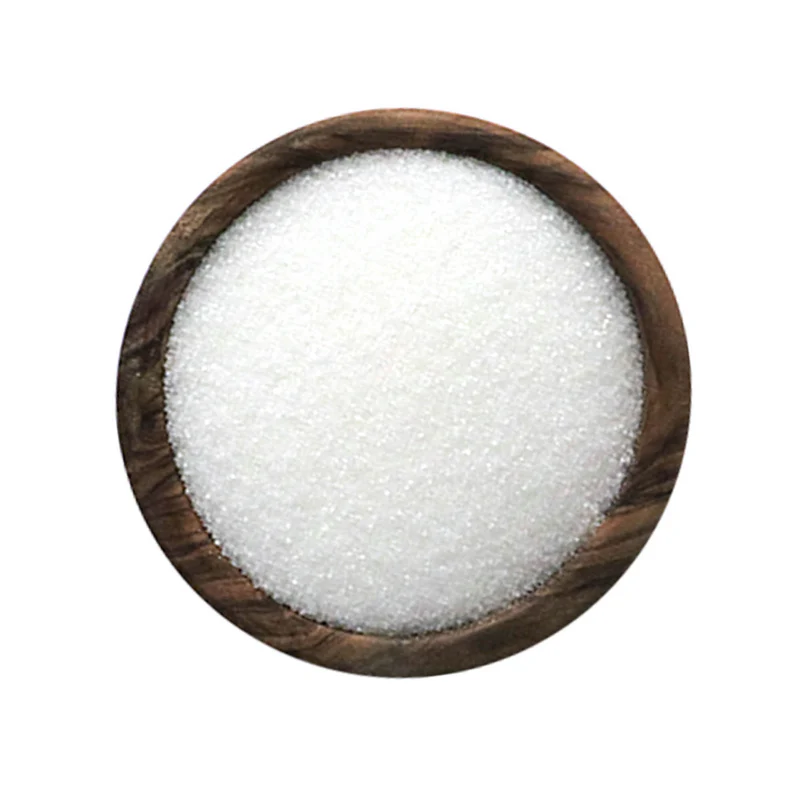
Kosher Certified Citric Acid Bulk has become one of the most strategically important ingredients in modern food manufacturing, beverage formulation, and pharmaceutical production. For factories operating in highly competitive global markets, sourcing this ingredient is no longer just a procurement decision—it is a direct influence on product stability, shelf life, regulatory compliance, and even brand reputation. When your production line depends on precision and consistency, choosing the right supplier such as MT Royal can quietly determine whether your operation runs like a synchronized system or constantly fights variability.
In today’s industrial reality, even a small fluctuation in acidulant quality can ripple through an entire production cycle. That is why procurement teams across Europe, the Middle East, and Asia increasingly prioritize Kosher Certified Citric Acid Bulk as a standardized, globally accepted input. The certification itself is not just a religious compliance marker; it also reflects strict handling protocols, traceability systems, and quality assurance standards that align well with modern food safety expectations.
MT Royal, as a trusted supplier of food-grade raw materials, has positioned itself in this ecosystem by offering multiple brands of citric acid in bulk quantities suitable for industrial-scale manufacturing. In our collaboration with various factories, we have seen that consistency in sourcing citric acid is often more important than marginal price differences, especially in continuous production environments where downtime is far more expensive than raw material premiums.
LATAMARKO LM60 – Premium Spanish-Origin Cocoa Powder
latamarko alkalized cocoa powder lm60
cocoa powder for chocolate production-Best price
Food industry raw materials – list of products
Best Brazilian Arabica Coffee Bean Supplier for Industrial Roaster
Uganda Bugisu Arabica Coffee Beans for Specialty Coffee Industry
What Is Kosher Certified Citric Acid Bulk?
At its core, citric acid is a naturally occurring organic acid widely used as an acidulant, preservative, and flavor enhancer. In industrial settings, it is typically produced through fermentation processes using carbohydrate sources such as corn or molasses. The result is a highly versatile compound classified under E330 in food additive regulations.
Kosher Certified Citric Acid Bulk refers to citric acid that has been produced, processed, and handled according to kosher dietary laws and certified by recognized authorities. For manufacturers, this certification expands market access significantly, particularly in regions where kosher labeling is required or preferred.
Chemical Forms Used in Industrial Applications
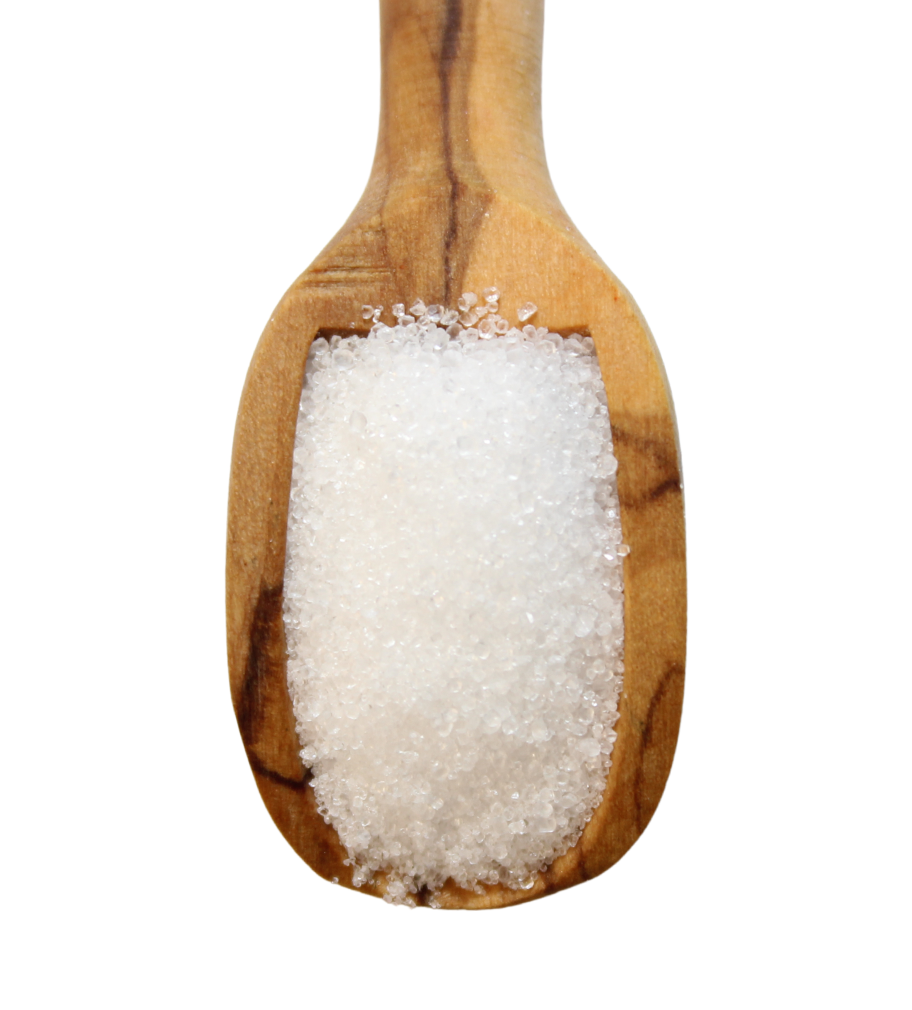
Citric Acid Monohydrate
- Commonly used in beverages, confectionery, and processed foods
- Provides stable crystalline structure for aqueous systems
- Ideal for applications where dissolution in water is required
Citric Acid Anhydrous
- Preferred in moisture-sensitive formulations
- Common in powdered drink mixes and pharmaceuticals
- Suitable for dry blending processes
Both forms are widely available in bulk packaging formats such as 25 kg bags or big bags for industrial logistics efficiency.

Why Kosher Certification Matters in Industrial Supply Chains
Kosher certification is often underestimated in procurement decisions, yet it plays a much broader role than religious compliance.
Key Industrial Advantages
- Strict production hygiene protocols ensure higher consistency
- Full traceability from raw materials to finished goods
- Alignment with HACCP and ISO quality systems
- Easier access to international food and beverage markets
From a regulatory standpoint, Kosher Certified Citric Acid Bulk reduces export complexity, especially for manufacturers targeting North American and European markets.
Common Mistakes in Sourcing Citric Acid for Manufacturing
Procurement teams often underestimate the complexity behind what appears to be a simple commodity chemical. However, citric acid quality variations can significantly impact production outcomes.
Frequent Sourcing Errors
- Prioritizing cost over batch consistency
- Ignoring particle size distribution affecting solubility
- Overlooking moisture differences between product types
- Failing to verify certification authenticity
- Not aligning supplier capacity with production scale
MT Royal has observed that factories consolidating their sourcing often reduce production interruptions by 18–25% due to improved ingredient consistency.
Industrial Applications of Kosher Certified Citric Acid Bulk
Food and Beverage Manufacturing
Citric acid is widely used in beverages, fruit juices, jams, candies, and dairy products. It stabilizes pH, enhances flavor profile, and extends shelf life.
Pharmaceutical Industry
Acts as a pharmaceutical excipient in effervescent tablets and stabilizes active ingredients while improving solubility.
Cosmetics and Personal Care
Used for pH adjustment in shampoos, creams, and skincare formulations.
Industrial Cleaning Applications
Utilized in eco-friendly descaling agents due to its chelating properties.
Monohydrate vs Anhydrous: Which One Should You Choose?
Monohydrate Advantages
- Cost-effective for large-scale production
- Suitable for liquid-based systems
- Stable under normal storage conditions
Anhydrous Advantages
- Ideal for dry blends and powders
- Lower moisture interference
- Preferred in pharmaceutical applications
The selection depends more on formulation design and environmental conditions than on price alone.
Industrial Optimization Tips for Bulk Users
Large-scale manufacturers require system-level thinking beyond simple procurement.
Best Practices for Factories
- Maintain consistent supplier batches for stability
- Apply strict incoming quality control testing
- Store material in humidity-controlled environments
- Synchronize deliveries with production forecasting
- Avoid unnecessary multi-supplier fragmentation
Market Trends in Citric Acid Demand
Global demand for citric acid continues to grow steadily at approximately 3.5–5% annually.
Key Market Drivers
- Rising demand for clean-label ingredients
- Growth of plant-based food industries
- Increased demand for kosher and halal certification
- Expansion of global food trade networks
- Shift toward bulk procurement strategies
MT Royal supports these market changes by offering access to multiple sourcing channels, enabling factories to balance cost and quality effectively.
Frequently Asked Questions
What is the shelf life of Kosher Certified Citric Acid Bulk?
Typically 24–36 months under dry and controlled storage conditions.
Is kosher citric acid chemically different?
No, but it follows stricter production and traceability standards.
Can it be used in pharmaceuticals?
Yes, if it meets pharma-grade or food-grade specifications.
Why is particle size important?
It affects solubility, blending efficiency, and final product consistency.
Final Industrial Perspective
Kosher Certified Citric Acid Bulk is more than just a commodity ingredient. It is a structural component of product quality, regulatory compliance, and production stability. For factories aiming to scale efficiently, supplier selection becomes a strategic decision rather than a purchasing task.
When your production depends on chemical precision, even small improvements in raw material consistency translate into long-term competitive advantage. In that equation, reliable sourcing is not an option—it is infrastructure.



No comment