

In the competitive landscape of industrial food, pharmaceutical, and chemical production, every ingredient choice carries strategic weight. For factories and manufacturers, ensuring consistent quality, regulatory compliance, and reliable supply of functional commodities is essential to operational stability and product excellence. Among the core ingredients relied upon across multiple sectors, dextrose anhydrous holds a unique position due to its functional versatility, predictable performance, and cost‑effectiveness. When your factory depends on large, uninterrupted volumes, identifying the right Dextrose Anhydrous Wholesale Exporter becomes far more than a procurement decision—it becomes a linchpin in your supply chain strategy.
MT Royal has partnered with manufacturers worldwide, providing access to bulk food‑grade, pharmaceutical‑grade, and industrial dextrose anhydrous from reputable sources. In our collaboration with various factories, we have seen that companies who align their sourcing with suppliers that understand global logistics, quality certification, and performance requirements experience fewer production disruptions, smoother regulatory audits, and stronger process control. This comprehensive industrial guide dives deep into dextrose anhydrous—its chemistry, applications, sourcing pitfalls, industrial comparisons, production tips, FAQs, and insights that help you evaluate exporters with confidence and clarity.
Bulk dextrose supply for Palestine’s sweets and snacks industry
Understanding Dextrose Anhydrous: Fundamental Concepts and Industrial Definitions
What Is Dextrose Anhydrous?
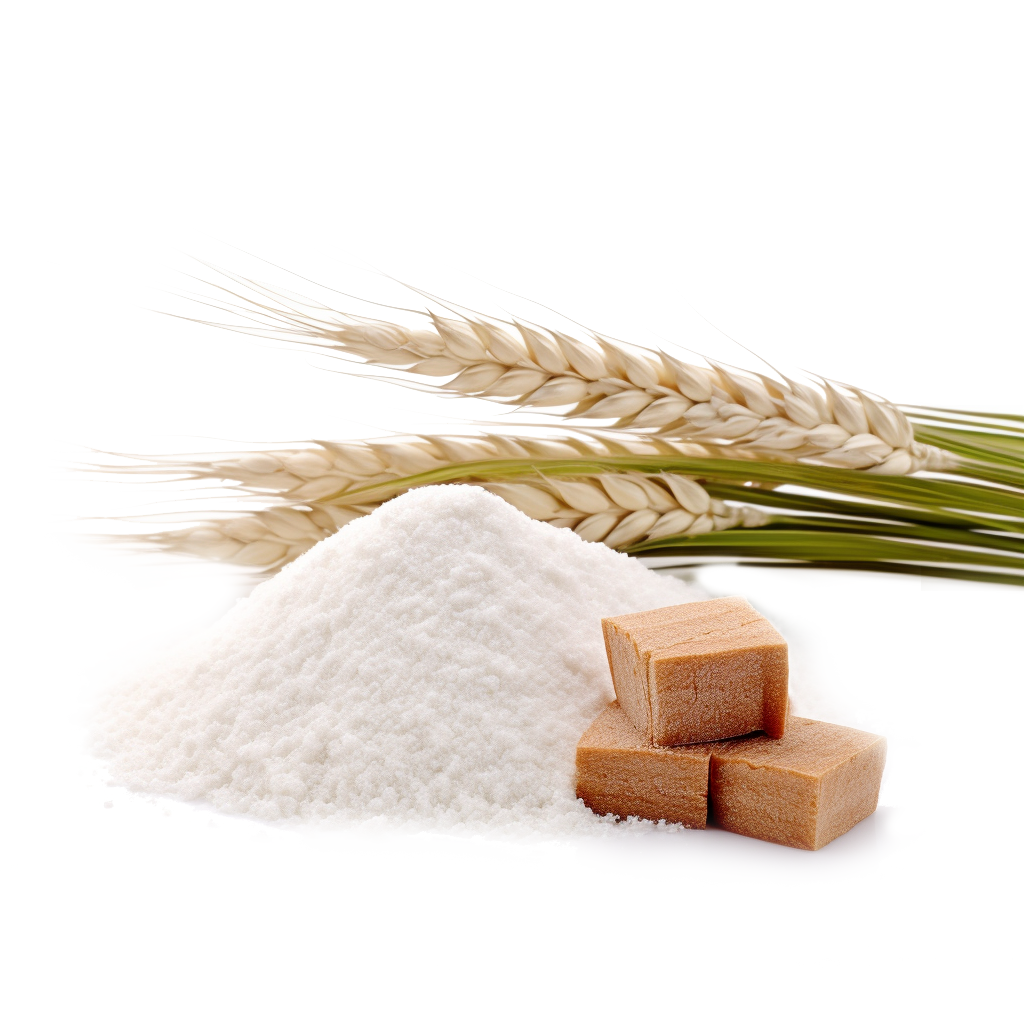
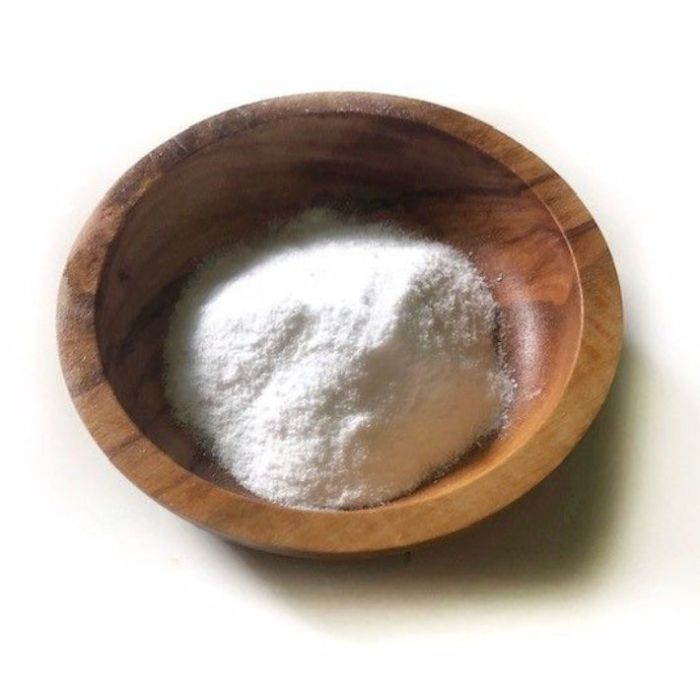
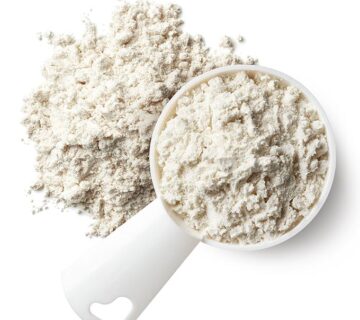
Dextrose anhydrous is the crystalline form of glucose that contains minimal moisture, typically less than 0.5% water. Unlike dextrose monohydrate—which carries one molecule of water—anhydrous dextrose has had its water of crystallization removed through controlled heating and drying processes. This transformation enhances its stability, flowability, and suitability for high‑temperature applications, making it ideal for large‑scale industrial use.
Chemically, dextrose anhydrous is denoted as C6H12O6, a simple sugar molecule derived predominantly from corn starch or other starch sources. Its physical and functional properties—high solubility, fermentability, predictable sweetness, and controlled crystallization behavior—make it indispensable in food, beverage, pharmaceutical excipient, and chemical processing industries.
Why Manufacturing Sectors Rely on Dextrose Anhydrous
Across different sectors, dextrose anhydrous serves multiple functional and technical purposes:
- Food Processing: Enhances sweetness, supports fermentation in brewing, modifies texture in bakery products, and serves as a browning agent in Maillard reactions.
- Pharmaceuticals: Acts as an excipient, carrier, or energy substrate in formulations, including oral rehydration solutions, syrups, and tablets.
- Chemical and Industrial Use: Functions as a carbon source in fermentation processes, organic synthesis pathways, and microbial culture media.
- Nutraceuticals and Supplements: Provides fast metabolizable energy in sports nutrition and dietary products.
The ability of dextrose anhydrous to dissolve rapidly, ferment reliably, and integrate seamlessly into varied formulations underscores its industrial value. With an optimized supply from a qualified Dextrose Anhydrous Wholesale Exporter, factories can maintain formulation consistency and streamline production scaling.

The Importance of a Reliable Dextrose Anhydrous Wholesale Exporter
Operational Continuity and Predictable Performance
In high‑volume industrial environments, variability in ingredient quality can ripple through production lines, affecting yield, texture, fermentation outcomes, and product stability. An exporter with robust quality controls and transparent documentation ensures that the dextrose anhydrous you receive is consistent in purity, particle size distribution, moisture content, and performance, minimizing downstream risks.
Regulatory Compliance and Documentation Support
Manufacturers operating in regulated markets must manage complex documentation, including certificates of analysis (CoAs), customs filings, and food safety certificates. Whether you need food‑grade compliance for the FDA or EFSA markets, or pharmaceutical documentation for APIs and excipients, partnering with a Dextrose Anhydrous Wholesale Exporter who understands global regulatory landscapes simplifies compliance processes and empowers your quality assurance teams.
MT Royal collaborates with exporters who provide detailed CoAs, traceability records, and logistics support, helping manufacturers meet regulatory demands and audit readiness without friction.
Common Mistakes in Industrial Sourcing
Even seasoned procurement professionals can encounter pitfalls when sourcing bulk dextrose anhydrous. Recognizing these common errors upfront can save time, costs, and operational headaches.
Mistake 1: Prioritizing Price Over Technical Fit
While cost competitiveness is a key consideration in bulk procurement, focusing solely on the lowest price can obscure essential quality metrics. Inconsistent particle size, elevated moisture levels, or subpar purity may reduce the upfront cost but compromise processing behavior, dissolution rates, or fermentation consistency. Always evaluate the total cost of ownership—including quality performance, handling properties, and processing implications.
Mistake 2: Accepting Minimal Documentation
Some suppliers may provide limited analytical data or omit detailed moisture and impurity profiles. Without comprehensive certificates of analysis aligned with your regulatory requirements, your factory remains at risk of noncompliance, production deviations, and audit issues. Ensure that exporters provide clear documentation for every batch.
Mistake 3: Overlooking Supply Chain Resilience
Global supply chains are dynamic and often unpredictable. Relying on a single geographic source without contingency planning can expose your factory to production stoppages during logistics disruptions or raw material shortages. A qualified exporter demonstrates diversified sourcing options and maintains risk mitigation strategies, such as safety stock and alternative production sites.
Mistake 4: Underestimating Storage and Handling Requirements
Dextrose anhydrous is hygroscopic, meaning it readily absorbs moisture from the environment. Inadequate storage conditions can lead to caking, flow problems, and compromised quality even before production begins. Implement appropriate humidity‑controlled storage and material handling protocols to preserve ingredient integrity.
Industrial Comparisons: Dextrose Anhydrous Versus Alternatives
To contextualize the value of dextrose anhydrous, it’s helpful to compare it with other carbohydrate sources that may be considered in your formulations.
Functional Comparison for Key Attributes
| Feature | Dextrose Anhydrous | Dextrose Monohydrate | Sucrose | Corn Syrup |
|---|---|---|---|---|
| Moisture Content | Very Low | Moderate | Moderate | Variable |
| Solubility | Rapid | Rapid | Moderate | High |
| Sweetness (Relative) | Mild | Mild | High | Moderate |
| Fermentability | High | High | Moderate | High |
| Crystallization Control | Excellent | Good | Excellent | Variable |
| Processing Stability | Excellent | Good | Good | Good |
| Cost Efficiency (Bulk) | High | High | Moderate | High |
This comparison shows why dextrose anhydrous often becomes the ingredient of choice when production parameters demand low moisture, high solubility, and predictable performance. Its minimal water content enhances thermal stability and shelf life, making it preferable for high‑temperature processes and dry handling systems.
Specialized Industrial Tips for Large‑Scale Production
Large‑scale manufacturing with dextrose anhydrous has its own set of challenges and opportunities. The following specialized insights can help optimize performance and minimize variability.
Tip 1: Understand Particle Size Distribution
Particle size influences dissolution rate, flowability during dosing, and blending uniformity. Finer particles dissolve quickly but can generate dust in dry handling; coarser particles may flow better but dissolve slower. Work with your exporter to tailor particle size ranges to your specific production needs.
Tip 2: Monitor Moisture Content and Storage Conditions
Because dextrose anhydrous is hygroscopic, moisture control is critical. Install humidity sensors in storage zones, use moisture‑barrier packaging, and maintain temperatures that minimize condensation. Effective climate control ensures that the ingredient remains free‑flowing and process‑ready.
Tip 3: Optimize Dosing Points in Process Flows
The point at which dextrose anhydrous is introduced into your production line affects dissolution and functional outcomes. For liquid systems, pre‑dissolving in warm streams before high‑shear mixing improves uniform distribution. For dry blends, specialized feeders and vibratory hoppers can maintain flow consistency and accurate dosing.
Tip 4: Incorporate In‑Line Analytical Monitoring
Using in‑line refractive index sensors or conductivity probes helps monitor dissolution and concentration in real‑time without interrupting production. This analytical approach reduces waste, boosts process control, and improves batch consistency.
Tip 5: Validate Across Processing Conditions
Before full‑scale deployment, pilot trials against specific process conditions—heat profiles, pH variations, shear stress levels—help identify potential deviations early. Modifying dosage or process parameters based on pilot outcomes ensures predictable performance when production scales up.
Frequently Asked Questions from Manufacturing and Procurement Teams
How Is Dextrose Anhydrous Different from Dextrose Monohydrate?
The primary distinction lies in moisture content. Dextrose monohydrate contains one molecule of water, while dextrose anhydrous has minimal residual moisture. This difference affects thermal behavior, flowability, and suitability for high‑temperature processes.
What Documentation Should a Wholesale Exporter Provide?
A responsible Dextrose Anhydrous Wholesale Exporter should supply certificates of analysis detailing moisture content, glucose purity, ash content, particle distribution, and relevant heavy metal limits. They should also provide traceability records, food or pharmaceutical regulatory compliance documents, and logistics certifications.
How Should Dextrose Anhydrous Be Stored?
Store in cool, dry, humidity‑controlled environments, ideally below 60% relative humidity. Use pallets or racks to keep sacks and containers off the floor, and rotate stock to maintain freshness and performance.
What Are Typical Industrial Usage Levels?
Usage levels depend on application. In fermentation processes, dextrose may constitute a major carbon source. In bakery or beverage formulations, it may serve as a minor sweetness modifier or dissolvable functional ingredient. Align dosages with formulation goals and sensory benchmarks.
Can Dextrose Anhydrous Affect Fermentation Consistency?
Yes. Its high solubility and fermentability make it a reliable substrate for yeast and microbial cultures. Variations in quality or impurity profiles can influence growth rates and metabolic outputs, which underscores the importance of quality consistency from your exporter.
Emerging Trends and Strategic Industry Insights
Growth of Functional Carbohydrates in Novel Applications
Beyond sweetness, dextrose anhydrous is gaining traction as a functional carbohydrate in sports nutrition, therapeutic food formulations, and specialized fermentation substrates. Its predictable metabolic pathway and high energy delivery make it attractive for targeted applications where consistency and performance are paramount.
Supply Chain Transparency as a Competitive Advantage
Consumers and regulators alike demand greater transparency from manufacturers and their suppliers. Traceability—from raw material origin through processing and shipping documentation—enhances risk management and builds trust with customers and auditors. Exporters who provide transparent, verifiable data help manufacturers stay ahead of supply chain scrutiny.
Sustainability and Raw Material Sourcing
Climate change and agricultural risks are influencing the supply dynamics of carbohydrate sources, particularly corn, which underpins much of dextrose production. Manufacturers now evaluate sustainability certifications, ethical sourcing practices, and risk mitigation strategies when selecting an exporter. Understanding how raw material sourcing impacts long‑term supply resilience is a key competitive differentiator.
Strategic Considerations for Procurement Teams
Selecting a Dextrose Anhydrous Wholesale Exporter involves more than cost negotiation. Manufacturers should evaluate:
- Supplier Quality Track Record: Verified through analytical transparency and performance history.
- Logistics Capabilities: Ability to deliver on time, handle customs complexities, and manage cross‑border documentation.
- Technical Support: Willingness to assist with formulation questions, particle sizing, and application guidance.
- Regulatory Compliance: Ability to meet international food and pharmaceutical standards.
- Risk Management: Contingency plans for supply disruptions, alternative sourcing, and storage recommendations.
MT Royal partners with exporters who meet these criteria, providing global manufacturers with reliable supply, documentation support, and competitive pricing structures that align with long‑term operational goals.
Reflection for Manufacturers and Leaders
Choosing the right Dextrose Anhydrous Wholesale Exporter is a strategic investment in quality, compliance, and operational resilience. Industrial success depends on predictable ingredient performance, robust supply chain partnerships, and informed integration of functional raw materials into complex production systems. We’ve seen firsthand that manufacturers who prioritize supplier partnerships rooted in quality, transparency, and technical expertise achieve superior outcomes—whether that’s consistent fermentation yields, stable production schedules, or reliable sensory profiles in consumer products.
Your next production run shouldn’t hinge on variability or uncertainty. Aligning procurement strategy with industry foresight and partnering with seasoned exporters paves the way for operational stability, innovation, and growth.

No comment