

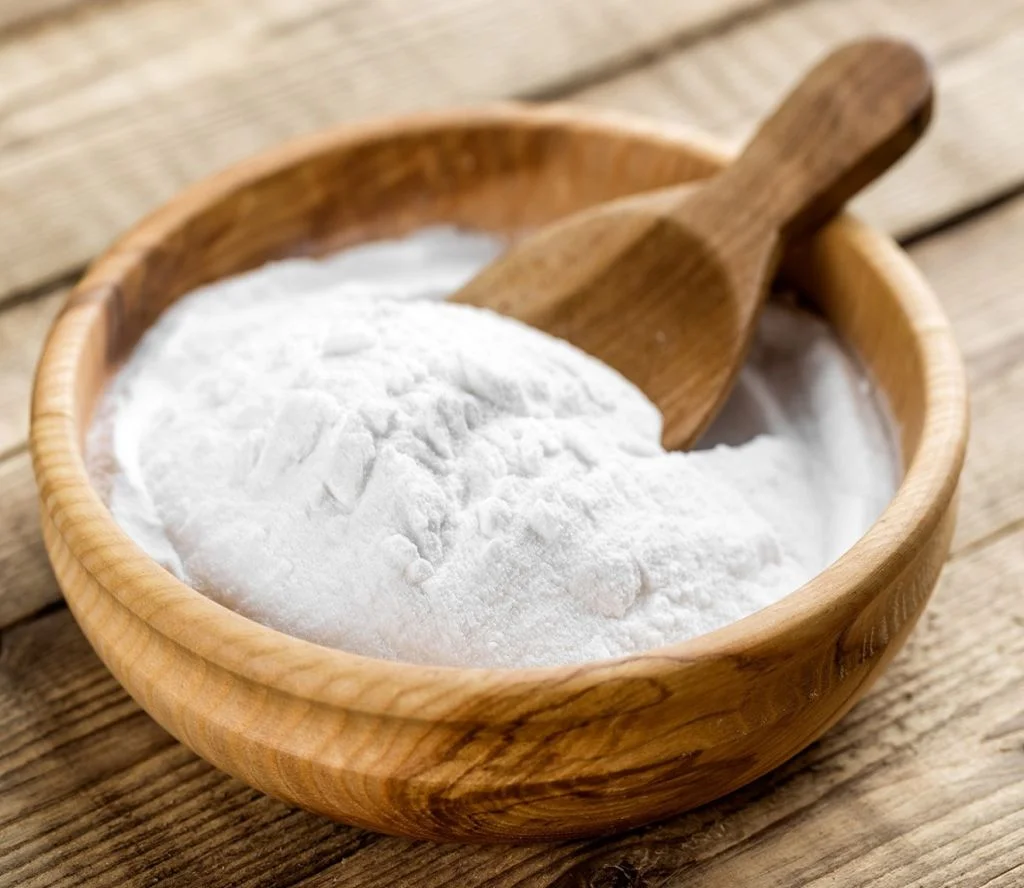
For a sauce or dressing manufacturer, consistency is not a luxury; it is the product. Customers expect the same pour, mouthfeel, appearance, and stability every time they open a bottle. That is why choosing the right Xanthan Gum Supplier for Sauces and Dressings – Stabilizer and Thickener deserves considerably more attention than simply comparing prices per kilogram.
For manufacturers evaluating reliable sourcing options, MT Royal can provide access to multiple brands at competitive prices, giving procurement teams greater flexibility when balancing technical specifications, supply availability, and commercial conditions. This is particularly valuable when xanthan gum becomes a critical component in a formulation and the factory cannot afford unpredictable raw-material performance.
Xanthan gum is used at relatively low concentrations, yet its influence can be enormous. A fraction of a percent can change viscosity, suspension, pourability, emulsion stability, and consumer perception. In industrial food production, that makes xanthan gum a small ingredient with a rather large job description.
LATAMARKO – Premium Spanish-Origin Cocoa Powder
Food industry raw materials – list of products
Food Ingredients Supplier in Türkiye for Manufacturers and Importers
What Is Xanthan Gum?
Xanthan gum is a microbial polysaccharide produced through fermentation and widely used as a food thickener, stabilizer, and rheology modifier.
It is particularly useful because it can generate significant viscosity at relatively low concentrations and performs effectively across a broad range of food-processing conditions.
In sauces and dressings, xanthan gum is commonly used to:
- Increase viscosity
- Improve suspension stability
- Reduce phase separation
- Control flow behavior
- Stabilize emulsions
- Improve mouthfeel
- Maintain ingredient distribution
- Support consistent pouring characteristics
Its functionality comes from its distinctive rheological behavior. Xanthan gum solutions can exhibit pseudoplastic or shear-thinning characteristics: they may be relatively viscous when at rest but become easier to flow when subjected to shear.
That property is extremely useful in bottled sauces.
A ketchup, salad dressing, marinade, or condiment needs to remain stable on the shelf but still come out of the bottle without requiring the customer to negotiate with it.
Why Xanthan Gum Matters in Sauces and Dressings
The technical challenge in sauces and dressings is rarely just “make it thicker.”
You may need the product to be:
- Stable during storage
- Easy to pump
- Easy to fill
- Resistant to separation
- Smooth during pouring
- Visually attractive
- Consistent from batch to batch
- Pleasant in the mouth
These objectives can sometimes conflict.
Increasing viscosity excessively can make a product difficult to pump or fill. Reducing xanthan gum may improve flow but allow particles to settle or oil and water phases to separate.
The correct formulation therefore depends on both ingredient functionality and process conditions.
This is why your Xanthan Gum Supplier for Sauces and Dressings – Stabilizer and Thickener should be evaluated according to application performance rather than catalog description alone.
How Xanthan Gum Functions as a Sauce Stabilizer
Suspension stability
Many sauces contain suspended ingredients such as herbs, spices, vegetable particles, seeds, or other insoluble components.
Without sufficient suspension support, these materials can gradually settle toward the bottom of the package.
Xanthan gum can increase the continuous-phase viscosity and provide useful suspension characteristics, helping maintain more uniform ingredient distribution.
Emulsion stability
Many dressings contain both oil and water phases. These naturally tend to separate unless the formulation and processing system provide sufficient stabilization.
Xanthan gum can contribute to emulsion stability by modifying the aqueous phase and improving the physical environment around dispersed droplets.
It is not, however, a universal substitute for an emulsifier. Depending on the formulation, other ingredients and processing conditions may still be required.
Freeze-thaw and storage behavior
Some food formulations experience temperature fluctuations during transportation and storage.
The performance of xanthan gum under changing conditions can be one reason formulators select it over certain alternative thickeners. Nevertheless, finished-product stability should always be validated under the actual expected storage conditions.
Xanthan Gum as a Thickener: Why Dosage Matters
One of the most common formulation mistakes is assuming that more xanthan gum simply means a better sauce.
It does not.
At excessive concentrations, xanthan gum can create:
- Excessive viscosity
- Stringiness
- Unpleasant mouthfeel
- Difficult pumping
- Filling problems
- Poor pourability
- A perception of “gumminess”
At insufficient concentrations, the opposite problems can occur:
- Phase separation
- Poor suspension
- Thin texture
- Sedimentation
- Inconsistent appearance
The optimal concentration depends on the complete formulation.
Factors such as sugar, salt, acid, oil, starch, protein, solids content, pH, and processing temperature can influence the final rheological behavior.
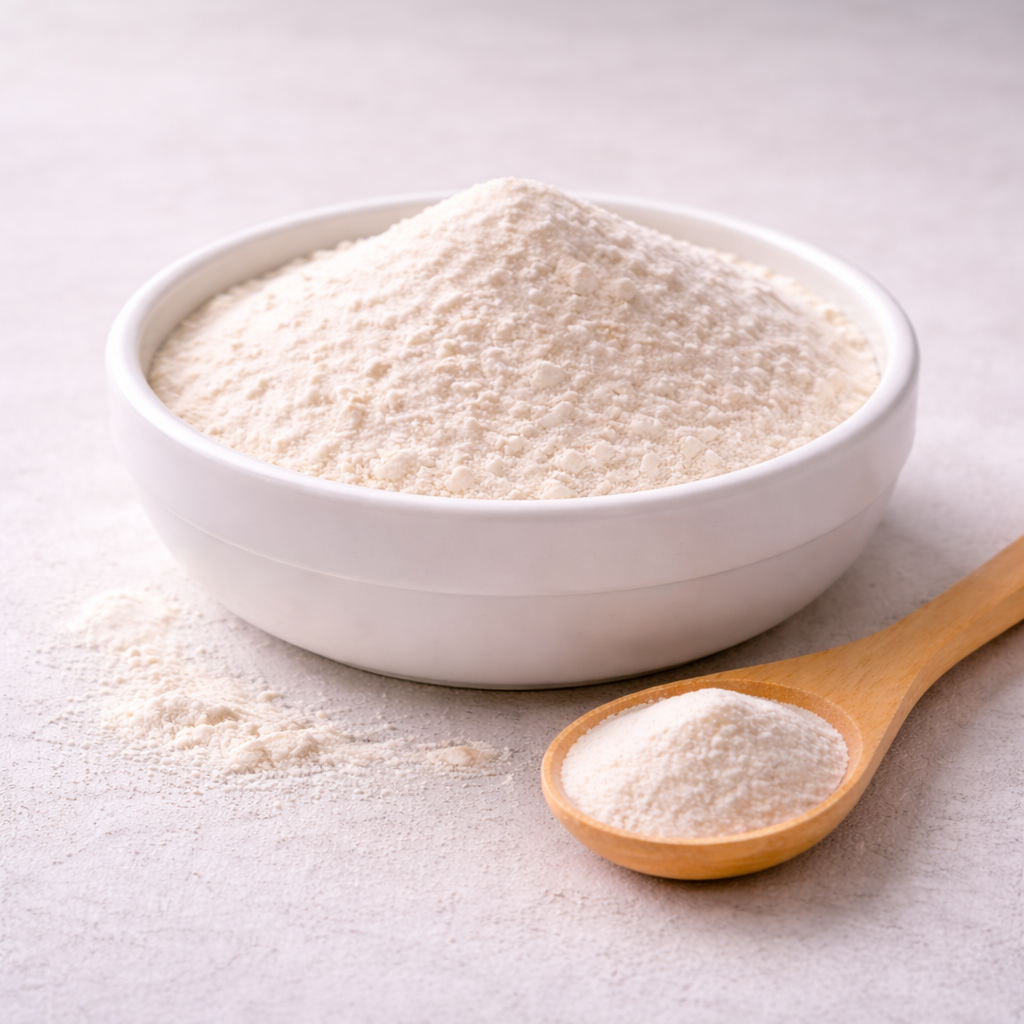
How to Choose a Xanthan Gum Supplier for Sauces and Dressings
A food manufacturer should qualify xanthan gum using a combination of technical, quality, and commercial criteria.
Food-grade specification
Confirm that the material is suitable for the intended food application and complies with the regulatory requirements of the target market.
Viscosity profile
“Xanthan gum” is not necessarily a single standardized performance product.
Different grades can exhibit different viscosity characteristics, particle sizes, hydration behavior, and application performance.
Your formulation team should therefore identify the functional grade needed for the product rather than buying purely according to the chemical name.
Microbiological quality
For food manufacturing, microbiological specifications are critical.
Review relevant documentation and establish incoming-quality requirements appropriate to your food-safety management system.
Particle size
Particle size can affect dispersion and hydration.
A powder that hydrates too rapidly can create lumping during mixing, while a formulation designed around a particular dispersion behavior may perform differently when a significantly different grade is introduced.
Documentation
A reliable supplier should provide appropriate documentation, such as:
- Certificate of Analysis
- Technical Data Sheet
- Food-grade documentation
- Allergen information where relevant
- Origin information
- Batch identification
- Shelf-life information
- Safety documentation where applicable
MT Royal’s ability to source multiple brands can be useful here because manufacturers can compare specifications and commercial options instead of automatically accepting whichever brand happens to be available.
Common Mistakes When Buying Xanthan Gum
Mistake 1: Selecting solely by price
Xanthan gum may be used at a low dosage, which can make buyers particularly sensitive to price.
However, a cheaper grade that requires a higher dosage or produces inferior texture may not actually reduce formulation cost.
Calculate the cost per finished batch, not merely the cost per kilogram.
Mistake 2: Assuming every xanthan gum behaves the same
This is perhaps the most important technical mistake.
Different grades may have different:
- Viscosity characteristics
- Hydration rates
- Particle sizes
- Microbiological profiles
- Manufacturing specifications
- Performance in specific formulations
If your factory changes suppliers, conduct a controlled comparison.
Mistake 3: Adding xanthan gum directly into water without considering dispersion
Xanthan gum can hydrate rapidly on contact with water, potentially creating lumps or “fish eyes” if it is not dispersed correctly.
Manufacturers may use pre-blending with dry ingredients, controlled addition, high-shear mixing, or other validated dispersion methods.
The appropriate technique depends on the formulation and equipment.
Mistake 4: Ignoring process shear
Xanthan gum is shear-sensitive in terms of apparent viscosity behavior. The viscosity observed in a laboratory beaker may not match the behavior experienced during industrial pumping and filling.
This is why pilot-scale and production-scale validation can be valuable.
Mistake 5: Changing the gum without changing the process
A different xanthan grade can have a different hydration profile.
If your existing process was optimized for one grade, simply replacing the ingredient and maintaining identical mixing time may produce a different result.
Industrial Applications of Xanthan Gum
A qualified xanthan gum supply can support many food categories.
Salad dressings
Xanthan gum can help maintain viscosity and suspension while allowing the dressing to remain pourable.
Ketchup and tomato sauces
It can contribute to body, consistency, and suspension of fine particles.
Barbecue sauces
Xanthan gum can help create the thick, cohesive texture expected in many commercial barbecue sauces.
Hot sauces
Acidic formulations can benefit from xanthan gum’s thickening and suspension properties, although formulation-specific testing remains essential.
Marinades
It can help maintain spice and particulate distribution and provide more uniform coating characteristics.
Reduced-fat dressings
When oil content is reduced, formulators may need additional strategies to preserve desirable mouthfeel and body. Hydrocolloids such as xanthan gum can be part of that strategy.
Xanthan Gum Dispersion in Large-Scale Production
For a high-volume factory, the way xanthan gum enters the process can be just as important as the grade purchased.
Dry blending
Pre-blending xanthan gum with another dry ingredient can improve dispersion and reduce the probability of localized hydration.
Controlled liquid addition
Some factories use controlled addition systems to gradually introduce the powder into a high-agitation liquid phase.
High-shear mixing
High-shear equipment can improve dispersion, but excessive shear may alter the process rheology temporarily or create other formulation issues.
Pre-hydration
Certain formulations may benefit from pre-hydrating xanthan gum under controlled conditions before the main ingredients are added.
There is no universal best method. Your formulation and equipment should determine the process.
Specialized Tips for Sauce and Dressing Manufacturers
Define rheology targets
Instead of specifying only “thick,” establish measurable parameters.
Depending on your quality system, this might involve:
- Brookfield viscosity
- Flow curve
- Yield stress
- Bostwick consistency
- Particle suspension
- Separation after defined storage periods
The exact test should reflect how consumers and production equipment experience the product.
Test at production temperature
A sauce may behave differently at 10°C, 20°C, and 40°C.
If your factory manufactures, stores, or transports products across a broad temperature range, evaluate performance accordingly.
Test the finished formulation
Do not approve a xanthan grade based only on a water solution.
A gum can behave differently when combined with:
- Acid
- Salt
- Sugar
- Oil
- Protein
- Starch
- Preservatives
- Flavor compounds
The finished sauce is the real laboratory.
Evaluate filling-line behavior
A formulation that looks perfect in the laboratory may create filling problems at industrial scale.
Monitor:
- Pump pressure
- Filling speed
- Nozzle performance
- Stringing
- Dripping
- Bottle fill accuracy
In our experience, a sauce that passes the laboratory test but refuses to cooperate with the filling machine is not actually finished.
Bulk Supply and Inventory Planning
A reliable Xanthan Gum Supplier for Sauces and Dressings – Stabilizer and Thickener should be able to support your production volume without creating unnecessary inventory pressure.
For bulk purchasing, consider:
Consumption rate
Calculate average monthly usage and seasonal fluctuations.
Lead time
Determine how long it takes from purchase order to warehouse receipt.
Safety stock
Set safety stock according to consumption variability and supply risk rather than using an arbitrary number of days.
Packaging
Common packaging options can include bags and larger industrial formats. Select packaging according to warehouse conditions and your dosing system.
Shelf life
Avoid purchasing significantly more material than your factory can reasonably consume within its approved storage period.
Food Safety and Quality Assurance
Xanthan gum is a food ingredient, so supplier qualification should fit into the factory’s broader food safety management system.
Your quality team may evaluate:
- Identity
- Purity
- Microbiological criteria
- Moisture
- Viscosity
- Heavy metals or other contaminants where applicable
- Allergen status
- GMO status where relevant
- Regulatory compliance
- Batch traceability
Documentation should be retained according to your quality-management requirements.
If your factory is certified under a recognized food-safety scheme, supplier approval should also align with the applicable requirements of that system.
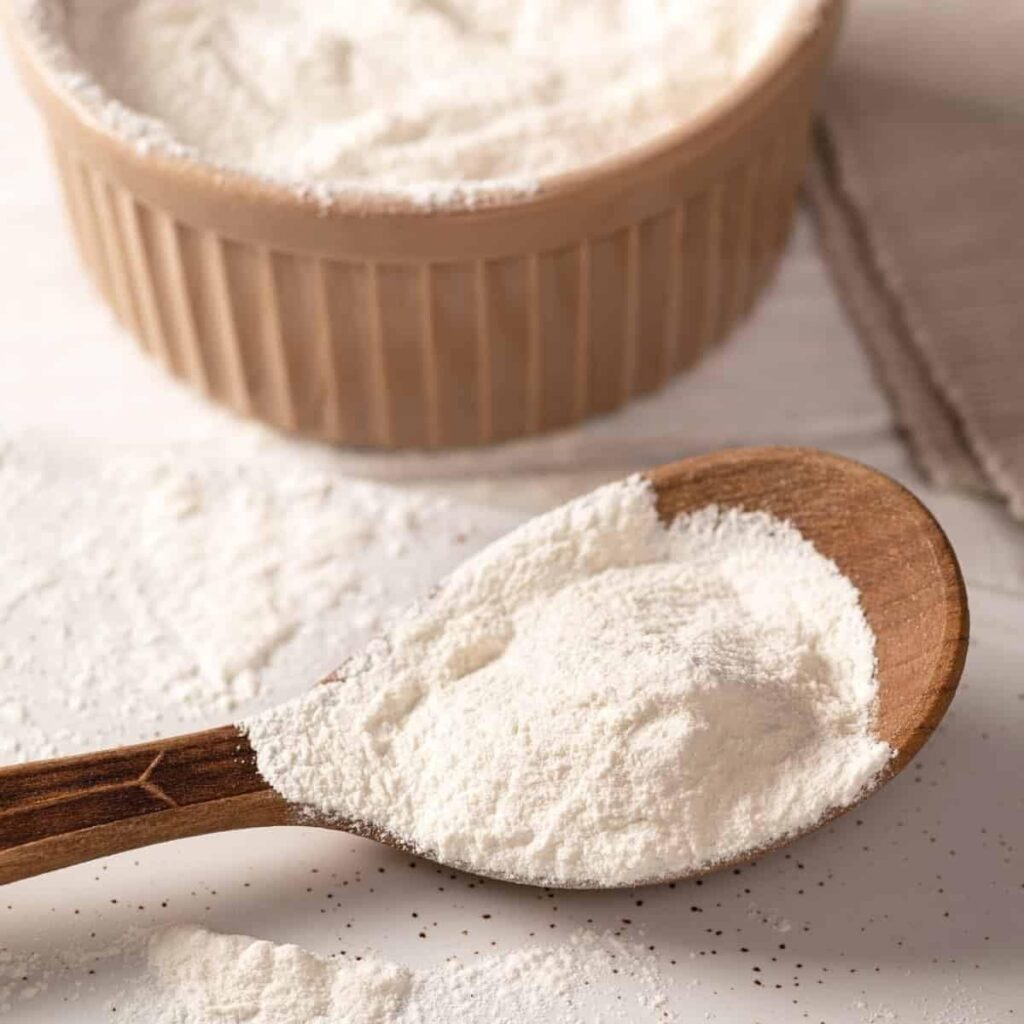
Emerging Trends in Xanthan Gum Sourcing
Food manufacturers are facing increasing pressure to improve formulation efficiency while maintaining recognizable ingredient systems and consistent sensory quality.
Several trends are influencing xanthan gum procurement.
Clean-label formulation
Consumers continue to pay attention to ingredient lists, although “clean label” has no single universal technical definition. Manufacturers are therefore increasingly evaluating hydrocolloids based on both functionality and labeling expectations in their target markets.
Lower-fat formulations
As manufacturers reformulate products to reduce fat, sodium, sugar, or calories, texture can become more difficult to maintain. Hydrocolloid systems can help compensate for changes in formulation structure.
Supplier diversification
Global logistics have encouraged factories to qualify alternative brands and sources for critical ingredients.
MT Royal’s multiple-brand sourcing model can support this approach by giving procurement teams access to alternative commercial options while allowing technical teams to evaluate each grade before approval.
Precision formulation
Modern production increasingly emphasizes reproducibility. Instead of saying that a sauce should be “thick enough,” manufacturers are defining measurable rheological and physical targets.
This is a major improvement because measurable targets are easier to reproduce, audit, and troubleshoot.
Frequently Asked Questions
What does xanthan gum do in sauces?
It primarily acts as a thickener and stabilizer. It can increase viscosity, improve suspension, support emulsion stability, and help create consistent flow properties.
How much xanthan gum is needed?
There is no universal dosage. The appropriate amount depends on the sauce or dressing formulation, desired viscosity, other hydrocolloids, processing conditions, and regulatory requirements. Formulation trials should establish the correct level.
Can xanthan gum prevent oil and water separation?
It can contribute to emulsion stability by increasing the viscosity of the continuous phase, but it is not necessarily a complete emulsification system. The final result depends on the full formulation and processing method.
Why does xanthan gum sometimes make a sauce slimy?
Excessive dosage or an unsuitable grade can produce an overly thick, stringy, or gummy sensory profile. Optimization should consider both viscosity measurements and sensory evaluation.
Can different xanthan gum brands be substituted?
Potentially, but they should not be assumed to be identical. Compare specifications and conduct application testing before making a production change.
How should factories compare xanthan gum prices?
Compare the cost per finished product or per functional result rather than only the purchase price per kilogram. Dosage, viscosity grade, shipping, waste, and supply reliability all affect actual cost.
Why work with MT Royal?
MT Royal can offer access to multiple brands at competitive prices, allowing manufacturers to compare alternatives according to technical performance, availability, and commercial terms. The selected product should still undergo the factory’s own qualification process.
Choosing the Right Supplier for Long-Term Production
A successful Xanthan Gum Supplier for Sauces and Dressings – Stabilizer and Thickener relationship should give your factory confidence in three areas: the material will meet specification, the supply will remain dependable, and the economics will make sense as production grows.
That requires more than a competitive quotation.
You need consistent batches, suitable viscosity characteristics, dependable documentation, appropriate packaging, and responsive communication. You also need a supplier capable of offering alternatives when market conditions change.
We recommend treating xanthan gum as a formulation-critical ingredient even when its dosage is relatively small. Its influence on viscosity and stability means that an apparently minor change can affect the entire production system, from mixing through filling to consumer use.
MT Royal’s access to multiple brands can help manufacturers build a more flexible sourcing strategy. Instead of asking only which product has the lowest price, your procurement and technical teams can compare grades based on actual formulation requirements.
The most successful sauce factories understand an important distinction: thickness is a number, but texture is a system.
The right xanthan gum does more than make a sauce thicker. It helps control how that sauce behaves in the tank, through the pump, inside the bottle, on the plate, and ultimately in the customer’s hands.
That is why supplier selection deserves engineering-level attention. When your hydrocolloid supply is consistent, your formulation becomes easier to control, your production becomes easier to repeat, and your finished product has a much better chance of delivering the same experience batch after batch.

No comment