

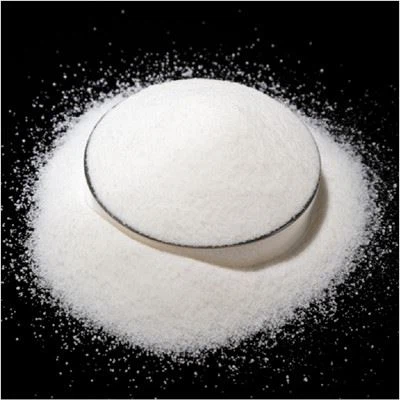
When your factory’s production lines depend on consistent emulsification, phase stability, and texture performance, the choice of raw materials isn’t a trivial administrative task — it is a strategic decision that affects product quality, process efficiency, and regulatory compliance. Sorbitan Monolaurate E493 Bulk is one such functional ingredient that quietly plays a powerful role in industrial formulations, yet is often under‑discussed outside of technical teams despite its significance in bakery, confectionery, dairy blends, and specialty emulsions. If you are responsible for procurement, quality assurance, or formulation development, understanding how to source, specify, and implement E493 in high‑volume production is foundational to operational success.
At MT Royal, we collaborate with manufacturers across diverse sectors, assisting them in sourcing key ingredients that need to perform under pressure — not just on paper, but in real industrial environments. In our collaboration with various factories, we have seen that selecting the right Sorbitan Monolaurate E493 Bulk supplier ensures not only reliable delivery and competitive pricing but also robust documentation, supply chain stability, and technical support. Whether you’re refining a current formulation or evaluating alternative emulsification strategies, this guide will equip you with the insights needed to make strategic, confident decisions.
This article unfolds in a logical, practical flow: from fundamental definitions and functional performance to common sourcing mistakes, practical comparisons, industrial production tips, answers to your team’s most frequent questions, and a thought‑provoking closing that helps advance your operational goals.
Sorbitan Esters Supplier in Türkiye
Sorbitan Esters Emulsifier (E491–E495) – Fine Organics Exporter
What Is Sorbitan Monolaurate E493? Definitions and Fundamental Concepts
Chemical Identity and Functional Classification
Sorbitan Monolaurate is a non‑ionic surfactant and food emulsifier known by its additive code E493 in regulatory systems such as the European Union’s food additive numbering. It belongs to the class of sorbitan esters derived from sorbitol and lauric acid. The resulting molecule exhibits amphiphilic properties — meaning it contains both hydrophilic (water‑attracting) and lipophilic (oil‑attracting) regions — enabling it to effectively position itself at interfaces between immiscible phases such as oil and water.
This structural feature defines E493’s functional behavior: it reduces interfacial tension, stabilizes dispersed systems, and supports uniform texture development in complex formulations.
The Role of E493 in Industrial Formulations
In high‑volume manufacturing, Sorbitan Monolaurate E493 is often chosen for its ability to:
- Stabilize water‑in‑oil (W/O) and oil‑in‑water (O/W) emulsions
- Assist in controlled fat crystallization
- Enhance texture and mouthfeel
- Mitigate phase separation during storage and distribution
- Improve freeze–thaw and heat cycling resilience
These functionalities are especially valuable in bakery fats, margarine, compound coatings, icings, frozen desserts, dressings, and sauces — categories where product performance is closely tied to consumer perception and process consistency.
Why Sorbitan Monolaurate E493 Bulk Matters to Your Factory
Functionally, E493 supports several critical aspects of large‑scale manufacturing:
1. Emulsification and Interface Control
In an industrial setting, achieving stable emulsions across variable processing conditions — from high‑shear mixing to thermal cycling — is a common challenge. Sorbitan Monolaurate acts as a surface‑active agent, aligning at the oil–water boundary to prevent coalescence and maintain uniform dispersion. For products like compound coatings that travel long conveyor distances and face temperature fluctuations, this stability translates to fewer quality deviations downstream.
2. Enhanced Texture and Product Performance
Texture isn’t an abstract sensory target; it is a measurable functional outcome impacted by ingredient interactions. E493 contributes to smooth, consistent mouthfeel in freeze‑thaw products and balanced fat distribution in bakery applications. When your production line transitions between batches of different formats, a dependable emulsifier like Sorbitan Monolaurate helps maintain uniform quality.
3. Shelf Stability and Consumer Confidence
Phase separation, oil leakage, and texture breakdown during refrigerated or ambient storage can lead to returns and eroded brand trust. E493’s stabilization profile supports extended shelf integrity, helping products withstand environmental stressors encountered in warehousing and retail distribution.
4. Regulatory Acceptance and Global Compatibility
Sorbitan Monolaurate E493 is approved under many global food additive frameworks, including EU, FDA, and Codex Alimentarius systems. Your choice of bulk supplier affects not only functional performance but also the compliance documentation that enables smooth audits, labeling clarity, and cross‑border distribution.
Common Mistakes in Sourcing E493 Bulk
Even experienced procurement teams can fall into avoidable traps when sourcing technical emulsifiers. Recognizing these pitfalls helps strengthen your supply strategy.
Mistake #1: Choosing Based on Price Alone
A low purchase price can be tempting, but when functional performance dips, your factory may respond with:
- Higher usage rates to achieve emulsification goals
- Additional stabilizers to compensate
- Higher waste due to inconsistent batches
- Increased downtime for troubleshooting
Total Cost of Ownership (TCO) should encompass not only price but performance consistency, documentation support, delivery reliability, and impact on throughput.
Mistake #2: Accepting Generic Documentation
Generic COAs without batch traceability or functional test results provide insufficient assurance in regulated contexts. Your QA team should receive:
- Batch‑specific Certificates of Analysis
- Phospholipid or fatty acid profile data where applicable
- Traceability and provenance documentation
- Regulatory compliance statements relevant to your markets
Without these, audit teams may flag ingredients, leading to production limbo or regulatory reviews.
Mistake #3: Assuming All Emulsifiers Behave Identically
Sorbitan Monolaurate differs from other emulsifiers such as:
- Polyglycerol esters (e.g., E475)
- Sorbitan monostearate (E491)
- Lecithin
- Mono‑ and diglycerides (E471)
Each has distinct hydrophilic–lipophilic balance (HLB) values and functional profiles. Substituting one for another without validation can lead to phase instability or texture inconsistency.
Mistake #4: Overlooking Supply Chain Risk Factors
Market disruptions — from feedstock volatility to port congestion — can delay deliveries. Factories that lack a proactive sourcing plan may experience:
- Production stoppages
- Unplanned overtime
- Last‑minute air shipments
- Compromised inventory buffers
A robust Sorbitan Monolaurate E493 Bulk strategy anticipates volatility and integrates mitigation measures.
Comparisons and Practical Evaluation Tools for Manufacturers
To support formulation and sourcing decisions, here’s a practical comparison of E493 with related emulsifier options:
| Emulsifier | Typical Function | Best‑Fit Applications | HLB Range | Notes |
|---|---|---|---|---|
| Sorbitan Monolaurate E493 | Oil‑in‑water and water‑in‑oil emulsification | Compound coatings, bakery fats, frozen products | Low‑to‑Moderate | Strong for stable emulsions, heat/ freeze cycles |
| Sorbitan Monostearate E491 | W/O emulsions, dough conditioners | Bakery, coatings | Low | Excellent fat crystal control |
| Polyglycerol Esters E475 | O/W & W/O | Bakery, dressings, desserts | Adjustable | Very versatile, broad HLB options |
| Mono‑ & Diglycerides E471 | Dough handling, aeration | Bread, cakes | Moderate | Commonly used with proteins |
| Lecithin | General emulsification | Chocolate, confectionery | Broad | Allergen considerations |
These comparisons help you align ingredient choice with functional performance targets rather than generic descriptions.
Industrial Tips for Large‑Scale Production
Achieving consistent performance with Sorbitan Monolaurate E493 at scale requires careful attention to production details. Below are advanced industrial tips derived from experience with high‑throughput environments.
Tip #1: Define Functional Targets First
Instead of specifying only purity or chemical composition, define performance benchmarks such as:
- Emulsion stability over temperature range
- Droplet size distribution in finished product
- Viscosity behavior under shear
- Freeze–thaw resilience
These metrics bridge functional expectations with measurable performance.
Tip #2: Validate Supplier Documentation Against Factory Data
Even with detailed certificates from a supplier, your QA team should cross‑check:
- Fatty acid profiles
- HLB measurements
- Thermal stability curves
These cross‑validations ensure ingredient behavior matches your internal standards and process conditions.
Tip #3: Optimize Addition Points and Mixing Sequences
Where and when you introduce E493 in your production flow affects dispersion and stability. Best practices include:
- Early integration during fat hydration or aqueous phase combination
- Controlled shear mixing to maximize emulsifier orientation
- Temperature control to support interfacial layer formation
Process engineers should test variations within pilot or semi‑commercial runs.
Tip #4: Monitor Stability Over Realistic Environmental Stressors
Products encounter multiple stressors post‑production — ambient storage, refrigerated conditions, temperature swings during transport. Establish accelerated stability tests for:
- Heat cycling
- Freeze–thaw cycles
- Extended storage at target humidity conditions
These stress tests reveal weaknesses before products reach the market.
Tip #5: Plan Supply Forecasting With Your Exporter
Long‑range planning prevents last‑minute scrambling. Share multi‑quarter forecasts with your Sorbitan Monolaurate E493 Bulk exporter, and review material availability as part of quarterly supply‑chain alignment meetings.
Frequently Asked Questions from Factory Managers and Procurement Teams
What Are Typical Usage Levels for E493 in Industrial Applications?
Usage depends on product type and functional needs, but general ranges include:
- Compound coatings: 0.2–0.8%
- Bakery fats and dough conditioners: 0.5–1.5%
- Frozen desserts: 0.1–0.5%
- Sauces and dressings: 0.2–1.0%
Always verify usage levels through pilot trials tailored to your specific formulation.
How Should Sorbitan Monolaurate E493 Be Stored in Bulk?
Best storage practices include:
- Cool, dry conditions: Minimizes moisture uptake and oxidation
- Sealed containers: Protects against contamination
- FIFO inventory rotation: Ensures proper lot usage
- Controlled humidity: Prevents caking or degradation
Proper storage safeguards functional performance and reduces waste.
What Documentation Should an Exporter Provide?
At minimum, request:
- Batch‑specific Certificate of Analysis
- Material Safety Data Sheet (MSDS)
- Traceability or provenance record
- Regulatory compliance statements
- Allergen declarations if relevant
This suite of documents supports QA verification and regulatory audits.
Is E493 Recognized Globally?
Yes. Sorbitan Monolaurate E493 is approved under major food additive regulations globally, including EU, US (FDA GRAS context), and Codex standards, though labeling requirements differ by jurisdiction.
Can E493 Replace Other Emulsifiers?
Depending on formulation and functionality needs, E493 may replace or complement other emulsifiers. However, substitution should always be validated in pilot or controlled testing to avoid unexpected effects on texture, stability, or processing behavior.
Emerging Trends Impacting Emulsifier Use in Industrial Manufacturing
Trend 1: Rising Demand for Multi‑Functional Ingredients
Manufacturers increasingly value ingredients that deliver dual or multi‑functional benefits — such as texture enhancement plus stability under thermal challenge. Sorbitan Monolaurate’s performance across these axes positions it well in current formulation strategies.
Trend 2: Scrutiny on Clean Labels and Transparency
Clean‑label initiatives and consumer scrutiny of additive lists push manufacturers to emphasize transparency, traceability, and source clarity — issues your supplier should be prepared to support.
Trend 3: Increased Use of Analytical Quality Control Tools
Factories with advanced QC capabilities use tools like differential scanning calorimetry (DSC) and particle size analysis to quantify functional emulsifier behaviors, tightening feedback loops between formulation and performance.
Trend 4: Supply Chain Resilience and Strategic Sourcing
Global logistics volatility pushes manufacturers to diversify supplier bases, plan buffer inventories, and develop collaborative forecasting practices with bulk exporters to protect against disruption.
Strategic Considerations for Sourcing E493 Bulk
Choosing the right Sorbitan Monolaurate E493 Bulk partner is about anchoring your factory’s needs to proven supplier capabilities:
- Performance consistency over time
- Robust documentation and traceability
- Regulatory compliance for target markets
- Supply chain resilience and lead time predictability
- Technical support and collaborative alignment
At MT Royal, we engage with manufacturers who demand clarity, reliability, and performance. Our approach is consultative — helping your team map technical requirements to supplier capabilities efficiently.
Great ingredient sourcing is more than a transaction. It is a strategic relationship that underpins product quality, process efficiency, and regulatory readiness. Your choice of Sorbitan Monolaurate — and the exporter you trust — reflects that investment in operational excellence.



No comment