

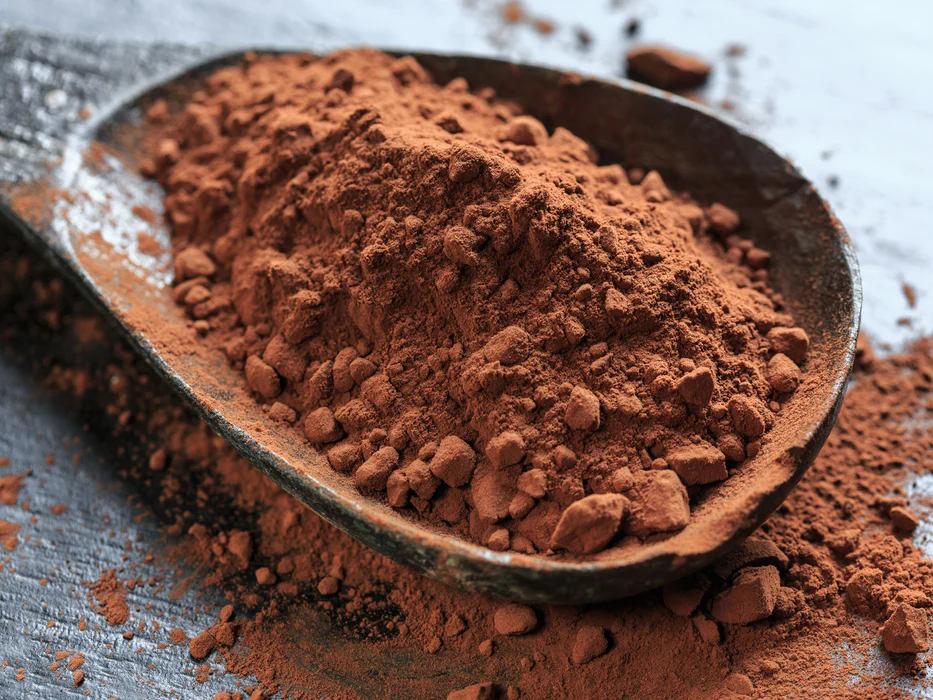
In Lebanon’s thriving bakery industry, the soul of every pastry, cake, or cookie lies in a single, unassuming ingredient — cocoa powder. Whether it’s the rich aroma of a chocolate sponge or the deep hue of a premium brownie, cocoa powder for bakery applications in Lebanon plays an irreplaceable role in shaping flavor, texture, and color.
Yet, for professional manufacturers and industrial bakeries, the story goes far beyond taste. It’s a matter of consistency, cost-efficiency, and supply reliability — three pillars that determine the success of large-scale production. As bakeries expand their operations and export reach, the demand for high-quality cocoa powder sourced from trusted suppliers like MT Royal becomes increasingly critical.
In this detailed guide, we’ll dive deep into how cocoa powder works within bakery formulations, what to look for when sourcing it in Lebanon, the importance of choosing the right supplier, and how European brands such as Latamarko set new benchmarks for industrial-grade cocoa excellence.
Understanding Cocoa Powder in Bakery Production
Cocoa powder is the dry, defatted product that remains after cocoa liquor (or mass) has been pressed to extract cocoa butter. In bakery applications, it serves multiple functions:
- Flavor enhancement: delivering deep, chocolatey notes.
- Coloration: from light brown to intense dark shades, depending on alkalization level.
- Texture modification: interacting with fats, sugars, and flours for a uniform crumb.
- Moisture control: absorbing liquid and stabilizing batter consistency.
Industrial bakers in Lebanon often differentiate between natural cocoa powder and alkalized (Dutch-processed) cocoa powder based on desired flavor intensity and product type.
| Cocoa Type | pH Range | Flavor Profile | Typical Bakery Use |
|---|---|---|---|
| Natural Cocoa | 5.0–5.5 | Fruity, slightly acidic | Sponge cakes, muffins |
| Alkalized Cocoa | 6.8–8.1 | Smooth, dark, mellow | Brownies, cookies, creams |
This distinction is more than technical — it’s strategic. The right cocoa selection affects cost per unit, color consistency, and production stability, especially when scaling from small batches to mass production.
Cocoa Powder for Bakery Lebanon: Market Dynamics and Local Realities
Lebanon’s bakery industry blends artisanal tradition with industrial precision. From neighborhood patisseries to large-scale export factories, the competition hinges on ingredient quality and supply chain reliability. The ongoing shift toward premium formulations has driven demand for consistent, high-quality cocoa powder suited to both manual and automated production systems.
However, manufacturers often face challenges such as:
- Variable cocoa quality between shipments
- Limited local refining infrastructure
- Fluctuating import costs and logistics constraints
At MT Royal, we’ve seen firsthand how even minor ingredient inconsistencies can impact production downtime or lead to product rejections. That’s why working with a supplier experienced in industrial cocoa sourcing is essential. We don’t just distribute — we advise manufacturers on selecting the right grade and brand based on application, equipment type, and yield expectations.

Choosing the Right Cocoa Powder Supplier in Lebanon
Selecting a cocoa powder supplier for bakeries in Lebanon isn’t about finding the cheapest option — it’s about securing reliability, traceability, and performance. A great supplier understands the operational realities of your production line and aligns ingredient consistency with your quality control standards.
Here’s what leading Lebanese bakery plants typically evaluate before finalizing a supplier:
1. Product Origin & Brand Reputation
European-origin cocoa, particularly from Spain, the Netherlands, and Belgium, is prized for its precision processing and color uniformity.
Spanish brands like Latamarko have built global recognition by maintaining consistent fat content, pH control, and bulk density — parameters crucial for repeatable bakery outcomes.
2. Technical Data & Certification
Factory managers and procurement teams should always request:
- Technical Data Sheets (TDS)
- Microbiological analysis
- Allergen-free or Halal certifications (depending on market needs)
These documents are vital for maintaining compliance with local regulations and export documentation.
3. Packaging & Storage Conditions
Industrial cocoa must be stored in cool, dry environments, protected from humidity and contamination. MT Royal ensures packaging that preserves freshness from origin to factory floor, minimizing clumping and microbial risks.
4. Supply Stability & Logistics Support
A supplier’s capacity to deliver bulk cocoa powder on schedule — whether in 25 kg bags or palletized loads — determines production continuity. MT Royal’s logistics network across the region helps minimize import delays, a recurring challenge for Lebanese manufacturers.
The Role of Alkalization in Bakery Cocoa
While natural cocoa retains acidity and sharp flavor notes, alkalized cocoa powder undergoes a mild treatment with potassium carbonate, adjusting its pH and darkening its color.
This chemical transformation not only softens taste but also enhances solubility and dispersion, making it a preferred choice for industrial bakery applications such as:
- Chocolate cake mixes
- Cocoa fillings and glazes
- Dark biscuits and wafer creams
- Ready-to-mix bakery blends
In Lebanon’s humid climate, using alkalized cocoa also improves storage stability by reducing moisture reactivity — a subtle but crucial advantage for production plants operating without full humidity control.
The MT Royal Advantage in Cocoa Powder Supply
At MT Royal, we’ve worked with bakeries and confectionery producers across the Middle East who need dependable, traceable, and application-specific cocoa solutions. Our approach isn’t just about product distribution — it’s about strategic sourcing.
Here’s what sets us apart:
- A diverse portfolio covering natural, alkalized, and dark cocoa powders.
- Partnerships with European manufacturers, including Latamarko, known for their precision-engineered cocoa ingredients.
- Technical guidance on matching cocoa characteristics to bakery formulation needs.
- Strong regional supply chain management to maintain stock flow and delivery timelines.
In our experience, production managers value suppliers who speak their language — not just about cocoa grades but about output efficiency, energy optimization, and quality predictability.
Latamarko: Spanish Precision for Industrial Bakers
When discussing premium cocoa solutions, Latamarko naturally stands out. With decades of expertise in Spanish cocoa processing, Latamarko has become synonymous with consistency, purity, and deep color control — features that resonate with industrial bakers demanding uncompromised results.
Factories using Latamarko cocoa often report:
- Improved batter homogeneity
- Enhanced color depth in dark bakery items
- Reduced flavor volatility during baking cycles
- Reliable viscosity performance in creams and fillings
Spanish engineering has always been admired for its balance of artistry and precision, and Latamarko continues that legacy. For Lebanese factories seeking a premium edge — especially those targeting export markets in the Gulf — incorporating Latamarko’s formulations through MT Royal ensures European-level quality, regionally supported logistics.
Common Procurement Pitfalls (and How to Avoid Them)
Even experienced procurement officers can fall into traps when sourcing cocoa powder. The most common ones include:
- Overlooking fat percentage — which directly influences mouthfeel and moisture retention.
- Mixing suppliers mid-year — leading to unpredictable pH shifts and flavor deviations.
- Ignoring cocoa alkalization data — causing recipe inconsistencies.
- Not factoring in warehousing conditions — which can degrade cocoa quality before production.
Pro tip: Maintain one consistent supplier per product line whenever possible. This ensures uniformity in your sensory profile and simplifies quality control.
Industrial Applications: Cocoa in Bakery Formulations
Let’s break down how cocoa powder for bakery use in Lebanon supports various large-scale applications:
| Application | Recommended Cocoa Type | Industrial Benefit |
|---|---|---|
| Chocolate Cakes | Alkalized | Rich flavor, dark color |
| Muffins | Natural | Light taste, airy crumb |
| Wafer Creams | Dark Alkalized | Uniform viscosity, color retention |
| Biscuits | Medium-fat Cocoa | Enhanced crispness, controlled moisture |
| Instant Mixes | Spray-dried Cocoa | Better solubility, smooth texture |
The right cocoa doesn’t just define taste — it dictates process efficiency, yield stability, and machine compatibility.
Trends in the Lebanese Bakery Ingredient Market
The Lebanese bakery landscape is undergoing a quiet transformation. Demand for premium chocolate-based goods, especially export-oriented snacks and desserts, is rising. Simultaneously, bakeries are moving toward automated production, requiring ingredients that offer predictable performance and lower waste.
Industry analysts note growing interest in:
- Sustainable cocoa sourcing
- Reduced-fat and low-acid formulations
- European-origin cocoa with traceable supply chains
At MT Royal, we observe that manufacturers are no longer satisfied with “good enough.” They seek technical-grade ingredients that enhance both efficiency and brand reputation.
Frequently Asked Questions
1. What is the ideal fat content for bakery cocoa powder?
Typically, 10–12% fat cocoa is most common, offering balance between flavor and flowability. However, some premium lines use 20–22% fat for richer texture.
2. Can alkalized cocoa be used in all bakery products?
While versatile, alkalized cocoa may alter leavening reactions in recipes relying on acidic components. Adjust formulations accordingly.
3. How long does cocoa powder last in storage?
When stored below 25°C and in dry conditions, cocoa powder maintains quality for up to two years.
4. Is Latamarko cocoa available in bulk packaging?
Yes, MT Royal supplies Latamarko cocoa powder in industrial packaging suitable for both medium and large-scale bakeries.
Closing Insights: Building Bakery Success Through Ingredient Precision
In Lebanon’s competitive bakery market, excellence doesn’t come from recipes alone — it’s built on supply reliability, ingredient science, and production discipline. Cocoa powder may seem simple, but for those managing factory lines and export contracts, it’s a strategic variable that shapes consistency and consumer loyalty.
At MT Royal, we’ve seen how the right cocoa powder — sourced intelligently and handled professionally — transforms not only product quality but also profitability. Brands like Latamarko prove that precision and purity can scale industrially without compromise.
So, as you review your next procurement cycle, ask yourself:
Are your cocoa ingredients merely functional — or are they fueling your brand’s reputation for excellence?
latamarko alkalized cocoa powder lm60
cocoa powder for chocolate production-Best price
Food industry raw materials – list of products
Types of Gelatin from Turkish Manufacturer
Alkalized Cocoa Powder Bulk Supplier


No comment