

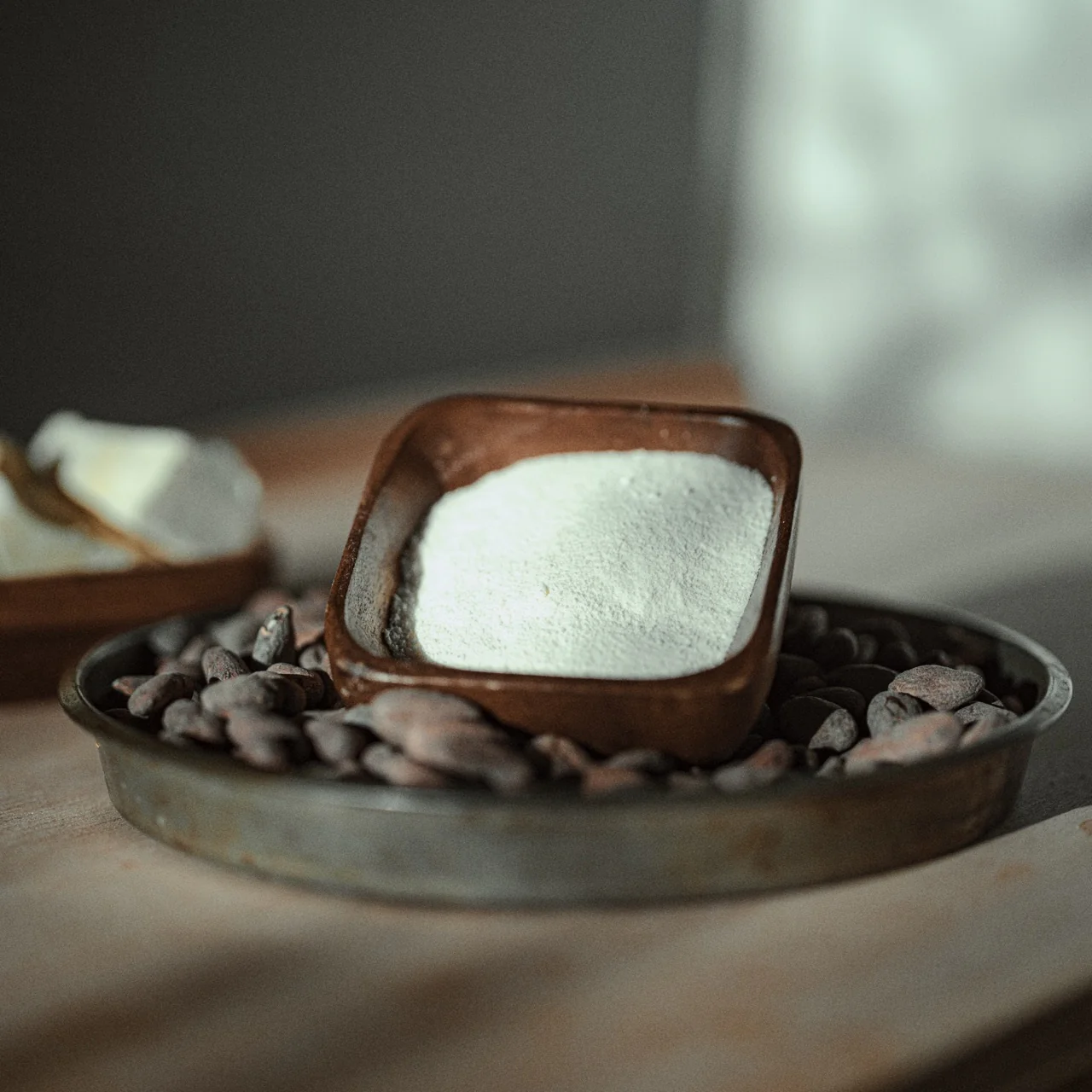
For confectionery manufacturers, selecting the right dairy ingredients can determine the difference between an ordinary product and a premium product that customers remember. MT Royal helps factories access high-quality Milk Powder for Confectionery from multiple trusted brands at competitive prices, allowing manufacturers to choose solutions that match their production requirements, product quality targets, and supply chain needs. In an industry where texture, flavor, appearance, and consistency define success, selecting the correct milk powder is not just a purchasing decision; it is a key factor in building reliable confectionery production.
Modern confectionery factories operate in a highly competitive environment. Consumers expect chocolates, caramels, fillings, toffees, creams, and milk-based sweets to deliver rich flavor and smooth texture every time. Behind these expectations is a carefully balanced formulation where sugar, cocoa ingredients, fats, emulsifiers, flavors, and dairy components must work together. Among these ingredients, Milk Powder for Confectionery has a special role because it enhances dairy flavor, improves mouthfeel, supports texture development, and contributes to the overall quality of finished products.
For industrial producers, understanding the technical characteristics of milk powder is essential. A suitable milk powder can improve processing efficiency and product stability, while an unsuitable option may create challenges during mixing, cooking, molding, or storage. We have seen in our collaboration with different food manufacturers that ingredient selection often has a direct impact on production efficiency and market performance.
What Is Milk Powder for Confectionery?
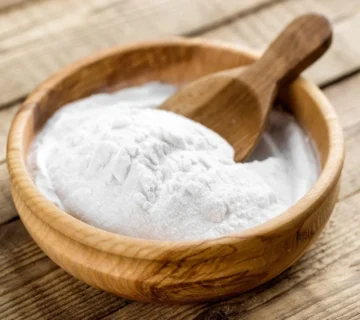
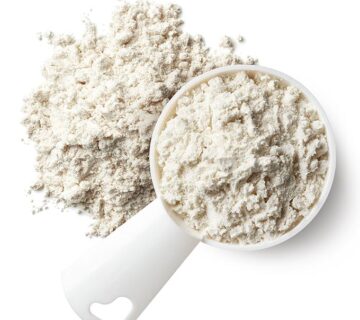
Milk Powder for Confectionery is a processed dairy ingredient created by removing moisture from milk while preserving valuable components such as milk proteins, lactose, minerals, and, depending on the type, milk fat. It is widely used in confectionery manufacturing because it provides concentrated dairy characteristics in a stable and easy-to-handle form.
Unlike liquid milk, milk powder offers significant advantages for industrial production:
- Longer shelf life
- Easier transportation and storage
- Consistent composition
- Better inventory management
- Reduced dependency on refrigerated supply chains
For confectionery factories producing large volumes, these advantages are extremely important. Production schedules depend on reliable raw materials, and even small variations in ingredient quality can influence final product characteristics.
Milk powder is not simply a flavor ingredient. It performs multiple technical functions within confectionery formulations. It can affect viscosity, creaminess, crystallization behavior, color development, and sensory perception.
LATAMARKO LM60 – Premium Spanish-Origin Cocoa Powder
latamarko alkalized cocoa powder lm60
cocoa powder for chocolate production-Best price
Food industry raw materials – list of products
Why Milk Powder Is Important in Confectionery Manufacturing
The role of Milk Powder for Confectionery extends far beyond adding a dairy taste. It contributes to the physical and chemical properties that determine product quality.
Enhancing Dairy Flavor and Creaminess
Many confectionery products rely on a rich dairy profile to create a premium consumer experience. Milk powder provides concentrated milk flavor without adding large amounts of liquid.
In products such as milk chocolate, caramel, nougat, fudge, and creamy fillings, dairy solids contribute to a smoother and more satisfying taste.
Improving Texture and Mouthfeel
Texture is one of the most important characteristics in confectionery. Consumers immediately notice whether a chocolate filling feels smooth, whether caramel is creamy, or whether a milk candy has the right softness.
Milk proteins interact with fats and sugars to create a balanced structure. This helps manufacturers achieve:
- Creamier texture
- Better consistency
- Improved product stability
- More pleasant mouthfeel
Supporting Color Development
During heating processes, milk components participate in the Maillard reaction, which contributes to attractive golden and caramelized colors.
This is particularly valuable in products such as:
- Caramel candies
- Toffee products
- Milk-based sweets
- Bakery-confectionery combinations
Increasing Nutritional Value
Consumers are increasingly interested in products containing recognizable nutritional ingredients. Dairy powders contribute proteins, calcium, and other naturally occurring milk nutrients.
This makes them valuable for manufacturers developing premium or nutrition-focused confectionery products.
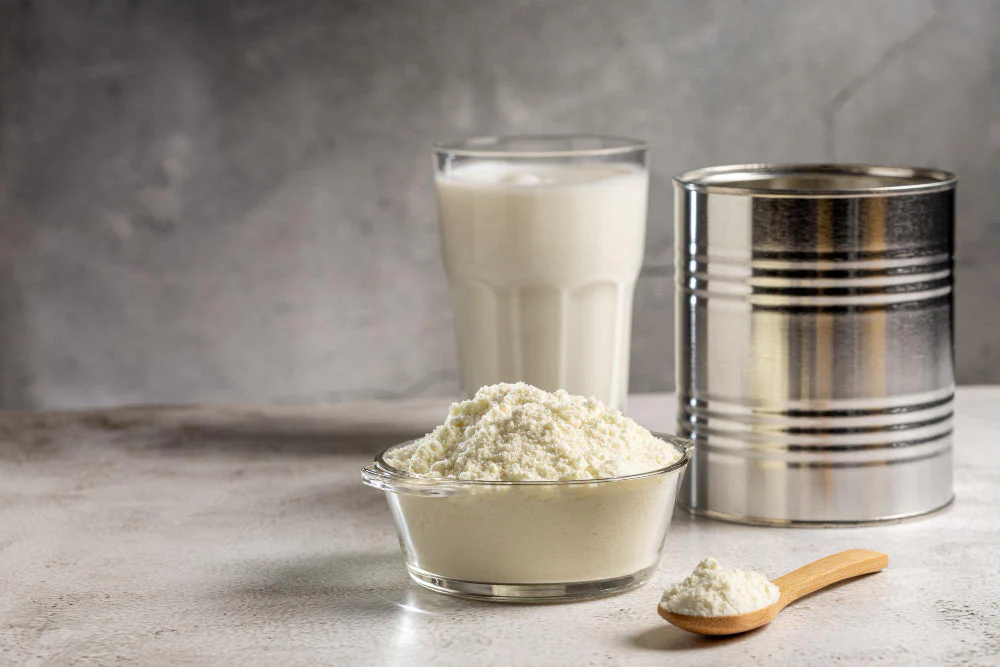
Types of Milk Powder Used in Confectionery Applications
Different confectionery products require different dairy powder characteristics. Selecting the right type depends on the formulation, processing conditions, and desired final product.
Whole Milk Powder for Confectionery
Whole milk powder contains milk fat along with milk proteins and lactose. It is commonly selected for premium confectionery applications where richness and authentic dairy flavor are important.
Typical applications include:
- Milk chocolate
- Cream fillings
- Premium candies
- Fudge
- Soft caramel products
The natural milk fat content contributes to a smoother texture and fuller flavor profile.
Skimmed Milk Powder for Confectionery
Skimmed milk powder contains high levels of milk proteins with minimal fat. It is widely used in industrial confectionery because it provides functional dairy solids while allowing manufacturers to control fat through other ingredients.
Advantages include:
- High protein concentration
- Good water-binding properties
- Flexible formulation control
- Cost efficiency
Many large factories use skimmed milk powder when developing formulations that require dairy solids without additional fat.
Sweet Whey Powder
Sweet whey powder is another dairy ingredient commonly used in confectionery applications. It contains lactose and whey proteins that can contribute to flavor and texture.
It is often used in:
- Chocolate coatings
- Caramel products
- Milk-based fillings
However, careful formulation is necessary because excessive whey usage may affect sweetness, flavor balance, or texture.
Milk Protein Concentrate (MPC)
Milk Protein Concentrate provides a higher concentration of milk proteins compared with traditional milk powders. It is used in specialized confectionery applications where protein functionality is important.
It can support:
- Improved structure
- Enhanced nutritional profiles
- Premium product positioning
Key Benefits of Using Milk Powder for Confectionery Production
Industrial confectionery manufacturers choose Milk Powder for Confectionery because it provides several functional advantages.
Better Product Stability
Confectionery products must maintain quality during storage and transportation. Milk powder helps create stable formulations that perform consistently under different conditions.
Improved Processing Performance
A standardized dairy ingredient helps manufacturers achieve predictable results during mixing, heating, cooling, and molding processes.
Enhanced Flavor Profile
Milk powder creates a richer and more natural dairy taste compared with artificial flavor systems alone.
Better Consumer Experience
Texture and flavor are critical purchasing factors. Products with balanced dairy ingredients often create stronger customer loyalty.
Applications of Milk Powder in the Confectionery Industry
The versatility of Milk Powder for Confectionery makes it suitable for many product categories.
Chocolate Manufacturing
Milk powder is a fundamental ingredient in milk chocolate production. It contributes to:
- Creamy mouthfeel
- Balanced cocoa flavor
- Smooth texture
- Dairy richness
The quality of the milk powder can significantly influence the final chocolate experience.
Caramel and Toffee Production
Caramel products require precise control of sugar, fat, and dairy components. Milk powder supports flavor development and creates a smoother texture.
During cooking, milk proteins and lactose contribute to desirable caramel notes.
Cream Fillings and Coatings
Many confectionery products contain creamy centers or coatings. Milk powder improves body and helps maintain consistent texture.
Nougat and Soft Candies
In soft confectionery products, dairy solids contribute to structure, chewiness, and flavor balance.
Common Mistakes When Purchasing Milk Powder for Confectionery
Raw material purchasing decisions can have long-term effects on manufacturing performance. Several common mistakes should be avoided.
Focusing Only on Purchase Price
The lowest-cost ingredient is not always the most economical option.
Poor-quality milk powder may lead to:
- Production adjustments
- Inconsistent product quality
- Higher waste
- Customer complaints
A professional purchasing approach evaluates overall value rather than only the initial price.
Ignoring Technical Specifications
Not all milk powders perform the same way. Manufacturers should evaluate:
- Protein content
- Fat percentage
- Heat treatment
- Solubility
- Moisture level
- Microbiological quality
Choosing a product without considering these factors can create unexpected production challenges.
Buying Without Considering Product Application
A milk powder suitable for chocolate may not be ideal for caramel or cream filling applications.
Each product category has different requirements, and ingredient selection should always match the manufacturing process.
Importance of Reliable Supply
Confectionery factories operate under strict production schedules. A shortage of critical ingredients can interrupt manufacturing and increase costs.
MT Royal supports manufacturers by providing access to different brands and sourcing options, helping businesses maintain flexibility in their ingredient supply strategy.
Technical Considerations for Large-Scale Confectionery Production
Large factories need more than quality ingredients; they need optimized processes.
Proper Storage Conditions
Milk powder should be stored in controlled environments with appropriate temperature and humidity levels.
Poor storage conditions may reduce quality and shorten shelf life.
Accurate Dosing and Mixing
Precision is essential in confectionery production. Small differences in ingredient ratios can influence texture, viscosity, and final product appearance.
Automated systems should be calibrated regularly to ensure accurate ingredient addition.
Managing Heat Treatment
Many confectionery products involve heating processes. Understanding how milk proteins respond to temperature helps manufacturers avoid unwanted changes in flavor or texture.
Quality Testing
Professional factories conduct regular testing of incoming ingredients and finished products.
Important evaluations may include:
- Moisture analysis
- Protein measurement
- Microbiological testing
- Sensory evaluation
Emerging Trends in Dairy Ingredients for Confectionery
The confectionery industry continues to evolve as consumer preferences change.
Demand for Premium Products
Consumers increasingly seek higher-quality chocolates and sweets with richer flavors and better textures.
This trend has increased demand for premium dairy ingredients.
Clean Label Movement
Manufacturers are focusing on recognizable ingredients and simpler formulations. Natural dairy ingredients support this direction.
Functional and Nutritional Confectionery
The growth of protein-enriched and better-for-you snacks has created new opportunities for specialized milk-based ingredients.
Sustainable Ingredient Sourcing
Many manufacturers are paying closer attention to responsible sourcing, supply chain transparency, and long-term supplier relationships.
How to Choose the Right Supplier for Milk Powder for Confectionery
Selecting the right supplier is an important part of manufacturing success. A professional supplier should understand industrial requirements and provide solutions rather than simply deliver products.
Important supplier characteristics include:
- Multiple brand options
- Competitive pricing
- Consistent quality
- Technical understanding
- Reliable logistics
MT Royal works with manufacturers by providing access to various milk powder brands, allowing factories to select products according to their technical requirements and commercial goals.
In our experience, successful manufacturers combine high-quality ingredients with strong production knowledge. The ingredient itself is important, but choosing the right partner to support sourcing decisions can create long-term advantages.
Frequently Asked Questions About Milk Powder for Confectionery
Can milk powder replace liquid milk in confectionery production?
Yes. Milk powder can replace liquid milk in many applications because it provides concentrated dairy solids with easier storage and handling.
Which milk powder is best for chocolate production?
The ideal choice depends on the formulation. Whole milk powder is often preferred for premium milk chocolate because of its rich flavor and fat content, while skimmed milk powder may be selected for specific formulations.
How does milk powder affect confectionery texture?
Milk powder improves creaminess, body, stability, and mouthfeel by providing milk proteins and solids.
What should manufacturers check before purchasing milk powder?
Factories should evaluate technical specifications, supplier reliability, quality documentation, and compatibility with their production process.
Why is supplier flexibility important?
Access to multiple brands and sourcing options helps manufacturers manage market changes and maintain stable production.
Building Better Confectionery Products Through Smarter Ingredient Choices
The success of a confectionery product begins long before it reaches the production line. Ingredient decisions influence everything from texture and flavor to production efficiency and customer satisfaction. Milk Powder for Confectionery remains one of the most valuable dairy ingredients for manufacturers seeking consistent quality and improved product performance.
Factories that carefully select their dairy ingredients gain better control over their formulations and create products that can compete in demanding markets. Whether producing chocolate, caramel, fillings, or specialty sweets, the right milk powder provides a strong foundation for innovation and reliability.
With access to multiple brands, competitive sourcing solutions, and professional support, MT Royal helps manufacturers make informed decisions about dairy ingredients. In an industry where small details create noticeable differences, choosing the right milk powder can become the ingredient that transforms a standard confectionery product into a memorable one.

No comment