

In competitive food manufacturing, some raw materials have outsized influence on product quality, process efficiency, and regulatory compliance. Soy lecithin is one such ingredient—essential not only for emulsification and stabilizing purposes but also for texture, mouthfeel, and shelf‑life enhancement in bakery, chocolate, beverage, and convenience food lines. When your factory depends on consistent performance and supply predictability, sourcing from leading soy lecithin exporters from TÜRKİYE for food industry becomes more than a transaction—it becomes a strategic advantage.
TÜRKİYE has emerged as a pivotal player in global lecithin supply, benefiting from a strong oilseed processing industry and a location that links Europe, Asia, and the Middle East with efficient logistics. At MT Royal, we collaborate with manufacturers navigating complex raw material markets. In our collaboration with various factories, we have seen that choosing the right exporter—and integrating that choice deeply into your procurement strategy—directly improves production stability and reduces risk.
This article will delve into technical fundamentals, sourcing best practices, industrial comparisons, and strategic sourcing models for soy lecithin in the Turkish food sector. You’ll find the insights needed not only to choose suppliers wisely but also to optimize your food formulations and supply chain outcomes.
Understanding Soy Lecithin and Its Industrial Importance
What Is Soy Lecithin?
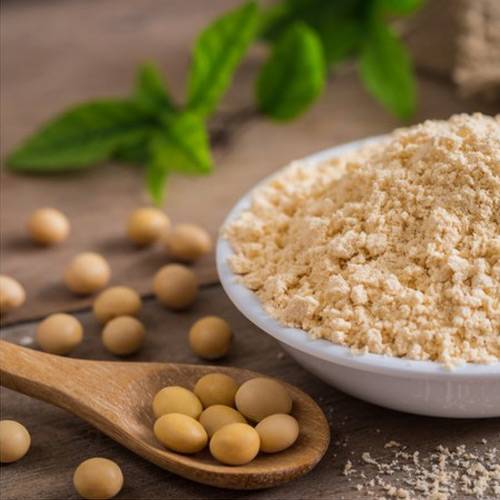
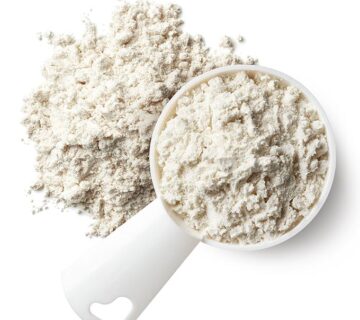
Soy lecithin is a natural phospholipid compound derived primarily from soybean oil processing. As a widely used food additive and emulsifier (E322), it eases the blending of fats and water‑based ingredients by reducing interfacial tension between these normally immiscible components. In food applications, its functional roles include emulsification, dispersion, lubrication, and stabilization. Its broad use in fats, doughs, chocolates, and beverages underscores its industrial value.
The demand for soy lecithin stems from its ability to:
- Improve product texture and mouthfeel.
- Reduce viscosity for easier processing.
- Extend shelf life through improved fat dispersion.
- Enhance aeration in bakery products.
This versatility makes it critical for confectionery, bakery, margarine, dairy analogues, and nutraceutical food lines.
TÜRKİYE’s Position in the Global Lecithin Supply Chain
Agricultural and Industrial Context
TÜRKİYE leverages a robust agricultural base that supports both soybean importing and oilseed processing. Its lecithin market is shaped by:
- Domestic vegetable oil refining capabilities, especially for soybean and sunflower varieties.
- Complementary import flows that balance local production with specialty needs.
- Regulatory standards aligned with EU and Turkish Food Codex requirements.
The country’s strategic gateway location enhances access to Europe, Central Asia, and Middle East markets, reducing lead times and logistical risk for food manufacturers seeking reliable bulk deliveries. This geographic advantage, combined with a supportive industrial infrastructure, makes Turkey a compelling origin for lecithin exporters aiming for both quality and supply continuity.
Who Are the Leading Soy Lecithin Exporters from TÜRKİYE?
According to comprehensive global trade records and shipment‑level data, several Turkish exporters stand out based on frequency of exports, logistical reliability, and reach into international markets.
Key Exporters and Market Footprint
While the exact volumes and destination details vary year‑by‑year, current export activity highlights the following leading actors:
- Daly Gıda Kimya İlaç Ambalaj Sanayi ve Ticaret – A high‑activity exporter with significant share in lecithin shipments, known for consistent trade flows and responsiveness to food industry specifications.
- AMG Kimya Gıda Tekstil San. ve Tic. – Another top exporter, with documented deliveries to European buyers, demonstrating operational flexibility and export experience.
- AREX GROUP DIŞ TİCARET LIMITED – Recognized for multi‑region shipment activity and a diverse food ingredient portfolio that includes soy lecithin.
- Günkəm Gündüz Kimyevî Maddeler İthalat Sanayi ve Ticaret A.Ş. – A reliable supplier whose exports include lecithin in various forms, serving buyers across different food processing applications.
These exporters have maintained active shipment records and frequently serve importers in Central Asia, Middle East, and portions of Europe, indicating a strong presence in food industry supply chains.
Industrial Demand Dynamics and Export Markets
Export Destinations and Trade Trends
Türkiye’s soy lecithin exports have been distributed across a global network. Top destinations in recent periods include countries such as Uzbekistan, Russia, and Syria, which collectively account for a significant share of Turkish lecithin export volumes.
In addition, broader trade data suggests that Turkey exports “Soya, lecithin, powder” products to over 190 countries, with key markets including Russia, Ukraine, Kazakhstan, and Uzbekistan, accounting for nearly half of global export shipments.
These trends highlight not just the scale of Turkey’s lecithin export infrastructure but also its diversification across regions with strong food processing industries.
Common Mistakes in Industrial Sourcing of Soy Lecithin
Even experienced procurement teams can make missteps that have cascading effects on production quality and cost efficiency. Understanding these pitfalls is key to smarter decision‑making.
1. Ignoring Functionality and Specification Compatibility
Selecting lecithin based solely on price without validating it against your formulation’s functional requirements—such as viscosity control, phosphatidylcholine content, and allergen profile—can degrade product quality or processing efficiency.
2. Overlooking Compliance Documentation
Food grade lecithin must meet strict regulatory standards for food use, including accurate labeling (e.g., allergen declaration for soy) and conformity with the Turkish Food Codex and EU food additive frameworks. Lack of proper Certificates of Analysis and compliance documents can delay production releases or cause non‑compliance issues.
3. Neglecting Supply Chain Resilience
Supply interruptions can be costly in large‑volume operations. Not securing long‑term agreements or failing to assess seasonal impacts on soybean supply can lead to production bottlenecks.
Comparing Exporter Capabilities for Manufacturers
When evaluating potential partners among leading soy lecithin exporters from TÜRKİYE for food industry, consider key assessment criteria:
| Criterion | What It Indicates | Why It Matters |
|---|---|---|
| Export Frequency | How often shipments occur | Signals reliability and supplier capacity |
| Technical Support | Availability of specification guidance | Reduces formulation risk |
| Documentation Completeness | CoA, food compliance certificates | Supports regulatory compliance |
| Logistics Capabilities | Freight handling and customs expertise | Minimizes delays |
| Product Range | Types of lecithin offered (liquid, powder, Non‑GMO) | Supports diverse formulation needs |
This matrix helps your procurement team compare exporters not just on price, but on measurable operational and technical factors that influence long‑term performance.
Strategic Sourcing Best Practices for Large‑Scale Food Manufacturing
Define Technical Requirements Upfront
Before engaging potential exporters:
- Map formulation needs (viscosity targets, application methods).
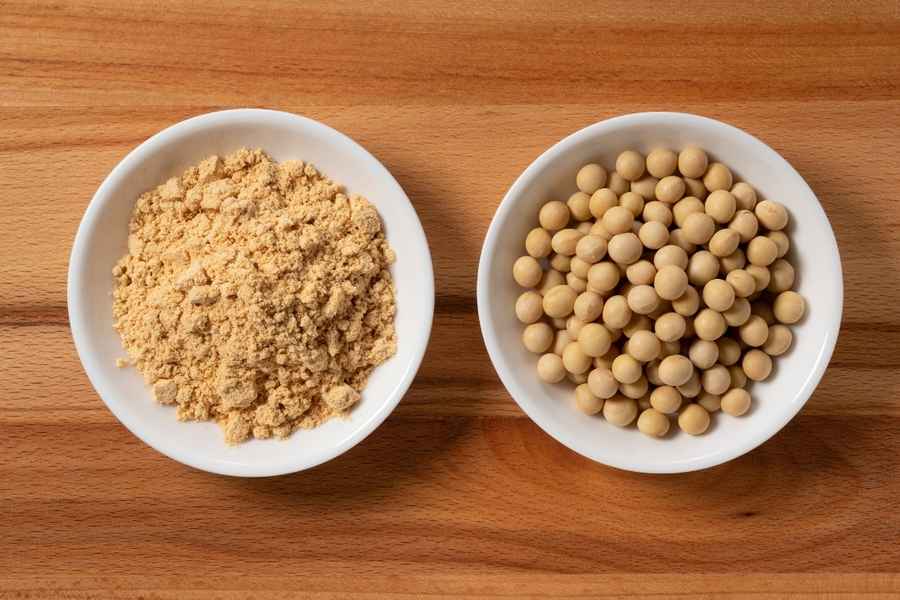
- Determine desired lecithin grade (e.g., liquid vs. powder).
- Specify regulatory and compliance criteria based on target markets.
Pilot Testing Before Bulk Commitment
Even reputable exporters perform differently within your specific environment. Conducting pilot runs with candidate lecithin batches ensures consistent performance under real processing conditions.
Build Safety Stock Relative to Lead Times
Understanding seasonal variability in soybean crushing and its impact on supply can protect you from cyclical shortages. A balanced safety stock strategy safeguards continuous operations without overcapitalizing inventory.
Establish Supplier Scorecards
Track performance metrics for each supplier, including on‑time delivery, documentation accuracy, response time, and batch consistency. This ongoing review process sharpens negotiation leverage and highlights service improvements.
Frequently Asked Questions from Procurement and Production Teams
What makes Turkish lecithin exporters competitive?
TÜRKİYE’s combination of agricultural raw feedstock access, processing capabilities, and regional logistics hubs contributes to both domestic supply and export strength. Its alignment with EU regulatory frameworks also supports manufacturers targeting global markets.
How should lecithin purity and functionality be evaluated?
Look for detailed Certificates of Analysis that include phosphatidylcholine content, moisture level, and solvent residue data. These metrics directly relate to emulsification performance.
Are there Non‑GMO options available from Turkish exporters?
Yes. Demand for clean‑label and Non‑GMO soy lecithin is rising globally, and many Turkish exporters support both conventional and Non‑GMO product lines suited for food industry applications.
How can we compare exporters beyond price?
Evaluate technical support, logistics competence, documentation quality, and historical shipment performance.
Navigating Future Trends in Lecithin Supply and Demand
Several emerging trends are shaping soy lecithin sourcing:
- Demand for Non‑GMO and traceable ingredients is driving greater specification rigor from food manufacturers.
- Diversification of export markets continues as countries in Central Asia and the Middle East expand food processing capacities. Supply chain digitization is improving visibility into shipment and inventory movements, enhancing forecast accuracy and reducing risk.
These trends underscore the importance of sourcing partners who can support not only current requirements but evolving market expectations.
A Strategic View on Sourcing Soy Lecithin for Long‑Term Success
Choosing among leading soy lecithin exporters from TÜRKİYE for food industry should be rooted in both technical alignment and supply chain robustness. The right exporter will not only provide competitive pricing but also contribute to formulation excellence, regulatory compliance, and operational continuity.
At MT Royal, we work with manufacturers to match their specific formulation and supply needs with exporters who demonstrate transparency, reliability, and technical depth. We understand that raw materials like soy lecithin are not commodities in isolation—they are components that influence processing stability, product quality, and ultimately market competitiveness.
Your sourcing strategy for soy lecithin today will reverberate throughout your production capabilities in the years to come. Choose partners who support both the short‑term operational goals and your long‑term growth trajectory in the food industry.
LATAMARKO LM60 – Premium Spanish-Origin Cocoa Powder
latamarko alkalized cocoa powder lm60
cocoa powder for chocolate production-Best price
Food industry raw materials – list of products
Types of Gelatin from Turkish Manufacturer


No comment