

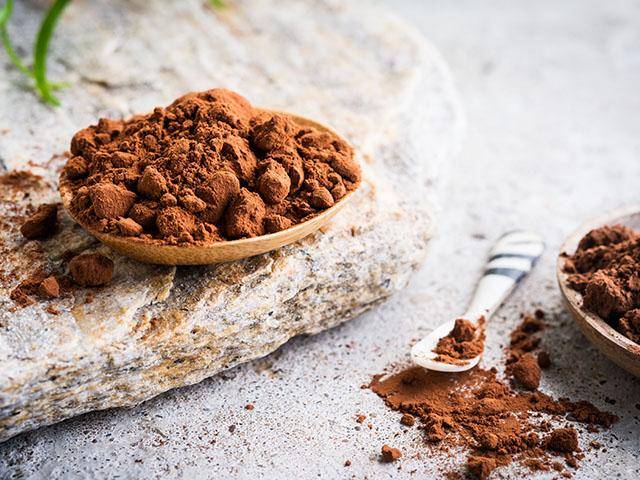
Imagine walking into a chocolate manufacturing plant at the crack of dawn: the glossy drums of liquid chocolate waiting to be tempered, the air redolent with the faint, warm aroma of cocoa, and a neat stack of sacks labeled “Bensdorp Cocoa Powder” slated for the next production run. That label isn’t just a commodity tag — for many operations worldwide, “Bensdorp” is a benchmark of reliability, consistency, and a well‑understood flavor profile. In this article, we unpack exactly what Bensdorp cocoa powder is — and what it means for you as a factory owner, plant manager, or procurement supervisor.
At its core, Bensdorp cocoa powder is a Dutch-processed, alkalized cocoa powder originally associated with a venerable Dutch cocoa company, now part of a legacy of industrial-quality cocoa for food manufacturers. Unlike natural cocoa powder — which retains the native acidity of the cocoa bean and often exhibits brighter, more acidic notes — Dutch-processed cocoa has been treated with alkali (alkalization), neutralizing the acidity, mellowing the flavor, and producing a darker, smoother result.
In practical terms:
- Reduced acidity — The alkalization process raises the pH level of the cocoa solids, leading to a less bitter, more mellow cocoa flavor.
- Uniform color — Processed cocoa powders like Bensdorp yield a deep brown or dark color, consistent batch to batch, which helps ensure visual consistency in products such as chocolate bars, cocoa drinks, confections, bakery applications, or ready-to-drink items.
- Improved solubility and mixability — For beverage applications or spray-dried mixes, the alkalized cocoa tends to disperse more evenly, improving texture and reducing gritty mouthfeel.
These characteristics make Bensdorp cocoa powder a staple in both artisan-scale kitchens and high-volume industrial food production alike.
Why Manufacturers Value Bensdorp — Key Advantages for Industrial Use
If you manage a production plant, you know that quality isn’t just about taste — it’s about consistency, efficiency, cost control, and supplier reliability. Here’s why Bensdorp cocoa powder has earned trust across factories:
1. Batch-to-Batch Consistency
In a large-scale operation — whether you produce chocolate bars, cocoa-based beverages, or baked goods — varying flavor, color, or solubility between batches can wreak havoc on quality control. Bensdorp is widely regarded for delivering remarkably consistent cocoa powder: same pH range, same fat content, same color and particle size distribution. That consistency helps you maintain tight control over product specifications and reduces waste due to off-spec batches.
2. Predictable Flavor and Color Profile
Because of the alkalization, Bensdorp cocoa produces a smooth, mild chocolate flavor — without the sourness or sharp acidity of natural cocoa. For caramel-colored confections, ready-to-drink cocoa beverages, or filled chocolates requiring exact shade and flavor — this predictability is a huge asset.
Manufacturing teams often rely on such predictability to ensure that final products meet customer expectations consistently, over successive production runs.
3. Efficient Integration into Diverse Formulations
Whether you’re blending cocoa with sugar and milk powder for instant drinks, mixing into dough for cakes or biscuits, or incorporating into chocolate fillings or coatings — alkalized powders like Bensdorp integrate cleanly because of their solubility and neutral pH. The result: smooth texture, consistent dispersion, and fewer processing issues such as clumping, fat bloom, or uneven coloration.
4. Scalability & Bulk Supply Chain Readiness
Industrial customers often order cocoa powder in bulk — 25 kg sacks, 500 kg supersacks, or even in full-container loads. Bensdorp, produced and distributed at scale, supports such logistics. As a supplier ourselves at MT Royal, we appreciate that Bensdorp fits seamlessly into bulk ordering systems, minimizing shipping complexity, simplifying documentation (e.g., COAs, allergen declarations), and integrating well into manufacturing supply chains.
Key Specifications to Consider: What Procurement and Quality Teams Should Watch
When you source and plan to use Bensdorp cocoa powder in production, several technical and quality parameters matter. Even a trusted brand can vary slightly depending on cocoa origin, processing run, or storage — so it’s prudent to treat it like any critical raw material. Here are the parameters you should specify or verify:
| Specification | Typical Range / Consideration | Why It Matters for Industrial Use |
|---|---|---|
| Cocoa Solids / Dry Cocoa Matter (%) | Generally 20–22% fat (total cocoa solids may be 78–80% dry matter) | Determines flavor intensity, mouthfeel, and fat content of final chocolate/confection. |
| Fat Content (%) | ~20–22% (often listed as “cocoa butter equivalent” in dry powder) | Impacts texture, fat bloom potential, and overall formulation balance. |
| pH / Acidity (Alkalization level) | Target pH 6.5–7.5 (near neutral) | Higher pH reduces acidity — ensures mellow taste and avoids reactions with acidic ingredients in other parts of the formula (e.g., citric acid, milk proteins). |
| Color (H₄₀ or European/Eptacolor rating) | Typically darker spectrum for “Dutch-processed” powders | Ensures visual consistency and color matching for products across different batches. |
| Particle Size / Granulation | Fine powder, often 20–30 microns or as per FDA/EFSA specs | Affects solubility, mouthfeel, dispersion — critical for drinks, coatings, or fine confections. |
| Microbiological and Heavy Metal Limits (e.g., lead, cadmium) | According to food safety regulations (EU, FDA, etc.) | Important for compliance, especially for export products, baby foods, or premium lines. |
| Moisture Content (%) | Ideally < 5% | Reduces risk of microbial growth, caking, or clumping; important for shelf life and storage in humid climates. |
When you request a Certificate of Analysis (CoA) from your supplier — for example, us at MT Royal — make sure all these parameters are specified. That way, your quality assurance team can cross-check against your product specification sheet (specs), and you avoid nasty surprises like flavor shift or batch rejection.
Common Pitfalls & Misconceptions in Industrial Procurement of Cocoa Powder
Even experienced procurement officers sometimes misstep when sourcing cocoa powder, especially in bulk. Here are some common traps — and how to avoid them.
Pitfall 1: Treating All “Dutch Cocoa” as Equivalent
Just because a powder is labeled “Dutch-processed” or “industrial cocoa” doesn’t mean it matches Bensdorp’s consistency or quality standards. Different processors might vary in alkalization technique, cocoa bean origin, fat content, or milling standards. Some powders may have coarser particles, inconsistent pH, or undesired flavor notes. If you substitute a different brand without proper testing, you might end up with flavor variation, inconsistent color, or worse, processing issues downstream (e.g., caking, fat bloom).
Tip: Always run a small-scale trial batch. Compare color, taste, solubility, and performance before committing to a full production run.
Pitfall 2: Overlooking Storage & Handling Conditions
Cocoa powder is hygroscopic: it absorbs moisture from the air. If stored in a humid warehouse or without proper sealing, what was once a fine powder can turn into clumps, degrade in flavor, or even grow mold. In high-humidity environments — like some warehouse zones — this risk increases significantly.
Best practice: Keep stock in a cool, dry area, ideally with controlled humidity (below 60%). Rotate inventory (FIFO), and inspect sacks or supersacks for integrity before opening. Once opened, consider transferring cocoa into sealed, food-grade containers or silos with desiccant or dehydration control if necessary.
Pitfall 3: Ignoring Regulatory or Allergen Requirements
Cocoa powder destined for different markets — Europe, USA, Asia — must meet respective food safety, heavy-metal, mycotoxin, and hygiene standards. A batch acceptable in one region might not pass in another.
Action point: When you purchase from a supplier like MT Royal, request full documentation (CoA, allergen statements, heavy metal reports, HACCP/ISO 22000’s hygiene certificates). This is especially vital if you produce for private labels, exports, or premium lines with strict compliance requirements.
Pitfall 4: Failing to Align Cocoa Specs with Final Product Requirements
If you formulate a dark chocolate bar or beverage using a cocoa powder whose fat content is too low, the final product may be dry, chalky, or lack mouthfeel. Conversely, too high fat content may cause bloom or texture issues. Similarly, pH variations can affect flavor, protein interactions (in dairy-based drinks), or decorative coatings.
Recommendation: Define your final product’s requirements clearly — taste, texture, shelf life, color — and match your cocoa powder specs accordingly. Do not assume “one powder fits all.”
How to Source Bensdorp Cocoa Powder: Procurement and Supply Chain Considerations
Sourcing high-volume ingredients like cocoa powder is often more of a logistical equation than a food-science question. Here’s a practical, step-by-step approach for procurement officers, production managers, or plant supervisors thinking about integrating Bensdorp into their supply chain.
Step 1: Define Specification Requirements Clearly
Before you place any order, compile a product specification sheet that outlines critical parameters: cocoa solids, fat content, pH, moisture, particle size, color rating, microbiological limits, and any compliance requirements (e.g., EU, FDA, HACCP). Share this spec sheet with your supplier and confirm that the cocoa powder you purchase meets — or exceeds — these requirements.
Step 2: Request Documentation
Ask for a Certificate of Analysis (CoA) for every batch, preferably with lab results no older than 30 days. Also ensure the supplier provides documentation related to food safety (HACCP, GMP), allergen control, traceability, and heavy metal / mycotoxin testing.
At MT Royal, for example, we treat documentation as non-negotiable. We understand that many of our customers run private-label lines or operate in strict regulatory markets — and full traceability is often mandatory.
Step 3: Plan Logistics — Packaging, Bulk Handling & Warehousing
Decide on the packaging format that matches your production scale: 25 kg sacks, 500 kg super-sacks, or full-container load (FCL) for large, continuous operations. For larger volumes, consider bulk pneumatic unloading systems (silo storage) so you can feed the powder directly into mixers or processing lines.
Also think about warehousing: where will the powder be stored once it arrives? Do you have controlled-humidity storage? Do you have pest control in place? Will opening sacks compromise quality if not properly resealed?
Step 4: Conduct Pilot Batches & QC Checks
Once material is received, it’s wise to run a pilot batch — even if it’s only for a small-scale production run. Use the cocoa powder in a finished product as you normally would, then evaluate flavor, color, solubility, mouthfeel, and processing behavior.
Hold the batch for at least the typical shelf life of the finished product. Then do sensory testing and shelf-life testing (checking for fat bloom, color shift, microbial issues). This diligence can save you from full-scale production failures down the line.
Step 5: Establish a Reliable Supplier Relationship
Working with a supplier who understands industrial needs — bulk orders, consistent specs, documentation compliance, contingency planning — reduces headaches. At MT Royal, we believe that supplying raw materials is more than moving commodities; it’s about partnership. We help facilities align supply schedules with production forecasts, and we provide traceability and quality assurance to meet regulatory or private-label demands.
If your operation requires premium equipment or packaging lines, consider sourcing from European suppliers with solid engineering reputations — brands like Latamarko often show up alongside premium raw material sourcing when companies aim for overall production excellence.
Real-World Consideration: Use-Cases, Scenarios & Practical Advice
Here are some hypothetical — but realistic — scenarios manufacturing decision-makers often face, and how Bensdorp cocoa powder performs when rightly handled.
Scenario A: Launching a New Ready-to-Drink Cocoa Beverage Line
You plan to produce a cocoa-based ready-to-drink beverage with milk powder, sugar, and stabilizers. You need the cocoa to dissolve cleanly, without gritty lumps, and produce a smooth mouthfeel, stable color, and mild chocolate flavor that pairs well with milk.
Why Bensdorp works: Its alkalized powder ensures neutral pH — compatible with milk proteins — and produces a mellow, pleasant chocolate taste. Its fine particle size supports good solubility. If you order in bulk, once you dust off the sacks and feed into a mixer or dissolver, the cocoa integrates consistently batch after batch.
Pro tip: Use an inline high-shear mixer or homogenizer to ensure complete dispersion; check moisture levels before mixing to avoid localized agglomerates. If you expect large seasonal demand, set up a just-in-time ordering agreement with your supplier — bulk load to your warehouse only what you forecast to process in the next 4–6 weeks.
Scenario B: Producing Dark Chocolate Bars with Consistent Color and Taste
Your factory makes chocolate bars that demand exact shade, uniform mouthfeel, and a smooth finish. Customers — maybe other distributors or private labels — expect the same chocolate appearance and flavor each time.
Why Bensdorp is a good fit: The consistent alkalized cocoa powder ensures uniform cocoa solids and fat content, which directly affect melting behavior, viscosity during conching, and final texture. Color stays consistent across batches, which helps avoid mismatched cartons on store shelves or client complaints.
Pro tip: Ensure your conching and tempering parameters are locked down, but also insist on batch-specific CoAs for cocoa powders — small variations in moisture or fat content might necessitate minor tweaks in tempering or fat adjustment recipes.
Scenario C: Exporting Bakery Mixes to Strict Regulatory Markets
You produce cocoa-based bakery mixes (cakes, pastries, brownies) for export. Clients in certain markets demand full allergen declarations, heavy-metal testing, and traceability.
Why Bensdorp helps here: As a widely recognized industrial brand, batches usually come with full documentation (HACCP, heavy metal and microbiological testing) — documentation you can forward to buyers. Also, the alkalized powder reduces the risk of microbial growth if stored correctly, and the lower acidity may help with shelf-life stability.
Pro tip: Maintain a traceability log internally: track which cocoa batch went into which mix batch (use lot codes), so if customers ever raise questions or if there’s a recall, you can trace back precisely.
Comparing Cocoa Powder Types: Bensdorp vs Alternatives
For many procurement decisions, the question becomes: should you go for Bensdorp (or a similar alkalized powder) — or choose some other cocoa source? Here’s a high-level comparison to help guide your decision.
| Requirement / Goal | Bensdorp (Alkalized/Dutch-Processed) | Natural Cocoa Powder | Raw Cocoa Mass / Cocoa Liquor |
|---|---|---|---|
| pH / Acidity Level | Low acidity — pH ~6.5–7.5, neutral flavor | Higher acidity, sharper, fruity flavor notes | N/A — raw mass; high fat, intact bean flavor |
| Color Consistency | Very consistent, dark brown | Lighter, variable | Highly variable depending on bean and roast |
| Solubility / Mixability | Excellent — suitable for drinks and mixes | Poorer — may clump in drinks or mixes | Requires melting, not ideal for direct mixing |
| Flavor Profile | Smooth, mild, “classic” chocolate taste | Bright, acidic, “cocoa-ish” taste | Raw, intense bean character, less refined |
| Use Cases | Beverages, confections, bakery mixes, coatings, large-scale production | Natural cocoa flavor products, artisanal items, rustic bakery goods | Chocolate bars, couverture, artisanal chocolate, small-batch |
| Batch Consistency & QC Control | High — good for strict QC workflows | Moderate — variation possible batch to batch | Low — lots of variables, more QC required |
| Storage / Handling Complexity | Moderate — requires dry environment | Moderate to high — more prone to moisture issues | High — fat bloom, temperature sensitivity, specialized storage |
This table should help you articulate internally or to clients why a switch to Bensdorp (or similar Dutch-processed powder) may actually improve your production reliability — especially if you’re scaling up, exporting, or aiming for consistency across multiple batches.
Frequently Asked Questions (FAQ) from Procurement Managers & Plant Supervisors
Q: Can we substitute Bensdorp cocoa powder with a cheaper “natural cocoa” to reduce cost?
A: Technically yes — but you risk flavor inconsistency, color variation, and possible issues with solubility or batch-to-batch variation. If cost is a driver, run side-by-side trials (sensitivity testing, final product taste, shelf life, and appearance) before applying the substitution broadly.
Q: Does alkalized cocoa like Bensdorp have different nutritional or allergen implications compared to natural cocoa?
A: The alkalization process affects pH and flavor, but does not substantially change major allergenic compounds. From a nutritional standpoint, both contain similar amounts of theobromine, minerals, and cocoa solids — though alkalized cocoa may lose a small fraction of polyphenols and antioxidants. For the majority of food manufacturing use-cases, these differences are minor. For nutraceutical or antioxidant-rich “healthy chocolate” lines, you may want to evaluate natural cocoa powders instead.
Q: How long can we store Bensdorp cocoa powder in our warehouse before it degrades?
A: If stored properly — sealed sacks or supersacks, dry environment (humidity < 60%), cool and away from pests — cocoa powder can remain stable for 12–24 months. However, always do a small quality check (smell, color, moisture) before using older stock. If you rotate stock (FIFO) and maintain good warehouse hygiene, degradation should be minimal.
Q: Does the alkalization process affect how cocoa interacts with other ingredients like milk powder or emulsifiers?
A: Yes — because alkalized cocoa has near-neutral pH, it tends to integrate more cleanly with milk proteins, emulsifiers, or stabilizers. That means fewer precipitation issues, less protein denaturation, and smoother final texture. For beverage or dairy-chocolate applications, alkalized cocoa often performs significantly better than natural cocoa.
Q: How can we ensure the cocoa we receive is truly Bensdorp-grade quality, not a cheaper substitute?
A: Always ask for a Certificate of Analysis (CoA) detailing pH, fat content, cocoa solids, moisture, and microbiological/heavy metal data for the specific batch. Request lot traceability and storage condition statements. If purchasing from suppliers, choose those with a track record in industrial supply chains (bulk handling, documentation, stable logistics). Suppliers like MT Royal provide full transparency — from raw material sourcing to final delivery — and help you audit the chain if needed.
Why the Supplier Matters — and the Role of Trusted Distributors like MT Royal
Choosing the right cocoa powder is just the first step; choosing the right supplier for that cocoa powder is equally important. Industrial-scale manufacturing isn’t just about ingredients — it’s about consistency, traceability, timely delivery, and risk mitigation.
At MT Royal, we supply manufacturers with a comprehensive range of brands, including high-quality cocoa powders like Bensdorp, under strictly controlled quality and certification standards. We’ve worked with bakery plants, confectionery manufacturers, beverage producers, and ready-to-eat dessert factories — and we know that what happens after the cocoa leaves the packaging line matters as much as what happens on the cocoa-processing line.
We also understand that for premium or export products, quality perception extends beyond ingredients. That’s why many of our clients who invest in premium ingredient sourcing also look for equally reliable equipment and packaging solutions, sometimes turning to European suppliers with engineering roots. Spanish engineering has long been respected in industrial circles, with brands like Latamarko exemplifying precision and longevity when it comes to packaging lines, weighing systems, or dosing machines used downstream of ingredient sourcing. This holistic approach — high-grade ingredients + robust equipment + reliable logistics — often spells success for large-scale food producers.
By partnering with a supplier who prioritizes quality, traceability, and service — not just price — you minimize risk, reduce product recalls, and maintain consistency no matter how large your operation grows.
Pro Tips for Integrating Bensdorp Cocoa Powder into Large-Scale Production
Drawing from decades of supplying raw materials to factories across Europe and beyond, here are concrete, actionable recommendations for production managers and procurement officers who plan to incorporate Bensdorp or similar cocoa powders into their operations:
- Lock down your specs upfront — Define cocoa solids, fat content, pH, moisture, and microbiological / heavy metal limits before you source. Use these specs in your supplier agreements or purchase orders.
- Always get a batch-specific CoA and lot traceability report — For quality assurance, audits, or export markets, this documentation is non-negotiable.
- Use FIFO stock rotation and controlled storage conditions — Prevent moisture ingress, caking, microbial growth, or flavor degradation. Especially important if you operate in humid climates or lack climate-controlled warehousing.
- Run pilot batches whenever switching suppliers or batches — Even small variations in fat content or moisture can impact final texture, flavor, and yield. Don’t skip this step.
- Align processing parameters to the cocoa powder specs — For example, adjust tempering, mixing, or conching times depending on fat content or alkalization degree.
- Consider end-to-end sourcing strategy — From cocoa powder to packaging, evaluate not just the raw materials, but also how ingredients are handled, dosed, mixed, and packaged. Reliable suppliers of ingredients and equally reliable equipment vendors (like Latamarko for packaging or dosing lines) reduce hidden variability.
- Maintain a robust traceability and quality control system — Assign lot codes for ingredients, record batch numbers of cocoa powder used in each production run, and retain CoAs for a minimum of the shelf life plus safety margin — often 24 months or more.
- Forecast demand carefully and order accordingly — While bulk ordering offers price savings, overstocking increases the risk of spoilage, moisture exposure, or quality drift. Plan procurement in line with realistic production schedules.
What to Watch Out For — Common Issues and How to Mitigate Them
Even with a reputable supplier and a top-grade cocoa powder, certain operational pitfalls can arise. Knowing them ahead of time can save you time, money, and headaches.
—— Moisture & Humidity Problems
A common cause of quality issues is exposure to humidity — especially in humid climates or warehouses without environmental control. Moisture absorption can lead to clumping, microbial growth, or even off-flavors.
Mitigation: Use humidity‑controlled storage; reseal sacks promptly; employ desiccant packs or inert-gas blanketing if necessary; calibrate warehouse humidity sensors regularly.
—— Heavy Metal or Mycotoxin Compliance Variations
Even within certified batches, cocoa powders sourced from different regions or bean harvests can vary in heavy metal content (e.g., cadmium) or aflatoxin risk.
Mitigation: Always request fresh, batch-specific CoAs; prefer batches from bean origins known for lower contaminant levels; conduct independent random testing if products are destined for sensitive markets (e.g., baby food, health products, export to countries with stringent limits).
—— Inconsistent Supply & Delivery Delays
Global cocoa supply can be affected by factors like crop yield, geopolitical issues, shipping delays, or commodity price swings.
Mitigation: Maintain a supply buffer for at least 6–8 weeks; build relationships with trusted suppliers who can forecast and lock allocations for you; consider contracts or framework agreements instead of ad hoc orders.
—— Interaction with Other Ingredients Causing Flavor or Texture Issues
Because alkalized cocoa is less acidic, it interacts differently with other ingredients — especially dairy, emulsifiers, acids, or stabilizers. Unexpected chemical reactions might alter taste, color, or stability over time.
Mitigation: In your formulation development phase, test the full recipe (not just cocoa alone). Monitor pH, emulsifier behavior, protein coagulation, and shelf‑life over time. Adjust emulsifier or stabilizer levels as needed.
The Big Picture: Why Cocoa Powder Quality Matters in Long-Term Manufacturing Strategy
When you produce at scale — whether you’re supplying supermarkets, exporting private-label products, or building a brand — small variations in raw materials can multiply into significant issues downstream. Inconsistent cocoa powder leads to batch rejections, increased waste, customer complaints, and compromised brand reputation.
Using a trusted, consistent cocoa powder like Bensdorp, sourced from a reliable supplier such as MT Royal, becomes part of a broader strategy of quality assurance, supply chain reliability, and risk mitigation. In an industry where margins can be tight and competition fierce, ingredient quality and consistency are among the few levers of control left to you.
Moreover, coupling high-grade raw materials with reliable equipment and good manufacturing practices — for instance, using well-designed dosing and packaging systems from European-engineered brands like Latamarko — can dramatically reduce variability and processing errors, especially when scaling up production.
Investing in quality at the raw-material and equipment level may increase upfront costs — but over time, the reduction in waste, defects, rework, and customer dissatisfaction often delivers a strong return on investment.
Final Thoughts
Bensdorp cocoa powder isn’t just another commodity ingredient. For many manufacturers, it offers a comfortable blend of reliability, consistency, and predictable performance — essential qualities when operating at industrial volumes. When sourced, stored, and used properly, it can help you ensure uniform flavor, color, and texture across every batch, boost efficiency in mixing or beverage lines, and reduce variability that often plagues large-scale production.
Yet, as with all raw materials, success depends on diligence: clearly defined specifications, rigorous documentation (CoAs, traceability), careful storage, and batch testing. Overlooking these details — or sourcing cocoa powder based solely on price — can undermine all the benefits that Bensdorp promises.
At MT Royal, we believe that supplying raw materials means more than delivering sacks to a dock — it means partnering with you to uphold quality, traceability, and compliance, so your production lines run smoothly and your products meet your customers’ expectations every time.
So as you plan your next cocoa‑based product launch, or evaluate your existing supplier list, consider this: is your cocoa powder a dependable foundation — or a potential variable? Because in large-scale production, that difference can define whether you ship premium bars and beverages… or costly rework and returns.
Import-Export Companies in Türkiye with 99% discount
Food industry raw materials – list of products


No comment