

In the rapidly evolving food and industrial manufacturing sectors of the UAE, vegetable fats have become a backbone raw material. Whether you’re running a bakery, confectionery plant, ice-cream factory, or non‑dairy creamer line, the quality, consistency, and sourcing of vegetable fat directly impact your product texture, cost-efficiency, and production reliability. That’s why choosing a trusted vegetable fat supplier in UAE is more than a procurement decision—it’s a strategic partnership.
At MT Royal, we work closely with regional manufacturers to deliver tailored vegetable fat solutions that align with both technical needs and commercial realities. In our years of collaboration, we’ve seen firsthand how the right fat supplier can transform a production line, improve margins, and reduce supply chain risk. This guide will walk you through the essential factors, trade‑offs, and best practices you should consider when selecting a vegetable fat supplier in the UAE.
Understanding Vegetable Fat: Basic Concepts & Industrial Relevance
What Is Vegetable Fat?
Vegetable fat broadly refers to fats derived from plant-based oils—most commonly palm oil, palm kernel oil, soybean oil, coconut oil, and specialty fractions. Unlike liquid oils, vegetable fats are often fractionated, hydrogenated, or interesterified to achieve specific melting points, consistency, and functional properties required in industrial food production (e.g., bakery shortenings, creaming fats, filling fats).
Some common industrial vegetable fat products include:
- Shortening: Fully or partially hydrogenated vegetable oil, widely used in industrial bakery.
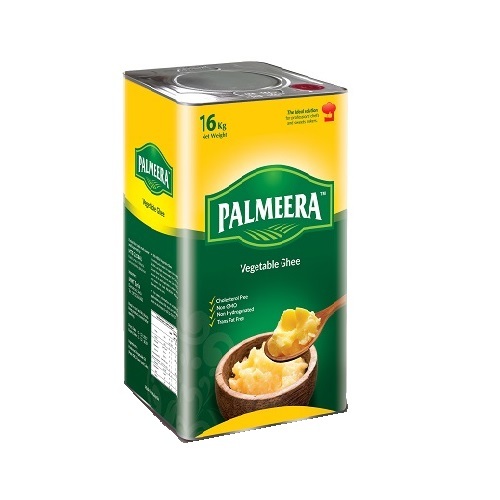
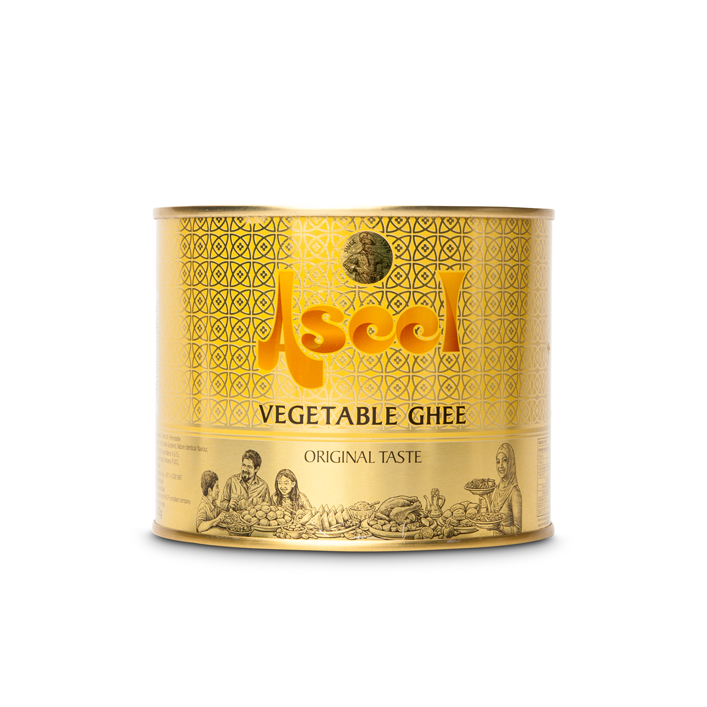
- Vegetable Ghee: A solid fat that mimics the functionality of dairy ghee but is purely plant‑based.
- Specialty Fats: Such as cocoa butter equivalents (CBE), cocoa butter substitutes (CBS), or filling fats.
- Fractionated Fats: Obtained by separating oil into solid and liquid fractions (e.g., palm stearin, palm mid-fraction).
Why Vegetable Fat Matters in UAE Manufacturing
There are several reasons why vegetable fat is particularly important for manufacturers in the UAE:
- Supply-chain Efficiency
The UAE is a major logistics and re-export hub for fats and oils. Despite having limited domestic oilseed production, the country leverages its refining and storage infrastructure to import, process, and re-export vegetable oils and fats. - Diverse Industrial Applications
Vegetable fats are used not only in food manufacturing (bakery, confectionery, dairy analogs) but also in pharmaceuticals and non-food industries. Their functional versatility (gelling, thickening, structuring, melting profile) makes them indispensable. - Cost and Performance Optimization
By customizing fat blends (e.g., for shortening, filling, or non-dairy creamers), manufacturers can optimize cost, texture, and stability in warm climates like the UAE. - Regulatory and Sustainability Considerations
As edible fats are critical to food security, their sourcing, certification (e.g., RSPO for sustainable palm oil), and quality management are strategically important.
Common Mistakes When Sourcing Vegetable Fat in UAE
Even experienced procurement teams sometimes fall into pitfalls when choosing a vegetable fat supplier. Here are common mistakes and how to avoid them:
Mistake 1: Choosing Solely Based on Price
While vegetable fat is commoditized, the cheapest supplier may not deliver the best total cost of ownership. Low-cost fats with poor melting behavior, inconsistent fatty acid profiles, or low purity can lead to product rejects, texture issues, or higher wastage.
Mistake 2: Ignoring Functional Requirements
Not all vegetable fats are equal. For example, shortening for cookies needs different physical properties (solid fat content, melting point) than filling fat for pralines or coating for chocolate. A supplier who only offers a basic fat may not meet your functional needs.
Mistake 3: Overlooking Certification and Traceability
Sustainable sourcing, RSPO certification, and traceability are increasingly important for global buyers and regulatory compliance. Without this, you may risk reputational and compliance issues.
Mistake 4: Poor Storage & Handling
Vegetable fats are sensitive to temperature and humidity. Incorrect storage can lead to fat degradation, off-flavors, or even microbiological problems (depending on the type). A strong supplier helps with recommended store conditions and support on first-in, first-out (FIFO) practices.
Mistake 5: Underestimating Supply Chain Risk
Given that the UAE imports a significant portion of its fats, supply disruptions from key source countries can impact your operations. Without a reliable local supplier or buffer stocks, production lines may become vulnerable.
Key Factors to Evaluate in a Vegetable Fat Supplier in UAE
To make a strategic decision, procurement teams should critically assess their potential vegetable fat supplier in UAE based on several technical and commercial criteria:
Quality and Functional Specifications
- Slip Melting Point (SMP): Indicates how the fat behaves when melting—critical for bakery, confectionery, and bakery shortening.
- Solid Fat Content (SFC): The proportion of fat that is solid at a given temperature; this is critical for structure and mouthfeel.
- Iodine Value: Reflects degree of unsaturation, which influences oxidative stability.
- Free Fatty Acid (FFA): High FFA can negatively impact taste and shelf life.
- Peroxide Value: Measures oxidation, ensuring the fat was handled and stored properly before delivery.
Product Portfolio
A comprehensive supplier offers:
- Lauric fats (e.g., palm kernel) for confectionery, lauric-type shortenings.
- Temper and non-temper fats for coatings or fillings.
- Specialty fats such as CBS or CBE (cocoa butter substitutes) for chocolate or compound coatings.
- Fractionated fats like palm stearin or palm olein.
Sustainability & Certifications
Check for:
- RSPO (Roundtable on Sustainable Palm Oil) certification for palm-derived fats.
- Food safety standards: ISO, HACCP, BRC.
- Ethical sourcing and traceability: Suppliers should provide transparency on origin and refinement.
Supply Chain Capabilities
- Inventory and storage: Does the supplier stock fats in UAE-based warehouses or freezones to ensure shorter lead times?
- Logistics: Reliable partners who understand shipping, handling, and blending in hot climates.
- Technical support: Consulting on fat blends, application trial runs, and stabilizing formulations.
Pricing Structure
Evaluate:
- Raw fat cost (per kg)
- Additional costs: packaging, storage, freight, duties
- Risk mitigation pricing: buffer stock, contract terms
At MT Royal, we emphasize all of these factors when sourcing vegetable fats for our clients. We offer customizable blends, strong traceability, and supply chain transparency to meet both operational and strategic goals.
Industrial Insights for Large-Scale Manufacturing
Scaling vegetable fat use in industrial production requires careful planning. Below are some critical operational insights that can make or break your plant efficiency.
Storage and Handling
- Temperature Control: Vegetable fats, especially specialty fats, must be stored in climate-controlled environments to avoid melting, crystallization problems, or lipolysis.
- Packaging: Fats typically arrive in drums, cartons, or blocks. The packaging format affects how easy it is to handle, melt, or re-formulate in your process.
- Inventory Management: Use FIFO (first-in, first-out) systems to prevent older lots from deteriorating. Maintain safety stocks given possible import bottlenecks.
Processing and Formulation
- Melting and Temper Profiles: If you produce chocolate or compound coatings, understanding the temper profile of your fat blend is essential. Non-tempering specialty fats must be handled differently than tempering ones.
- Batch Consistency: In bakery or confectionery, slight variations in fat solid content or melting behavior can shift final product texture (cookie spread, snap, dough handling).
- Interesterification Techniques: Some fat suppliers modify fat structure via interesterification to achieve target melting behavior without trans fats.
Quality Assurance & Testing
- Regular QA checkpoints on functional properties (SMP, SFC, viscosity) ensure consistency.
- Oxidative stability tests (peroxide, anisidine, Totox) help predict shelf-life and suitability for high-temperature processes.
- Sensory evaluation: Testing finished products (e.g., chocolate, bakery goods) ensures texture and flavor meet standards.
We at MT Royal guide our partners through these steps, leveraging our technical experience to help optimize their vegetable fat usage and minimize risk.
Common Applications of Vegetable Fat in UAE Industries
Here are some of the major use-cases for vegetable fat in the UAE industrial fabric:
Bakery & Pastries
Vegetable shortening and ghee are widely used by UAE bakeries to create doughs, lamination (croissants), puff pastry, and traditional sweets. The tropical climate requires fats with stable melting profiles to avoid collapse or quality issues.
Confectionery & Chocolate
In confectionery, vegetable fats such as hydrogenated palm kernel oil or cocoa butter equivalents serve as coating fats. These specialty fats provide good snap, mouthfeel, and gloss for compound chocolate products.
Non‑Dairy Creamers and Fillings
Non-dairy creamers, coffee whiteners, and fillings leverage vegetable fats to mimic dairy fat’s creaminess and melting behavior without using animal fat. Fractionated fats are often used for this purpose.
Margarine and Spreads
Plant-based fats are the fundamental building blocks for margarines and spreads. Suppliers provide customized fat blends that achieve specific spreadability, melt behavior, and stability.
Specialty & Technical Applications
Some industrial applications (e.g., cosmetic, pharmaceutical coatings) use specialty vegetable fats for their gelling, stabilization, and emulsion properties.
Frequently Asked Questions from Procurement Teams
Q1: Why is vegetable fat more cost-effective than dairy fat in UAE manufacturing?
A1: Vegetable fats (especially palm-based) offer greater supply stability, lower cost per functional kilogram, and better scalability. The UAE’s import and refining infrastructure further reduces cost.
Q2: How do I ensure a fat blend is suitable for high-temperature environments?
A2: Demand data on slip melting point (SMP) and solid fat content (SFC) from the supplier, and perform pilot testing under your processing conditions.
Q3: What sustainability certifications should I look for?
A3: RSPO (sustainable palm oil) is critical. You should also ask for traceability, mass-balance or identity-preserved sources, and supplier environmental policies.
Q4: Does hydrogenated vegetable fat mean high trans-fat content?
A4: Not necessarily. Modern specialty fats often use full hydrogenation followed by interesterification to eliminate trans fats while maintaining the required functional properties.

No comment