

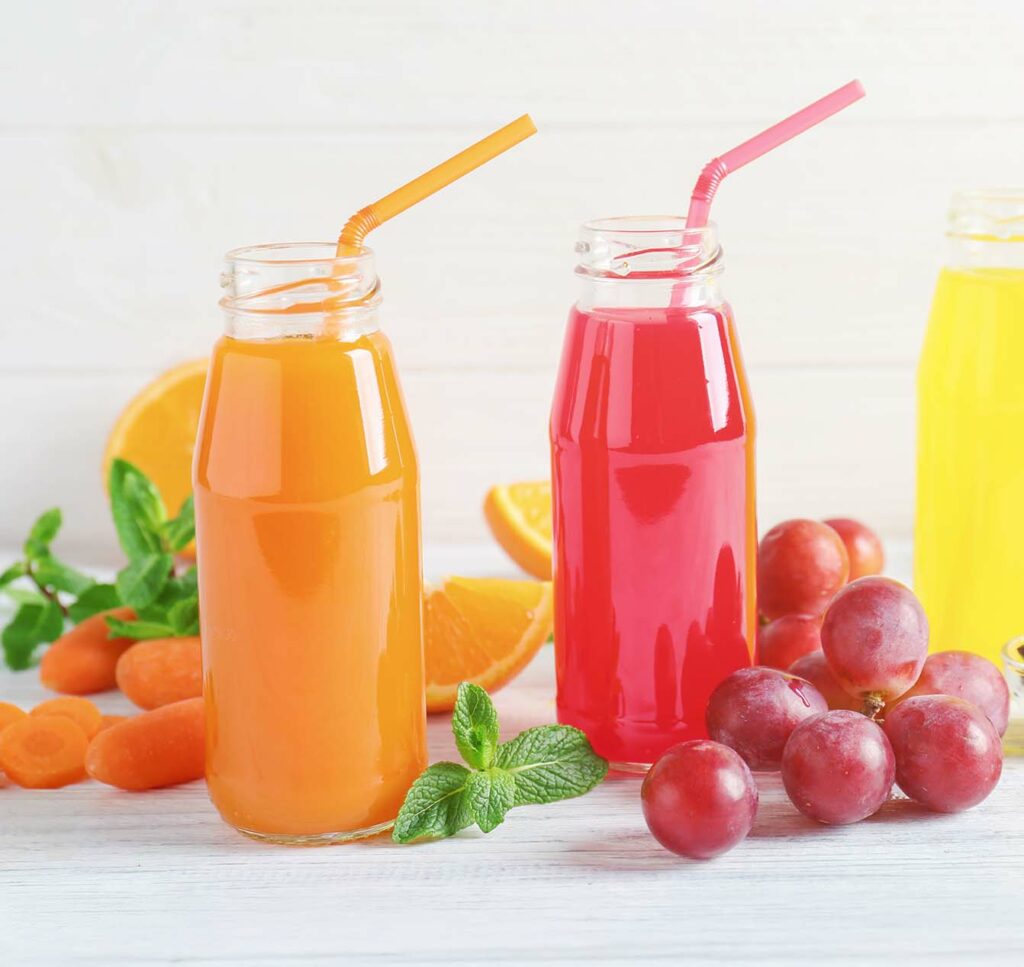
In the modern beverage industry, clarity is no longer just about transparency—it is about stability, consistency, and controlled appearance over time. A drink that looks perfect on the production line but separates in storage can quietly destroy brand trust. This is exactly where Pectin for Beverage Stabilization becomes a critical functional system rather than a simple additive. For factories aiming to scale fruit drinks, juice-based beverages, or functional drinks, sourcing from an experienced supplier such as MT Royal provides access to multiple pectin grades and brands that help maintain consistency across production lines without compromising cost efficiency or technical performance.
Beverage stabilization is one of those areas where physics, chemistry, and consumer psychology collide. A liquid may look simple, but inside the bottle, fruit particles, acids, sugars, and stabilizers are constantly negotiating their positions. Without proper stabilization, the system slowly separates—like an unorganized team after a long shift. Pectin steps in as the quiet supervisor that keeps everyone in place.
Understanding Pectin for Beverage Stabilization
Pectin for Beverage Stabilization refers to specialized hydrocolloid systems designed to control suspension, viscosity, and cloud stability in liquid beverages containing fruit pulp, juice, or functional ingredients.
Unlike its role in jams or yogurts, pectin in beverages is not about forming strong gels. Instead, its primary function is to maintain uniform dispersion of particles and prevent sedimentation or creaming during shelf life.
LATAMARKO LM60 – Premium Spanish-Origin Cocoa Powder
latamarko alkalized cocoa powder lm60
cocoa powder for chocolate production-Best price
Food industry raw materials – list of products
Best Brazilian Arabica Coffee Bean Supplier for Industrial Roaster
Uganda Bugisu Arabica Coffee Beans for Specialty Coffee Industry
Why Beverage Stabilization Is Technically Challenging
At first glance, beverages seem simple compared to dairy or bakery systems. However, they are among the most unstable food categories in industrial production.
The main challenges include:
- Gravity-driven sedimentation of pulp
- Phase separation in multi-component systems
- Heat-induced instability during pasteurization
- pH sensitivity in acidic drinks
- Particle aggregation over time
- Viscosity loss during storage
In high-speed beverage production lines, even a minor instability can lead to visible sediment layers at the bottom of bottles within days. Consumers rarely interpret this as a technical issue—they interpret it as poor quality.
We have observed in several industrial cases that improving stabilization systems reduced customer complaints related to “floating pulp” or “dirty-looking juice” by nearly 25–35% in certain fruit beverage categories.
How Pectin Works in Beverage Systems
To understand Pectin for Beverage Stabilization, it is important to examine how it behaves in a low-viscosity, high-water environment.
Unlike gel systems, beverage stabilization relies on subtle colloidal interactions rather than strong network formation.
Particle Suspension Mechanism
Pectin increases the viscosity of the continuous phase slightly, which slows down the movement of suspended particles such as fruit pulp or fibers. This reduces sedimentation without making the beverage thick or syrupy.
Electrostatic Repulsion
Pectin molecules carry negative charges that help prevent aggregation of particles. This keeps fruit particles evenly distributed throughout the liquid.
Hydration Layer Formation
Pectin forms a hydration shell around suspended particles, increasing their effective size and reducing their settling velocity.
Think of it as turning heavy sand into lightweight dust particles floating in a gentle current instead of sinking immediately.
Types of Pectin Used in Beverage Stabilization
Different beverage systems require different functional behaviors. Selecting the correct pectin type is essential for performance stability.
High Methoxyl (HM) Pectin
HM pectin is used in beverages with higher sugar content, often fruit nectars or sweetened juice drinks.
Characteristics:
- Works in acidic, high-soluble solids systems
- Provides moderate viscosity increase
- Suitable for traditional juice beverages
- Sensitive to pH and sugar balance
Low Methoxyl (LM) Pectin
LM pectin is widely used in modern beverage systems due to its flexibility.
Characteristics:
- Works in low-sugar beverages
- Calcium-dependent stabilization
- Excellent pulp suspension properties
- Suitable for functional drinks
Amidated Low Methoxyl Pectin
This is the most industrially versatile option for beverage stabilization.
Advantages include:
- Strong stability under thermal processing
- Improved tolerance to formulation variations
- Better resistance to storage stress
- Consistent suspension performance
It is particularly useful in factories producing multiple beverage SKUs where raw material variation is unavoidable.
Industrial Applications of Pectin for Beverage Stabilization
The use of Pectin for Beverage Stabilization spans a wide range of liquid food categories.
Fruit Juices with Pulp
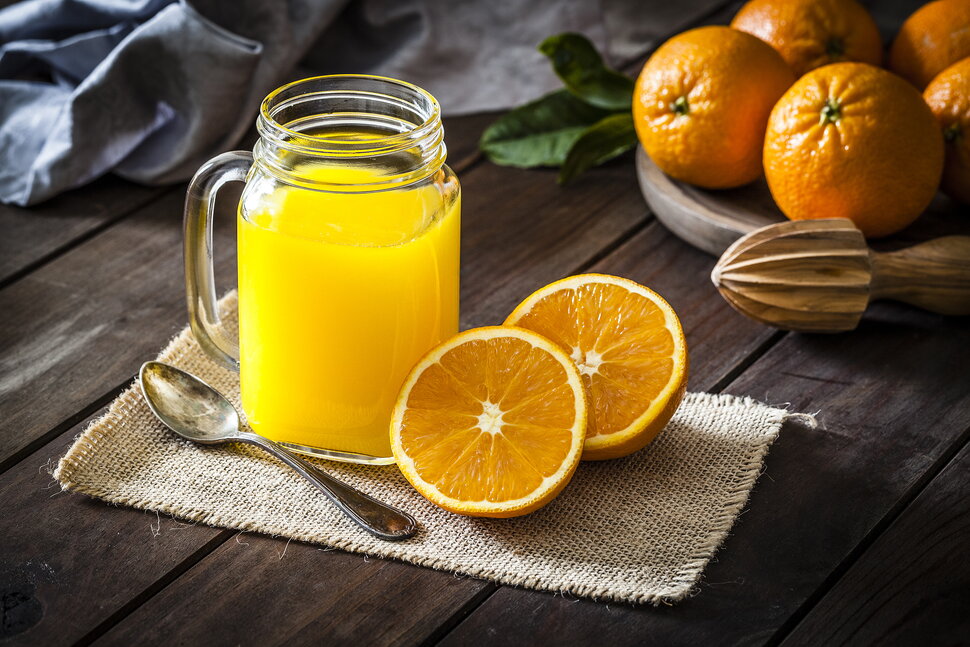
Pectin ensures even distribution of pulp particles such as orange segments or mango fibers, preventing sedimentation at the bottom of bottles.
Nectar and Juice Drinks
In nectar formulations, pectin helps maintain a uniform cloudiness that enhances visual appeal.
Functional Beverages
Protein drinks, vitamin waters, and fiber-enhanced beverages benefit from pectin’s ability to stabilize mixed systems.
Plant-Based Drinks
Emerging categories such as oat drinks and fruit-infused plant beverages rely on pectin to maintain consistency without artificial emulsifiers.
Carbonated Fruit Drinks
Even in lightly carbonated systems, pectin helps stabilize fruit particles against gas-induced separation.
Common Industrial Sourcing Mistakes
Many beverage stability issues originate not in production but in procurement decisions.
1. Assuming All Pectins Perform the Same
Different grades behave differently in low-viscosity systems. A pectin designed for jam will not perform properly in beverages.
2. Ignoring Long-Term Stability Tests
Short-term laboratory tests often fail to capture real shelf-life behavior. Beverage instability usually appears after days or weeks.
3. Over-Stabilization
Excess pectin can create a “heavy mouthfeel” that consumers perceive as unnatural or artificial.
4. Frequent Supplier Switching
Switching suppliers frequently introduces variability in hydration behavior and suspension performance.
This is why many manufacturers prefer structured sourcing through suppliers like MT Royal, which allows access to multiple validated brands under consistent technical support conditions.
Specialized Industrial Tips for Large-Scale Beverage Production
Scaling beverage production introduces challenges that are not visible in lab-scale trials.
To ensure consistent stabilization:
Pectin hydration should be optimized under real production mixing conditions, not just bench-top stirring tests. Industrial tanks introduce shear forces that significantly influence dispersion behavior.
Practical recommendations include:
- Pre-blending pectin with sugar for uniform dispersion
- Controlling hydration temperature precisely before mixing
- Standardizing fruit pulp particle size across suppliers
- Monitoring viscosity at multiple production stages
- Avoiding excessive mechanical agitation after stabilization
- Ensuring consistent pH adjustment timing
- Maintaining uniform thermal treatment conditions
Factories that implement these controls often see a measurable improvement in product uniformity and reduced sediment-related complaints.
Quality Control in Beverage Systems
Quality control in beverage stabilization must go beyond final inspection.
Key parameters include:
- Sedimentation rate over time
- Cloud stability index
- Viscosity consistency during storage
- Particle distribution uniformity
- pH drift monitoring
- Thermal stability after pasteurization
- Sensory consistency
Advanced manufacturers often simulate accelerated aging conditions to predict how beverages behave over 30–90 days of storage.
Market Trends Driving Pectin Demand in Beverages
The global beverage industry is evolving rapidly, and stabilization technologies are adapting accordingly.
Key trends include:
- Growth of fruit-based functional beverages
- Rising demand for clean label stabilization systems
- Expansion of low-sugar drink categories
- Increased use of real fruit inclusions
- Demand for natural clouding agents
- Growth in plant-based beverage alternatives
Industry data suggests that stabilized fruit beverages are growing at approximately 6–9% annually in many global markets, particularly in Asia and Europe.
Frequently Asked Questions
Why does fruit pulp settle in beverages?
Because of gravity-driven sedimentation when viscosity and particle stabilization are insufficient.
Can pectin replace emulsifiers in beverages?
In some systems, yes, but performance depends on formulation complexity and ingredient interactions.
Does pectin affect beverage taste?
Properly used pectin is neutral and does not alter flavor profiles.
What is the most important factor in beverage stabilization?
Particle suspension balance between viscosity, charge interaction, and system acidity.
Why do beverages look stable at production but separate later?
Because long-term stability depends on slow molecular interactions that are not visible in short tests.
Final Perspective: Stability Is Designed, Not Accidental
In beverage manufacturing, visual consistency is as important as flavor. Consumers rarely analyze why a drink looks unstable—they simply move on to another brand. Pectin for Beverage Stabilization plays a critical role in ensuring that fruit particles remain evenly distributed, cloudiness stays uniform, and the product maintains its intended appearance throughout its shelf life.
Factories that treat stabilization as an engineering discipline rather than a formulation detail consistently achieve better market performance and fewer quality complaints. With structured sourcing from suppliers like MT Royal, manufacturers gain access to multiple technical solutions that help them adapt to evolving beverage trends without compromising stability or efficiency.
In the end, a beverage does not lose quality in a single moment—it loses it slowly, quietly, when stability is not properly engineered from the beginning.

No comment