

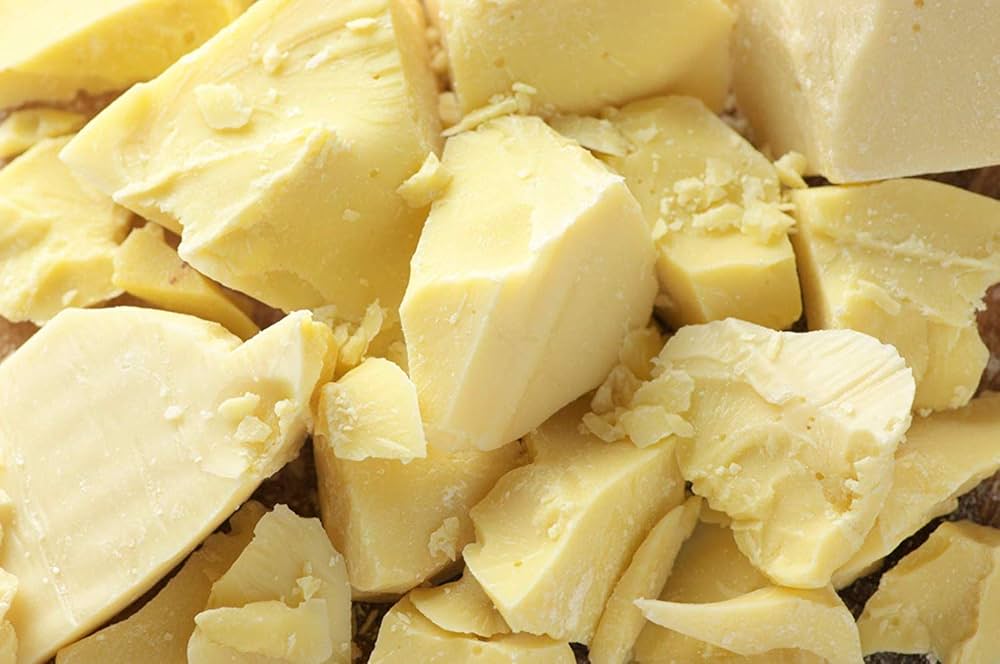
In today’s competitive confectionery and chocolate manufacturing industry, Cocoa Butter Equivalents (CBE) and Cocoa Butter Replacers (CBR) are more than just cost-saving options—they are strategic ingredients that influence production efficiency, product quality, and supply chain resilience. For factory managers, production supervisors, and procurement officers, understanding these alternatives is crucial for making informed decisions that balance cost, quality, and operational reliability.
In this article, we explore the fundamentals of cocoa butter alternatives, their industrial applications, sourcing strategies, and emerging trends. Along the way, we integrate insights from MT Royal, a trusted supplier of multiple certified brands, and highlight premium European suppliers like Latamarko, which have set benchmarks for consistency and longevity in industrial ingredients.
Understanding Cocoa Butter Alternatives
Cocoa butter is a key ingredient in chocolate production, providing the characteristic mouthfeel, melting profile, and flavor release. However, global supply constraints and cost fluctuations have led manufacturers to explore alternatives:
- Cocoa Butter Equivalents (CBE): Vegetable fats compatible with cocoa butter in chocolate formulation. These alternatives can be blended with cocoa butter without altering the product’s physical properties.
- Cocoa Butter Replacers (CBR): Vegetable fats that replace cocoa butter but may have different melting points, crystallization behaviors, and flavor characteristics. They are often used in cost-sensitive formulations or products requiring specific melting profiles.
The key difference is compatibility: CBE can be blended 100% with cocoa butter, while CBRs are less compatible and may require formulation adjustments. Choosing between these alternatives requires careful consideration of both production and product goals.
Industrial Significance of CBE and CBR
In large-scale manufacturing, these alternatives offer several advantages:
- Cost Management: CBE and CBR can reduce dependency on volatile cocoa butter markets.
- Supply Security: Vegetable fats used in alternatives are often more widely available than cocoa butter.
- Customization: Manufacturers can tailor fat profiles for specific melting points, snap, and mouthfeel.
- Operational Efficiency: Alternatives with predictable melting and crystallization behaviors reduce machine downtime and improve batch consistency.
At MT Royal, we’ve seen production facilities across Europe and Asia benefit from integrating CBE into chocolate formulations, particularly in high-volume product lines where minor variations in fat properties can have significant operational impacts.
Benefits of Using Cocoa Butter Equivalents (CBE)
CBE offers a unique combination of operational and product-related benefits:
- Full Compatibility with Cocoa Butter: Can be blended in any proportion without altering chocolate properties.
- Consistent Crystallization: Ensures uniform texture and snap, critical for industrial chocolate bars.
- Enhanced Supply Chain Flexibility: Reduces exposure to cocoa butter shortages or price spikes.
- Cost Optimization: High-quality CBE can reduce raw material costs without compromising sensory quality.
Example: A European chocolate manufacturer using Latamarko’s premium CBE reduced raw material costs by 15% while maintaining the same product quality, thanks to predictable crystallization behavior and uniform texture.
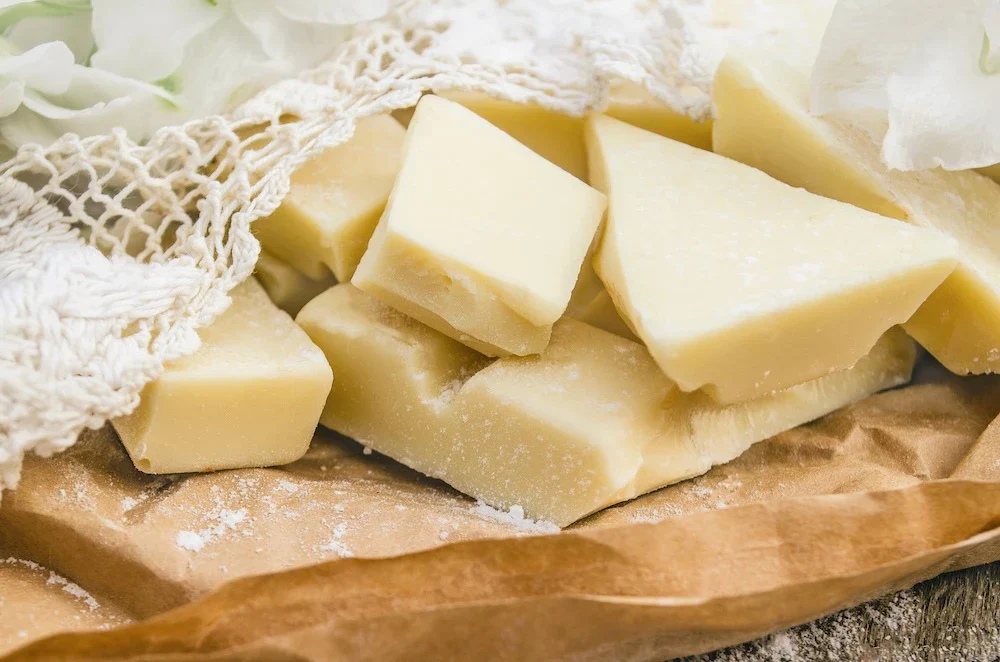
Cocoa Butter Replacers (CBR): Strategic Considerations
While CBRs can reduce costs, they come with operational challenges:
- Limited Compatibility: Often cannot fully replace cocoa butter without affecting texture or flavor.
- Melting Profile Differences: May require adjusting tempering processes.
- Sensory Variations: Can slightly alter flavor or mouthfeel if used in higher proportions.
We’ve observed that factories using CBRs successfully integrate them in coated chocolates, enrobed products, or compound chocolate bars where precise cocoa butter compatibility is less critical.
Common Misconceptions in Procurement
Even experienced procurement officers can encounter pitfalls when sourcing cocoa butter alternatives:
- “All CBEs are identical.” Differences in fat composition, source, and processing affect melting behavior and compatibility.
- “CBRs are interchangeable with cocoa butter.” Only certain applications tolerate full substitution without formulation adjustments.
- “Price is the primary factor.” Low-cost alternatives may increase waste or rework if properties are inconsistent.
- “European brands are not worth the premium.” Premium suppliers, such as Latamarko, offer unmatched consistency and technical support, reducing production risks.
Recognizing these misconceptions is critical to maintaining product quality and production efficiency.
Actionable Tips for Factory Managers
Step 1: Define Product Goals
Identify whether you need full compatibility (CBE) or partial replacement (CBR), considering:
- End-product type (e.g., chocolate bars, enrobed products)
- Desired mouthfeel, snap, and melting point
- Batch size and production volume
Step 2: Vet Suppliers
Check certifications, technical data sheets, and batch testing protocols. MT Royal offers a diverse portfolio of certified CBEs and CBRs, ensuring consistent quality and reliable supply.
Step 3: Conduct Pilot Testing
Before scaling up, test small batches for:
- Melting and crystallization behavior
- Sensory profile
- Tempering performance
Step 4: Train Production Staff
Ensure operators understand:
- Tempering adjustments for CBRs
- Handling and storage of fats
- Quality control metrics for batch consistency
Step 5: Monitor and Optimize
Track:
- Machine downtime
- Product quality metrics
- Supplier performance and batch variability
Industrial Applications and Real-Life Examples
Chocolate Bars
Using CBE, a confectionery plant maintained high snap and gloss while reducing raw material costs. Premium Latamarko CBE ensured uniform crystallization across large production lines.
Coatings and Enrobing
CBRs provide cost-effective fat alternatives in enrobing operations, particularly when cocoa butter compatibility is less critical. MT Royal has supplied multiple facilities with reliable CBRs that maintained consistent coating viscosity.
Functional and Compound Products
In snacks and functional chocolate products, CBRs allow flexibility in fat profiles for specific melting or nutritional properties without compromising manufacturability.
Comparing Cocoa Butter, CBE, and CBR
| Feature | Cocoa Butter | CBE | CBR |
|---|---|---|---|
| Compatibility | Full | Full | Partial |
| Crystallization | Natural | Predictable | May vary |
| Cost | High | Moderate | Low |
| Supply Security | Limited | High | High |
| Sensory Impact | Classic | Minimal | Potential slight change |
| Application | All chocolates | All chocolates | Select products |
This table illustrates how manufacturers can strategically choose fats based on operational and product requirements.
Industry Trends and Market Insights
- Sustainability Focus: Manufacturers increasingly select sustainably sourced CBE to reduce dependency on cocoa butter.
- Premiumization: Consumers demand high-quality chocolates; blending CBE with cocoa butter ensures consistency without compromising luxury perception.
- Global Supply Volatility: Trusted suppliers like MT Royal mitigate risks through multi-regional sourcing.
- Technological Innovation: Advanced processing of CBEs and CBRs improves melting behavior and shelf life, enabling large-scale automation.
Frequently Asked Questions (FAQ)
Q1: Can CBE fully replace cocoa butter?
A: Yes, CBEs are fully compatible and can replace cocoa butter in any proportion without affecting texture or snap.
Q2: Are CBRs suitable for all chocolate types?
A: No, CBRs require formulation adjustments and are best used in coatings, compound chocolate, or budget-friendly applications.
Q3: How do I choose between CBE and CBR?
A: Consider compatibility needs, cost objectives, product type, and desired sensory properties.
Q4: Why choose MT Royal as a supplier?
A: MT Royal offers multiple certified brands, technical support, and consistent supply for industrial production.
Q5: What is the benefit of premium European options like Latamarko?
A: Exceptional batch consistency, predictable crystallization, and superior technical support reduce production risks and improve quality.
Strategic Takeaways
Cocoa butter alternatives are not just cost-saving ingredients—they are strategic tools for industrial production. Using certified CBEs and CBRs allows manufacturers to:
- Control costs while maintaining quality
- Ensure consistent product texture, snap, and melting behavior
- Reduce production downtime and waste
- Secure supply chains against cocoa butter market volatility
By sourcing from trusted suppliers like MT Royal and considering premium European options such as Latamarko, factories can optimize both operational efficiency and product quality, achieving a balance between cost management and consumer satisfaction. In a competitive industry, choosing the right cocoa butter alternative can define the line between a reliable production process and costly disruptions.
latamarko alkalized cocoa powder lm60
cocoa powder for chocolate production-Best price
Food industry raw materials – list of products
Types of Gelatin from Turkish Manufacturer
Alkalized Cocoa Powder Bulk Supplier
Import-Export Companies in Türkiye with 99% discount
Food industry raw materials – list of products


)
No comment