

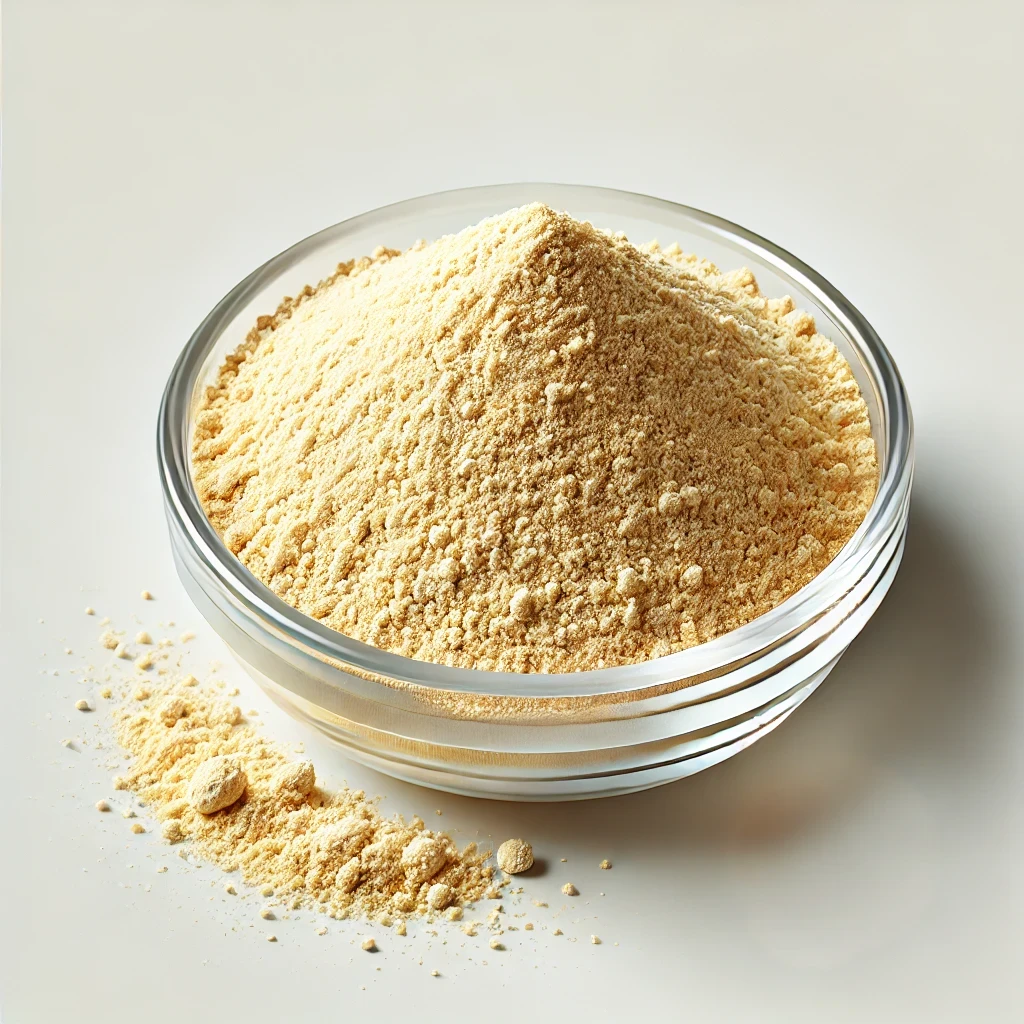
In the modern food industry, small ingredients often have the biggest impact. Lecithin is a perfect example. Although it is typically used in relatively low percentages, it plays a critical role in product texture, stability, processing efficiency, shelf life, and overall product quality. For manufacturers operating in Libya, selecting the right Lecithin Supplier in Libya can influence everything from production consistency to operational costs.
If your factory produces chocolate, confectionery, bakery products, instant beverages, margarine, dairy alternatives, nutritional products, or processed foods, lecithin is likely one of the ingredients quietly working behind the scenes to ensure your products meet customer expectations. Choosing a reliable supplier is therefore not simply a purchasing decision—it is a strategic manufacturing decision.
Many factories throughout North Africa increasingly seek sourcing partners capable of supplying high-quality lecithin from multiple international brands while providing dependable logistics and competitive pricing. This is one reason why MT Royal has become a trusted sourcing partner for industrial buyers looking for reliable ingredient solutions across multiple food manufacturing sectors.
As consumer expectations continue to rise and production processes become more sophisticated, understanding lecithin, its applications, sourcing challenges, and supplier selection criteria becomes essential for manufacturers seeking long-term operational success.
LATAMARKO LM60 – Premium Spanish-Origin Cocoa Powder
latamarko alkalized cocoa powder lm60
cocoa powder for chocolate production-Best price
Food industry raw materials – list of products
Understanding Lecithin and Its Industrial Importance
Before evaluating a Lecithin Supplier in Libya, it is important to understand exactly what lecithin is and why it remains one of the most widely used functional ingredients in food manufacturing.
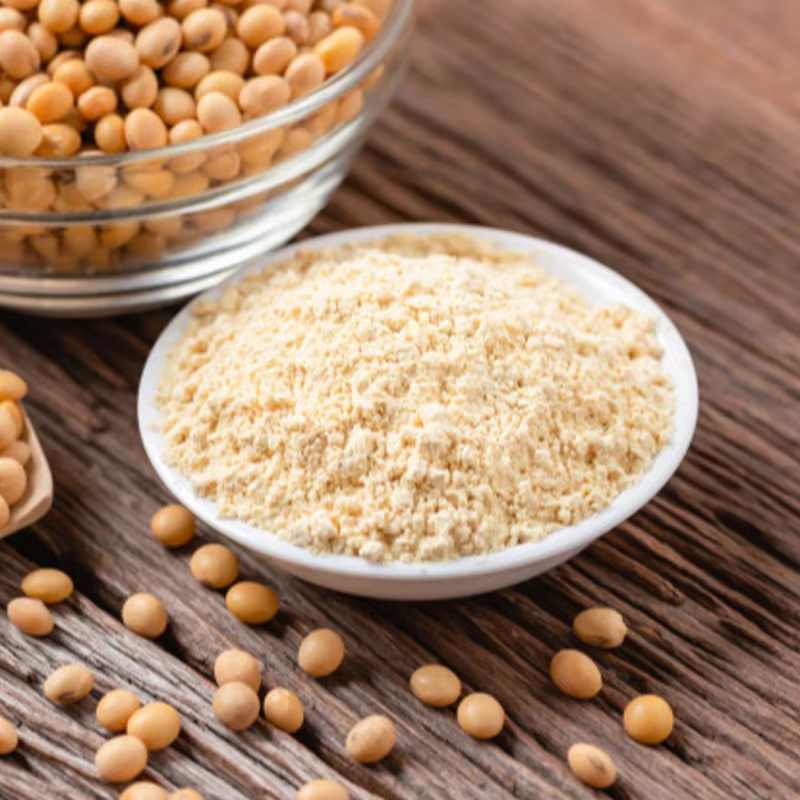
Lecithin is a naturally occurring mixture of phospholipids commonly extracted from soybeans, sunflower seeds, rapeseed, or egg yolk. Its unique molecular structure allows it to act as an emulsifier, meaning it helps blend ingredients that would normally separate, such as oil and water.
In industrial production environments, lecithin functions as much more than an emulsifier.
Its benefits include:
- Improved product consistency
- Enhanced texture and mouthfeel
- Better ingredient dispersion
- Reduced viscosity
- Extended shelf life
- Improved process efficiency
- Reduced production waste
- Enhanced stability during storage
Without lecithin, many modern food products would struggle to achieve the appearance, texture, and functionality consumers expect.

Why Lecithin Is Essential in Modern Food Manufacturing
Food manufacturers often describe lecithin as a “silent production partner.” Consumers rarely notice it, yet production teams quickly recognize its importance when it is absent.
Improved Emulsification
One of lecithin’s primary functions is creating stable emulsions.
Applications include:
- Chocolate manufacturing
- Margarine production
- Sauces and dressings
- Dairy alternatives
- Instant beverage mixes
By reducing surface tension between ingredients, lecithin helps maintain product uniformity throughout production and storage.
Enhanced Processing Efficiency
Manufacturing efficiency directly affects profitability.
Lecithin contributes by:
- Improving flow characteristics
- Reducing mixing times
- Enhancing ingredient distribution
- Reducing equipment wear
- Supporting continuous processing
For large-scale manufacturers, even small efficiency improvements can generate substantial annual savings.
Better Finished Product Quality
Product quality often depends on ingredient interactions occurring at a microscopic level.
Lecithin can improve:
- Texture
- Creaminess
- Mouthfeel
- Stability
- Visual appearance
The result is a more consistent consumer experience.
Types of Lecithin Available for Industrial Applications
When working with a Lecithin Supplier in Libya, manufacturers should understand the different types available and their specific applications.
Soy Lecithin
Soy lecithin remains the most widely used commercial form.
Advantages include:
- Cost-effectiveness
- High functionality
- Broad availability
- Excellent emulsification properties
Applications include:
- Chocolate
- Bakery products
- Confectionery
- Dairy products
- Processed foods
Sunflower Lecithin
Demand for sunflower lecithin has increased significantly in recent years.
Reasons include:
- Non-GMO positioning
- Allergen-friendly profile
- Clean-label compatibility
Many premium food brands now prefer sunflower lecithin as part of their ingredient strategies.
Liquid Lecithin
Liquid lecithin is commonly used in industrial processing environments.
Benefits include:
- Easy incorporation
- Excellent dispersion
- Suitable for continuous production systems
Powdered Lecithin
Powdered lecithin offers advantages for dry blending applications.
Common uses include:
- Nutritional supplements
- Instant beverage powders
- Bakery premixes
- Functional food formulations
De-Oiled Lecithin
De-oiled lecithin provides higher phospholipid concentrations.
Applications include:
- Nutraceutical products
- Pharmaceutical formulations
- Specialty food systems
Common Mistakes When Sourcing Lecithin
Many procurement challenges arise from avoidable errors.
Focusing Only on Price
The cheapest lecithin option may not deliver the lowest total production cost.
Potential hidden costs include:
- Reduced performance
- Increased dosage requirements
- Production inefficiencies
- Quality issues
A slightly higher-priced ingredient often delivers superior overall value.
Ignoring Application Requirements
Different applications require different lecithin specifications.
For example:
- Chocolate manufacturers may prioritize viscosity reduction.
- Bakery manufacturers may prioritize dough performance.
- Beverage manufacturers may prioritize dispersibility.
Using the wrong grade can compromise production efficiency.
Insufficient Supplier Evaluation
Factories sometimes underestimate the importance of supplier reliability.
Evaluation should include:
- Product quality
- Technical capabilities
- Delivery performance
- Documentation standards
- Industry experience
Lack of Supply Chain Diversification
Single-source dependency creates unnecessary risk.
Successful procurement teams typically maintain alternative sourcing options for critical ingredients.
Global Trends Influencing Lecithin Demand
Several market trends continue driving demand for lecithin worldwide.
Growth of Clean Label Products
Consumers increasingly prefer recognizable ingredients.
Lecithin benefits from being:
- Naturally derived
- Familiar to consumers
- Compatible with clean-label formulations
Expansion of Plant-Based Foods
The plant-based sector continues growing rapidly.
Lecithin supports numerous plant-based applications, including:
- Dairy alternatives
- Vegan confectionery
- Meat alternatives
- Functional beverages
Increased Demand for Functional Foods
Modern consumers increasingly seek products that combine convenience with nutritional value.
This trend supports demand for lecithin in:
- Protein products
- Nutritional beverages
- Dietary supplements
Supply Chain Resilience
Manufacturers increasingly prioritize supply security.
As a result, supplier selection now focuses on:
- Reliability
- Inventory management
- Geographic sourcing diversity
- Risk mitigation
Specialized Industrial Tips for Large-Scale Manufacturers
Factories producing thousands of tons annually face unique challenges.
Several best practices can improve lecithin utilization.
Optimize Dosage Through Production Trials
More lecithin does not always mean better performance.
Controlled testing can identify optimal dosage levels that balance functionality and cost.
Monitor Seasonal Supply Conditions
Agricultural factors influence lecithin availability and pricing.
Procurement teams should monitor:
- Soybean harvest conditions
- Sunflower crop forecasts
- Commodity market trends
Standardize Quality Specifications
Clear specifications reduce variability.
Important parameters include:
- Viscosity
- Acetone insoluble content
- Moisture levels
- Color characteristics
Strengthen Supplier Relationships
Long-term supplier partnerships often provide advantages such as:
- Improved allocation during shortages
- Better communication
- Technical support access
- Greater supply stability
In our collaboration with various manufacturers, we have seen that strong supplier relationships often prove more valuable during market disruptions than aggressive price negotiations.
How MT Royal Supports Lecithin Procurement
Manufacturers increasingly seek suppliers capable of simplifying procurement processes while maintaining ingredient quality.
MT Royal serves industrial buyers by offering access to multiple ingredient categories and international brands, helping factories streamline sourcing operations.
This approach can support:
- Procurement efficiency
- Supply chain reliability
- Product consistency
- Purchasing flexibility
Rather than navigating numerous suppliers across different markets, manufacturers can often simplify ingredient sourcing through a trusted partner relationship.
We have observed that procurement teams frequently achieve better planning accuracy when working with suppliers capable of supporting broader ingredient portfolios.
Future Outlook for Lecithin in Libya
The outlook for lecithin demand in Libya remains positive.
Several factors support continued growth:
- Expansion of domestic food manufacturing
- Growth in confectionery production
- Increased bakery consumption
- Rising demand for convenience foods
- Development of nutritional product categories
As production standards continue evolving, ingredient functionality becomes increasingly important.
Manufacturers that invest in quality sourcing today will likely gain operational advantages tomorrow.
The future of food manufacturing increasingly depends on precision, consistency, and supply chain resilience. Lecithin sits at the intersection of all three. While consumers rarely notice it on an ingredient declaration, production teams understand its significance every day. From improving chocolate flow characteristics to enhancing bakery performance and stabilizing complex emulsions, lecithin remains one of the most versatile ingredients in modern manufacturing.
For factories seeking a dependable Lecithin Supplier in Libya, success depends on more than finding a product. It requires identifying a sourcing partner capable of delivering quality, consistency, technical expertise, and supply chain reliability. Companies such as MT Royal continue supporting manufacturers by providing access to multiple global brands, competitive sourcing solutions, and the experience needed to navigate increasingly complex ingredient markets. In an industry where efficiency and consistency define competitiveness, the right lecithin supplier becomes an essential contributor to long-term manufacturing success.


No comment