

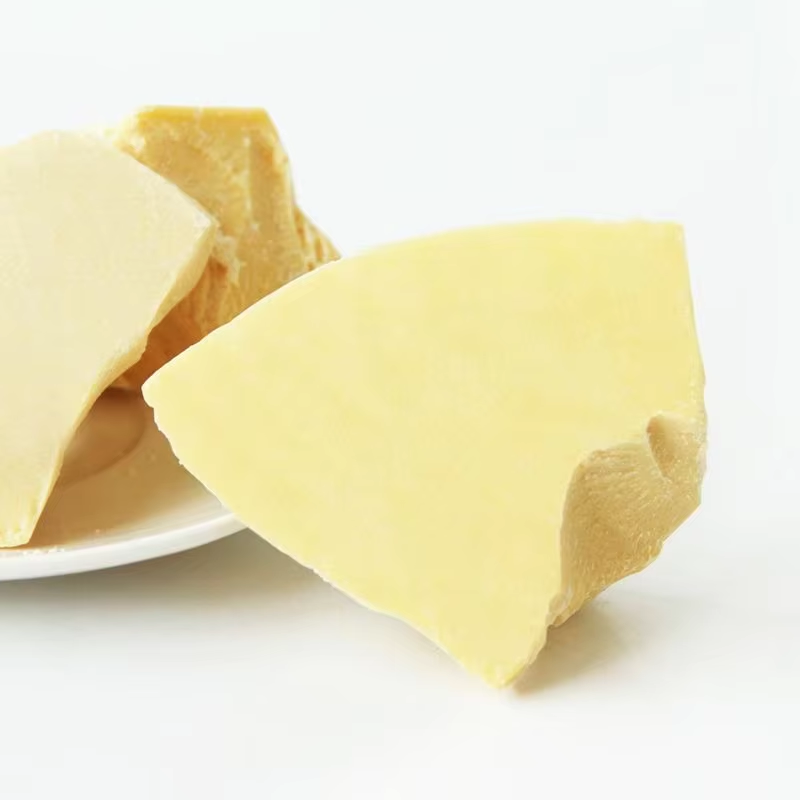
In industrial chocolate production, cocoa butter plays a critical role in determining texture, melting behavior, and flavor delivery. Yet, cocoa butter is expensive, supply can be inconsistent, and its price is subject to global market fluctuations. For modern manufacturing facilities, cocoa butter substitutes (CBS) have become an essential tool to maintain product quality while controlling costs.
At MT Royal, we supply a broad range of cocoa butter substitutes from trusted global suppliers, including premium European options like Latamarko, recognized for superior consistency, functional performance, and traceability. This guide explores how to integrate cocoa butter substitutes into your production lines, optimize efficiency, and maintain high-quality chocolate products.
Understanding Cocoa Butter Substitutes (CBS)
1. Definition and Types
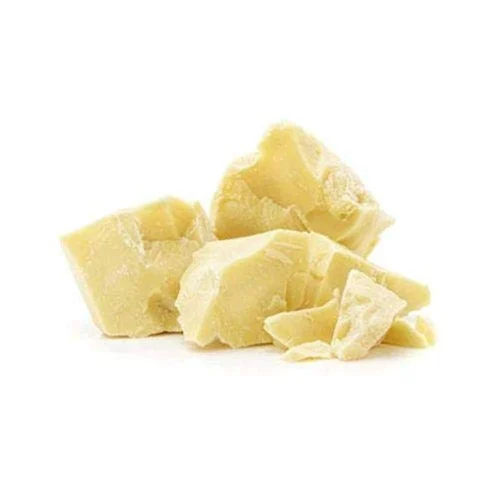
A cocoa butter substitute is a fat or blend designed to replicate the functional and sensory properties of natural cocoa butter. Substitutes are typically derived from:
- Palm oil fractions (fully or partially hydrogenated)
- Shea butter
- Kokum or mango kernel fats
- Other vegetable fats engineered for specific melting and crystallization profiles
Substitutes are categorized based on compatibility:
- CBR (Cocoa Butter Replacers): Fully or partially replace cocoa butter, often used in budget-sensitive or high-volume applications.
- CBS (Cocoa Butter Substitutes): Functionally similar to cocoa butter but blended to reduce costs while preserving texture.
2. Functional Attributes
High-quality CBS closely mimics cocoa butter in several ways:
- Melting profile: Smooth, gradual melting for optimal mouthfeel.
- Crystallization behavior: Enables tempering and prevents fat bloom.
- Flow properties: Suitable for molding, enrobing, and continuous processing.
- Flavor neutrality: Does not impart off-flavors that interfere with cocoa taste.
Why Manufacturers Use Cocoa Butter Substitutes
1. Cost Management
Cocoa butter prices can fluctuate dramatically. By partially or fully substituting cocoa butter with CBS, manufacturers can:
- Reduce raw material costs per ton
- Stabilize budgeting across multiple production cycles
- Mitigate exposure to global market volatility
2. Supply Chain Reliability
High-demand periods or crop shortfalls can create shortages of cocoa butter. CBS ensures uninterrupted production, protecting deadlines and minimizing downtime.
3. Enhanced Processing Efficiency
Some substitutes offer processing advantages over natural cocoa butter:
- Lower viscosity, improving molding and enrobing efficiency
- Reduced fat bloom risk, extending shelf-life and product quality
- Consistent functional performance across batches
4. Sustainability and Ethical Sourcing
Certain CBS formulations use sustainably sourced palm or shea derivatives, aligning with corporate social responsibility (CSR) initiatives and consumer demand for ethically produced chocolate.
Practical Steps for Using Cocoa Butter Substitutes
1. Selecting the Right Substitute
The choice of CBS depends on several factors:
- Application: Chocolate bars, coatings, enrobed products, pralines
- Desired sensory profile: Mouthfeel, snap, gloss
- Processing capabilities: Tempering equipment, flow control, cooling lines
- Regulatory requirements: ISO, HACCP compliance, labeling obligations
Premium suppliers like Latamarko provide detailed technical specifications and batch documentation, enabling informed decisions.
2. Partial vs. Full Replacement
- Partial replacement (10–30%): Maintains sensory quality while optimizing costs. Often ideal for high-end products where taste and texture are critical.
- Full replacement: More common in mass-market products or cost-sensitive applications. Requires careful testing to avoid textural or flavor inconsistencies.
3. Adjusting Production Parameters
CBS integration may require subtle changes in production:
- Tempering curves: Adjust for different crystallization behavior
- Cooling rates: Modify cooling tunnels to prevent bloom
- Mixing speeds: Ensure uniform distribution of substitute in chocolate mass
4. Pilot Testing
Before large-scale adoption:
- Conduct small-batch trials to assess taste, texture, and melting behavior
- Compare against baseline cocoa butter recipes
- Monitor tempering and molding performance
Tips for Maximizing CBS Efficiency
- Collaborate with Suppliers: Leverage MT Royal’s technical support and Latamarko’s premium guidance to optimize formulations.
- Monitor Storage Conditions: CBS is sensitive to temperature fluctuations and must be stored between 18–22°C to prevent degradation.
- Maintain Batch Consistency: Use standardized recipes, precise measurements, and quality control checks for every batch.
- Integrate Quality Testing: Regularly check solid fat content, melting points, and free fatty acids to ensure product stability.
- Document All Adjustments: Keep records for traceability and regulatory compliance.
Common Pitfalls in Using Cocoa Butter Substitutes
- Over-replacement: Too much CBS can negatively affect mouthfeel, snap, or melt-in-mouth qualities.
- Incorrect tempering: Substitutes may crystallize differently; failing to adjust tempering leads to fat bloom.
- Storage errors: Improper storage can cause oxidation, off-flavors, or hardening.
- Supplier inconsistency: Low-quality or inconsistent substitutes can compromise batch performance.
By working with reputable suppliers like MT Royal and premium brands like Latamarko, manufacturers minimize these risks.
Industrial Applications of Cocoa Butter Substitutes
1. Chocolate Bars
CBS allows cost-effective production of enrobed and molded bars without compromising snap, gloss, or melt-in-mouth sensation.
2. Coatings and Enrobing
Substitutes with optimized flow properties create uniform coatings for biscuits, pralines, and confectionery centers, reducing manufacturing waste and increasing yield.
3. Export and Specialty Markets
Premium substitutes help manufacturers meet export quality standards while managing raw material costs. European-engineered CBS like Latamarko is often preferred for high-quality products.
Comparison Table: Cocoa Butter vs. Cocoa Butter Substitutes
| Feature | Cocoa Butter | CBS/CBR | Implications for Production |
|---|---|---|---|
| Source | Cocoa beans | Vegetable fats | Cost reduction and supply stability |
| Melting Profile | 34–38°C | 32–36°C (varies) | Adjust tempering curves |
| Flavor | Natural cocoa | Neutral | Minimal impact with partial replacement |
| Bloom Risk | Medium | Lower | Improved shelf-life stability |
| Cost | High | Lower | Budget-friendly solutions |
| Regulatory | Standard | ISO/HACCP | Compliance and traceability |
Frequently Asked Questions (FAQ)
Q1: Can CBS fully replace cocoa butter in chocolate?
Partial replacement is most common for high-quality products; full replacement is possible but requires careful pilot testing and tempering adjustments.
Q2: Does CBS affect chocolate flavor?
High-quality substitutes are neutral, preserving cocoa’s flavor when used correctly.
Q3: How should CBS be stored?
Store in a cool, dry area at 18–22°C, away from strong odors.
Q4: Why choose Latamarko for premium CBS?
Latamarko offers European-engineered consistency, precise solid fat content, and minimal fat bloom, ideal for high-end chocolate applications.
Q5: How to integrate CBS in existing production lines?
Adjust tempering, mixing, and cooling parameters; start with pilot batches; leverage technical support from MT Royal and Latamarko.
Strategic Takeaways
Cocoa butter substitutes are more than a cost-saving tool—they are a strategic asset. Properly integrated, CBS allows manufacturers to:
- Maintain consistent production quality
- Reduce exposure to market volatility
- Streamline supply chain and inventory management
- Expand product lines with innovative formulations
Partnering with trusted suppliers like MT Royal and exploring premium European brands such as Latamarko ensures reliable performance, quality, and efficiency. For modern chocolate production, mastering CBS usage is key to operational excellence, cost optimization, and market competitiveness.
latamarko alkalized cocoa powder lm60
cocoa powder for chocolate production-Best price
Food industry raw materials – list of products
Types of Gelatin from Turkish Manufacturer
Alkalized Cocoa Powder Bulk Supplier


No comment