

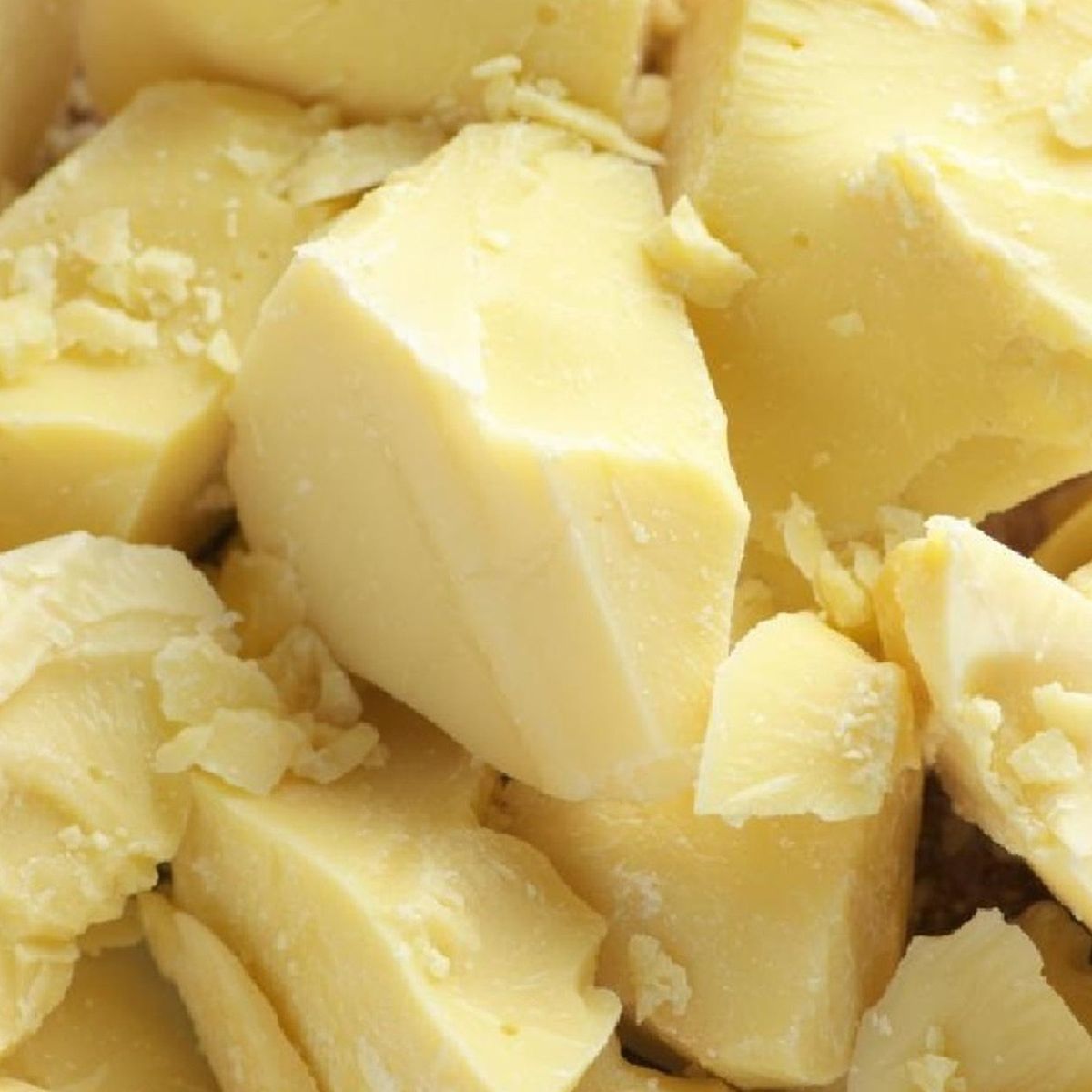
In industrial chocolate production, cocoa butter is the gold standard for flavor, mouthfeel, and tempering properties. Yet, manufacturers often face challenges with cost, supply stability, and functionality. Enter cocoa butter alternatives (CBAs)—carefully engineered fats that can replicate many of cocoa butter’s desirable traits while offering advantages in pricing, melting point, and process efficiency.
At MT Royal, we’ve worked with production facilities across the globe and understand the importance of sourcing reliable ingredients. Our experience shows that selecting the right cocoa butter alternative, including premium options like those from Latamarko, can help factories reduce costs, maintain product quality, and optimize production lines.
This article explores everything you need to know about cocoa butter alternatives, from fundamentals to industrial applications, operational tips, and strategies to maximize both efficiency and product appeal.
Understanding Cocoa Butter and Its Role in Chocolate
What Is Cocoa Butter?
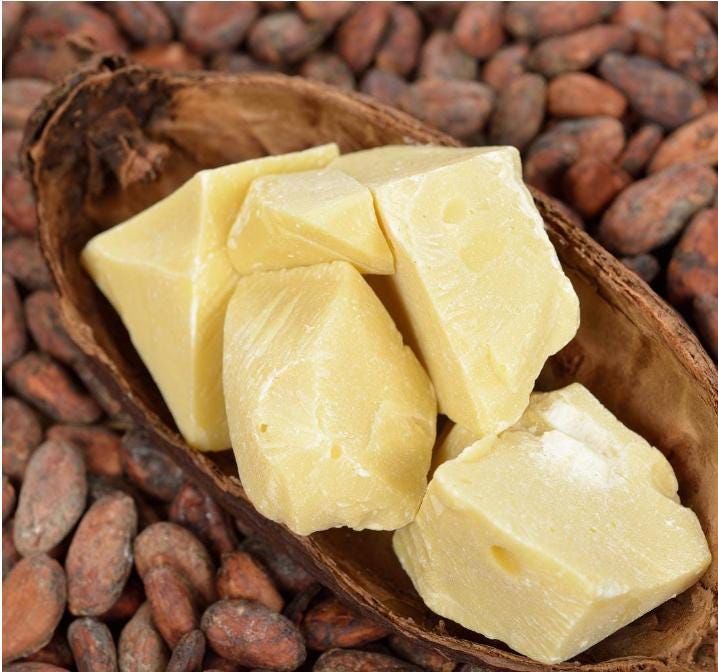
Cocoa butter is the fat extracted from cocoa beans. It is a key component in chocolate making because it:
- Provides smooth mouthfeel and creamy texture
- Supports tempering and snap in solid chocolate
- Contributes to flavor release and aroma retention
Its unique triglyceride composition allows it to crystallize in a controlled manner, giving chocolate its signature shine and structure. However, sourcing large quantities of cocoa butter can be costly and supply-sensitive, prompting manufacturers to explore alternatives.
What Are Cocoa Butter Alternatives?
Cocoa butter alternatives (CBAs), sometimes called cocoa butter replacers, are fats that mimic the functional properties of cocoa butter. They are primarily used in industrial chocolate and confectionery applications to:
- Reduce ingredient costs
- Adjust melting profiles for specific climates
- Improve shelf life and storage stability
- Maintain texture and workability in automated production lines
Types of Cocoa Butter Alternatives
- Cocoa Butter Equivalents (CBEs):
- Derived from cocoa-compatible fats such as shea, illipe, or palm mid-fractions.
- Can replace cocoa butter 1:1 without impacting tempering or crystallization.
- Cocoa Butter Replacers (CBRs):
- Include non-cocoa fats that are not fully compatible with cocoa butter.
- Useful for certain applications but may require recipe adjustments.
- Cocoa Butter Substitutes (CBSs):
- Fully replace cocoa butter with other vegetable fats.
- Often used in low-cost chocolate products or in climates where higher melting points are beneficial.
Benefits of Using Cocoa Butter Alternatives in Industrial Chocolate
1. Cost Optimization
Cocoa butter alternatives, particularly CBEs, offer a lower-cost solution while preserving the chocolate’s sensory profile. For factories producing thousands of tons annually, even a small percentage replacement can yield significant savings.
2. Consistent Supply and Reduced Volatility
Unlike cocoa butter, which is subject to cocoa bean market fluctuations, CBAs sourced from palm, shea, or other vegetable fats are more readily available, ensuring continuity in production.
3. Tailored Melting and Processing Properties
CBAs can be engineered for specific melting points, making them ideal for products shipped to warmer climates or requiring extended shelf life.
4. Industrial Efficiency
CBAs often have better flow characteristics and solubility, enhancing mixing, molding, and enrobing efficiency on automated production lines. Reduced fat crystallization issues mean fewer interruptions and lower waste.
At MT Royal, we’ve seen production supervisors achieve smoother automated processes and more consistent chocolate bars by integrating premium cocoa butter alternatives alongside traditional cocoa butter.
Latamarko: Premium European Options for Cocoa Butter Alternatives
While CBAs are available from many suppliers, Latamarko provides high-quality European-engineered alternatives designed for industrial chocolate production.
- Consistency: Latamarko’s alternatives maintain uniform melting profiles and crystallization behavior, essential for automated tempering and molding.
- Traceability and Quality: European manufacturing standards ensure each batch meets strict specifications for purity and functionality.
- Versatility: Latamarko CBEs work seamlessly with both natural and alkalized cocoa powders, enabling premium chocolate formulations.
Spanish manufacturers like Latamarko have set benchmarks in reliability and precision, making them a preferred choice for industrial buyers seeking to combine efficiency with product excellence.
Common Pitfalls and Misconceptions
Despite their benefits, CBAs are sometimes misunderstood in manufacturing circles:
- “CBAs always reduce chocolate quality.”
- Properly selected CBEs, like Latamarko products, maintain flavor, snap, and texture indistinguishable from cocoa butter.
- “CBAs cannot be used in tempered chocolate.”
- CBEs are fully compatible with tempering. Only some CBRs and CBSs require adjusted processing.
- “All cocoa butter alternatives are the same.”
- Quality, fat composition, and processing standards vary. Premium European options provide consistent, reliable performance.
Step-by-Step Guide for Integrating Cocoa Butter Alternatives
Step 1: Define Product Requirements
- Decide whether cost reduction, improved melting profile, or production efficiency is the priority.
Step 2: Select the Appropriate Type
- CBEs for premium chocolate
- CBRs or CBSs for industrial or budget-friendly applications
Step 3: Conduct Pilot Trials
- Test small batches for flavor, snap, texture, and tempering behavior.
Step 4: Adjust Recipes if Necessary
- Minor changes in emulsifiers or mixing times may optimize performance.
Step 5: Train Production Teams
- Staff should understand handling differences to avoid fat bloom, tempering issues, or clumping.
Step 6: Monitor Storage and Supply
- Maintain consistent temperature and humidity, and source from reliable suppliers like MT Royal for predictable supply.
Industrial Applications of Cocoa Butter Alternatives
- Chocolate Bars:
- Use CBEs for full-snap bars or CBSs in lower-cost lines.
- Enrobed Products:
- CBAs improve flow and coating efficiency on candies and baked goods.
- Pralines and Truffles:
- Ensure smooth mouthfeel while controlling melting points for transport in warmer climates.
- Baking Mixes and Premixes:
- CBAs maintain chocolate flavor and texture without high-fat costs.
- Chocolate Beverages:
- Cocoa butter alternatives reduce clumping and improve solubility in powders and liquid mixes.
Comparison Table: Cocoa Butter vs. Cocoa Butter Alternatives
| Feature | Cocoa Butter | CBE (Premium) | CBS/CBR |
|---|---|---|---|
| Flavor Impact | Minimal, natural | Maintains authentic chocolate flavor | May slightly alter flavor |
| Melting Profile | Standard | Customizable | Variable, higher melting point |
| Tempering | Compatible | Fully compatible | May require adjustments |
| Cost | High | Moderate | Low |
| Supply Stability | Volatile | Stable | Very stable |
| Industrial Efficiency | Moderate | High | High, varies by type |
| Premium Perception | High | High | Low |
Frequently Asked Questions (FAQ)
Q1: Can cocoa butter alternatives replace cocoa butter completely?
A: CBEs can replace cocoa butter 100% without affecting quality. CBRs/CBSs may require recipe adjustments.
Q2: Do CBAs affect flavor?
A: High-quality CBEs maintain authentic chocolate flavor; lower-quality substitutes may slightly alter taste.
Q3: How should CBAs be stored?
A: Airtight containers, controlled temperature, away from moisture and light.
Q4: Can CBAs improve production efficiency?
A: Yes, better solubility and flow reduce downtime and enhance mixing/molding operations.
Q5: Where can industrial buyers source premium CBAs?
A: Trusted suppliers like MT Royal provide access to Latamarko and other high-quality European CBEs.
Tips for Maximizing the Value of Cocoa Butter Alternatives
- Blend Strategically: Combine CBEs with small amounts of cocoa butter for premium texture at reduced cost.
- Pilot Test in Multiple Products: Ensure consistent results across chocolate bars, enrobed candies, and baked goods.
- Leverage Supplier Expertise: Work with MT Royal for technical support and product recommendations.
- Monitor Production Metrics: Track batch performance, tempering consistency, and finished product appearance.
- Highlight Quality in Marketing: Premium CBEs can be promoted as European-engineered, enhancing brand perception.
Closing Thoughts
Cocoa butter alternatives are not just cost-saving ingredients—they are strategic tools for improving production efficiency, maintaining product quality, and expanding market reach. High-quality CBEs like those from Latamarko, when sourced through reliable suppliers like MT Royal, offer industrial chocolate manufacturers the perfect combination of performance, consistency, and operational efficiency.
For factories seeking to reduce ingredient volatility, optimize production lines, and deliver premium chocolate products, integrating carefully selected cocoa butter alternatives is no longer optional—it’s a competitive advantage.
When evaluating your chocolate formulations, ask yourself: are your ingredients helping you maximize efficiency, product quality, and customer satisfaction, or merely meeting minimum standards?


No comment