

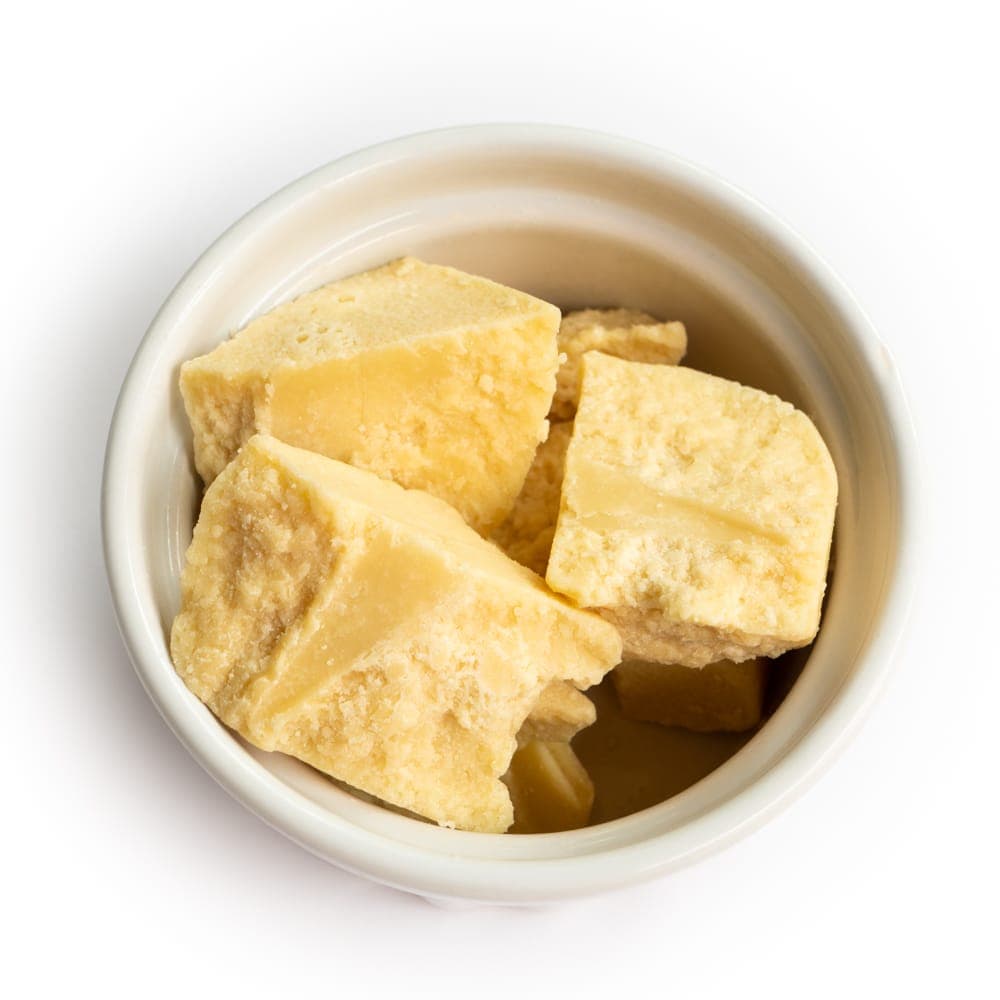
In large-scale manufacturing, the choice of fats and oils is more than just a recipe decision—it directly impacts production efficiency, product quality, and profitability. Cocoa butter, celebrated for its smooth texture and premium feel, often serves as a critical ingredient in food, cosmetic, and pharmaceutical applications. But what happens when you need high melting point cocoa butter substitutes for industrial production? Can other fats or blends meet operational and quality requirements without compromising performance?
At MT Royal, we supply manufacturers with a comprehensive range of brands at competitive prices, helping production managers navigate these challenges. From cost-effective bulk solutions to premium European options like Latamarko, understanding the nuances of substitution is essential for optimizing your production line.
Understanding Cocoa Butter and the Importance of Melting Point
Cocoa butter is a natural fat extracted from cocoa beans. Its defining feature in manufacturing is its melting point, typically between 34°C and 38°C. This property affects:
- Texture and mouthfeel: Critical in chocolate, confectionery, and cosmetic formulations.
- Thermal stability: High melting point reduces risk of separation or bloom during storage and transport.
- Processing behavior: Influences mixing, tempering, and bulk handling in industrial settings.
For manufacturers seeking substitutes, a high melting point ensures that the alternative maintains the structural and sensory qualities required in end products.
Why High Melting Point Substitutes Are Critical in Industrial Applications
- Consistent Product Quality Across Batches
In our experience supplying production facilities, variability in fat composition can disrupt chocolate tempering, lotion texture, or pharmaceutical ointment consistency. High melting point substitutes, like certain palm mid-fractions or hydrogenated vegetable fats, can mimic cocoa butter’s thermal behavior to reduce batch-to-batch inconsistencies. - Optimized Production Efficiency
Substitutes with predictable melting points allow uninterrupted flow in continuous mixers and chocolate enrobing lines. They reduce downtime caused by clumping, uneven crystallization, or melting-related issues. - Regulatory and Clean-Label Compliance
Cocoa butter is widely recognized as a clean-label ingredient. Substitutes must meet food-grade, cosmetic, or pharmaceutical regulatory standards. Working with reliable suppliers like MT Royal ensures that substitutes adhere to industry compliance requirements. - Cost Management
High-quality cocoa butter is often expensive. Blending or partially substituting with high melting point alternatives can control costs while maintaining quality. Premium European options, such as Latamarko, offer exceptional consistency, reducing waste and processing losses.
Common Challenges and Misconceptions
Substituting cocoa butter is not as simple as swapping one fat for another. Common pitfalls include:
- Incorrect Melting Point Matching
Low melting alternatives may cause products to soften at room temperature or degrade during transport. - Formula Imbalance
Substitutes may differ in fat composition, affecting crystallization, spreadability, and texture. - Supply Inconsistency
Bulk cocoa butter substitutes can vary by supplier, region, or processing method. MT Royal provides consistent sourcing options to mitigate this risk. - Misjudging Application-Specific Needs
Chocolate, confectionery, and cosmetics each have unique thermal and sensory requirements. One substitute may work for lotions but fail in high-quality chocolate bars.
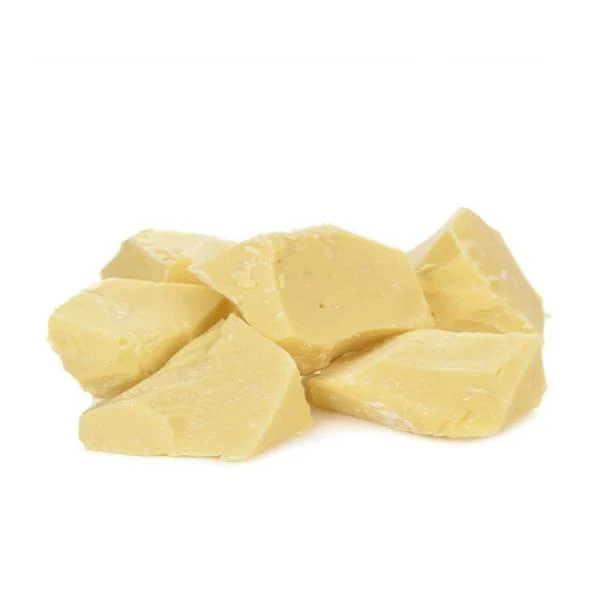
High Melting Point Cocoa Butter Substitute Options
1. Palm Mid-Fractions
- Derived from refined palm oil.
- Melting Point: 38°C–42°C
- Pros: Cost-effective, widely available, stable.
- Cons: May impart waxy texture; flavor neutrality must be considered.
- Industrial Note: Ideal for bulk chocolate and compound coatings; blends well with cocoa butter to reduce costs.
2. Hydrogenated Vegetable Oils
- Partially or fully hydrogenated oils offer high melting points.
- Melting Point: 40°C–45°C
- Pros: Highly stable, long shelf life.
- Cons: Less “clean label”; may alter mouthfeel.
- Industrial Note: Effective in pharmaceutical ointments or high-temperature chocolate applications; careful formulation is required to avoid graininess.
3. Shea Stearin
- Fractionated shea butter with high melting point.
- Melting Point: 36°C–44°C
- Pros: Natural origin, premium perception, emollient in cosmetics.
- Cons: Costlier than vegetable oils; limited flavor neutrality.
- Industrial Note: Works well in premium chocolate and high-end cosmetic creams.
4. Cocoa Butter Blends
- Combining cocoa butter with other fats (palm mid-fraction, shea stearin) to achieve desired melting behavior.
- Pros: Maintains sensory characteristics while controlling cost.
- Industrial Note: We’ve seen chocolate producers benefit from blends that reduce bloom and improve texture in large-scale enrobing lines.
Step-by-Step Implementation Guide
Step 1: Identify Functional Requirements
- Determine whether the substitute must match melting point, texture, flavor, or regulatory standards.
Step 2: Pilot Testing
- Conduct small-batch trials to test thermal behavior and sensory qualities.
- Adjust ratios gradually; even a 5% substitution can impact product performance.
Step 3: Optimize Processing Parameters
- High melting point substitutes may require modified tempering curves, mixer speeds, or heating times.
- Monitor viscosity and crystallization closely.
Step 4: Scale-Up with Supplier Support
- Partner with suppliers like MT Royal for bulk sourcing and technical guidance.
- Premium options from European brands, particularly Latamarko, offer predictable performance in large-scale production.
Step 5: Monitor Quality and Shelf Life
- Track product stability over time.
- Ensure substitutes maintain desired sensory and functional properties during storage and transport.
Industrial Anecdotes
Chocolate Production
A European chocolate manufacturer replaced 20% of their cocoa butter with palm mid-fraction to maintain a high melting point while reducing costs. MT Royal sourced the substitute and provided technical support. The result: smoother texture, consistent tempering, and reduced production losses.
Cosmetic Manufacturing
A lotion production plant used shea stearin to partially replace cocoa butter. The high melting point allowed better emulsion stability at elevated temperatures, improving shelf life. The plant credited the Latamarko-sourced stearin for uniform quality across batches.
Pharmaceutical Applications
Suppository production often demands precise melting behavior. Cocoa butter blends with high melting point hydrogenated oils ensured controlled melting at body temperature while enabling continuous production without downtime.
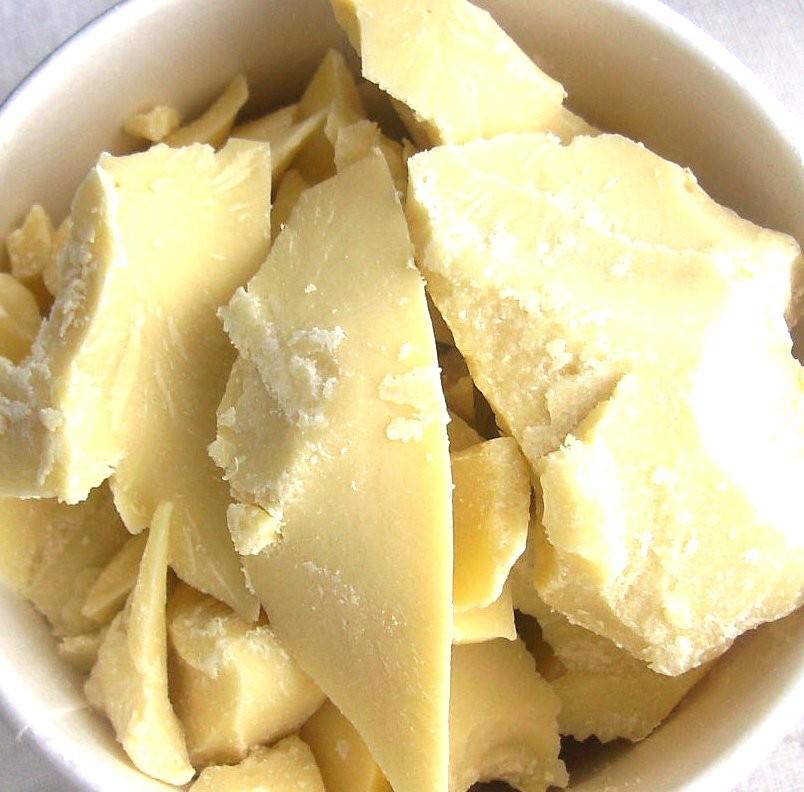
Comparison Table: High Melting Point Substitutes
| Substitute | Melting Point (°C) | Pros | Cons | Best Use Case |
|---|---|---|---|---|
| Cocoa Butter | 34–38 | Smooth texture, premium perception | Cost | Chocolate, cosmetics |
| Palm Mid-Fraction | 38–42 | Cost-effective, stable | Slightly waxy texture | Bulk chocolate, compound bars |
| Hydrogenated Oils | 40–45 | Very stable, long shelf life | Flavor/texture impact | Pharma, high-temp chocolate |
| Shea Stearin | 36–44 | Premium, natural, emollient | Expensive | Premium chocolate, cosmetics |
| Cocoa Butter Blends | 35–42 | Balanced cost and quality | Formula-dependent | Chocolate, cosmetics |
Tips for Production Managers
- Always Conduct Pilot Trials: Substitutes can behave differently in industrial-scale mixers.
- Supplier Reliability Matters: MT Royal ensures consistent supply of high melting point fats, including Latamarko.
- Blending Strategically: Combine fats to match melting profiles and optimize cost.
- Monitor Storage Conditions: High melting point fats can crystallize or degrade if stored improperly.
FAQs for Factory Owners and Procurement Managers
Q: Can substitutes fully replace cocoa butter in premium chocolate?
A: Full replacement is rare; blends often achieve the best balance of cost, texture, and melting point.
Q: Are high melting point substitutes suitable for continuous production lines?
A: Yes, but pilot trials and process adjustments are essential.
Q: How do I maintain quality consistency across suppliers?
A: Partner with trusted suppliers like MT Royal and consider premium European options like Latamarko.
Q: What about cost efficiency?
A: Substitutes reduce raw material costs while maintaining quality, especially when blended strategically.
Industry Insights & Trends
The global cocoa butter substitute market is growing due to demand in chocolate, confectionery, cosmetics, and pharmaceuticals. Manufacturers prioritize:
- Thermal stability for continuous production lines
- Cost-effective blends to manage ingredient budgets
- Premium perception for high-end products
Premium European brands like Latamarko exemplify consistent quality and reliability in bulk high melting point fats, making them a preferred choice for industrial applications.
Closing Reflection
High melting point cocoa butter substitutes are not just a technical choice—they are a strategic lever for efficiency, consistency, and product differentiation. Understanding the properties, sourcing reliable suppliers, and carefully implementing substitutes can transform production outcomes.
At MT Royal, we’ve seen factory managers across industries optimize their production lines with the right combination of substitutes, from cost-efficient palm mid-fractions to premium Latamarko blends. In manufacturing, every ingredient decision matters. How could the right high melting point substitute elevate your production quality and operational efficiency?
Import-Export Companies in Türkiye with 99% discount
Food industry raw materials – list of products

No comment