

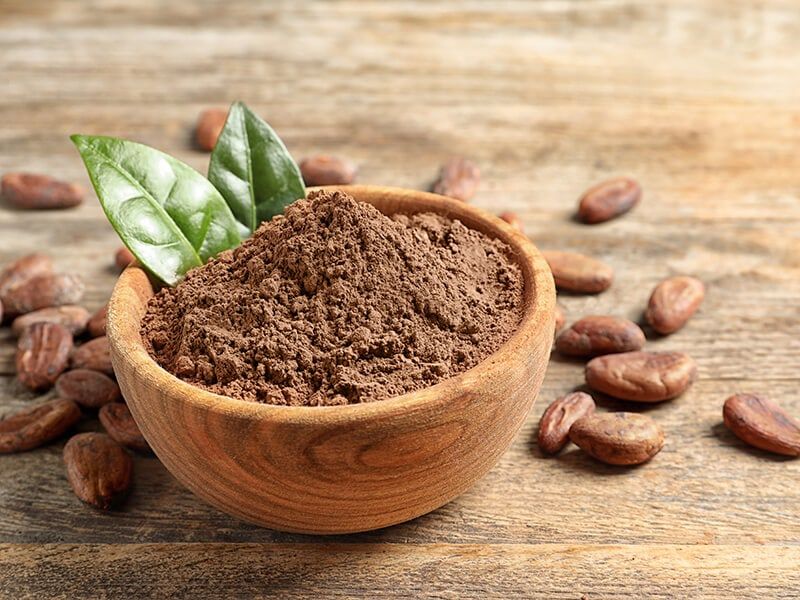
When it comes to large-scale bakery and confectionery production, selecting the right cocoa powder is far more than a simple ingredient choice—it can fundamentally define the quality, consistency, and operational efficiency of your entire production line. In a factory setting where thousands of units are produced daily, even minor variations in cocoa flavor, color, or solubility can cascade into significant issues, ranging from uneven batches and dough inconsistencies to customer dissatisfaction and increased waste. Pastino Cocoa Powder has emerged as a trusted solution for industrial manufacturers, offering a balanced combination of deep chocolate flavor, reliable color uniformity, and predictable performance under high-volume production conditions.
Beyond taste, the choice of cocoa powder impacts the very mechanics of production. Its texture, particle size, and solubility determine how smoothly it integrates into doughs, batters, and fillings, which in turn affects mixing time, equipment wear, and overall throughput. In our experience supplying manufacturing facilities across the bakery and confectionery sectors, using a consistent, high-quality cocoa powder like Pastino can significantly reduce downtime, prevent costly errors, and enhance the end product’s appeal—both visually and in flavor. For procurement officers and plant managers, understanding the properties and performance of cocoa powders isn’t just technical knowledge—it’s a strategic decision that can influence yield, cost efficiency, and brand reputation.
Understanding Pastino Cocoa Powder
Definition and Composition
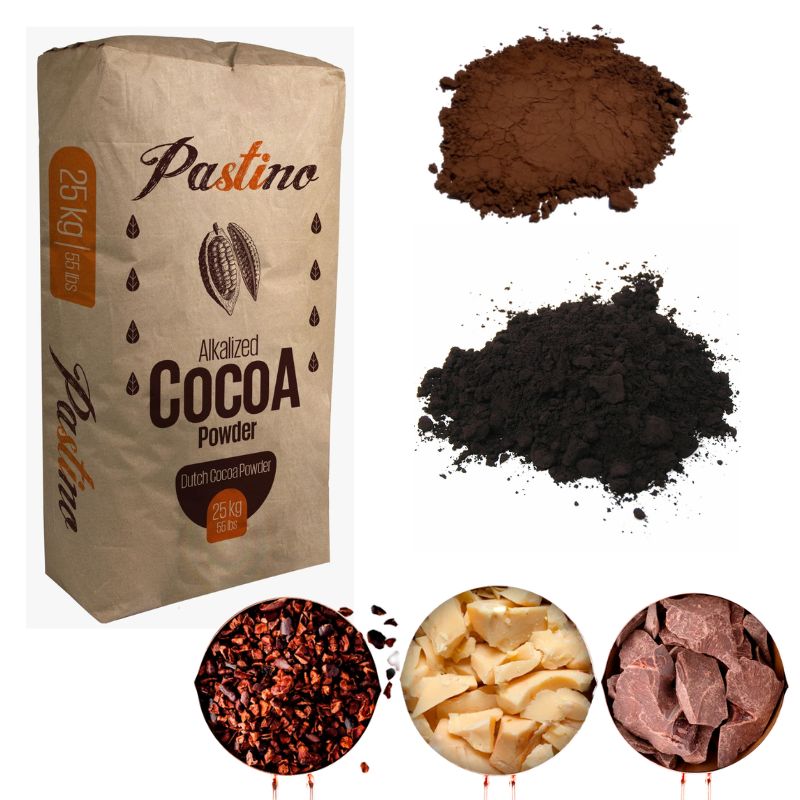
Pastino Cocoa Powder is a finely milled, alkalized cocoa product designed to optimize industrial bakery and confectionery operations. Its formulation balances flavor intensity with solubility, making it ideal for high-volume mixing and uniform integration into chocolate doughs, fillings, and coatings.
- Key Characteristics:
- Deep chocolate flavor suitable for cookies, cakes, and chocolates
- Uniform color consistency for visual appeal
- Fine particle size for seamless incorporation in industrial mixers
- Industrial Relevance:
The consistency of Pastino Cocoa Powder ensures minimal batch variability, which is essential in factories producing thousands of units per shift.
Unique Benefits for Bakery and Confectionery Factories
1. Flavor Consistency Across Batches
Maintaining consistent taste across multiple production runs is challenging, particularly when scaling recipes. Pastino Cocoa Powder’s controlled alkalization and uniform texture reduce flavor variation, ensuring every cookie, cake, or chocolate bar meets brand standards.
2. Color Stability
The visual appeal of bakery products influences consumer perception. Cocoa powders with variable alkalization can lead to inconsistent coloring, while Pastino Cocoa Powder provides a rich, dark brown hue that remains consistent even under high-temperature baking.
3. Optimized Dough Handling
Industrial mixers can be sensitive to powder texture and moisture content. Pastino Cocoa Powder’s fine, flowable structure allows for smooth dough incorporation, reducing mixer wear and preventing clumps that can disrupt production lines.
4. Enhanced Shelf Life
The stable composition of Pastino Cocoa Powder contributes to flavor retention in finished products, supporting longer shelf life for cookies, cakes, and chocolate items without compromising taste or aroma.
Common Pitfalls in Industrial Cocoa Procurement
Supplier Variability
Selecting an inconsistent supplier can lead to unpredictable product quality. Factories benefit from working with trusted sources like MT Royal, which provide a wide range of reliable cocoa brands, including premium options.
Storage and Humidity Control
Cocoa is hygroscopic, and exposure to moisture can result in clumping, inconsistent mixing, and reduced shelf life. Proper storage in sealed, dry conditions is essential for maintaining powder quality.
Alkalization Differences
Cocoa powders with inconsistent alkalization can impact leavening, flavor, and color. Pastino Cocoa Powder is engineered for industrial consistency, reducing these common production risks.
Pro Tips for Production Managers
- Pre-Sift Cocoa for Uniform Mixing
Sifting ensures even distribution in large batches and prevents clumping in high-speed mixers. - Test Batches Before Scaling
Always run small-scale trials to evaluate dough behavior, color, and flavor retention before committing to full-scale production. - Control Storage Conditions
Maintain cool, dry, and airtight storage. Implement FIFO to rotate stock and preserve quality over time. - Evaluate Supplier Reliability
Partner with established suppliers like MT Royal to secure consistent quality, competitive pricing, and access to premium European brands such as Latamarko. - Optimize Equipment Settings
Adjust mixer speed and duration according to the powder’s flow properties. Fine powders like Pastino reduce mixing time while maintaining batch uniformity.
Premium Cocoa Options: Latamarko’s Spanish Excellence
While Pastino Cocoa Powder is ideal for most bakery and confectionery applications, premium European brands like Latamarko offer added advantages for high-end product lines:
- Precision Engineering
Spanish manufacturing standards emphasize particle uniformity and purity, reducing production variability. - Flavor Retention Under Heat
Latamarko cocoa retains its flavor in long-bake or high-temperature processes, ensuring a rich chocolate experience. - Compliance and Safety
Premium European brands meet stringent food safety regulations, supporting international export standards and quality assurance programs.
Integrating Latamarko alongside Pastino can enhance specialty product lines, giving premium cookies, cakes, and chocolates a distinct edge in both flavor and appearance.
Industry Considerations for Large-Scale Production
- Automated Dosing Systems: Fine powders like Pastino integrate smoothly with industrial dosing and conveyance equipment.
- Heat Management: Monitor baking temperatures; even premium powders can experience slight flavor changes if exposed to excessive heat.
- Cost-Benefit Analysis: Premium cocoa powders may carry higher upfront costs but lower waste and fewer rejected batches can result in long-term cost savings.
- Supply Chain Flexibility: Maintaining relationships with multiple trusted suppliers, such as MT Royal, ensures consistent production and minimizes risk of downtime.
Frequently Asked Questions (FAQ)
Q1: Can Pastino Cocoa Powder be used in both baked and non-baked products?
Yes, it performs well in dough, batters, fillings, frostings, and chocolate coatings.
Q2: How should large quantities be stored in factories?
Keep in sealed containers in cool, dry conditions. Rotate stock using FIFO to maintain freshness.
Q3: How does Pastino compare with standard cocoa powders?
It offers superior color consistency, better solubility, and enhanced flavor retention during industrial baking.
Q4: Is it compatible with high-speed industrial mixers?
Absolutely. Its fine particle size reduces clumping and mixer wear, improving batch uniformity.
Conclusion
Choosing the right cocoa powder goes beyond flavor—it’s a strategic decision that affects consistency, efficiency, and consumer satisfaction. Pastino Cocoa Powder provides the reliability, rich chocolate flavor, and industrial performance that bakery and confectionery factories need. Combined with premium options like Latamarko, you can differentiate your product lines, enhance quality control, and optimize production workflows.
At MT Royal, we’ve observed how the right cocoa powder transforms production efficiency and product appeal. The real question is: are you using cocoa that maximizes your factory’s potential, or are you settling for inconsistent results? Selecting wisely today could define the taste, quality, and success of your products tomorrow.


No comment