


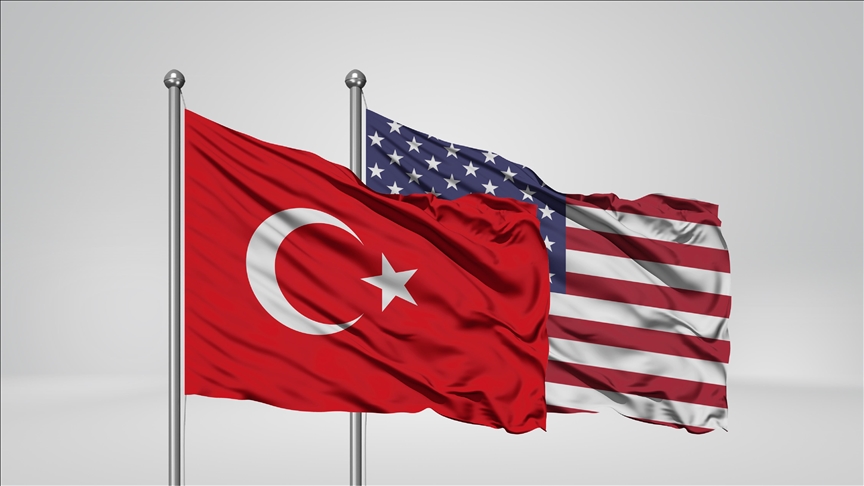
For U.S. manufacturers and industrial buyers, Türkiye has become far more than a regional supplier—it is now a strategic sourcing hub bridging Europe, Asia, and the Middle East. Competitive pricing, flexible production capacity, and a sophisticated manufacturing base make Turkish suppliers increasingly attractive. Yet, companies that move from intent to execution often discover that the real complexity does not lie in tariffs, but in non-tariff barriers and regulatory challenges that quietly shape the success or failure of imports into the United States.
This is exactly where informed sourcing decisions matter. When you work with an experienced partner like MT Royal, you are not just buying products—you are navigating regulatory landscapes with confidence, minimizing compliance risk, and protecting your production timelines. For factories operating at scale, understanding these barriers is no longer optional; it is a core element of procurement strategy.
latamarko alkalized cocoa powder lm60
cocoa powder for chocolate production-Best price
Food industry raw materials – list of products
Types of Gelatin from Turkish Manufacturer
Alkalized Cocoa Powder Supplier
Understanding Non-Tariff Barriers in U.S.–Türkiye Trade
Non-tariff barriers (NTBs) refer to restrictions that affect international trade without taking the form of direct customs duties. In the context of importing from Türkiye to the U.S., these barriers are often embedded in regulatory frameworks, administrative procedures, technical standards, and enforcement practices.
Unlike tariffs, NTBs are rarely visible on a cost sheet. They appear instead as delays at ports, rejected documentation, failed inspections, or unexpected reclassification of goods. For procurement managers, the danger lies in underestimating their operational and financial impact.
Key Characteristics of Non-Tariff Barriers
- They are regulatory rather than fiscal
- They often vary by product category and end-use
- They evolve with policy updates, enforcement priorities, and geopolitical considerations
- They disproportionately affect first-time or unprepared importers
In our work with manufacturers across multiple sectors, we have seen that companies who treat NTBs as a compliance afterthought tend to pay for it through downtime, rework, or lost contracts.
Why Türkiye Faces Unique Regulatory Scrutiny
Türkiye occupies a unique position in global trade. It aligns with many European standards, yet it is not part of the EU. It has deep industrial capabilities, but its regulatory frameworks do not always map cleanly onto U.S. systems.
This creates friction points that are especially relevant for American importers.
Divergence Between EU and U.S. Regulatory Systems
Many Turkish manufacturers design products primarily for EU markets, complying with CE marking, REACH regulations, and EN standards. While these certifications demonstrate quality and safety, they do not automatically translate into U.S. compliance.
For example:
- CE marking does not replace FDA approval or FCC authorization
- REACH compliance does not guarantee alignment with TSCA requirements
- EN test reports may not satisfy ASTM or ANSI expectations
Without proactive alignment, these differences become non-tariff barriers that slow or block entry into the U.S. market.

Regulatory Authorities Impacting Imports from Türkiye
Understanding which U.S. agencies have jurisdiction over your imported goods is fundamental. Each agency enforces its own standards, documentation requirements, and inspection protocols.
U.S. Customs and Border Protection (CBP)
CBP acts as the gatekeeper. Even when all other compliance boxes are checked, CBP has discretionary authority to:
- Request additional documentation
- Detain shipments for inspection
- Reclassify goods under a different HTS code
- Assess penalties for misdeclaration
Classification disputes and valuation issues are among the most common non-tariff barriers encountered by importers sourcing from Türkiye.
Food and Drug Administration (FDA)
For food ingredients, nutraceuticals, cosmetics, and certain chemicals, FDA oversight introduces a layered compliance challenge:
- Facility registration
- Prior Notice submissions
- Ingredient disclosure and labeling compliance
- Good Manufacturing Practices (GMP) verification
Turkish suppliers may be GMP-compliant under local or EU standards, but FDA expectations often go further in documentation and traceability.
Environmental Protection Agency (EPA)
Products involving chemicals, coatings, additives, or industrial inputs may fall under TSCA regulations. Importers must ensure:
- Proper chemical inventory status
- Accurate CAS number reporting
- Compliance with SNURs and reporting obligations
EPA-related delays are a frequent pain point for industrial buyers unfamiliar with U.S.-specific chemical controls.
Technical Barriers to Trade (TBT)
Technical barriers arise when products must meet specific technical, safety, or performance standards before they can be sold or used in the U.S.
Product Testing and Certification Requirements
Many Turkish manufacturers rely on testing laboratories recognized in Europe or Asia. However, U.S. authorities may require:
- Testing by U.S.-accredited laboratories
- Additional performance benchmarks
- Updated test methods aligned with U.S. standards
This creates a hidden cost and timeline extension that must be factored into procurement planning.
Labeling and Documentation Challenges
Labeling errors are among the most underestimated non-tariff barriers. Common issues include:
- Incomplete country-of-origin marking
- Non-compliant language or font size
- Missing safety warnings or usage instructions
- Mismatch between invoice descriptions and physical labels
Even minor discrepancies can result in shipment holds, relabeling costs, or refusal of entry.
Common Mistakes Made by Industrial Importers
Non-tariff barriers are often amplified by avoidable mistakes. Understanding these pitfalls helps procurement teams build more resilient sourcing strategies.
Assuming “Tariff-Free” Means “Barrier-Free”
Türkiye benefits from certain preferential trade dynamics, but this does not eliminate regulatory scrutiny. Many buyers mistakenly focus on duty rates while ignoring compliance readiness.
Overreliance on Supplier Assurances
Turkish suppliers are often confident and capable—but their understanding of U.S. regulations may be indirect or outdated. Relying solely on supplier declarations without independent verification is a recurring source of risk.
Late Engagement with Compliance Experts
Bringing in customs brokers, regulatory consultants, or experienced sourcing partners after goods are shipped is usually too late. Compliance should be embedded at the contract and specification stage.
Sector-Specific Regulatory Challenges
Non-tariff barriers are not uniform; they vary significantly by industry.
Industrial Raw Materials and Chemicals
For manufacturers importing chemicals, additives, or processing aids from Türkiye, challenges often include:
- TSCA inventory confirmation
- Disclosure of confidential business information
- Alignment of Safety Data Sheets with U.S. OSHA standards
Food Ingredients and Agricultural Inputs
Even when Turkish food producers meet international standards, U.S. importers must manage:
- FDA prior notice timing
- Allergen disclosure requirements
- Differences in permissible additives
Machinery and Industrial Equipment
Equipment imports may trigger:
- Electrical safety certification requirements
- Energy efficiency standards
- State-level compliance overlays beyond federal rules
Strategic Approaches to Overcoming Non-Tariff Barriers
While NTBs are complex, they are not insurmountable. The most successful importers treat compliance as a strategic capability rather than a bureaucratic hurdle.
Pre-Import Compliance Mapping
Before finalizing a supplier or placing an order, conduct a structured compliance review:
- Identify all applicable U.S. agencies
- Map required certifications and documents
- Clarify testing gaps early
Supplier Alignment and Documentation Control
Clear communication with Turkish suppliers is essential. This includes:
- Providing U.S.-specific labeling templates
- Requesting documentation in advance
- Aligning product specifications with U.S. standards, not just EU norms
We have seen that when documentation control is established early, clearance times drop dramatically.
Leveraging Experienced Sourcing Partners
This is where partners like MT Royal add tangible value. Rather than acting as intermediaries, we operate as compliance-aware sourcing advisors. We have worked with factories that underestimated NTBs until delays impacted production schedules—lessons learned the hard way.
By sourcing through a partner that understands both Turkish manufacturing realities and U.S. regulatory expectations, you reduce friction across the entire supply chain.
The Role of Trade Remedies and Policy Shifts
Beyond static regulations, U.S. importers must also consider dynamic policy tools such as:
- Anti-dumping and countervailing duty investigations
- Section 301 or 232 measures
- Sudden enforcement prioritization changes
Even when Türkiye is not directly targeted, sector-wide actions can affect clearance processes and documentation scrutiny.
Staying informed is no longer enough; companies need adaptive procurement strategies that can absorb regulatory shocks.
Questions Frequently Asked by Procurement and Compliance Managers
Is importing from Türkiye more complex than from the EU?
Not necessarily more complex, but different. The lack of regulatory harmonization means U.S.-specific compliance work is more critical.
Can compliance failures be corrected after shipment?
Sometimes, but at a cost. Relabeling, re-testing, or re-exporting goods can quickly erode any pricing advantage.
Does working with a sourcing partner reduce compliance responsibility?
No, legal responsibility remains with the importer. However, experienced partners reduce the likelihood of errors that trigger enforcement actions.
How early should compliance planning begin?
Ideally at the product design or specification stage—long before purchase orders are issued.
Non-Tariff Barriers as a Competitive Differentiator
Ironically, non-tariff barriers can become a competitive advantage. Companies that master compliance can:
- Move faster than competitors
- Reduce landed cost volatility
- Build more resilient supplier relationships
We have seen manufacturers turn regulatory complexity into operational discipline—creating sourcing systems that are harder to disrupt and easier to scale.
A More Strategic Way Forward
Importing from Türkiye to the U.S. is not simply a transaction; it is a regulatory journey. Non-tariff barriers and regulatory challenges are part of the terrain, not exceptions to it.
When you approach sourcing with clarity, preparation, and the right partners, these barriers become manageable variables rather than existential threats. MT Royal exists precisely in this space—supporting manufacturers who want competitive global sourcing without regulatory surprises.
The companies that succeed are not those who avoid complexity, but those who understand it deeply and act deliberately. Your factory, your timelines, and your customers deserve nothing less.



No comment