

In the competitive arena of industrial baking, ingredient choices are far more than line items on a purchase order—they are strategic levers that determine texture, stability, process efficiency, and ultimately, consumer satisfaction. If your factory formulates doughs, batters, or finished goods at scale, mastering how Rice Bran Lecithin for Bakery Products functions can yield measurable improvements in production consistency, shelf life, and sensory quality. The right lecithin source doesn’t just blend ingredients—it optimizes performance across your processing line.
At MT Royal, we work with manufacturers who understand that ingredient selection must be both technically sound and commercially savvy. In our collaboration with various factories, we have seen how rice bran lecithin elevates bakery systems; when sourced and specified correctly, it can reduce mixing times, enhance crumb structure, and improve moisture retention without compromising clean label or allergen concerns. This article is designed to give you an expert‑level understanding of rice bran lecithin’s role in bakery applications, how to source it wisely, and how to implement it effectively in large‑scale production—with insights shaped by real industrial practice.
From fundamental concepts to common sourcing pitfalls, practical comparisons, advanced production tips, and answers to frequently asked questions, you’ll find this guide engineered not just to inform, but to support strategic decisions that drive superior outcomes. If you’re evaluating new ingredients, refining existing formulations, or aiming to optimize supply chains, the following content will become a go‑to resource for your team.
Understanding Rice Bran Lecithin: Definitions and Functional Basics
What Is Lecithin?
Lecithin is a naturally occurring mixture of phospholipids found in plant and animal tissues. In the food industry, lecithin functions primarily as an emulsifier, dispersing agent, and surface‑active compound that enhances ingredient compatibility in complex systems. Traditionally, lecithin has been extracted from soybeans or sunflower seeds, but rice bran lecithin is gaining traction due to its functional profile and clean‑label appeal.
Why Rice Bran Lecithin for Bakery Products?
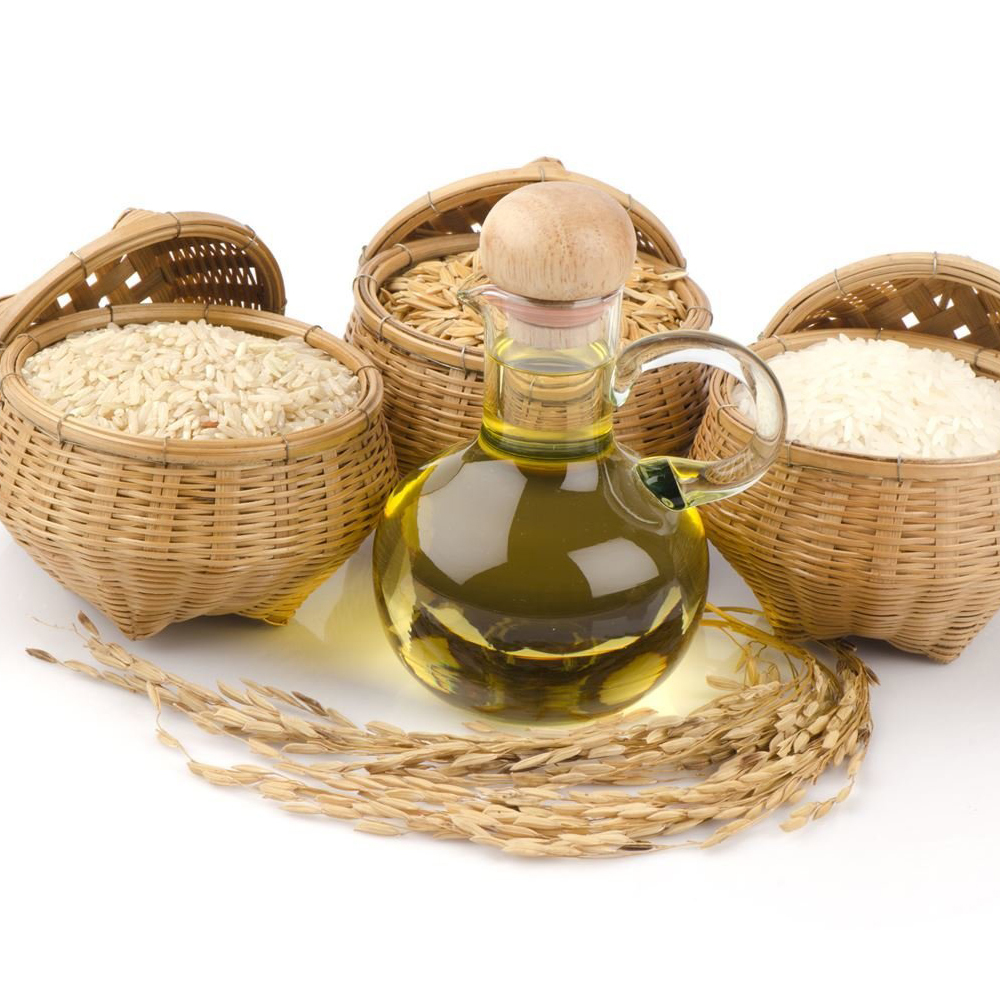
Rice bran lecithin is derived from the bran layer of rice kernels—a by‑product of rice milling. Its phospholipid profile makes it particularly well‑suited to bakery applications for several reasons:
- Enhanced emulsification of fat and water phases
- Improved dough handling and machinability
- Better moisture retention, leading to softer crumbs
- Reduced staling rates, extending shelf life
- Neutral flavor, avoiding impact on delicate formulations
- Allergen‑friendly status, compared to soy lecithin
For factories producing bread, buns, cakes, cookies, and laminated dough products, rice bran lecithin offers a unique balance of performance, process support, and consumer‑friendly nutrition labeling.
Functional Properties That Matter
At an industrial level, the performance of rice bran lecithin centers on several key functional properties:
- Hydrophilic‑lipophilic balance (HLB): Determines how well lecithin interacts with fats and aqueous phases
- Phospholipid composition: Influences emulsification strength and dispersion rate
- Solubility and dispersibility: Affects mixing efficiency and homogeneity
- Thermal tolerance: Impacts behavior through proofing and baking
These properties, when measured and specified correctly, support predictable performance across your equipment and production batches.
The Industrial Importance of Rice Bran Lecithin in Bakery Manufacturing
For commercial bakers, ingredient behavior isn’t abstract—it manifests in dough rheology, oven spring, crumb structure, and product shelf life. Choosing the right lecithin affects not only finished quality but also process stability and operational efficiency.
Dough Rheology and Process Efficiency
In high‑volume bakeries, dough handling is a bottleneck if ingredients don’t perform consistently. Rice bran lecithin improves dough plasticity, reducing excessive resistance in mixers and sheeters. This can translate into:
- Reduced mixing time
- Lower energy consumption
- Improved dough uniformity
- Less wear on equipment components
Every second saved in mixing can compound into meaningful throughput gains over multiple shifts.
Product Quality and Consumer Experience
The impact of lecithin extends into end‑product attributes that directly influence consumer acceptance:
- Improved crumb softness
- More uniform gas cell distribution
- Enhanced volume in bread and roll products
- Reduced dryness and stale flavor over time
Because rice bran lecithin stabilizes fat‑water interfaces effectively, finished goods retain moisture longer, supporting both quality and shelf stability.
Allergen and Clean‑Label Considerations
With rising consumer sensitivity to allergens and preference for clean‑label ingredients, rice bran lecithin can be a compelling option. Unlike soy lecithin—which may require allergen labeling in some jurisdictions—rice bran lecithin often carries fewer regulatory restrictions, aligning with market demands for simple ingredient lists and broad consumer acceptance.
How Rice Bran Lecithin Is Produced
To evaluate an ingredient’s suitability for your bakery systems and justify purchase commitments, a basic understanding of its production and quality control is essential.
Raw Material Source
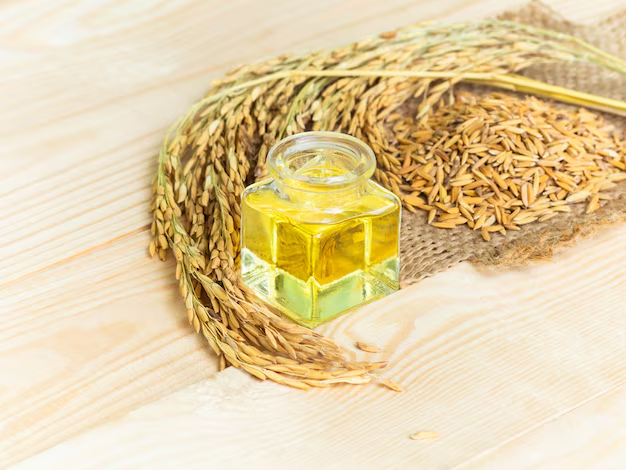
Rice bran lecithin begins with the outer layer of rice grains, a by‑product of milling. This bran contains naturally occurring phospholipids, which are extracted through solvent or enzymatic methods.
Extraction and Refinement
Depending on the manufacturer’s process, lecithin is:
- Extracted from rice bran oil using approved food‑grade solvents or enzymatic processes
- Refined to remove solvents, free fatty acids, and impurities
- Standardized, often by controlling moisture content and phospholipid concentration
- Quality tested to benchmark properties such as HLB range, acidity, and dispersion behavior
The sophistication of the extraction and refinement process directly affects the functionality and consistency of the final lecithin product.
Common Mistakes in Sourcing Rice Bran Lecithin
Even seasoned procurement teams can make avoidable mistakes when sourcing lecithin for industrial bakery use. These often trace back to misunderstanding functional specifications or overlooking supply chain risks.
Mistake #1: Treating Lecithin as Interchangeable
Not all lecithins are created equal. Rice bran lecithin differs from soy or sunflower lecithin in phospholipid composition and functional profile. Assuming interchangeability without performance validation can lead to inconsistent dough behavior, defect rates, or customer complaints.
Mistake #2: Ignoring Functional Specifications
Key functional attributes such as HLB range, phosphorus content, moisture level, and dispersibility rate should be part of your ingredient specification. Accepting generic documentation without these parameters leaves room for unpleasant surprises during production.
Mistake #3: Prioritizing Price Over Performance
Low price per kilogram may be attractive, but if the material fails to meet performance expectations, you may see:
- Increased cake collapse
- Tougher crumb structures
- Uneven mixing behavior
- Faster product staling
Total cost of ownership—including waste, rework, and additional stabilizers—should be considered alongside unit price.
Mistake #4: Overlooking Supplier Traceability
For traceability and regulatory compliance—especially in export markets—supplier documentation must be robust. Batch‑specific Certificates of Analysis (COAs), provenance data, and compliance statements help support audits and customer assurances.
Practical Comparisons for Manufacturers
To better understand when rice bran lecithin is the right choice, consider this comparison across common lecithin sources in bakery applications:
| Attribute | Soy Lecithin | Sunflower Lecithin | Rice Bran Lecithin |
|---|---|---|---|
| Allergen Risk | High | Low | Low |
| Emulsification Strength | Strong | Moderate | Strong |
| Dough Plasticity Support | Moderate | Moderate | High |
| Moisture Retention | Good | Good | Excellent |
| Clean Label Appeal | Medium | High | High |
| Thermal Stability | Good | Good | Very Good |
| Cost | Competitive | Varies | Competitive |
Rice bran lecithin often distinguishes itself in areas such as moisture management and dough plasticity, making it especially valuable for products where these factors drive consumer perception or process efficiency.
Industrial Tips for Large‑Scale Bakery Production
Working with functional ingredients at scale can be like tuning a complex machine—small adjustments can have significant effects. Based on extensive industrial experience, here are practical strategies for maximizing the benefits of rice bran lecithin.
Define Performance Parameters Clearly
Collaborate with your R&D and quality assurance teams to specify measurable targets for:
- HLB range
- Moisture content
- Dispersibility
- Phosphorus content
These metrics allow your supplier and internal teams to maintain alignment and detect deviations early.
Validate in Pilot Scale Before Full Rollout
Before committing a lecithin variant to full production, conduct pilot trials that mirror your line conditions:
- Sheeting and laminating equipment
- Mixing intensity and duration
- Proofing times and temperatures
- Baking profile
Pilot data reduces the risk of unacceptable outcomes at production scale.
Calibrate Your Mixing and Ingredient Addition
The sequence and method of adding lecithin impact its functional integration:
- Disperse lecithin with fats first if possible
- Maintain target dough temperature to support emulsification dynamics
- Monitor shear rates in mixers to ensure even distribution
Optimizing these steps can reduce mixing time and improve batch uniformity.
Implement Entry Quality Control Checks
Even with a trusted supplier, routine quality control upon receipt is vital. Key checks include:
- Moisture analysis
- Phospholipid content
- Particle size or dispersion characteristics
- pH measurements
Entry checks protect your production line from off‑spec material and support supplier performance tracking.
Understand Storage Conditions
Lecithin can be sensitive to heat, humidity, and light. Proper storage extends shelf life and ensures functional integrity:
- Cool, dry environment
- Sealed packaging
- FIFO inventory management
Adhering to proper storage practices prevents clumping, oxidation, or microbial contamination.
Frequently Asked Questions From Industrial Teams
How Much Lecithin Should Be Used in Bakery Formulations?
Typical usage rates vary by product type and target functional outcome:
- Bread and rolls: 0.3%–0.8% by flour weight
- Cakes and muffins: 0.5%–1.0% by flour weight
- Cookies and biscuits: 0.3%–0.6%
- Laminated doughs: 0.5%–0.9%
Always validate these ranges through pilot testing tailored to your formula and equipment.
Does Lecithin Affect Dough Rising?
Yes. Lecithin interacts with gluten networks and gas cells, often improving gas retention and oven spring. When properly dosed, it supports uniform crumb structure and volume.
Is Rice Bran Lecithin Allergen‑Free?
Compared to soy lecithin, rice bran lecithin typically carries a lower allergen risk. However, confirm supplier declarations and production environment information, especially if your market includes allergen‑sensitive consumers.
Can Lecithin Reduce Dough Stickiness?
Yes. Lecithin’s emulsification properties help reduce surface stickiness and improve machinability, especially in high‑fat or high‑hydration doughs.
What Documentation Should a Supplier Provide?
At a minimum, your supplier should deliver:
- Batch‑specific Certificates of Analysis (COAs)
- Functional specification sheets
- Regulatory compliance documentation
- MSDS (Material Safety Data Sheet)
- Traceability or provenance data
Comprehensive documentation supports internal audit processes and customer requests.
Emerging Trends in Bakery Ingredients and Lecithin Use
The bakery ingredient space is evolving rapidly, influenced by consumer preferences, regulatory changes, and technological advancements.
Clean Label and Allergen Transparency
Consumers increasingly prefer products with simple, familiar ingredients. Lecithins from non‑allergen sources like rice align well with clean‑label strategies, especially in markets sensitive to soy.
Functional Optimization With Protein Enrichment
Protein‑enriched baked goods are gaining traction, especially in health‑oriented segments. Lecithin supports improved protein dispersion and texture, mitigating graininess and enhancing moisture management.
Demand for Extended Shelf Life Without Artificial Preservatives
As retailers and consumers demand longer shelf life, functional emulsifiers that also improve moisture retention take on heightened importance. Rice bran lecithin contributes to reduced staling rates without adding synthetic components.
Analytical Tools for Ingredient Performance
Modern quality labs employ high‑performance tools—such as rheometers, DSC (Differential Scanning Calorimetry), and image analysis—to quantify how ingredients interact in complex systems. Incorporating analytical feedback helps manufacturers fine‑tune formulations with precision.
Strategic Considerations for Ingredient Sourcing
Choosing the right supplier for Rice Bran Lecithin for Bakery Products is a decision that impacts quality, line efficiency, and competitive positioning. At MT Royal, we approach sourcing as a consultative partnership: aligning your functional requirements with supplier capabilities, documentation rigor, and logistical reliability.
Key strategic considerations include:
- Performance consistency over time
- Robust documentation and traceability
- Regulatory compliance for target markets
- Supply chain resilience and lead time predictability
- Technical support and collaboration
Great partnerships between manufacturers and suppliers transcend transactional exchanges. They contribute to innovation, operational excellence, and the ability to respond nimbly to emerging market trends and regulatory shifts.
Your products reflect the sum of countless decisions made from ingredient sourcing to final packaging. When you anchor those decisions in technical knowledge, strategic sourcing practices, and rigorous quality standards, your factory gains resilience, efficiency, and differentiation in a crowded market.
Rice bran lecithin may be a single ingredient in your recipe, but its influence spans formulation, processing, sensory experience, and brand reputation. Choosing it wisely—and deploying it with deep functional understanding—puts you in a position to deliver consistently superior bakery products that keep customers coming back.

No comment