

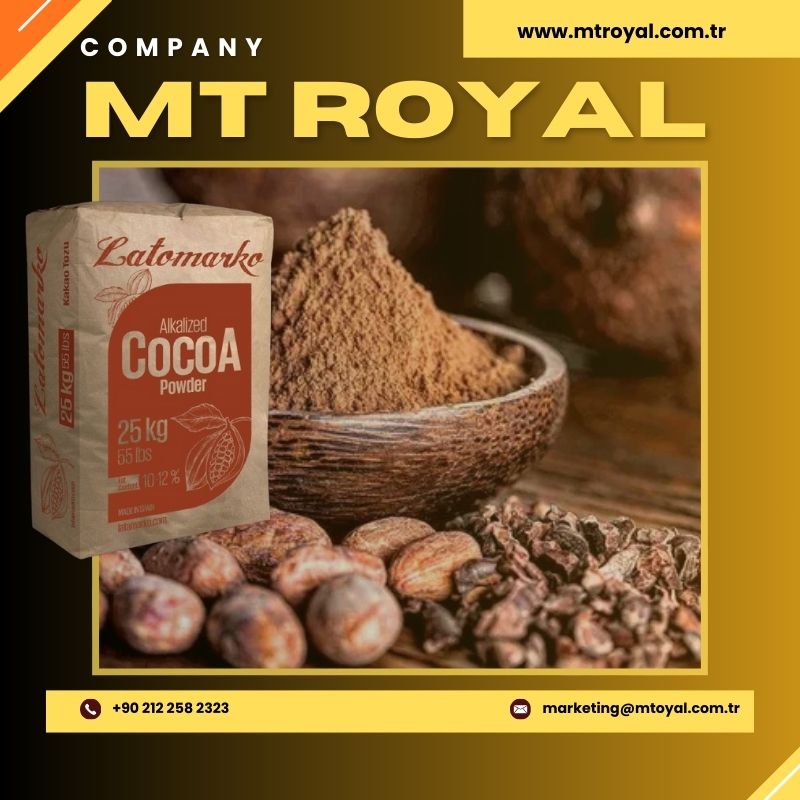
In the complex world of industrial chocolate production and cocoa processing, understanding acidity and pH control is more than a scientific curiosity—it’s a critical factor that directly influences product quality, consistency, and operational efficiency. Whether you’re managing a large-scale chocolate factory, a confectionery plant, or sourcing raw cocoa for industrial use, grasping the nuances of cocoa acidity is essential for maintaining taste, texture, and long-term shelf stability.
Acidity in cocoa isn’t just about flavor—it impacts fermentation, processing stability, and compatibility with other ingredients in large-scale formulations. Similarly, precise pH control ensures that your cocoa products perform consistently during manufacturing, reducing waste, improving yield, and safeguarding the integrity of your final products. In our experience supplying manufacturing facilities across multiple industries, we’ve seen how even minor pH variations can lead to costly inconsistencies if left unmanaged.
This guide delves deeply into cocoa acidity, exploring its fundamentals, industrial implications, and practical strategies for pH control. We’ll also discuss how sourcing decisions, supplier quality, and brand considerations—such as premium European brands like Latamarko—can affect your production outcomes.
Cocoa Acidity: Definitions and Fundamentals
What is Cocoa Acidity?
Cocoa acidity refers to the presence of organic acids—primarily acetic, citric, and lactic acids—developed during fermentation and drying processes. These acids are responsible for the characteristic sharp, tangy notes in cocoa and influence the solubility, emulsification, and Maillard reactions in subsequent processing. Acidity is typically measured by pH and titratable acidity:
- pH measures the hydrogen ion concentration in cocoa, giving a snapshot of its acidic or alkaline nature.
- Titratable acidity assesses the total acid content, often expressed as a percentage of acetic acid, and provides insight into flavor potential and processing behavior.
Why it matters in industrial production: Inconsistent acidity can affect chocolate viscosity, fat crystallization, and even downstream conching or tempering processes. Factory supervisors must understand both the immediate impact on flavor and the technical consequences for large-scale manufacturing.
Common Misconceptions
Many production managers assume that all cocoa with similar pH values behaves identically. In reality, the source of acidity, fermentation quality, and bean origin significantly influence processing performance. Premium suppliers like Latamarko, with European-engineered quality control, often provide beans with predictable acidity profiles—minimizing surprises during production.
Industrial Implications of Cocoa pH
How pH Affects Processing
pH is a critical control parameter in industrial cocoa processing for several reasons:
- Flavor Development: Lower pH (more acidic) cocoa tends to retain stronger bitter and tangy notes, which may not align with mass-market chocolate standards.
- Chemical Reactions: Alkalinity (higher pH) can accelerate Maillard browning, impacting color and aroma during roasting.
- Functional Properties: Solubility, dispersibility, and emulsification are pH-sensitive, affecting product consistency and production efficiency.
- Equipment Longevity: Acidic cocoa can accelerate corrosion in stainless steel tanks or piping if proper neutralization and cleaning protocols aren’t followed.
Tip for production managers: Implement pH monitoring at multiple stages—from raw bean assessment to final liquor or powder—to detect anomalies early and adjust processes proactively.
Sources of Cocoa Acidity and Variability
Fermentation and Drying
The primary drivers of cocoa acidity are microbial fermentation and post-harvest drying. During fermentation:
- Yeasts convert sugars to alcohol.
- Lactic acid bacteria produce lactic acid.
- Acetic acid bacteria oxidize alcohol to acetic acid.
Incomplete fermentation can lead to uneven acidity, while over-fermentation may produce off-flavors or excessive tang.
Bean Origin
Geographical and varietal factors influence intrinsic acidity. West African beans, for example, often display milder acidity, whereas Latin American varieties may present sharper, more pronounced profiles. Understanding bean origin helps in anticipating pH adjustments during processing.
Industrial Processing
Roasting, alkalization (Dutching), and conching alter pH. Alkalization raises pH to reduce bitterness and improve color uniformity, while conching allows residual acids to volatilize. Accurate pH measurement and control are essential to maintain consistent product quality.

Practical Strategies for pH Control in Manufacturing
Monitoring Techniques
- On-site pH meters: Industrial-grade pH probes allow real-time monitoring of cocoa liquor, powder, or chocolate mass.
- Titratable acidity tests: These provide a quantitative understanding of total acid content, critical for flavor and processing predictability.
- Batch tracking: Document pH values across production batches to detect trends and prevent off-spec products.
Adjusting Acidity
- Alkalization: Adding controlled amounts of food-grade alkali (sodium or potassium carbonate) to raise pH.
- Blending: Mixing beans or powders of different acidity to achieve target pH levels.
- Process optimization: Adjusting fermentation duration, roasting temperatures, or conching times to modulate acidity naturally.
Pro tip: When sourcing cocoa, consider suppliers like MT Royal who offer a comprehensive range of brands and batches with verified acidity profiles. This reduces the need for drastic in-house adjustments.
Common Pitfalls and Industrial Misconceptions
- Assuming uniformity across suppliers: Not all cocoa of similar origin behaves identically. Differences in bean handling, fermentation, and drying can impact acidity.
- Over-reliance on pH alone: Solely tracking pH ignores titratable acidity, which often correlates more closely with flavor perception and processing behavior.
- Neglecting equipment compatibility: Acidic cocoa can corrode pipelines or storage tanks if protective measures aren’t implemented.
- Ignoring storage conditions: Moisture and temperature fluctuations in storage can alter pH over time, affecting consistency during large-scale production.
By addressing these pitfalls, production managers can maintain predictable quality and minimize costly batch rework.
Step-by-Step Guide for Managing Cocoa Acidity in Production
- Source Selection: Partner with trusted suppliers, including MT Royal, who provide detailed acidity and pH data for each batch.
- Initial Testing: Conduct pH and titratable acidity tests on incoming beans or powder.
- Blending Strategy: If necessary, blend batches to achieve target acidity levels.
- Roasting Adjustments: Monitor acidity during roasting, as higher temperatures can reduce certain acids while enhancing flavor complexity.
- Alkalization (if needed): Apply food-grade alkali carefully, ensuring minimal impact on chocolate color and texture.
- Continuous Monitoring: Track pH throughout conching and refining to detect deviations early.
- Documentation: Maintain detailed logs for regulatory compliance and future process optimization.
Example from practice: One confectionery plant we work with reported a 12% reduction in off-spec chocolate batches after implementing a structured pH control system, highlighting the practical benefits of proactive acidity management.
Cocoa Quality Tiers and Brand Considerations
When selecting cocoa for industrial production, understanding quality tiers is essential:
| Quality Tier | Characteristics | Industrial Benefit |
|---|---|---|
| Premium (e.g., Latamarko) | Consistent acidity, uniform bean size, predictable fermentation | Reduced in-line adjustments, improved final product quality |
| Standard | Variable acidity, occasional off-flavors | Requires more pH adjustments, higher risk of batch inconsistencies |
| Bulk commodity | Low-cost, high variability | Economical but may increase rework and waste |
Insight: Spanish-origin brands like Latamarko exemplify precision engineering and consistency in cocoa processing, making them a preferred choice for facilities aiming for premium products without sacrificing operational efficiency.
Real-World Anecdotes from Manufacturing Environments
- Scenario 1: A European chocolate manufacturer struggled with uneven chocolate viscosity due to fluctuating acidity in imported beans. Implementing a standardized pH monitoring protocol and sourcing from MT Royal’s verified batches resolved the issue.
- Scenario 2: In a Latin American plant, excessive acetic acid in poorly fermented beans caused conching delays and increased energy costs. By blending with more balanced beans and applying mild alkalization, production normalized within weeks.
These examples illustrate how understanding and controlling acidity and pH isn’t theoretical—it directly influences cost efficiency, product quality, and operational consistency.
Frequently Asked Questions (FAQ)
Q1: How do I measure cocoa pH accurately in a production environment?
A1: Use industrial-grade pH meters calibrated regularly. Complement with titratable acidity tests for a more complete understanding of total acid content.
Q2: Can I rely solely on alkalization to control acidity?
A2: While alkalization can adjust pH, it doesn’t replace proper fermentation and bean selection. Excessive alkalization may alter flavor and texture negatively.
Q3: Are European cocoa brands always superior?
A3: Not always—but brands like Latamarko, backed by rigorous quality standards, provide predictability that can save time and reduce waste in industrial operations.
Q4: How often should pH be monitored in large-scale production?
A4: Continuous monitoring is ideal, especially during critical steps like liquoring, conching, and blending. Spot checks at other stages help detect gradual deviations.
Summary and Strategic Takeaways
Cocoa acidity and pH control are not merely technical metrics—they are the backbone of consistent, high-quality industrial chocolate production. Understanding these parameters allows factory managers and production supervisors to:
- Optimize flavor and texture while minimizing rework
- Enhance equipment longevity and reduce maintenance costs
- Make informed sourcing decisions and select reliable suppliers
- Align production processes with large-scale operational goals
By combining technical knowledge with smart procurement strategies—partnering with trusted suppliers like MT Royal and considering premium options like Latamarko—you can elevate both product quality and operational efficiency.



No comment