

In feed mills and large‑scale livestock operations, every ingredient is a strategic decision that affects animal health, feed efficiency, and overall profitability. Among nutritional additives, Lecithin for Animal Feed Industry has steadily evolved from a niche emulsifier to a multifunctional component that improves digestibility, optimizes feed utilization, and supports animal wellbeing across species. For feed manufacturers and procurement teams looking to elevate product performance — while controlling costs and meeting regulatory demands — understanding lecithin’s capabilities is no longer optional.
Selecting a reliable source of lecithin can mean the difference between feed that performs and feed that underdelivers. That’s why forward‑thinking factories partner with suppliers like MT Royal, a trusted provider of multiple lecithin grades at competitive prices with transparent specifications and dependable logistics. In our collaboration with various factories, we have seen that carefully tailored lecithin can boost feed conversion ratios and yield measurable gains in livestock performance.
This guide provides a comprehensive overview of lecithin’s role in the animal feed industry — from basic definitions and nutritional functions to sourcing pitfalls, practical industrial tips, and frequently asked questions.
What Is Lecithin in Animal Nutrition?
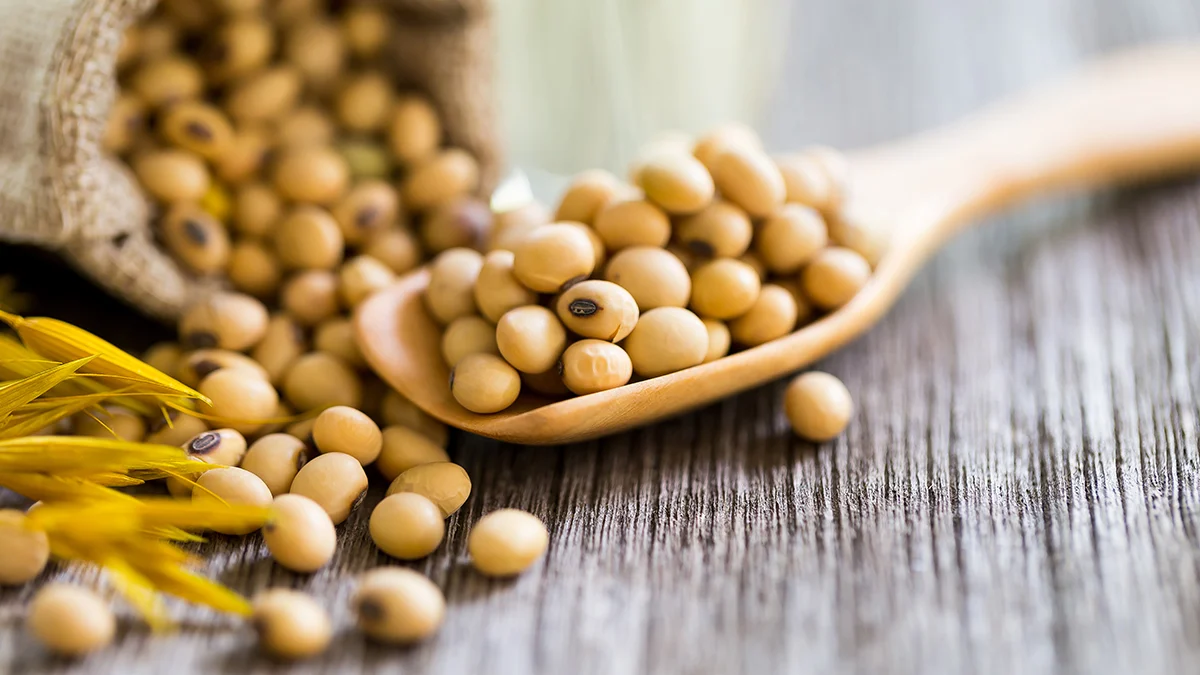
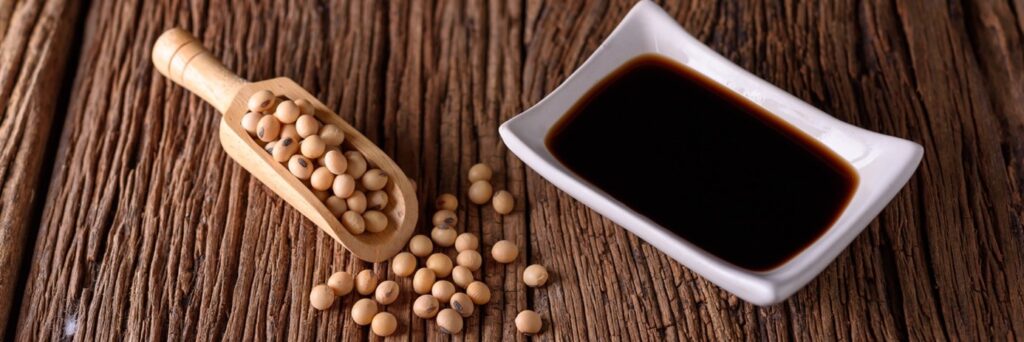
At its core, lecithin is a complex mixture of natural phospholipids — molecules composed of phosphoric acid linked with choline, glycerol, and fatty acids. These phospholipids have a unique amphiphilic structure, meaning they can interact with both water and fats, making them excellent emulsifiers and biological nutrients. Lecithin is commonly sourced from soybean or sunflower oils, offering a plant‑derived option that aligns with modern feed trends prioritizing non‑synthetic additives and sustainability.
In animal nutrition, lecithin is both a functional feed additive and a nutritional supplement:
- Functional additive: As an emulsifier, it helps disperse fats and oils within feed formulations and during digestion.
- Nutritional supplement: As a source of phospholipids and choline, it supports cellular metabolism and liver health.
Importantly, regulatory authorities such as the European Food Safety Authority (EFSA) have recognized lecithin as safe and efficacious for all target animal species, and there is no established maximum inclusion limit for feed applications.
Why Lecithin Matters in Feed Formulation
The modern animal feed industry faces several interconnected pressures:
- Rising ingredient costs
- Demand for improved productivity and lower mortality
- Focus on sustainable and natural feed components
- Regulatory compliance for export markets
Integrating lecithin into feed formulations addresses many of these needs. Its primary contribution stems from its role as an emulsifier — enhancing the dispersion of dietary fats and improving fat utilization in the digestive tract. This effect is particularly important in high‑energy diets or when feeds include large amounts of plant‑based oils, which are generally less digestible than animal fats.
By improving fat emulsification and nutrient availability, lecithin supports multiple performance outcomes:
Enhanced Fat Digestion and Nutrient Absorption
Lecithin enhances the solubilization of lipids in the digestive tract, increasing the surface area available for enzymatic action. This improves the utilization of dietary fats and increases the uptake of fat‑soluble vitamins such as A, D, E, and K, which are crucial for immune function, growth, and reproductive performance.
Improved Feed Conversion and Growth Performance
When animals utilize energy and nutrients more efficiently, feed conversion ratios (FCR) improve. This often translates into faster weight gain in species like poultry and swine, and better growth rates in aquaculture species such as fish and shrimp.
Health and Metabolic Support
Lecithin’s natural choline content supports liver function and lipid metabolism. It can help prevent fatty liver syndrome and supports metabolic processes, which is especially important in high‑production operations and breeding stock.
Industrial Applications by Animal Type
A major strength of lecithin is its versatility across a range of species and feed types. Below is an industrial breakdown:
Poultry and Swine Feed
In poultry (broilers and layers) and swine diets, lecithin:
- Improves energy extraction from feeds
- Enhances lipid digestion especially in young animals with immature bile systems
- Supports consistent growth and uniformity in flock or herd performance
- Provides choline for egg yolk formation and liver health
Typical inclusion rates in poultry feeds range from 0.25–1%, while swine diets often benefit from 0.5–2% depending on age and production stage.
Ruminants and Dairy Cattle
For ruminants, lecithin can be used as an energy‑dense supplement and to support microbial efficiency in the rumen. It contributes to improved growth performance and helps high‑yielding dairy cows maintain energy balance, especially during peak lactation.
Aquaculture
Aquaculture feeds benefit significantly from lecithin’s emulsification and digestive support:
- Improves lipid digestion, particularly important for fish and shrimp diets
- Enhances water stability of pellets, reducing leaching of nutrients
- Supports survival and growth rates, especially in larval and juvenile stages
Recommended inclusion for aquatic species can vary up to 20,000 mg/kg in complete feeds for shrimp, depending on production goals and feed type.
Pet Food and Minor Species
Lecithin’s nutritional and emulsifying properties also translate well to pet food and specialty feeds — improving palatability, coat quality, and nutrient utilization in dogs, cats, and small mammals.
Common Sourcing Mistakes and How to Avoid Them
Even technical teams with extensive feed formulation experience can misjudge lecithin procurement and usage. Common mistakes include:
Mistake 1: Mixing Food‑Grade and Feed‑Grade Specifications
Not all lecithin grades are suitable for feed. Food‑grade lecithin may have different processing aids or quality guarantees that do not align with feed manufacturing requirements. Always verify that lecithin is certified for feed use with appropriate certificates of analysis (COAs).
Mistake 2: Neglecting Phospholipid Content and Quality Metrics
High‑performing lecithin should have specified phospholipid content (often ≥ 60%) and controlled acid/peroxide values to avoid oxidation and ensure functional performance. Neglecting these metrics can result in inconsistent performance during pelleting or in the digestive tract.
Mistake 3: Failing to Integrate Lecithin with Process Conditions
Temperature, moisture, and mixing sequences impact lecithin’s effectiveness. For example, adding liquid lecithin at excessively high temperatures (>80°C) can denature its functional properties, while premature inclusion can affect pellet quality.
Mistake 4: Underestimating Storage Conditions
Due to its unsaturated fatty acid content, lecithin is prone to oxidation. Improper storage in humid or high‑temperature environments can lead to rapid degradation of emulsifying capacity. Proper storage extends shelf life and ensures consistent performance.
Practical Industrial Tips for Large‑Scale Production
To harness the full potential of lecithin in animal feed production, technical teams should adopt the following actionable strategies:
Optimize Inclusion Rates Based on Species and Lifecycle
Different animals have different digestive capacities. For example, young piglets and chicks have a limited ability to produce bile salts and thus benefit more from emulsifiers like lecithin than mature animals. Tailor inclusion rates through pilot trials to balance cost and performance.
Leverage Lecithin’s Functional Role in Pellet Quality
Lecithin enhances pellet durability by acting as a natural binder and lubricant. This reduces fines during handling and transportation and improves water stability in aquaculture feeds, thus reducing nutrient leaching and waste.
Use Multiple Lecithin Forms Strategically
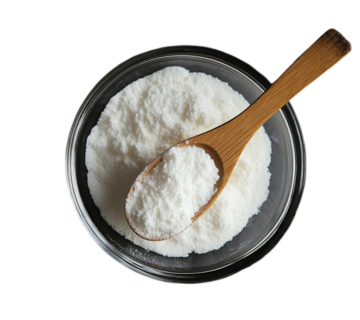
Liquid lecithin is easy to spray onto fats during mixing, while de‑oiled or powdered lecithin is easier to incorporate into dry premixes. Hydrolyzed lecithin variants can offer enhanced emulsification in water-based systems or for finely balanced diets.
Integrate Lecithin with Other Functional Additives
For maximum performance, lecithin works well with other feed additives such as probiotics, enzymes, and vitamins. Their collective action on gut health and nutrient absorption can produce synergistic improvements in feed conversion and growth outcomes.
Comparing Lecithin to Other Feed Additives
It is important to position lecithin within the broader landscape of feed additives:
- Lecithin vs. Synthetic Emulsifiers: Lecithin is natural and often more compatible with clean labeling goals, while synthetic emulsifiers might offer stronger fat dispersion in some contexts.
- Lecithin vs. Oil Supplements: Oils provide calories but lack lecithin’s phospholipids and choline, making lecithin not just an energy source but also a metabolic enhancer.
- Lecithin vs. Enzyme Additives: Enzymes target specific digestive bottlenecks, while lecithin offers broad emulsification benefits that improve overall nutrient access.
Understanding these distinctions helps manufacturers craft well‑balanced, cost‑effective feed formulations that meet performance targets.
Frequently Asked Questions from Factory Managers and Procurement Teams
What inclusion levels are recommended for lecithin in feed?
Typical inclusion rates vary by animal type but often range from 0.5–2% for livestock and poultry and up to higher levels in aquaculture feeds depending on requirements. Inclusion should always be validated through performance trials.
Is lecithin safe for all target species?
Yes — lecithin is considered safe for all animal species, and no maximum content restriction is imposed by regulatory authorities like EFSA.
How does lecithin support liver health?
Lecithin supplies natural choline which supports hepatic lipid metabolism and can reduce the incidence of fatty liver in high‑production animals.
Can lecithin replace other functional feed additives?
Lecithin complements other additives but generally does not replace functional additives like enzymes or probiotics. Use it as part of a holistic formulation strategy.
How does lecithin affect pellet stability?
Lecithin enhances pellet durability and reduces fines due to its binding and lubricating properties, improving both manufacturing efficiency and feed handling.
Strategic Considerations for Long‑Term Sourcing
When planning for long‑term lecithin procurement and integration:
- Diversify supplier sources to mitigate supply risk.
- Negotiate quality‑based contracts with clear specification windows.
- Integrate COA requirements into purchasing systems to ensure batch traceability.
- Align lecithin grades with product lines — for example, higher emulsification grades for aquaculture and balanced grades for poultry or swine feeds.
A supplier like MT Royal can assist with specification planning, technical data, and timely supply logistics — turning raw material acquisition into a competitive advantage for your feed operation.
Elevating Feed Performance with Informed Decisions
The role of lecithin for animal feed industry stretches beyond a mere emulsifier — it is a multifunctional ingredient that enhances digestibility, nutrient uptake, feed stability, and animal health when deployed strategically. By understanding its technical functions, avoiding common sourcing pitfalls, and optimizing inclusion across species and feed types, your manufacturing facility can achieve measurable improvements in feed efficiency and performance outcomes.
Thoughtful feed formulation supported by dependable sourcing transforms lecithin from a supplementary additive into a core component of high‑performance animal nutrition. Choose ingredients with purpose, leverage technical insight, and align suppliers to your long‑term production goals — and you’ll see why lecithin is more than a formula line item, but a driver of operational excellence.

No comment