

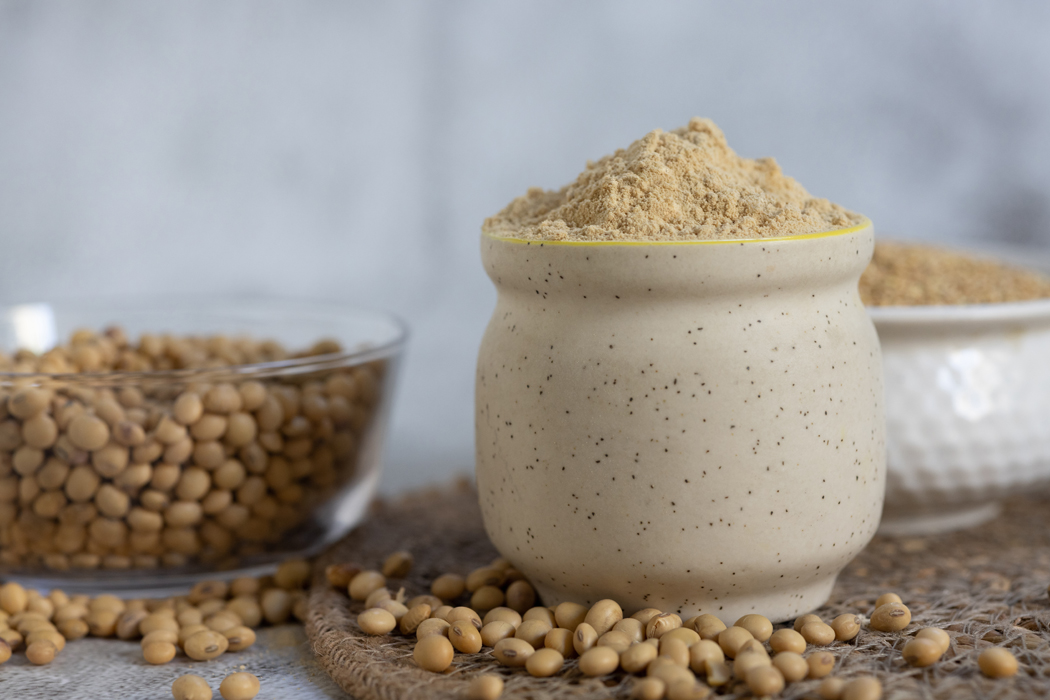
For food and industrial manufacturers in Afghanistan, lecithin is more than a simple additive—it is a functional powerhouse. From improving emulsification in chocolate and bakery products to stabilizing nutritional formulations, lecithin determines product consistency, shelf life, and process efficiency. Choosing the right Lecithin Supplier for Afghanistan is therefore a decision with far-reaching operational implications. At MT Royal, we have witnessed how reliable lecithin sourcing transforms production reliability, reduces waste, and enhances product quality across diverse manufacturing lines.
Afghanistan’s food manufacturing industry faces unique challenges: limited domestic production of specialized ingredients, dependency on imports, climate-sensitive storage, and logistical constraints. Manufacturers are searching for suppliers who not only provide lecithin but understand its industrial behavior and how it integrates into large-scale production. This article offers a complete, in-depth guide tailored to these requirements, providing practical insights for factory managers, procurement specialists, and industrial decision-makers.
What Is Lecithin and Why It Matters in Industrial Food Production
Lecithin is a naturally occurring phospholipid extracted from soy, sunflower, or egg yolk. Its molecular structure allows it to interact with both water and oil, making it a crucial emulsifier, stabilizer, and dispersant in industrial food applications.
Key functional benefits include:
- Stabilizing emulsions in chocolate, bakery, and confectionery products
- Reducing viscosity in high-fat formulations for smoother processing
- Improving dough handling and consistency in baked goods
- Enhancing texture, mouthfeel, and shelf life in beverages and sauces
- Supporting uniform dispersion of powders and nutrients in fortified foods
For Afghan factories, lecithin is a silent contributor: its performance may go unnoticed until inconsistency arises. Selecting the right supplier ensures predictable functionality across production cycles.
latamarko alkalized cocoa powder lm60
cocoa powder for chocolate production-Best price
Food industry raw materials – list of products
Types of Gelatin from Turkish Manufacturer
Alkalized Cocoa Powder Supplier
Types of Lecithin Used in Industrial Applications
Soy Lecithin
The most common industrial lecithin, derived from soybean oil, is valued for versatility and cost-effectiveness. It is widely used in:
- Chocolate and confectionery for smooth texture and gloss
- Bakery products for dough conditioning
- Nutritional powders and supplements
Sunflower Lecithin
Non-GMO and free from soy allergens, sunflower lecithin is increasingly preferred for health-conscious markets. Applications include:
- Health bars and protein powders
- Beverage emulsions
- Specialty baked goods
Liquid vs. Powder Lecithin
- Liquid lecithin offers easier blending in continuous processes and reduces dust exposure.
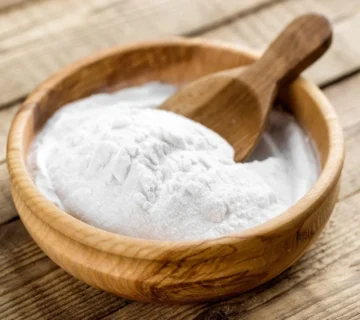
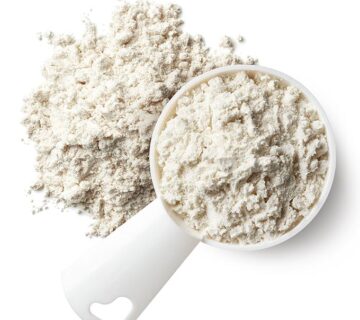
- Powder lecithin provides convenience in dry mixes and long-term storage stability.
The choice between forms depends on product type, manufacturing setup, and storage conditions in Afghanistan.
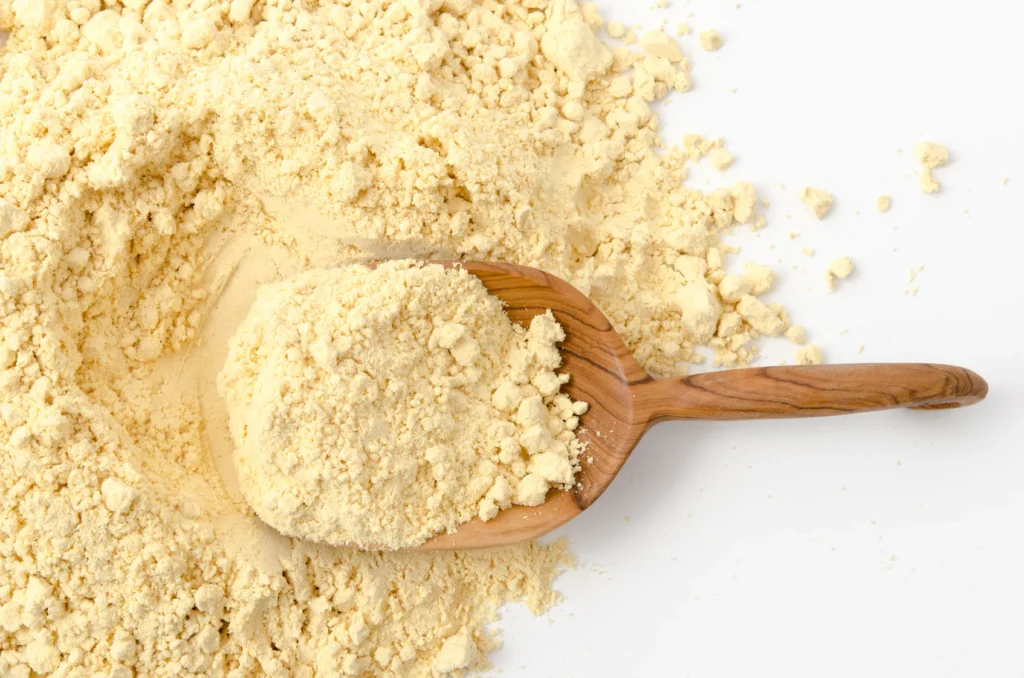
Why Afghanistan Relies on Imported Lecithin
Afghanistan lacks large-scale lecithin production facilities. As a result, all industrial-grade lecithin must be imported, increasing the importance of selecting a supplier who:
- Understands industrial functional requirements
- Ensures consistent quality across shipments
- Provides reliable packaging and climate-resilient logistics
Supply delays, packaging failures, or variable quality can disrupt production lines, compromise product performance, and increase operational costs.
Key Quality Parameters for Industrial Lecithin
Phospholipid Content
The phospholipid concentration determines emulsification strength, water-holding capacity, and performance in high-fat matrices. Factories must select lecithin with consistent phospholipid levels for predictable results.
Moisture and Free Fat Content
Excess moisture or free oil can affect flowability, shelf life, and mixing efficiency. Packaging must maintain these parameters during transit and storage.
Color, Odor, and Purity
Color and odor consistency is crucial, especially in chocolate, confectionery, and nutritional products where lecithin is highly concentrated. Impurities or off-flavors compromise product acceptability.
Batch-to-Batch Consistency
Industrial production relies on repeatable performance. Even minor variations in lecithin composition can affect texture, viscosity, or product stability.
We have seen Afghan factories spend weeks troubleshooting chocolate viscosity issues, only to discover the root cause was inconsistent lecithin batches.
Common Mistakes in Sourcing Lecithin for Afghanistan
Focusing Only on Price
Low-cost lecithin often sacrifices functional consistency or stability. Hidden costs emerge as process inefficiencies, increased waste, or inconsistent product quality.
Ignoring Packaging and Storage Requirements
Lecithin is sensitive to temperature and humidity. Inadequate packaging or storage compromises performance, particularly in Afghanistan’s diverse climate zones.
Treating Lecithin as a Commodity
Lecithin is functionally complex. Assuming all lecithin sources are interchangeable risks emulsification failures, texture problems, and product rejection.
Frequent Supplier Switching
Each lecithin source behaves slightly differently. Frequent changes without proper evaluation introduce variability, affecting production reliability.
Industrial Applications of Lecithin in Afghanistan
Chocolate and Confectionery
Lecithin reduces viscosity, improves mold release, enhances gloss, and stabilizes cocoa butter emulsions. Reliable lecithin ensures smooth, uniform chocolate without additional refining steps.
Bakery and Dough Conditioning
In bread, biscuits, and pastries, lecithin improves dough elasticity, machinability, and crumb structure. It contributes to consistent oven spring, moisture retention, and product uniformity.
Nutritional Powders and Beverages
Lecithin ensures uniform dispersion of protein, vitamins, and minerals in powders and liquid beverages. It prevents clumping, enhances solubility, and improves mouthfeel.
Sauces, Dressings, and Emulsions
Lecithin stabilizes oil-in-water emulsions, reduces phase separation, and prolongs shelf life in sauces, spreads, and salad dressings.
How to Identify a Reliable Lecithin Supplier for Afghanistan
A dependable supplier offers more than product delivery; they provide confidence in industrial outcomes. Key criteria include:
- Access to high-quality lecithin from trusted sources
- Expertise in industrial functional applications
- Packaging suited to long-distance transport and diverse climates
- Consistent specifications across shipments
- Technical support and guidance for formulation
MT Royal exemplifies these qualities. We supply lecithin tailored for Afghan industrial needs, ensuring functional stability, multiple origin options, and logistic resilience.
Industrial-Scale Considerations
Functional Consistency Across Batches
Factories depend on lecithin performing the same in small-scale trials and full-scale production. Suppliers who guarantee repeatable quality reduce line stoppages and waste.
Supply Continuity
Interruptions in lecithin supply halt production. Strategic suppliers maintain multiple sources, inventory, and transit plans to prevent disruptions.
Cost Management Through Reliability
Stable, high-quality lecithin reduces rework, scrap, and troubleshooting costs. Factories gain more from consistent supply than short-term price savings.
We have observed Afghan production lines achieve smoother operations by consolidating lecithin sourcing with MT Royal, avoiding variability and production inefficiencies.
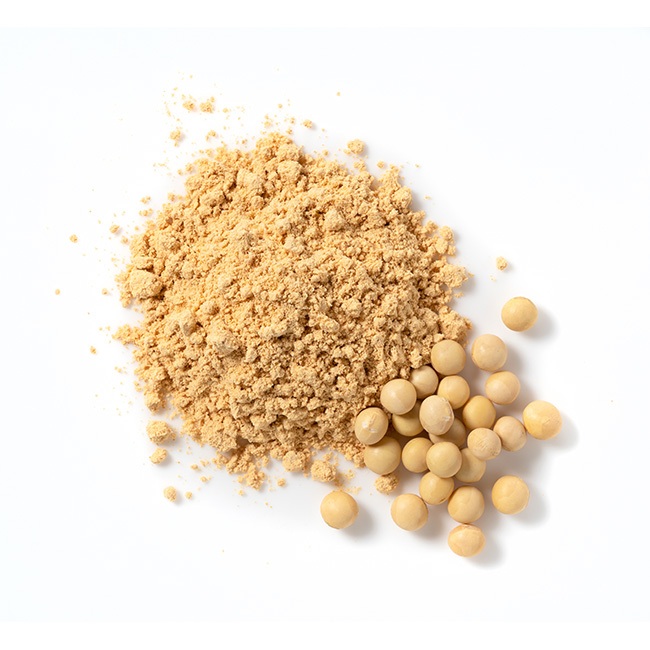
Frequently Asked Questions from Factory Managers and Buyers
Can one supplier provide multiple forms of lecithin for diverse applications?
Yes, provided the supplier has multi-source access and understands functional requirements across applications.
How do climate conditions in Afghanistan affect lecithin storage?
Lecithin is sensitive to heat and moisture. Proper packaging, climate-controlled storage, and timely inventory rotation are essential to maintain functionality.
Is technical guidance necessary when sourcing lecithin?
Absolutely. Industrial lecithin interacts with formulations and machinery. Expert guidance reduces risk of product inconsistency or production delays.
Market Trends Affecting Lecithin Supply to Afghanistan
- Growing demand for chocolate, confectionery, and baked goods
- Increasing emphasis on protein-fortified and functional foods
- Shift toward non-GMO and allergen-free lecithin sources
- Rising need for suppliers experienced in long-distance, climate-sensitive logistics
Manufacturers aligning with these trends gain operational resilience and consistent product quality.
Strategic Perspective on Lecithin Sourcing
Lecithin may appear minor, but its industrial impact is substantial. Successful Afghan manufacturers remove upstream variability by selecting suppliers who guarantee consistent, high-performance lecithin. MT Royal supports this approach, supplying reliable lecithin, multi-source options, and technical guidance to optimize production, reduce waste, and enhance product stability. In a market where every batch matters, strategic sourcing of lecithin transforms operational uncertainty into predictable, high-quality outcomes.

No comment