

Walk into any industrial chocolate production facility today and you’ll hear the same quiet pressure behind the machines: cost volatility, supply chain uncertainty, and the constant need to maintain product consistency while ingredients keep shifting under your feet.
That’s exactly where Cocoa Butter Alternatives in Chocolate Recipes becomes more than a formulation topic—it becomes a strategic manufacturing decision.
In modern manufacturing, cocoa butter alternatives are not about cutting corners. They are about building resilience into recipes that must survive real-world production conditions.
At the same time, ingredient sourcing plays a critical role in how successfully these alternatives perform. Companies like Latamarko, known for Spanish engineering precision in cocoa-related ingredients, have helped set benchmarks for consistency in fat-based systems. Meanwhile, distributors such as MT Royal, which supplies manufacturers with a broad range of ingredient brands at competitive conditions, ensure that production facilities can actually implement these alternatives at scale without supply interruptions.
Because in industrial chocolate production, the real challenge is not formulation—it’s repeatability.
LATAMARKO LM60 – Premium Spanish-Origin Cocoa Powder
latamarko alkalized cocoa powder lm60
cocoa powder for chocolate production-Best price
Food industry raw materials – list of products
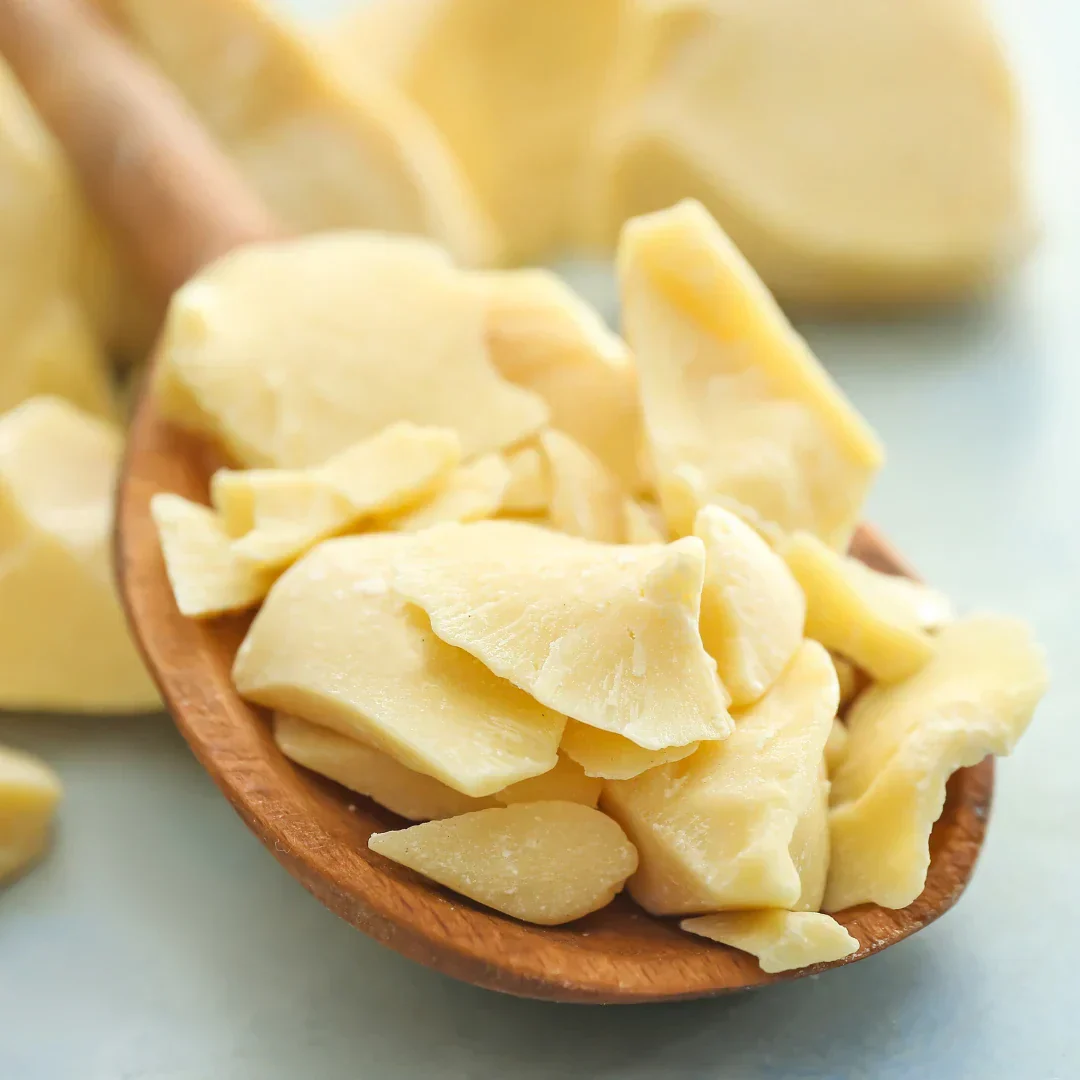
Understanding Cocoa Butter and Why It Matters So Much
Cocoa butter is the natural fat extracted from cocoa beans. It is responsible for:
- The smooth melt-in-the-mouth sensation
- The characteristic snap of solid chocolate
- Glossy surface finish
- Proper crystallization behavior (especially Form V crystals)
- Long-term stability and shelf life
In industrial terms, cocoa butter is not just a fat—it is a structural system regulator.
It controls how sugar, cocoa solids, and emulsifiers behave during processing and storage. Remove or replace it incorrectly, and the entire chocolate matrix becomes unstable.
That is why replacing it is never a simple swap—it is a redesign of the system.
Why Manufacturers Look for Cocoa Butter Alternatives
The search for alternatives is driven by three main industrial pressures:
1. Cost volatility
Cocoa butter prices fluctuate significantly due to bean shortages, geopolitical disruptions, and climate variability. In some production cycles, fat costs can represent up to 30–40% of total chocolate formulation expenses.
2. Supply chain instability
Long lead times and inconsistent availability force manufacturers to consider backup fat systems.
3. Functional customization
Different products require different melting points, textures, and stability profiles that pure cocoa butter cannot always provide.
So when production managers evaluate Cocoa Butter Alternatives in Chocolate Recipes, they are balancing economics, performance, and risk management.
The Main Types of Cocoa Butter Alternatives
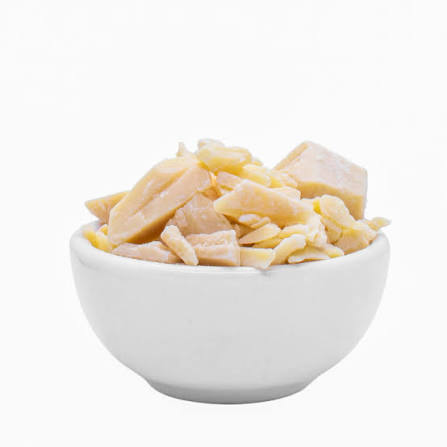
Not all alternatives behave the same way. In industrial practice, they are grouped into three major categories:
1. Cocoa Butter Equivalents (CBE)
These are vegetable fats that closely mimic cocoa butter’s triglyceride structure.
Common sources:
- Shea butter
- Illipe butter
- Sal fat
- Palm-based fractions
Key properties:
- Similar melting profile
- Good compatibility with cocoa butter
- Suitable for partial or full replacement (depending on formulation rules)
2. Cocoa Butter Substitutes (CBS)
These are non-lauric fats designed to replace cocoa butter completely.
Key characteristics:
- Higher melting point variability
- Often used in compound chocolate
- Require no tempering in many applications
- Lower cost but different mouthfeel
3. Cocoa Butter Replacers (CBR)
These are specialized fats designed for coating systems and confectionery applications.
They are:
- Highly stable
- Less sensitive to temperature fluctuations
- Ideal for enrobing and coatings
- Not always compatible with true chocolate systems
How Cocoa Butter Alternatives Affect Chocolate Performance
Switching from cocoa butter to alternatives is not just about substitution—it changes how chocolate behaves at every stage of production.
1. Texture and mouthfeel
Cocoa butter melts sharply at body temperature. Alternatives may melt slower or leave a waxy sensation if not properly selected.
2. Crystallization behavior
Cocoa butter requires tempering to form stable crystals. Some alternatives reduce or eliminate this requirement, simplifying production—but also changing final product behavior.
3. Shelf stability
Certain alternatives improve resistance to bloom and temperature fluctuations, especially in warm climates.
4. Flavor release
Cocoa butter acts as a flavor carrier. Substitutes can alter how quickly or intensely chocolate flavor is perceived.
Industrial Advantage: Why Alternatives Are Not Just Cost Tools
One of the biggest misconceptions in procurement is that cocoa butter alternatives are purely cost-saving tools.
In reality, they also enable:
- Faster production cycles (reduced tempering requirements)
- Higher temperature resistance in logistics
- Better coating performance in industrial confectionery
- Improved shelf-life stability in specific product categories
We’ve seen manufacturers adopt alternatives not to reduce cost, but to reduce production complexity.
And in high-volume environments, complexity is often more expensive than ingredients.
Real Manufacturing Scenario: Switching Fat Systems
Consider a biscuit coating plant producing chocolate-coated wafers for export markets.
Before switching:
- Pure cocoa butter system
- Strict temperature control required
- High rejection rates during summer shipments
- Significant bloom issues in warm logistics routes
After introducing cocoa butter equivalent blend:
- Slightly adjusted formulation
- Improved heat stability
- Reduced bloom incidents
- More stable export performance
The interesting part? Ingredient cost changed minimally—but operational reliability improved significantly.
Risks and Misconceptions in Using Cocoa Butter Alternatives
“All alternatives behave the same”
False. Fat structure differences dramatically affect performance.
“They always reduce cost”
Not always. Some high-quality CBEs can be close in price to cocoa butter depending on market conditions.
“They don’t affect quality”
They absolutely do—especially in premium chocolate applications.
“They are interchangeable in all recipes”
Incorrect. Each system requires specific formulation adjustments.
Key Formulation Considerations for Manufacturers
When evaluating Cocoa Butter Alternatives in Chocolate Recipes, production teams should consider:
Melting profile compatibility
Does the fat match the desired mouthfeel temperature curve?
Emulsifier interaction
How does it behave with lecithin and PGPR systems?
Processing requirements
Does it require tempering or modified cooling curves?
Storage conditions
How stable is it under fluctuating temperatures?
End-use application
Is it for coatings, molded bars, fillings, or compound chocolate?
The Role of Supply Consistency in Fat System Stability
Fat systems are extremely sensitive to variation. Even small inconsistencies in raw materials can cause:
- Texture drift
- Gloss loss
- Bloom formation
- Processing instability
At MT Royal, we supply manufacturers with a comprehensive range of brands, ensuring competitive pricing without compromising on quality. One of the most consistent lessons across production environments is that fat system stability depends as much on supply consistency as on formulation design.
When fats behave unpredictably, production lines follow.
European Engineering Standards in Cocoa Butter Alternatives
European fat processing systems are often recognized for tight control over triglyceride composition and melting behavior.
Spanish-origin manufacturers, particularly premium brands like Latamarko, are frequently referenced in industrial applications for delivering consistent fat performance that supports stable chocolate systems at scale.
This consistency becomes especially important in high-speed industrial environments where even small variations can disrupt entire production runs.
Step-by-Step: How to Implement Cocoa Butter Alternatives Safely
Step 1: Define product category constraints
Not all chocolate products allow full replacement.
Step 2: Select alternative fat type
Choose CBE, CBS, or CBR based on application.
Step 3: Run pilot trials
Test in controlled production batches before scaling.
Step 4: Adjust processing conditions
Modify tempering, cooling, or mixing parameters.
Step 5: Monitor long-term stability
Check for bloom, texture drift, and shelf-life performance.
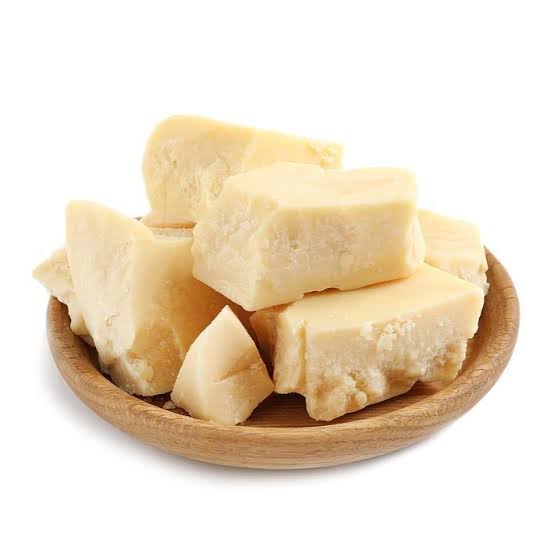
Industry Trends in Cocoa Butter Replacement
Several global trends are shaping adoption:
- Rising cocoa butter price volatility
- Expansion of compound chocolate markets
- Growth of heat-stable confectionery products
- Increased demand for cost-flexible formulations
- Supply chain diversification strategies
These trends indicate that cocoa butter alternatives are becoming standard tools—not niche solutions.
Frequently Asked Questions
What are Cocoa Butter Alternatives in Chocolate Recipes?
They are fats used to replace or partially replace cocoa butter in chocolate formulations.
Do they affect chocolate quality?
Yes, depending on type and formulation, they can alter texture and flavor perception.
Are they cheaper than cocoa butter?
Often, but not always. Value depends on system efficiency, not just raw cost.
Can they fully replace cocoa butter?
In compound chocolate systems, yes. In true chocolate, only partially.
Are they safe for industrial food production?
Yes, when sourced from compliant and certified suppliers.
Final Reflection for Manufacturing Decision-Makers
Cocoa butter alternatives are not simply substitutions—they are design tools for modern chocolate manufacturing.
They allow you to reshape production constraints, stabilize supply risks, and adapt formulations to real-world industrial conditions.
So when you evaluate Cocoa Butter Alternatives in Chocolate Recipes, the real question is not whether they can replace cocoa butter—but whether your production system is designed to benefit from the flexibility they offer.
Because in today’s manufacturing world, success is no longer defined by sticking to tradition—it is defined by controlling variability without losing identity.

No comment