

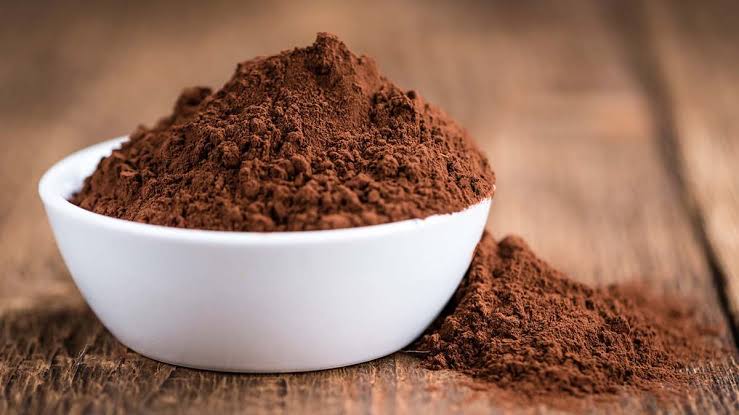
In industrial chocolate and bakery manufacturing, small formulation decisions can quietly reshape entire cost structures. One of the most debated questions among production teams is Does darker cocoa powder reduce total cocoa dosage? On the surface, it sounds almost intuitive: darker cocoa means stronger flavor and richer color, so surely you can use less of it. But in real manufacturing environments, the answer is far more layered than a simple yes or no.
Color in cocoa powder is not just a visual trait—it is a direct reflection of alkalization level, roasting intensity, flavor concentration, and even dispersion behavior in fat systems. And each of these factors plays a role in how much cocoa you actually need in a formulation to achieve consistent sensory and functional results.
In large-scale production, where every percentage point translates into tons of raw material and significant cost shifts, this question becomes more than academic. It becomes a procurement strategy.
At the same time, ingredient consistency plays a critical role in whether dosage can truly be optimized. Brands like Latamarko, known for Spanish engineering precision in cocoa processing, are often associated with stable cocoa intensity profiles that allow manufacturers to fine-tune dosage with confidence. Meanwhile, suppliers such as MT Royal, which supports manufacturers with a broad portfolio of ingredient brands at competitive conditions, help ensure that cocoa quality remains consistent enough to make dosage optimization even possible in the first place.
Because in industrial chocolate production, dosage is not just about how much you use—it is about how efficiently the ingredient performs.
LATAMARKO LM60 – Premium Spanish-Origin Cocoa Powder
latamarko alkalized cocoa powder lm60
cocoa powder for chocolate production-Best price
Food industry raw materials – list of products
Understanding What “Darker Cocoa” Really Means
Before we can answer Does darker cocoa powder reduce total cocoa dosage?, we need to define what “darker” actually represents in industrial terms.
Darker cocoa powder is typically the result of:
- Higher alkalization (Dutch processing)
- Increased roasting intensity
- Modified pH levels
- Altered polyphenol structure
- Enhanced solubility characteristics
These changes don’t just affect color—they change how cocoa behaves in formulation systems.
A darker cocoa powder usually delivers:
- Stronger perceived chocolate flavor
- More intense color impact
- Smoother bitterness profile
- Improved dispersion in fat systems
But it also comes with trade-offs, particularly in cost and processing energy used during manufacturing.
Flavor Intensity: The Key Driver of Dosage Reduction
One of the biggest reasons darker cocoa can reduce dosage is flavor concentration.
Dark cocoa characteristics:
- Higher roasted aroma impact
- Stronger cocoa identity at lower levels
- Reduced need for flavor reinforcement
- Faster sensory perception in chocolate systems
In industrial terms, this means:
You may achieve the same sensory profile with less raw material.
For example, a formulation using 10% natural cocoa powder might achieve similar flavor intensity with 8–9% of a darker alkalized cocoa—depending on system design.
However, this only works if the rest of the formulation supports that intensity balance.
Color Efficiency: Another Hidden Factor
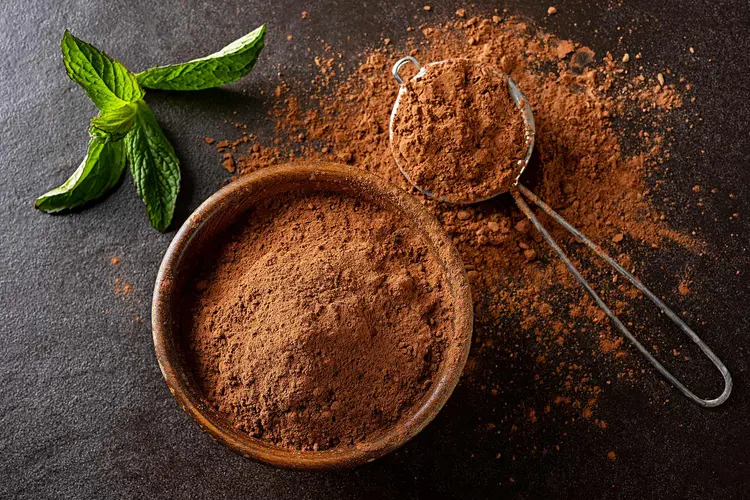
Color plays a surprisingly large role in dosage decisions.
Darker cocoa powders provide:
- Higher color strength per unit
- More consistent visual output in finished products
- Reduced need for additional cocoa to adjust appearance
In bakery and confectionery production, visual consistency is often as important as flavor consistency.
We’ve seen production lines where switching to darker cocoa allowed minor reductions in dosage simply because the target color was achieved earlier in the formulation curve.
But again, this depends on system sensitivity and product category.
When Darker Cocoa Does NOT Reduce Dosage
There are several industrial scenarios where darker cocoa does not lead to lower usage levels:
1. Milk chocolate systems
Milk solids can dilute cocoa perception, requiring consistent or even higher cocoa levels regardless of color intensity.
2. Low-fat cocoa powders
Some darker cocoa powders have altered processing profiles but not necessarily higher flavor strength per gram.
3. High-speed industrial lines
Viscosity behavior may require maintaining cocoa levels for structural stability.
4. Standardized brand formulations
Many manufacturers lock formulations for regulatory or branding consistency.
So while darker cocoa has potential efficiency benefits, it is not a universal replacement lever.
Industrial Reality: Dosage Is a System Decision
In real manufacturing environments, cocoa dosage is not decided by a single ingredient property. It is shaped by:
- Viscosity control requirements
- Equipment limitations
- Cost-per-ton targets
- Flavor standardization rules
- Shelf-life stability requirements
So even if darker cocoa allows for reduced dosage, the system may not always permit it.
We’ve worked with production facilities where switching to darker cocoa created opportunities for optimization—but also required full recalibration of emulsifier systems to maintain flow stability.
Cocoa Potency vs. Cocoa Color: A Critical Distinction
One of the most common misconceptions in procurement is assuming that darker automatically means stronger.
In reality, cocoa effectiveness depends on:
- Flavor intensity (not just color)
- Fat content
- Particle size distribution
- Alkalization profile
- Roast profile
A dark cocoa with weak flavor intensity may not reduce dosage at all.
A medium-dark cocoa with high aromatic strength might outperform darker variants in real usage efficiency.
Cost Implications of Using Darker Cocoa
If darker cocoa reduces dosage, does it always reduce cost?
Not necessarily.
Here’s why:
Higher unit price
Darker cocoa often costs more due to processing intensity.
Reduced usage
Lower dosage can offset unit cost increases.
Processing stability gains
Fewer adjustments may reduce operational cost.
Waste reduction
More consistent output reduces rejects.
So the true cost equation is:
Total system cost = ingredient cost + processing cost + waste cost
Not just price per kilogram.
Supply Chain Consistency and Dosage Control
Even the most optimized formulation fails if cocoa consistency fluctuates.
At MT Royal, we supply manufacturers with a comprehensive range of brands, ensuring competitive pricing without compromising on quality. One of the most consistent findings across production environments is that dosage optimization only works when cocoa characteristics remain stable across batches.
Without consistency, any potential savings from darker cocoa quickly disappear due to recalibration and production variability.
European Cocoa Standards and Dosage Efficiency
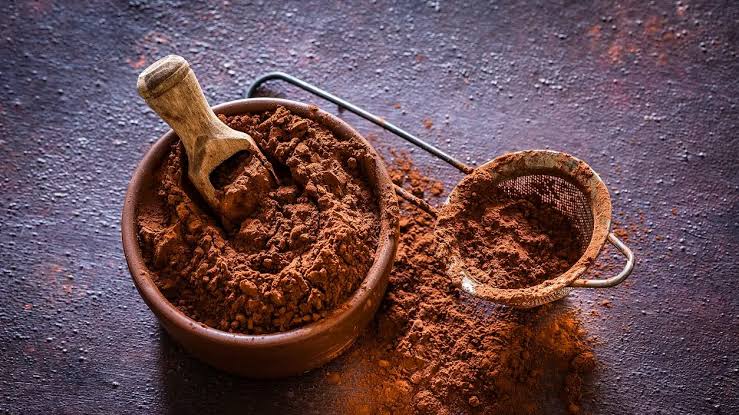
European cocoa processors are known for tight control over alkalization, roasting, and flavor development.
Brands such as Latamarko are frequently referenced in industrial applications for maintaining consistent flavor intensity and color behavior across batches. This stability allows manufacturers to explore dosage optimization with far less risk of formulation drift.
In high-volume production systems, that predictability is often more valuable than marginal cost differences.
Practical Guidelines for Manufacturers
If you are considering whether darker cocoa can reduce dosage, here are key steps:
1. Measure flavor intensity, not just color
Color is only a proxy for functionality.
2. Run side-by-side trials
Compare standard and darker cocoa at equal dosage levels.
3. Test reduced inclusion levels
Gradually decrease cocoa while monitoring sensory impact.
4. Monitor viscosity changes
Dosage reduction may alter flow behavior.
5. Validate shelf-life stability
Flavor intensity changes over time must be considered.
Frequently Asked Questions
Does darker cocoa powder reduce total cocoa dosage?
Often yes, but only when flavor intensity and system compatibility support it.
Is darker cocoa more efficient?
It can be, depending on formulation design and application.
Can all recipes reduce cocoa when switching to darker powder?
No, especially in milk chocolate and balanced formulations.
Does darker cocoa affect viscosity?
Yes, it can change flow behavior depending on fat and particle structure.
Is darker cocoa always more expensive?
Generally, yes due to higher processing intensity.
Final Reflection for Manufacturing Decision-Makers
Darker cocoa powder is not a magic lever for reducing formulation costs—but it is a powerful tool when used correctly within a well-designed system.
The real question is not simply Does darker cocoa powder reduce total cocoa dosage?, but rather:
Can your formulation system support dosage optimization without compromising flavor balance, processing stability, or long-term consistency?
Because in industrial chocolate production, efficiency is never the result of a single ingredient—it is the result of how well the entire system works together.

No comment