

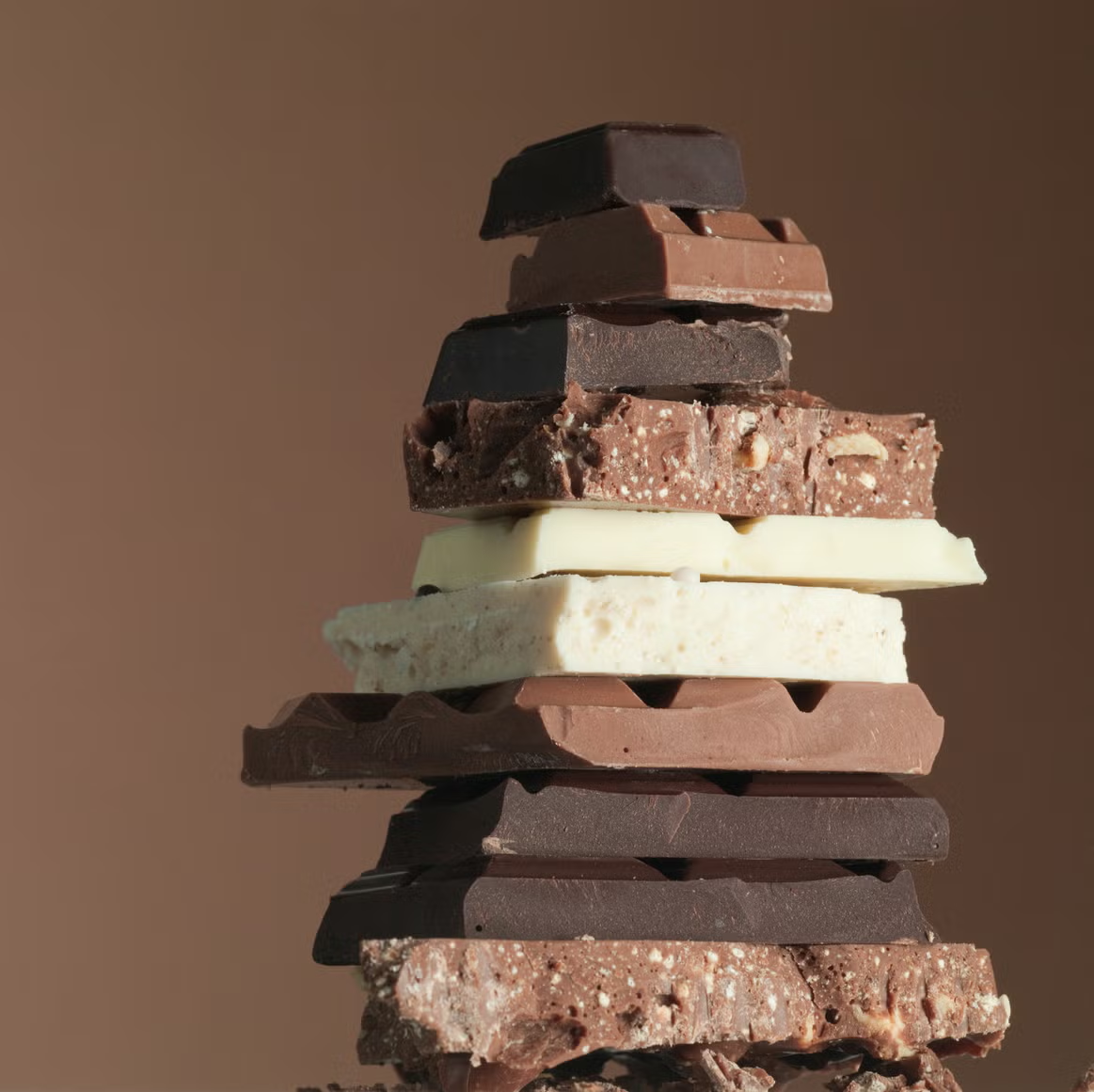
When consumers taste a premium chocolate product, they usually notice the first things that come to mind: smooth texture, balanced sweetness, rich cocoa notes, and a pleasant finish. However, behind these sensory experiences is a complex formulation process where every ingredient plays a specific role. Among all ingredients used in chocolate manufacturing, sugar is one of the most influential—and one of the most misunderstood.
For industrial chocolate producers, selecting the right sweetener is not simply a matter of choosing the cheapest ingredient. Sugar affects viscosity, crystallization, shelf life, moisture control, texture, sweetness perception, and even the stability of the final product. A decision made during procurement can influence everything from production efficiency to customer satisfaction.
Premium chocolate manufacturers around the world carefully evaluate different sweetening systems to achieve the exact characteristics they want. Companies and brands focused on quality, including premium European-origin names such as Latamarko, demonstrate how ingredient precision and formulation control contribute to superior confectionery products.
At MT Royal, we support manufacturers by supplying a wide range of ingredient solutions from trusted brands at competitive prices. We understand that factories need ingredients that provide consistent performance, reliable supply, and technical value—not just a lower purchase price.
So, when choosing sugar for chocolate production, should manufacturers use traditional sucrose, functional glucose syrup, high-intensity fructose, or modern polyol alternatives? The answer depends on the product goals, processing conditions, and market expectations.
LATAMARKO LM60 – Premium Spanish-Origin Cocoa Powder
latamarko alkalized cocoa powder lm60
cocoa powder for chocolate production-Best price
Food industry raw materials – list of products
Understanding the Role of Sugar in Chocolate Manufacturing
Sugar is much more than a sweetening ingredient in chocolate. It influences the entire structure of the product, from particle size and mouthfeel to melting behavior and flavor balance.
In chocolate formulations, sugar contributes to several important functions:
- Sweetness balance: Sugar reduces cocoa bitterness and helps create the desired flavor profile, especially in dark and milk chocolate formulations where cocoa intensity must be carefully controlled.
- Texture development: The size, shape, and behavior of sugar particles influence chocolate smoothness. Poor sugar selection or inadequate refining can create a gritty mouthfeel that negatively affects premium product perception.
- Processing performance: Different sugars behave differently during mixing, refining, conching, and tempering. Manufacturers must consider how each sweetener interacts with cocoa solids, cocoa butter, milk powders, and emulsifiers.
- Shelf stability: Certain sweeteners affect moisture migration, water activity, and resistance to quality changes during storage.
For this reason, industrial chocolate producers should evaluate sugar as a functional ingredient rather than simply a source of sweetness.
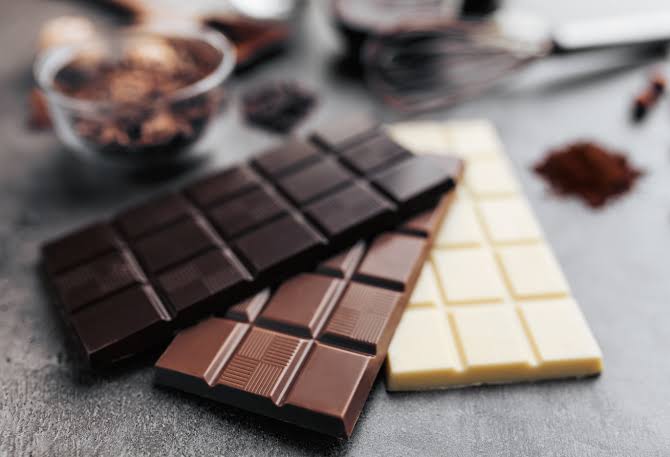
Sucrose: The Traditional Foundation of Chocolate Production
Sucrose remains the most widely used sweetener in chocolate manufacturing. It is the standard sugar found in many conventional and premium chocolate products because it provides predictable sweetness, good availability, and reliable processing behavior.
Sucrose is typically produced from sugar cane or sugar beet and consists of glucose and fructose molecules bonded together. Its neutral flavor profile allows cocoa characteristics to remain dominant.
Advantages of Sucrose in Chocolate Manufacturing
Sucrose continues to be the preferred choice for many factories because of several practical benefits:
- Consistent performance: Sucrose has a long history of industrial use, meaning manufacturers understand how it behaves during production and storage.
- Cost efficiency: Compared with specialty sweeteners, sucrose generally provides an economical solution for large-volume production.
- Neutral taste: Unlike some alternative sweeteners, sucrose does not introduce additional flavors that may interfere with premium cocoa profiles.
- Global availability: Reliable sourcing makes sucrose easier to manage in international supply chains.
However, sucrose is not perfect for every application. Manufacturers developing reduced-sugar products, functional chocolates, or specialized formulations may need alternative solutions.
Glucose Syrup: Improving Texture and Processing Control
Glucose syrup is widely used in confectionery manufacturing because it offers functional advantages beyond sweetness. It is created through starch hydrolysis and contains different proportions of glucose and other carbohydrates.
Unlike crystalline sugar, glucose syrup remains liquid and can influence the physical properties of chocolate-related products.
Why Manufacturers Use Glucose Syrup
Glucose syrup can provide several benefits in industrial production:
- Texture improvement: It can contribute to a softer and smoother texture in certain chocolate fillings, caramel-based products, and confectionery applications.
- Crystallization control: Glucose syrup helps reduce unwanted sugar crystallization, which is especially valuable in products where a smooth structure is required.
- Moisture management: It can help control water activity in certain formulations, supporting improved shelf life.
- Process flexibility: Liquid sweeteners can simplify mixing and handling in some manufacturing environments.
However, glucose syrup is not always suitable for traditional chocolate bars because excessive use can affect viscosity and tempering behavior.
Fructose: High Sweetness with Specific Applications
Fructose is a naturally occurring sugar found in fruits and honey. It has a higher sweetness intensity than sucrose, which means manufacturers can sometimes achieve the desired sweetness using a smaller quantity.
For certain food applications, fructose can provide advantages, but its role in chocolate manufacturing requires careful consideration.
Benefits and Challenges of Fructose
Fructose offers some interesting properties:
- Higher sweetness intensity: Manufacturers may reduce the total amount of sweetener required in specific formulations.
- Good solubility: Fructose dissolves easily, which can benefit certain liquid or filled chocolate applications.
- Flavor compatibility: In some recipes, fructose can create a different sweetness profile compared with sucrose.
However, excessive use of fructose may affect browning reactions, moisture behavior, and consumer perception. Therefore, it is usually selected for specific product concepts rather than replacing sucrose completely.
Polyols: The Alternative for Sugar-Reduced Chocolate Products
With growing consumer interest in low-sugar and sugar-free products, polyols have become increasingly important in confectionery manufacturing.
Polyols, also known as sugar alcohols, include ingredients such as maltitol, sorbitol, and erythritol. They provide sweetness with different metabolic and functional characteristics compared with traditional sugars.
Common Polyols Used in Chocolate Applications
Manufacturers often evaluate several polyol options depending on product requirements:
- Maltitol: Maltitol is one of the most common choices for sugar-free chocolate because it provides a sweetness level close to sucrose while maintaining a chocolate-like texture.
- Erythritol: Erythritol has very low caloric value and is popular in reduced-sugar products, although its cooling sensation can affect mouthfeel.
- Sorbitol: Sorbitol provides moisture control benefits but requires careful dosage because excessive amounts may influence texture.
Each polyol has unique characteristics, so manufacturers must conduct formulation testing before large-scale adoption.
Comparing Sucrose, Glucose, Fructose, and Polyols
Selecting the right sweetener depends on the desired product outcome. The following comparison highlights the general differences between major options:
| Sweetener | Main Benefit | Common Applications | Main Consideration |
|---|---|---|---|
| Sucrose | Balanced sweetness and reliability | Traditional chocolate bars, premium chocolate | Higher sugar content |
| Glucose Syrup | Texture and crystallization control | Filled chocolates, confectionery products | Can affect viscosity |
| Fructose | Higher sweetness intensity | Specialty formulations | Requires careful balance |
| Polyols | Sugar reduction solutions | Sugar-free and functional chocolates | Possible texture differences |
Common Mistakes When Selecting Chocolate Sweeteners
Many production problems are not caused by poor ingredients but by selecting ingredients without considering the complete formulation.
Manufacturers should avoid these common mistakes:
- Choosing based only on price: A cheaper sweetener may increase costs later if it creates production issues, inconsistent quality, or customer complaints.
- Ignoring equipment compatibility: Different sweeteners can influence refining, mixing, and tempering processes. Production equipment should always be considered.
- Changing ingredients without testing: Even small formulation changes can affect viscosity, flavor release, and shelf stability.
- Overlooking consumer expectations: A premium chocolate product requires a sweetness profile aligned with market positioning.
A Practical Selection Process for Factory Managers
For production managers and procurement teams, a structured evaluation process reduces risk and improves decision-making.
Before selecting a sweetener, factories should consider:
- Define the product objective: Determine whether the goal is premium flavor, reduced sugar, cost efficiency, improved texture, or extended shelf life.
- Analyze formulation requirements: Evaluate how the sweetener interacts with cocoa solids, cocoa butter, milk ingredients, and emulsifiers.
- Test production batches: Laboratory trials and pilot production runs provide valuable information before full-scale implementation.
- Work with reliable suppliers: Ingredient suppliers should provide technical documentation, consistent quality, and supply chain reliability.
We have worked with manufacturing facilities across different industries and have seen that the strongest results come when procurement teams treat ingredient selection as part of product development rather than a simple purchasing decision.
The Importance of Supplier Reliability in Industrial Chocolate Production
For large-scale factories, ingredient availability is just as important as ingredient quality. Production delays caused by inconsistent supply can create significant financial losses.
A reliable supplier helps manufacturers maintain:
- Stable ingredient specifications
- Predictable delivery schedules
- Competitive purchasing conditions
- Technical support during formulation challenges
At MT Royal, we supply manufacturers with access to various ingredient brands while focusing on quality consistency and competitive sourcing. Our goal is to help production facilities make informed decisions based on performance, not only cost.

Frequently Asked Questions
Which sugar is best for premium chocolate production?
Sucrose remains the most common choice for premium chocolate because of its balanced sweetness and predictable performance. However, other sweeteners may be better for specialized applications.
Can glucose syrup replace sucrose in chocolate?
Glucose syrup can improve texture and control crystallization in certain products, but it usually works as part of a formulation rather than a complete replacement for sucrose.
Are polyols suitable for all chocolate products?
No. Polyols are valuable for sugar-free and reduced-sugar products, but manufacturers must carefully manage texture, cooling effects, and consumer acceptance.
How should factories choose the right sweetener?
The best choice depends on the product type, processing equipment, target market, and desired sensory characteristics.
Final Thoughts
Sugar selection is one of the most important formulation decisions in chocolate manufacturing. The right sweetener can improve texture, enhance flavor balance, support production efficiency, and help create a product that stands out in a competitive market.
Whether a manufacturer chooses traditional sucrose, functional glucose syrup, specialized fructose solutions, or innovative polyols, the key is understanding how each ingredient behaves inside the complete chocolate system.
In premium chocolate production, success is rarely determined by one ingredient alone—it comes from choosing every component with precision, because the smallest formulation decisions often create the biggest differences on the final product.

No comment