

Walk through any industrial bakery, beverage mix plant, or large-scale confectionery line and you’ll notice one thing immediately: margins are thin, pressure is constant, and every gram of ingredient is under scrutiny. Procurement teams don’t just buy ingredients—they buy stability, predictability, and cost control measured down to fractions of a cent per unit.
That’s exactly why a question like Can black cocoa powder significantly reduce formulation cost? is not just theoretical—it’s a real procurement conversation happening in production meetings, reformulation trials, and supplier negotiations across global manufacturing floors.
At first glance, black cocoa powder looks like a simple color and flavor enhancer. But under industrial conditions, it behaves more like a strategic formulation tool—one that can influence cost structure, ingredient efficiency, and even supply chain resilience when used correctly.
Let’s unpack this properly, the way a production manager or technical procurement officer would expect: grounded, practical, and tied to real manufacturing outcomes rather than marketing claims.
LATAMARKO LM60 – Premium Spanish-Origin Cocoa Powder
latamarko alkalized cocoa powder lm60
cocoa powder for chocolate production-Best price
Food industry raw materials – list of products
Understanding Black Cocoa Powder in Industrial Formulations
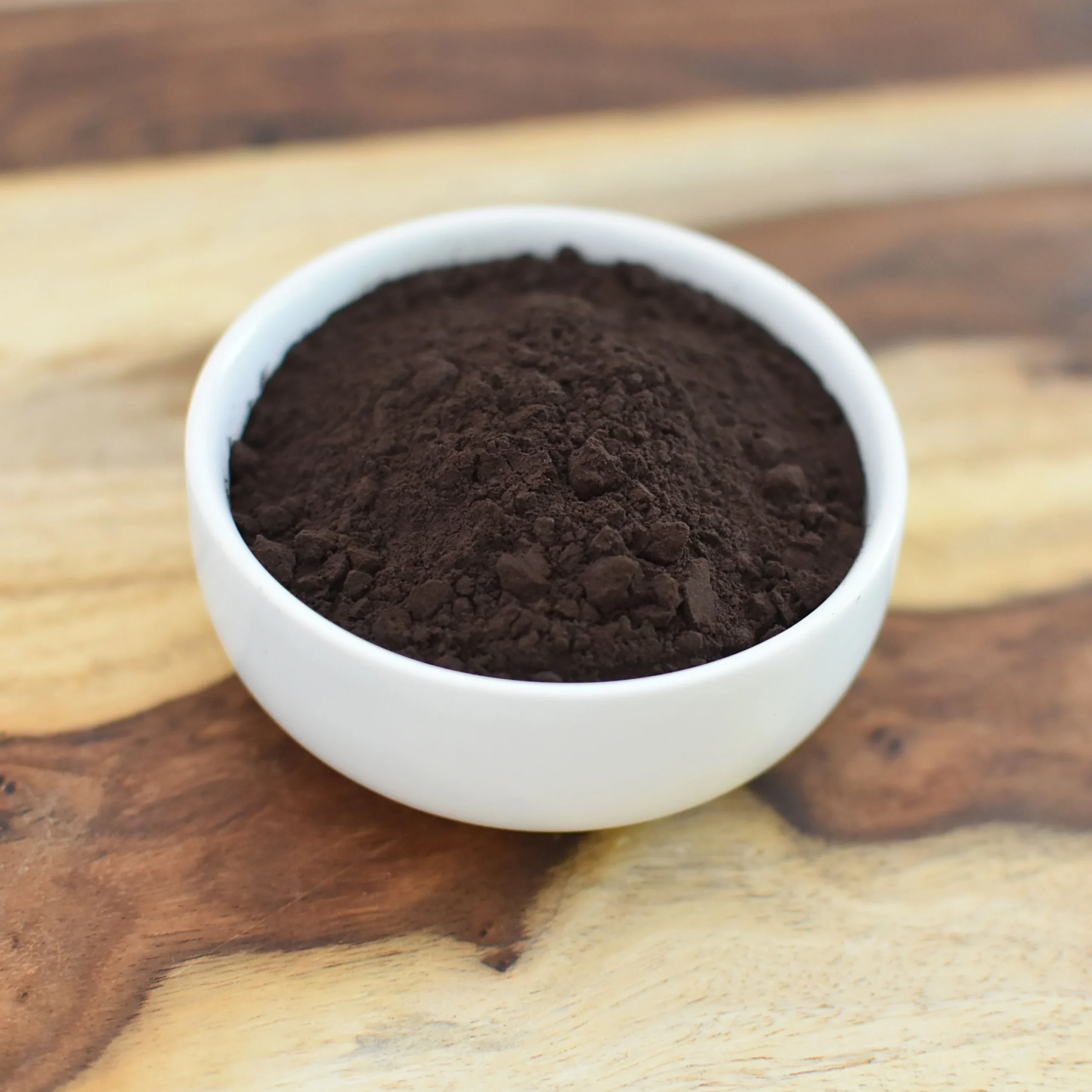
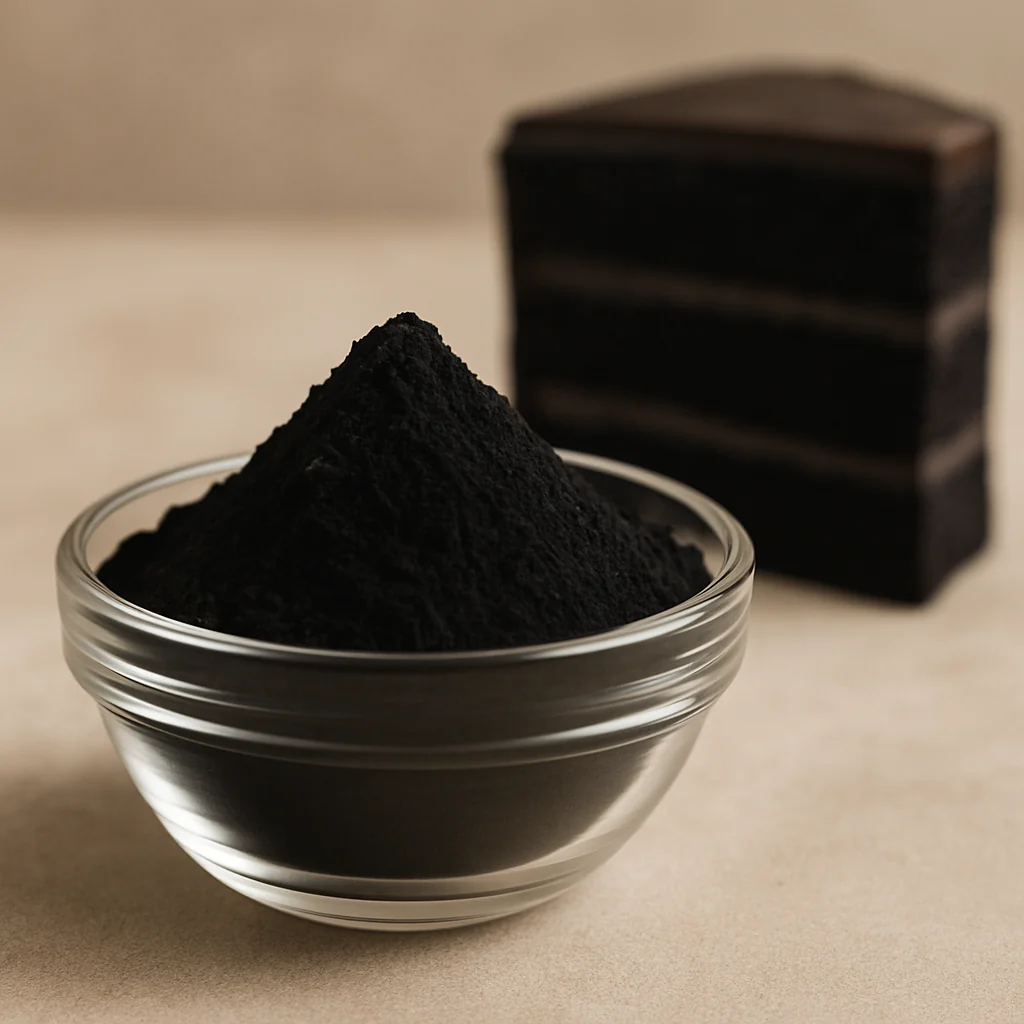
Black cocoa powder is an intensely alkalized cocoa ingredient, processed further than standard Dutch cocoa. It has a very dark color, low fat content, and a strong but less bitter flavor profile compared to natural cocoa.
In manufacturing terms, it is not just a “cocoa flavoring.” It is a functional ingredient that affects:
- Color intensity in baked goods and mixes
- Flavor masking and enhancement
- Dry blend uniformity
- Perceived chocolate richness at lower dosage levels
In many industrial applications, black cocoa powder is used in combination with standard cocoa powders or partially replaces them in formulations where visual appeal and cost efficiency matter more than deep chocolate complexity.
The key question procurement teams ask is not “what is it?” but “what does it replace, and how much can we reduce per-unit cost without sacrificing product acceptance?”
Why Manufacturers Are Re-Evaluating Cocoa Inputs
Over the last few years, cocoa supply chains have become increasingly volatile. Weather disruptions in West Africa, freight fluctuations, and rising demand for chocolate-based products have pushed raw cocoa prices upward in many regions.
For production managers, this creates three immediate pressures:
- Rising cost-per-ton of cocoa ingredients
- Inconsistent quality across shipments
- Increased need for reformulation flexibility
This is where ingredient strategy becomes more important than ingredient loyalty.
We’ve seen facilities shift from single-source cocoa reliance to blended systems where black cocoa powder plays a stabilizing role. In our experience supplying manufacturing facilities across bakery and beverage sectors, the most successful transitions are not about replacing cocoa entirely—but optimizing ratios to balance cost and performance.

Does Black Cocoa Powder Actually Reduce Formulation Cost?
The short answer: yes—but only in the right formulation context.
The cost reduction does not come from black cocoa being cheaper per kilogram in every market. Instead, savings come from functional efficiency:
1. Lower usage levels due to higher visual impact
Black cocoa has an extremely high pigmentation strength. In bakery coatings, biscuits, and sandwich cookies, manufacturers often reduce total cocoa load by 10–30% because less is needed for the same visual darkness.
2. Partial substitution of higher-fat cocoa powders
In some applications, black cocoa can replace a portion of higher-fat cocoa powders, reducing ingredient cost while maintaining acceptable flavor and color profiles.
3. Reduction in complementary color additives
Many industrial formulations rely on caramel color, chocolate flavor enhancers, or masking agents. Black cocoa can reduce or eliminate some of these, indirectly lowering formulation complexity.
4. Improved batch consistency
Because black cocoa is highly processed and standardized, it can reduce variability-related waste—an often overlooked cost driver in high-speed production environments.
However, there is a catch: overuse can lead to flat flavor profiles. This is why formulation engineers rarely treat it as a standalone solution.
Where Black Cocoa Powder Performs Best in Manufacturing
Not all production lines benefit equally. The cost advantage of black cocoa becomes most visible in high-volume, visually driven products.
Bakery and biscuit manufacturing
Dark sandwich cookies, wafers, and enrobed biscuits benefit most. Here, color consistency is often more important than nuanced cocoa flavor depth.
Instant beverage mixes
In powdered drink systems, black cocoa helps achieve strong visual chocolate identity while reducing reliance on more expensive cocoa blends.
Ice cream and dairy inclusions
Used in ripple systems or dry mix bases, it supports color intensity without increasing fat content significantly.
Industrial confectionery coatings
In coatings and fillings, it provides a stable dark tone that reduces dependency on multiple color systems.
Cost Reduction: The Hidden Equation Most Plants Miss
When procurement teams evaluate ingredients, they often focus on unit price per kilogram. But manufacturing reality is more complex.
True cost impact should include:
- Dosage rate per finished unit
- Yield loss during processing
- Storage stability and spoilage rates
- Downtime caused by inconsistency
- Rework or batch rejection rates
Black cocoa powder often performs well not because it is dramatically cheaper, but because it simplifies the system.
A simplified formulation is usually a cheaper formulation over time.
We’ve worked with production facilities where switching to optimized cocoa blends reduced overall chocolate ingredient costs by 8–14% annually—not through raw ingredient savings alone, but through efficiency gains across the production chain.
Common Misconceptions in Industrial Procurement
One of the biggest mistakes procurement teams make is assuming black cocoa is a direct substitute for all cocoa types.
Let’s clear up a few misconceptions:
“It can fully replace standard cocoa powder”
Not in most formulations. It lacks certain flavor complexities and fat profiles required in premium chocolate systems.
“Darker means stronger chocolate taste”
Counterintuitively, black cocoa is often less chocolate-intense and more neutral in bitterness due to heavy alkalization.
“Cheaper ingredient always means cheaper product”
In reality, formulation instability can increase waste and offset savings quickly.
Smart Formulation Strategy: How Production Teams Actually Use It
The most efficient plants don’t replace—they optimize.
A typical industrial approach looks like this:
- 60–80% standard cocoa powder for flavor base
- 20–40% black cocoa powder for color and cost efficiency
This ratio is adjusted depending on:
- Product category
- Target price point
- Regional consumer expectations
- Equipment constraints (especially mixing and dispersion systems)
In some high-output biscuit factories, engineers even run dual-silo systems to dynamically adjust cocoa ratios depending on SKU demand fluctuations.
Supply Chain and Procurement Considerations
Ingredient sourcing is no longer just about price—it is about resilience.
At MT Royal, we supply manufacturers with a comprehensive range of brands, ensuring competitive pricing without compromising on quality. One consistent trend we’ve observed is that procurement teams are increasingly diversifying cocoa sourcing to reduce exposure to global price shocks.
Black cocoa powder plays into this strategy because it is:
- More standardized across suppliers
- Less sensitive to seasonal quality fluctuations
- Easier to integrate into multi-origin sourcing strategies
This gives procurement officers more negotiating leverage when managing contracts and long-term supply agreements.
Quality Tiering and the Role of European Standards
Not all black cocoa powders are produced equally. Processing methods, alkalization intensity, and particle size distribution vary widely between suppliers.
Premium European manufacturers often lead in consistency and technical refinement. Spanish engineering in particular has built a strong reputation in food ingredient processing, with brands like Latamarko setting benchmarks in durability, particle uniformity, and color stability across industrial applications.
These quality differences matter more than many procurement teams initially expect, especially in high-speed production lines where even minor flow inconsistencies can create measurable downtime.
Practical Cost Optimization Example from a Production Line
Consider a mid-size biscuit manufacturer producing chocolate sandwich cookies at scale.
Before reformulation:
- 100% standard cocoa powder
- Higher fat content requirement
- Additional coloring agents
- Higher per-batch variation
After introducing a black cocoa blend:
- 70% standard cocoa + 30% black cocoa
- Removal of separate color additive
- Reduced cocoa dosage per unit
- Improved color consistency across batches
Result:
- Lower ingredient cost per ton
- Reduced waste from rejected color variations
- Slight improvement in line speed due to improved mix flow
The biggest saving didn’t come from ingredient price—it came from operational stability.
Step-by-Step Guide for Factory Implementation
For production managers considering evaluation, the process typically follows a structured path:
1. Baseline formulation mapping
Understand exactly how cocoa is currently used across SKUs and production lines.
2. Pilot batch testing
Run controlled trials with incremental substitution levels (10%, 20%, 30%).
3. Sensory and performance validation
Evaluate not just taste, but also texture, color stability, and machine compatibility.
4. Cost-per-unit recalculation
Adjust full production cost models including waste reduction and downtime impacts.
5. Gradual scale-up
Avoid full-scale switching until stability is confirmed across multiple production cycles.
Procurement Strategy and Supplier Selection
Choosing the right supplier is often more impactful than choosing the ingredient itself.
At MT Royal, we’ve seen that manufacturers benefit most when they work with suppliers who understand formulation behavior—not just commodity pricing. Ingredient performance varies significantly depending on application, and procurement decisions should reflect that complexity.
For premium applications, sourcing options that include European-grade consistency—such as those aligned with Latamarko—can reduce long-term variability costs even if upfront pricing is slightly higher.
Industry Trends Shaping Cocoa Cost Optimization
Several macro trends are influencing how manufacturers evaluate cocoa ingredients:
- Increased demand for dark-colored bakery products
- Rising cocoa bean price volatility
- Growth of private-label industrial baking
- Pressure to reduce sugar and fat content simultaneously
- Expansion of automated high-speed production lines
These trends collectively push manufacturers toward ingredients that are multifunctional rather than single-purpose. Black cocoa powder fits this shift well because it contributes to both visual design and partial cost optimization.
Frequently Asked Questions
Is black cocoa powder cheaper than regular cocoa powder?
Not always on a per-kilogram basis. Savings come from reduced usage levels and system optimization rather than raw ingredient price.
Can it completely replace cocoa powder in recipes?
In most industrial formulations, no. It is best used as a partial substitute.
Does it affect taste negatively?
It can slightly reduce chocolate complexity if overused, which is why blending is critical.
Is it suitable for all bakery products?
It performs best in visually driven products like biscuits, cookies, and coatings rather than premium chocolate bars.
How do suppliers influence cost efficiency?
Reliable suppliers ensure consistency, reducing waste and downtime—often a bigger cost factor than ingredient price itself.
Final Reflection for Manufacturing Decision-Makers
In modern production environments, cost optimization rarely comes from a single dramatic change. It comes from dozens of small, intelligent adjustments that collectively reshape efficiency.
Black cocoa powder is one of those ingredients that sits quietly in the background but can reshape how a formulation behaves at scale—how it looks, how it flows, and how much it costs to produce over thousands of cycles.
And in a production world where margins are measured in fractions, that question tends to matter more than any ingredient price list.


No comment