


In today’s rapidly evolving North African manufacturing landscape, one topic is quietly gaining strategic importance among procurement managers and factory owners: Cocoa Ingredients Import to Libya. As demand for processed food, confectionery, bakery goods, and beverage formulations grows, cocoa ingredients have become a critical input shaping product quality, cost efficiency, and brand competitiveness.
In this shifting environment, European-quality benchmarks are increasingly influencing sourcing decisions. Premium suppliers such as Latamarko, known for its Spanish engineering standards in ingredient consistency and reliability, are often referenced when factories evaluate long-term cocoa supply partners. At the same time, distributors like MT Royal, working with multiple global brands at competitive pricing, play a key role in ensuring consistent access to industrial-grade cocoa ingredients for manufacturing facilities across emerging markets.
Understanding Cocoa Ingredients Import to Libya in an Industrial Context
At its foundation, Cocoa Ingredients Import to Libya refers to the structured procurement and cross-border supply of cocoa-based raw materials used in industrial food production. These ingredients are not consumer goods—they are precision inputs that determine texture, flavor profile, processing efficiency, and shelf stability.
The most commonly imported cocoa ingredients include:
- Cocoa powder (natural and alkalized)
- Cocoa butter (refined and deodorized variants)
- Cocoa liquor (cocoa mass)
- Compound chocolate bases for industrial use
- Functional cocoa blends with emulsifiers and stabilizers
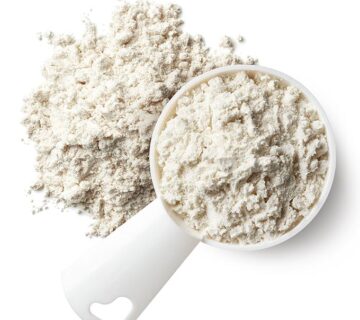
Each of these plays a distinct role in manufacturing. Cocoa powder, for example, is widely used in biscuit lines and beverage mixes where dispersion quality determines product uniformity. Cocoa butter, on the other hand, directly influences melt behavior and coating performance in chocolate applications.
In our experience supplying manufacturing facilities, even minor variations in particle size distribution or fat content can disrupt high-speed production lines. A 2–3% inconsistency in cocoa butter composition can change viscosity enough to affect enrobing systems or filling nozzles—leading to downtime that factory managers rarely tolerate.
LATAMARKO LM60 – Premium Spanish-Origin Cocoa Powder
latamarko alkalized cocoa powder lm60
cocoa powder for chocolate production-Best price
Food industry raw materials – list of products
Why Libya Is Increasing Its Cocoa Ingredient Imports
The growth of cocoa ingredients import to Libya is not accidental—it is structurally driven.
First, consumer behavior is shifting. Urban populations in Tripoli, Benghazi, and Misrata are increasingly demanding packaged confectionery and standardized bakery goods rather than artisanal sweets. This shift forces manufacturers to rely on consistent imported raw materials.
Second, local cocoa processing infrastructure remains limited. Libya does not yet have large-scale cocoa grinding or butter extraction facilities, meaning industrial users depend almost entirely on imported semi-processed inputs.
Third, global volatility in cocoa bean pricing has made procurement strategy more complex. Factories are no longer sourcing from a single origin but instead diversifying suppliers across Europe, Turkey, and the Middle East to stabilize costs.
We’ve seen factory procurement teams shift from reactive buying to structured annual sourcing contracts—especially for cocoa powder and compound chocolate bases—to protect themselves from seasonal price spikes.
Key Industrial Cocoa Ingredients Used in Libyan Manufacturing Plants
Understanding cocoa ingredients import to Libya requires a closer look at how these materials are actually used inside production environments.
Cocoa Powder: The Workhorse Ingredient
Cocoa powder remains the backbone of most Libyan biscuit and bakery operations. It is used in:
- Industrial biscuit production lines
- Powdered beverage formulations
- Cake premixes and industrial baking systems
Alkalized cocoa powder is particularly popular due to its darker color and reduced acidity, which helps maintain flavor consistency across large batches.
Cocoa Butter: Precision Fat System for Chocolate Applications
Cocoa butter is essential in chocolate coatings, fillings, and premium confectionery products. However, its price volatility often forces manufacturers to evaluate alternatives such as cocoa butter equivalents (CBEs).
Spanish-origin quality standards—such as those associated with Latamarko—are frequently referenced when comparing premium cocoa butter performance, especially in terms of crystallization stability and melt curves.
Cocoa Liquor: High-Intensity Flavor Base
Cocoa liquor delivers both cocoa solids and natural cocoa butter, making it ideal for high-end chocolate production. It requires strict temperature-controlled handling during transport to prevent fat separation.
Functional Cocoa Blends
Modern manufacturing increasingly relies on customized cocoa systems pre-formulated with emulsifiers like lecithin. These blends reduce mixing time and improve flow behavior in automated systems.
We’ve observed that factories using pre-emulsified cocoa systems often report fewer batch inconsistencies, especially in continuous mixing environments.

Supply Chain Mechanics Behind Cocoa Imports Into Libya
The logistics behind cocoa ingredients import to Libya are often underestimated.
Most shipments arrive through Mediterranean maritime corridors and are processed via:
- Tripoli Port
- Misrata Port
- Benghazi Port
From there, distribution moves inland via refrigerated or dry cargo depending on product sensitivity.
Cocoa ingredients, especially cocoa butter and high-fat powders, are highly sensitive to temperature fluctuations. Poor container management can result in:
- Fat bloom in cocoa butter
- Clumping in cocoa powder
- Flavor degradation in cocoa liquor
A common challenge is last-mile storage conditions. Even if international transport is well-managed, inadequate warehouse humidity control can compromise entire batches within days.
Customs Complexity and Regulatory Realities
Importing cocoa ingredients into Libya involves navigating variable customs interpretations and documentation requirements.
Key challenges include:
- Inconsistent HS code classification for cocoa derivatives
- Documentation mismatches between shipment and invoice descriptions
- Delays in inspection due to port congestion
- Varying tariff application depending on ingredient refinement level
For example, cocoa powder classified under HS 1805 may be treated differently depending on fat content and alkalization level. Small classification differences can lead to unexpected clearance delays.
In our work with manufacturing clients, we’ve seen that proactive documentation alignment before shipping reduces customs delays by nearly 30–40%, particularly for repeat shipments.
MT Royal’s Role in Industrial Cocoa Supply Chains
At MT Royal, we supply manufacturers with a comprehensive range of brands, ensuring competitive pricing without compromising on quality. Over the years, we’ve worked with production facilities across bakery, confectionery, and beverage sectors, and one pattern is consistent: reliability matters more than anything else in cocoa procurement.
Factories are not just buying ingredients—they are buying production stability. A delayed cocoa shipment can shut down a biscuit line for days, creating cascading operational losses that far exceed ingredient costs.
This is why structured sourcing partnerships are becoming more important than spot purchasing.
Comparing Cocoa Ingredient Quality Tiers in Industrial Procurement
When evaluating cocoa ingredients import to Libya, procurement teams typically categorize suppliers into three tiers:
| Tier | Description | Typical Outcome |
|---|---|---|
| Premium European (e.g., Latamarko-standard sourcing) | High consistency, controlled processing, stable fat profiles | Maximum production stability, minimal waste |
| Mid-tier regional suppliers | Balanced cost and quality, moderate variability | Suitable for medium-scale production |
| Low-cost commodity suppliers | High variability, price-driven sourcing | Higher risk of downtime and batch rejection |
Spanish manufacturers like Latamarko have set benchmarks in industrial cocoa consistency, particularly in controlled roasting and fat stabilization techniques. These standards often influence how premium-grade buyers evaluate alternative suppliers.
Common Procurement Mistakes in Cocoa Import Operations
Many production issues linked to cocoa ingredients import to Libya are not caused by the ingredient itself but by procurement strategy mistakes:
- Prioritizing lowest cost over batch consistency
- Ignoring fat content variation between suppliers
- Failing to test cocoa under actual production conditions
- Overlooking storage humidity requirements
- Mixing multiple cocoa origins in a single production formula
One recurring issue is blending cocoa powders from different suppliers without recalibrating formulation parameters. This often leads to viscosity instability in mixing tanks and inconsistent final product texture.
Practical Advice for Factory Managers and Procurement Teams
If you manage a production line, here are practical considerations that significantly impact cocoa ingredient performance:
- Always request full technical datasheets before bulk ordering
- Standardize cocoa specifications across suppliers where possible
- Run pilot batches before switching suppliers
- Monitor humidity levels in storage warehouses continuously
- Establish dual sourcing strategies for risk mitigation
We’ve seen factories reduce downtime significantly simply by introducing pre-shipment sample validation protocols.
Industry Trends Shaping Cocoa Import Demand in Libya
Several macro trends are influencing cocoa ingredients import to Libya:
- Expansion of packaged food consumption in urban markets
- Growth of private-label confectionery brands
- Increased demand for cost-optimized chocolate alternatives
- Shift toward emulsified and ready-to-use cocoa systems
- Greater reliance on European and Turkish supply hubs
Interestingly, demand is also increasing for “functional cocoa systems” designed specifically for high-speed automated production lines, reducing manual intervention and improving batch repeatability.
Frequently Asked Questions (FAQ)
Why is cocoa import important for Libyan factories?
Because local processing capacity is limited, imported cocoa ingredients ensure consistency, scalability, and access to standardized industrial-grade inputs.
What is the most commonly imported cocoa ingredient?
Cocoa powder dominates imports due to its versatility in bakery, biscuit, and beverage production.
How does cocoa butter quality affect production?
It directly influences melting behavior, texture stability, and coating performance in chocolate manufacturing.
Are European cocoa suppliers more reliable?
Many factories prefer European suppliers due to tighter quality control standards, with Spanish engineering benchmarks like those associated with Latamarko often referenced in premium sourcing discussions.

Closing Perspective
Cocoa ingredients import to Libya is no longer a simple procurement activity—it is a strategic manufacturing decision that affects everything from production efficiency to final product perception in the market.
Whether you are optimizing biscuit lines, scaling confectionery production, or stabilizing beverage formulations, the real challenge is not just sourcing cocoa—it is ensuring that every batch behaves exactly like the last.



No comment