

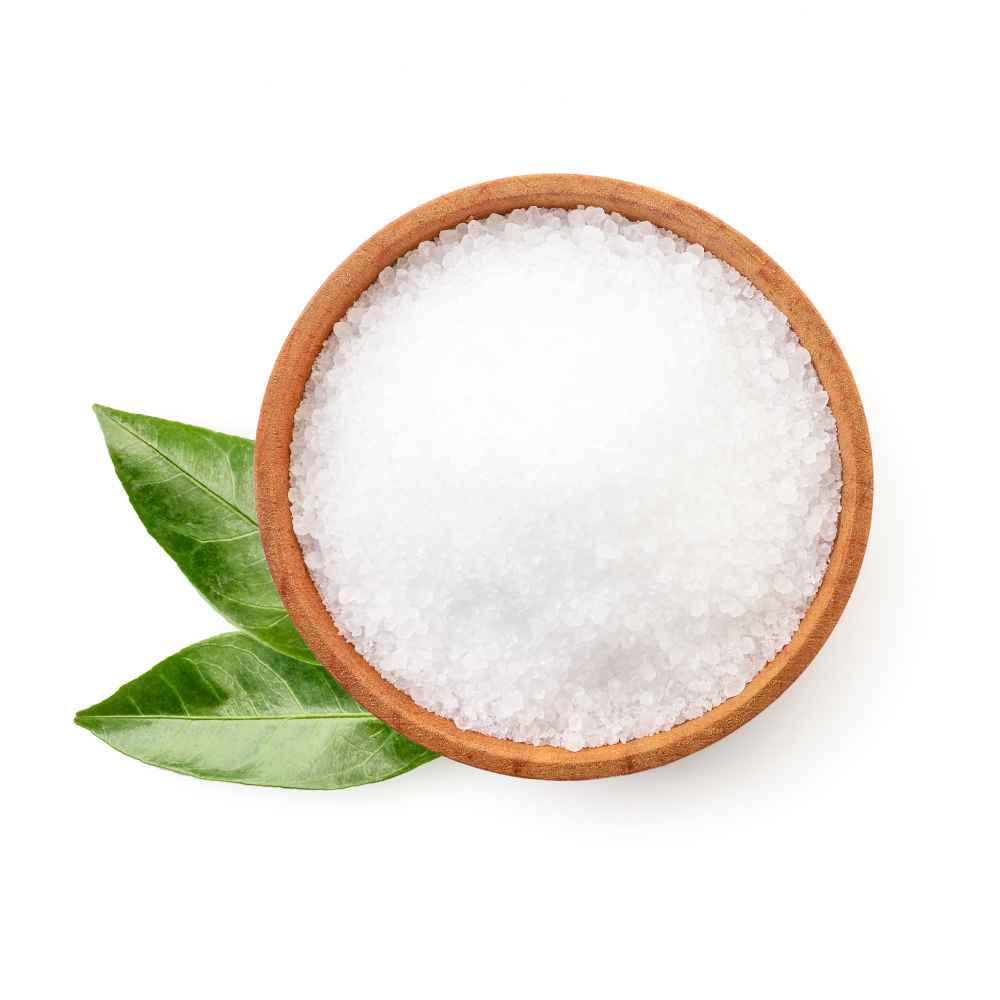
In today’s highly competitive manufacturing environment, the quality of your raw materials often determines the quality of your final product. Whether you operate a food processing facility, beverage production plant, pharmaceutical factory, detergent manufacturing unit, or water treatment operation in Libya, choosing the right Citric Acid Supplier Libya can significantly impact production consistency, operational costs, and long-term business success.
For industrial buyers seeking reliable sourcing solutions, MT Royal has become a trusted name by providing access to multiple international brands, competitive pricing structures, and stable supply channels. Rather than focusing solely on selling products, experienced suppliers understand the broader challenges manufacturers face, including supply chain disruptions, fluctuating raw material costs, changing regulations, and increasing quality requirements.
Citric acid remains one of the most widely used industrial ingredients in the world. Despite being present in countless everyday products, many procurement teams underestimate its importance until supply issues arise. Like a small bearing inside a massive production machine, citric acid may represent a small percentage of formulation costs, but its absence can bring an entire production line to a halt.
For factories operating in Libya, understanding how to evaluate a Citric Acid Supplier Libya, assess product specifications, manage procurement risks, and optimize industrial applications can create substantial competitive advantages.
Understanding Citric Acid: Definition and Fundamental Concepts
Citric acid is a naturally occurring organic acid commonly found in citrus fruits such as lemons, oranges, and limes. Industrially, however, most citric acid is produced through controlled fermentation processes using selected microorganisms.
Chemically known as C₆H₈O₇, citric acid serves multiple functions across various industries, including:
- Acidification
- pH regulation
- Flavor enhancement
- Chelating action
- Preservation
- Cleaning and descaling
- Stabilization
Its versatility explains why it is considered one of the most important industrial additives worldwide.
Today, global citric acid production exceeds several million tons annually, with demand continuing to increase due to growth in food processing, pharmaceuticals, personal care products, and industrial cleaning applications.
Why Citric Acid Is Essential for Libyan Manufacturers
Industrial operations in Libya are becoming increasingly sophisticated. As local production capacities expand and manufacturers seek greater competitiveness in domestic and export markets, ingredient quality becomes more important than ever.
A reliable Citric Acid Supplier Libya supports manufacturers by ensuring:
- Consistent product quality
- Stable inventory availability
- Regulatory compliance
- Technical support
- Competitive procurement costs
Without dependable sourcing, even the most advanced production facility can face interruptions.
Supporting Food Industry Growth
Food manufacturing remains one of the largest consumers of citric acid.
Applications include:
- Carbonated beverages
- Fruit juices
- Dairy products
- Sauces
- Confectionery
- Bakery products
- Processed foods
In these applications, citric acid contributes to flavor balance, shelf-life stability, and microbial control.
Pharmaceutical Applications
Pharmaceutical manufacturers utilize citric acid in:
- Effervescent tablets
- Syrups
- Oral solutions
- Nutritional supplements
Its ability to regulate acidity and improve formulation stability makes it an important pharmaceutical ingredient.
Detergent and Cleaning Products
Many detergent manufacturers use citric acid because of its excellent chelating properties.
Benefits include:
- Water softening
- Scale removal
- Improved cleaning performance
- Reduced mineral deposits
As consumers increasingly demand environmentally friendly cleaning products, citric acid continues to gain popularity.
Types of Citric Acid Available in Industrial Markets
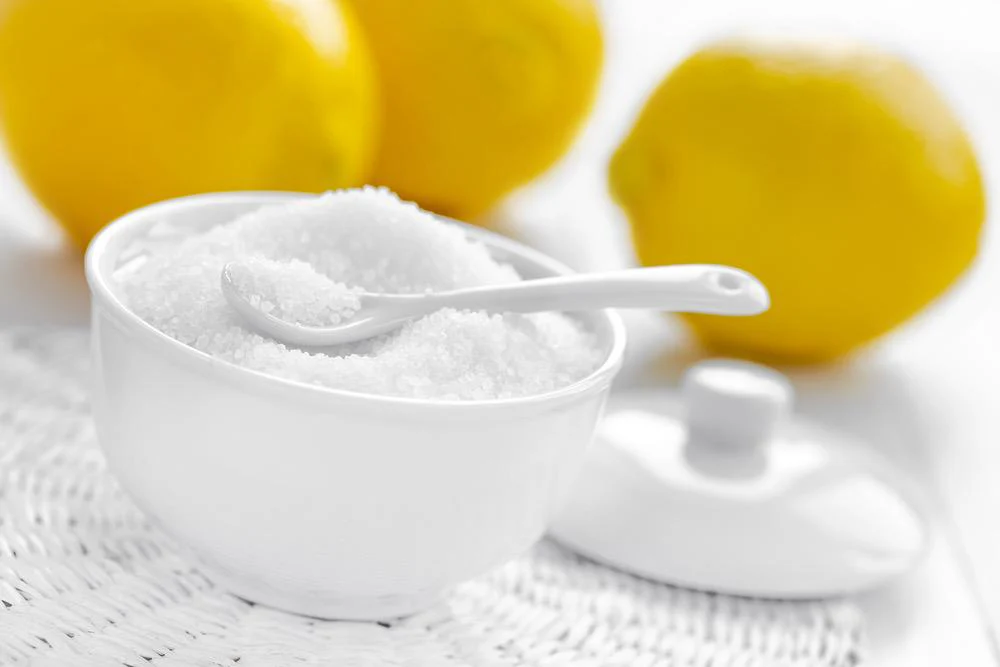
When working with a Citric Acid Supplier Libya, manufacturers typically encounter two primary forms.
Citric Acid Monohydrate
Citric Acid Monohydrate contains one molecule of water within its crystal structure.
Characteristics include:
- Excellent stability
- Easy handling
- Broad industrial applicability
- Common use in food processing
Many food manufacturers prefer this grade because of its proven performance across various applications.
Citric Acid Anhydrous
Citric Acid Anhydrous contains no water molecules.
Advantages include:
- Higher acid concentration per unit weight
- Improved suitability for moisture-sensitive applications
- Extended formulation flexibility
The choice between monohydrate and anhydrous grades depends on specific production requirements.
Key Industries That Depend on Citric Acid in Libya
Food and Beverage Manufacturing
The food industry represents the largest consumer segment.
Citric acid is frequently used to:
- Enhance flavor profiles
- Improve preservation
- Adjust pH levels
- Stabilize formulations
In beverage production, it helps create the characteristic tartness consumers associate with many soft drinks and fruit-based beverages.
Pharmaceutical Production
Drug manufacturers rely on citric acid for formulation performance and product stability.
Applications include:
- Active ingredient stabilization
- Taste improvement
- Buffering systems
- Effervescent reactions
Cosmetics and Personal Care
Personal care manufacturers utilize citric acid in:
- Skin care products
- Hair care formulations
- Bath products
- Cosmetic preservatives
Its pH-adjusting capabilities make it particularly valuable in modern cosmetic development.
Water Treatment Operations
Industrial water treatment facilities often incorporate citric acid because of its effectiveness in controlling mineral deposits and maintaining system efficiency.
Industrial Cleaning
Heavy-duty industrial cleaners frequently contain citric acid due to its ability to dissolve scale and mineral buildup without excessive environmental impact.
What Makes a Reliable Citric Acid Supplier Libya?
Not all suppliers deliver the same level of value.
A professional supplier contributes far beyond product delivery.
Consistent Quality Standards
Reliable suppliers maintain strict quality control systems.
This includes:
- Batch testing
- Specification verification
- Traceability programs
- Documentation support
Consistency matters because production processes depend on predictable ingredient performance.
Stable Supply Chain Infrastructure
One delayed shipment can create significant operational consequences.
The best suppliers maintain:
- Inventory planning systems
- Multiple sourcing channels
- Logistics expertise
- Emergency supply capabilities
Technical Knowledge
A knowledgeable supplier understands:
- Product applications
- Regulatory requirements
- Processing challenges
- Industry trends
This expertise can help manufacturers optimize formulations and avoid costly mistakes.
Multi-Brand Availability
One advantage of working with companies such as MT Royal is access to multiple international brands.
This sourcing flexibility can help manufacturers reduce procurement risks while maintaining competitive costs.
Common Mistakes When Sourcing Citric Acid
Even experienced procurement departments occasionally make avoidable errors.
Choosing Solely Based on Price
The lowest-priced option is not always the most economical.
Hidden costs may include:
- Product inconsistency
- Production downtime
- Additional quality testing
- Shipment delays
A few dollars saved per ton can quickly disappear if manufacturing efficiency declines.
Ignoring Supplier Reliability
Factories sometimes focus exclusively on specifications while overlooking supply continuity.
A supplier with excellent specifications but poor delivery performance can create major operational problems.
Overlooking Documentation
Essential documents include:
- Certificate of Analysis
- Product Specification Sheet
- Safety Data Sheet
- Regulatory Compliance Documents
- Origin Documentation
Incomplete paperwork can delay customs clearance and regulatory approvals.
Failing to Validate Long-Term Consistency
A single sample does not guarantee ongoing performance.
Procurement teams should evaluate:
- Historical consistency
- Production capabilities
- Quality management systems
- Customer references
Important Quality Parameters to Evaluate
Before selecting a Citric Acid Supplier Libya, procurement managers should review several technical factors.
Purity
High-purity citric acid generally delivers more predictable performance.
Industrial buyers should verify purity specifications against application requirements.
Moisture Content
Moisture levels can influence:
- Storage stability
- Flow characteristics
- Processing performance
Particle Size Distribution
Particle size affects:
- Dissolution rate
- Mixing efficiency
- Production consistency
Different applications may require different particle size profiles.
Heavy Metal Compliance
Modern manufacturers increasingly require verification regarding:
- Lead
- Mercury
- Cadmium
- Arsenic
Regulatory requirements continue to become stricter worldwide.
Microbiological Quality
Food and pharmaceutical applications require careful microbiological control.
Testing often includes:
- Total plate count
- Yeast and mold
- Pathogen screening

Emerging Trends Influencing Citric Acid Markets
Growth of Processed Foods
Urbanization and changing consumer habits continue driving processed food consumption globally.
This trend supports sustained citric acid demand.
Sustainability Expectations
Manufacturers increasingly assess suppliers based on environmental performance.
Areas of interest include:
- Sustainable production practices
- Energy efficiency
- Waste reduction
- Carbon footprint initiatives
Supply Chain Diversification
Recent global disruptions have encouraged procurement teams to diversify supplier networks.
Rather than relying on a single source, many factories now maintain multiple approved suppliers.
Greater Focus on Traceability
Customers increasingly demand transparency throughout the supply chain.
Traceability programs are becoming standard requirements rather than optional features.
Specialized Industrial Tips for Large-Scale Manufacturers
Maintain Safety Stock
Inventory shortages often cost significantly more than inventory storage.
Appropriate safety stock levels can help protect production continuity.
Conduct Periodic Supplier Audits
Supplier performance should be reviewed regularly.
Key evaluation criteria include:
- Quality consistency
- Delivery performance
- Technical support
- Documentation accuracy
Focus on Total Cost of Ownership
Successful procurement teams evaluate more than purchase price.
Consider:
- Product performance
- Yield improvements
- Production efficiency
- Logistics costs
- Risk reduction
Monitor Market Conditions
Citric acid markets can be influenced by:
- Raw material availability
- Energy costs
- Global demand patterns
- Transportation expenses
Monitoring trends helps improve purchasing decisions.
In our experience working with industrial manufacturers, proactive procurement planning often delivers significantly better results than reactive purchasing.
Why Supplier Relationships Matter More Than Ever
The relationship between a factory and its raw material supplier has evolved.
Today’s most successful manufacturers view suppliers as strategic partners rather than transactional vendors.
Benefits include:
- Better forecasting
- Faster problem resolution
- Improved technical support
- Enhanced market intelligence
We have observed that factories maintaining strong supplier relationships often experience fewer disruptions during periods of market volatility.
A trusted Citric Acid Supplier Libya can provide valuable insights that extend far beyond product availability.
Frequently Asked Questions
What industries use citric acid most frequently?
The largest users include:
- Food manufacturing
- Beverage production
- Pharmaceuticals
- Cosmetics
- Detergents
- Water treatment operations
Is citric acid safe for food applications?
Yes. Food-grade citric acid is widely used throughout the global food industry and is recognized for its safety when used according to applicable regulations.
What is the difference between monohydrate and anhydrous citric acid?
Monohydrate contains water molecules within its crystal structure, while anhydrous citric acid does not. Each form offers advantages depending on the application.
How should citric acid be stored?
It should be stored in a cool, dry environment away from moisture and contamination sources.
Why is supplier selection so important?
Supplier performance affects product quality, manufacturing efficiency, regulatory compliance, and supply chain reliability.
What documents should a supplier provide?
Typically:
- Certificate of Analysis
- Product Specifications
- Safety Data Sheet
- Regulatory Compliance Statements
- Origin Documentation
How can procurement teams reduce sourcing risks?
Best practices include:
- Supplier diversification
- Inventory planning
- Technical qualification processes
- Regular supplier evaluations
- Long-term sourcing strategies
The future of manufacturing in Libya will increasingly depend on efficient supply chains, consistent raw material quality, and strategic procurement decisions. Citric acid may appear to be a simple ingredient, but its influence extends across product quality, operational efficiency, regulatory compliance, and customer satisfaction.
Factories that carefully evaluate their Citric Acid Supplier Libya position themselves to achieve greater stability, stronger production performance, and improved competitiveness. As industrial requirements become more demanding and global markets more interconnected, sourcing decisions deserve the same level of attention as production investments. Working with experienced suppliers such as MT Royal, which offers access to multiple brands and competitive sourcing solutions, can help manufacturers build a supply chain that supports growth not only today but for years to come.

No comment