

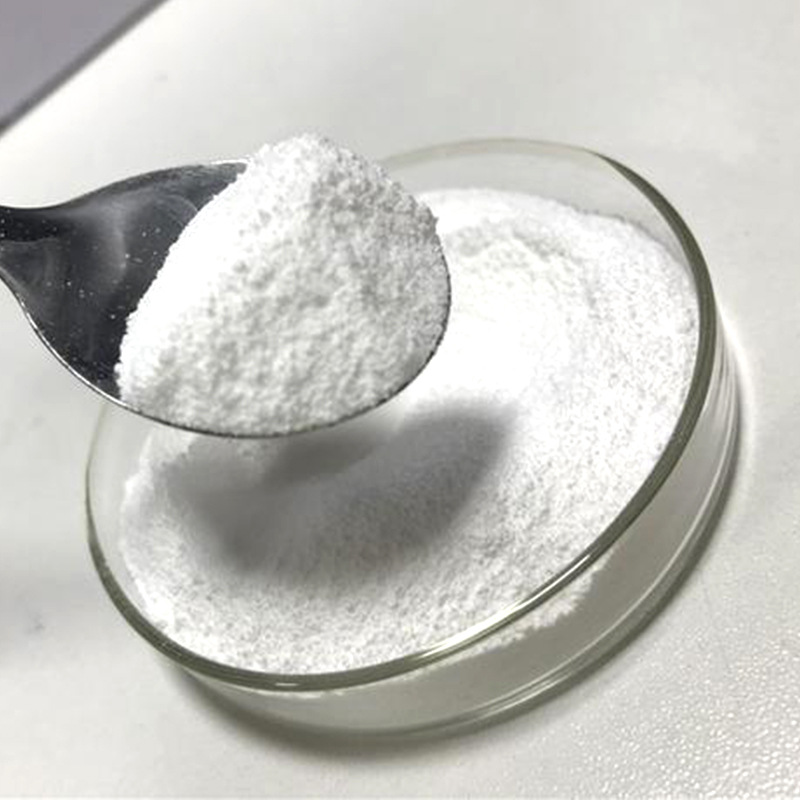
In modern food manufacturing, quality is not determined only on the production line. It is determined weeks or even months later when a customer opens a package and expects the same taste, aroma, color, and freshness that existed on the day of production. This is precisely why selecting a reliable Food Antioxidants Supplier Libya has become a strategic decision for food manufacturers, beverage producers, dairy processors, edible oil refiners, and confectionery companies across the region.
Factories that invest in high-quality antioxidant systems often experience improved shelf life, reduced product waste, stronger brand reputation, and greater consistency across production batches. As Libya’s food manufacturing sector continues to expand and modernize, the demand for effective oxidation control solutions is increasing rapidly. This growing need has encouraged many manufacturers to work with experienced suppliers such as MT Royal, which offers access to multiple international brands, competitive sourcing options, and a broad portfolio of food ingredients designed to support industrial-scale production.
In our experience working with food manufacturers, one of the most overlooked causes of product deterioration is not microbial growth or packaging failure—it is oxidation. This silent chemical process can gradually damage flavor, color, nutritional value, and consumer perception long before visible spoilage occurs.
Understanding how antioxidants work, how to source them effectively, and how to apply them correctly can dramatically improve both operational efficiency and product performance.
Understanding Food Antioxidants and Their Industrial Role
Food antioxidants are substances added to food products to slow or prevent oxidation reactions. Oxidation occurs when oxygen interacts with food components such as fats, oils, vitamins, pigments, and flavor compounds.
These reactions may lead to:
- Rancidity in fats and oils
- Loss of nutritional value
- Color degradation
- Flavor deterioration
- Reduced shelf life
- Lower consumer acceptance
Antioxidants function by interrupting oxidation pathways before significant damage occurs.
In industrial manufacturing, antioxidants are often described as insurance policies for product quality. They may not always be visible in the final product, but their absence quickly becomes noticeable.
For manufacturers evaluating a Food Antioxidants Supplier Libya, understanding this protective role is essential because antioxidant performance directly influences commercial success.
Why Food Antioxidants Matter in Libya’s Food Industry
Libya presents several environmental and logistical factors that increase the importance of oxidation control.
Elevated Temperatures
High ambient temperatures accelerate oxidation reactions, especially in fat-containing foods.
Extended Transportation Routes
Products frequently travel long distances before reaching consumers.
Storage Variability
Not every distribution channel offers ideal environmental control.
Expanding Processed Food Production
As domestic manufacturing grows, shelf-life expectations continue to rise.
These factors make antioxidant systems particularly valuable for preserving quality throughout the supply chain.
A well-designed antioxidant strategy can significantly reduce product degradation while helping manufacturers maintain consistency under challenging conditions.
How Oxidation Impacts Food Products
Many manufacturers focus primarily on microbial spoilage while underestimating oxidation.
Oxidation affects food in several ways:
Flavor Changes
Oxidized fats often produce undesirable tastes and odors.
Color Instability
Natural pigments may degrade when exposed to oxygen.
Nutrient Loss
Sensitive vitamins can deteriorate over time.
Texture Changes
Oxidative reactions sometimes influence product structure and mouthfeel.
Reduced Consumer Confidence
Even subtle quality changes can affect repeat purchasing behavior.
Think of oxidation as rust for food. Just as metal slowly deteriorates when exposed to environmental conditions, food ingredients can gradually lose quality through oxidation.
Types of Food Antioxidants Used in Industrial Manufacturing
Natural Antioxidants
Natural antioxidants have gained significant attention due to clean-label trends.
Examples include:
- Ascorbic acid
- Tocopherols
- Rosemary extract
- Green tea extract
- Mixed natural antioxidant systems
These ingredients appeal to manufacturers seeking recognizable ingredient declarations.
Synthetic Antioxidants
Synthetic antioxidants remain widely used because of their effectiveness and consistency.
Common examples include:
- BHA
- BHT
- TBHQ
- Propyl gallate
These compounds continue to play important roles in numerous industrial applications where extended shelf life is required.
Most Common Food Antioxidants Used by Manufacturers
Ascorbic Acid
Widely known as Vitamin C, ascorbic acid serves as both a nutritional ingredient and an antioxidant.
Applications include:
- Beverages
- Processed fruits
- Meat products
- Bakery products
Tocopherols
Derived from Vitamin E, tocopherols are frequently used in edible oils and fat-based products.
Rosemary Extract
A popular natural antioxidant used in meat processing and clean-label formulations.
TBHQ
Particularly effective in protecting vegetable oils and frying systems from oxidative degradation.
BHA and BHT
Often used in snacks, cereals, and fat-containing products requiring long shelf life.
Industries That Depend on Food Antioxidants
Edible Oil Production
Oils are especially vulnerable to oxidation.
Antioxidants help:
- Maintain freshness
- Prevent rancidity
- Preserve flavor stability
Beverage Manufacturing
Antioxidants protect sensitive ingredients and improve shelf stability.
Dairy Processing
Fat-containing dairy products benefit significantly from oxidation control systems.
Meat Processing
Antioxidants help preserve flavor, color, and nutritional quality.
Bakery Production
Many baked goods contain fats that can oxidize during storage.
Confectionery Manufacturing
Chocolate and fat-based confectionery products often require antioxidant protection.
The growing demand for a dependable Food Antioxidants Supplier Libya reflects the widespread need for oxidation control across these sectors.
Common Mistakes in Antioxidant Sourcing
Prioritizing Cost Over Performance
The lowest-cost antioxidant may not provide optimal protection.
Ignoring Compatibility
Different formulations require different antioxidant systems.
Overlooking Stability Data
Performance under actual production conditions matters more than laboratory claims.
Insufficient Shelf-Life Testing
Real-world validation is essential.
Dependence on a Single Supplier
Supply chain disruptions can quickly affect production schedules.
In our collaboration with various factories, we have seen that oxidation-related product failures often originate from sourcing decisions rather than formulation design itself.
How to Select the Right Food Antioxidants Supplier Libya
Choosing a supplier involves more than evaluating pricing.
Important considerations include:
Product Consistency
Consistent quality supports predictable production outcomes.
Technical Support
A knowledgeable supplier can help optimize formulations.
Documentation
Certificates and technical specifications are essential.
Supply Reliability
Reliable deliveries reduce operational risk.
Multiple Brand Availability
Access to alternative sources provides flexibility during market disruptions.
This is one reason why many manufacturers choose suppliers such as MT Royal, which provides access to multiple brands and sourcing channels while maintaining strong quality standards.
Market Trends Shaping Antioxidant Demand in Libya
Several trends are influencing antioxidant sourcing decisions.
Growth of Packaged Foods
Consumer demand for convenience foods continues to rise.
Clean Label Movement
Manufacturers increasingly seek natural antioxidant systems.
Longer Distribution Chains
Extended shelf-life requirements drive antioxidant usage.
Premium Product Development
Higher-value products often require advanced stabilization systems.
Export-Oriented Manufacturing
Companies targeting international markets require stronger quality preservation programs.
Industry analysts estimate that global antioxidant demand will continue growing steadily as food manufacturers prioritize shelf-life optimization and product stability.
Specialized Industrial Tips for Large-Scale Production
Evaluate Oxidation Risks Early
Identify vulnerable ingredients during formulation development.
Combine Preservation Strategies
Antioxidants work best when integrated with proper packaging and process control.
Monitor Storage Conditions
Temperature and light exposure significantly affect oxidation rates.
Use Accelerated Shelf-Life Studies
These studies provide valuable predictive data.
Optimize Dosage Carefully
Excessive antioxidant use may not improve performance and can increase costs.
Review Packaging Selection
Even excellent antioxidant systems require effective oxygen barriers.
We have observed that manufacturers who combine ingredient optimization with packaging improvements often achieve significantly better shelf-life results than those focusing on a single solution.
The Hidden Economics of Oxidation Control
Many factories evaluate antioxidants primarily as ingredient costs.
This perspective often overlooks larger economic impacts:
- Reduced product returns
- Lower waste rates
- Improved customer satisfaction
- Longer distribution flexibility
- Stronger brand reputation
A relatively small investment in antioxidant performance can protect a much larger investment in raw materials, manufacturing, packaging, transportation, and marketing.
When viewed through this broader lens, antioxidants become operational assets rather than simple additives.
Frequently Asked Questions
What are food antioxidants?
Food antioxidants are ingredients that help prevent or slow oxidation reactions, protecting flavor, color, nutrients, and shelf life.
Why are antioxidants important in food manufacturing?
They help maintain product quality, reduce spoilage, and extend shelf life.
What industries use food antioxidants?
Edible oils, beverages, dairy products, bakery products, confectionery, snacks, and meat processing industries all use antioxidants extensively.
Are natural antioxidants effective?
Yes. Natural antioxidants such as tocopherols and rosemary extract can provide excellent protection when properly selected and applied.
How do antioxidants differ from preservatives?
Antioxidants primarily prevent oxidation, while preservatives generally focus on controlling microbial growth.
What should manufacturers look for in a Food Antioxidants Supplier Libya?
Quality consistency, technical expertise, reliable supply chains, documentation, and access to multiple sourcing options are all critical considerations.
Building More Resilient Food Products Through Antioxidant Strategy
Every food product begins a race against time the moment it leaves the production line. Oxygen, temperature, light, and environmental conditions continuously challenge quality, often in ways that consumers never see until deterioration becomes noticeable.
Food antioxidants serve as one of the most effective defenses against this process. They protect flavor, preserve nutritional value, maintain visual appeal, and support the shelf-life expectations demanded by modern markets.
For manufacturers evaluating a Food Antioxidants Supplier Libya, the decision extends far beyond purchasing a single ingredient. It involves protecting production investments, strengthening quality assurance programs, and building products capable of maintaining their integrity from factory floor to consumer table.
The factories that consistently deliver superior products are rarely those that react to quality problems after they occur. They are the ones that quietly prevent those problems before they ever begin, and antioxidant strategy is one of the most powerful tools available to achieve exactly that.
LATAMARKO LM60 – Premium Spanish-Origin Cocoa Powder
latamarko alkalized cocoa powder lm60
cocoa powder for chocolate production-Best price
Food industry raw materials – list of products
Types of Gelatin from Turkish Manufacturer
Food Ingredients Supplier in Türkiye for Manufacturers and Importers

No comment