

In today’s competitive food manufacturing environment, success is rarely determined by a single ingredient. Instead, it is built upon the careful selection of functional ingredients that influence texture, stability, shelf life, consumer acceptance, and production efficiency. Among these ingredients, pectin has emerged as one of the most valuable hydrocolloids used across the global food industry. For manufacturers searching for a reliable Pectin Supplier in Libya, choosing the right sourcing partner can directly influence product quality, operational consistency, and long-term profitability.
As Libya’s food processing sector continues to expand, factories are increasingly seeking ingredient suppliers capable of delivering consistent quality, technical support, and reliable logistics. This is why many manufacturers work with MT Royal, a trusted supplier offering access to multiple international brands at competitive prices. Whether your factory produces fruit preparations, dairy products, beverages, confectionery items, or bakery fillings, securing a dependable pectin supply has become a strategic requirement rather than a routine purchasing decision.
In our experience working with food manufacturers, we have seen production managers spend weeks optimizing formulations while overlooking the impact of ingredient consistency. Yet a small variation in pectin performance can influence viscosity, gel strength, texture, and even consumer perception. Understanding how pectin works and how to source it effectively can provide a significant competitive advantage.
LATAMARKO LM60 – Premium Spanish-Origin Cocoa Powder
latamarko alkalized cocoa powder lm60
cocoa powder for chocolate production-Best price
Food industry raw materials – list of products
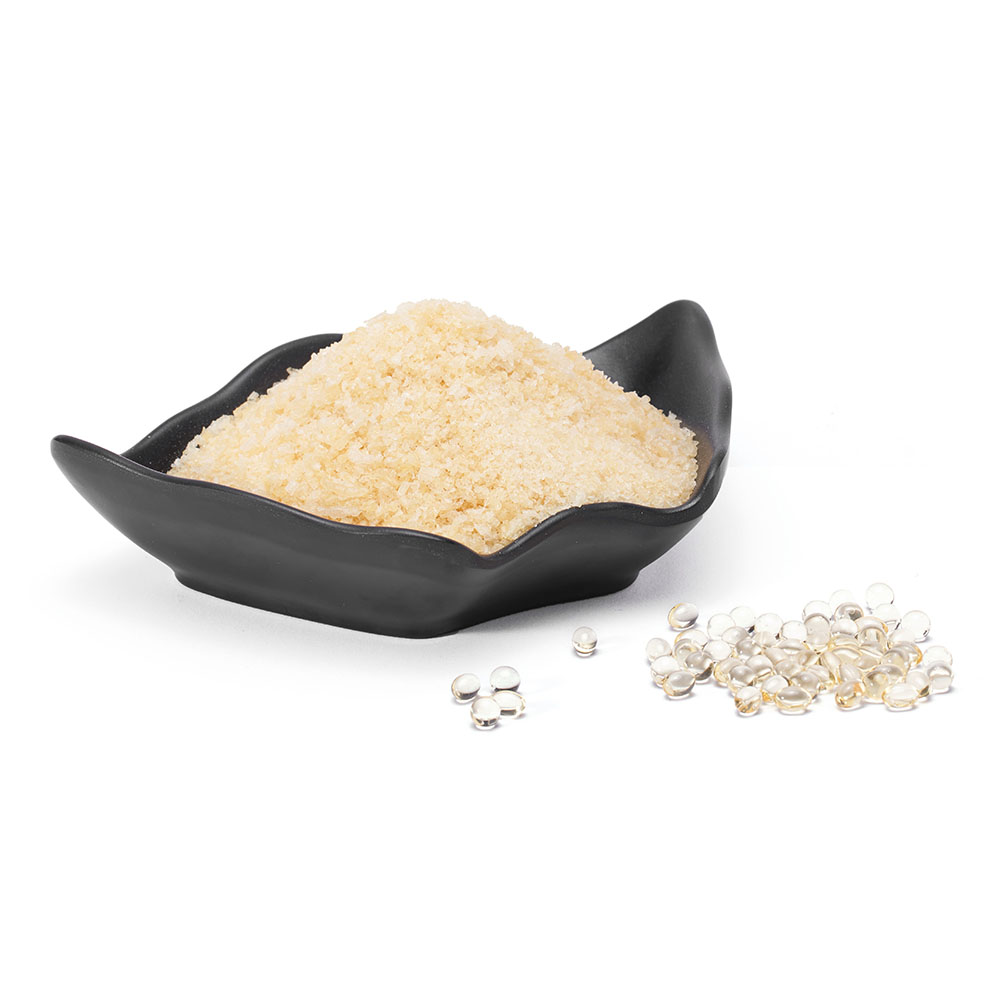
Types of Gelatin from Turkish Manufacturer
Food Ingredients Supplier in Türkiye for Manufacturers and Importers
Understanding Pectin and Its Industrial Importance
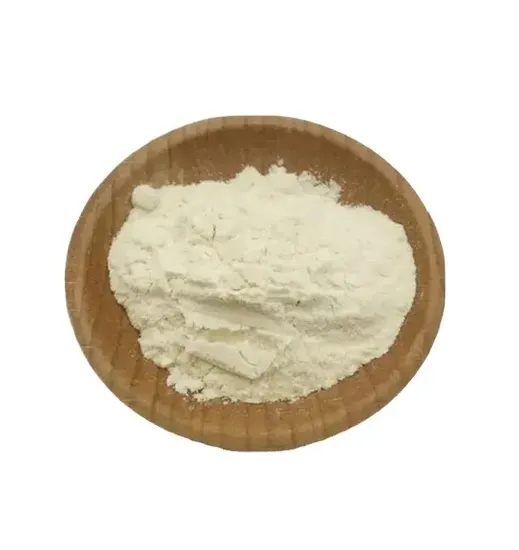
Pectin is a naturally occurring polysaccharide primarily extracted from citrus peels and apple pomace. It is widely used as a gelling agent, stabilizer, thickener, and texturizing ingredient across numerous food applications.
Pectin performs several critical functions:
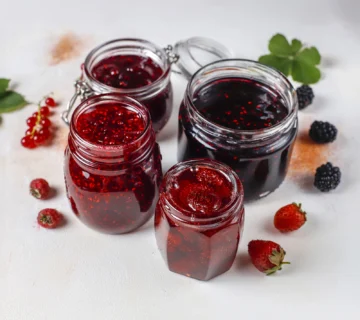
- Creating gels in jams and fruit spreads
- Stabilizing acidic beverages
- Improving texture in dairy products
- Enhancing mouthfeel
- Preventing ingredient separation
- Supporting clean-label formulations
- Improving product consistency
Unlike many synthetic additives, pectin benefits from strong consumer acceptance because of its natural origin. This has significantly increased demand for high-quality pectin in modern food manufacturing.
For companies evaluating a Pectin Supplier in Libya, understanding these functional benefits is essential because pectin often influences both product quality and production efficiency.
Why Pectin Matters for Food Manufacturing in Libya
Food manufacturers operating in Libya face unique production and distribution challenges.
Growing Demand for Processed Foods
Consumers increasingly expect products with consistent texture, appearance, and stability.
Expansion of Beverage Production
Juices, fruit beverages, and functional drinks require advanced stabilization systems.
Development of Dairy Processing
Modern dairy products frequently depend on hydrocolloids to achieve desired texture profiles.
Climate and Storage Conditions
Environmental conditions can affect product stability, making ingredient performance even more important.
Clean Label Trends
Manufacturers increasingly seek ingredients with natural origins and strong consumer recognition.
Pectin addresses many of these challenges while supporting product innovation and quality improvement.
The Science Behind Pectin Functionality
Pectin’s value lies in its ability to interact with water, sugar, acids, and proteins.
These interactions allow pectin to:
- Form stable gels
- Increase viscosity
- Stabilize suspended particles
- Improve texture
- Enhance mouthfeel
Think of pectin as the architect of texture. While consumers focus on flavor, pectin quietly determines how the product behaves, feels, and performs.
Without proper texture control, even excellent flavor formulations can fail commercially.
Types of Pectin Used in Industrial Applications
High Methoxyl Pectin (HM Pectin)
High methoxyl pectin requires sugar and acid to form gels.
Common applications include:
- Fruit jams
- Jellies
- Fruit fillings
- Marmalades
Low Methoxyl Pectin (LM Pectin)
Low methoxyl pectin forms gels through calcium interactions rather than high sugar concentrations.
Applications include:
- Reduced-sugar products
- Dairy desserts
- Functional foods
Amidated Low Methoxyl Pectin
This type provides enhanced flexibility and process tolerance.
Manufacturers often choose it for specialized applications requiring precise texture control.
Selecting the correct pectin type is often more important than selecting the lowest-priced ingredient.
Benefits of Using High-Quality Pectin
Improved Product Consistency
Reliable pectin produces predictable results from batch to batch.
Enhanced Shelf Life
Proper stabilization helps maintain product quality over time.
Better Consumer Experience
Texture significantly influences purchasing behavior and brand loyalty.
Reduced Production Waste
Consistent ingredient performance minimizes formulation failures.
Increased Manufacturing Efficiency
Reliable ingredients simplify process control and reduce troubleshooting.
In our collaboration with various factories, we have seen that texture-related complaints often decline dramatically when manufacturers upgrade ingredient consistency rather than changing entire formulations.
Common Mistakes When Sourcing Pectin
Focusing Exclusively on Price
The cheapest pectin may require higher usage levels or create process instability.
Ignoring Application Requirements
Different applications require different pectin grades.
Insufficient Technical Evaluation
Many purchasing decisions are made without proper performance testing.
Overlooking Supplier Reliability
Supply disruptions can halt production regardless of formulation quality.
Failing to Consider Process Conditions
Heat treatment, pH, sugar content, and calcium levels all influence pectin behavior.
These mistakes often create hidden costs far exceeding any initial savings.
How to Evaluate a Pectin Supplier in Libya
Choosing the right supplier involves more than reviewing quotations.
Product Quality Consistency
Batch-to-batch consistency is critical for industrial manufacturing.
Technical Support Capabilities
Experienced suppliers help optimize applications and troubleshoot challenges.
Documentation and Compliance
Comprehensive technical documentation supports quality assurance programs.
Multiple Sourcing Options
Supply chain flexibility reduces operational risk.
Market Experience
Suppliers familiar with industrial production environments typically provide greater value.
This is one reason many manufacturers work with MT Royal. Access to multiple international brands allows procurement teams to balance quality, availability, and pricing while reducing sourcing risks.
Market Trends Driving Pectin Demand
Several global and regional trends continue influencing pectin consumption.
Clean Label Product Development
Consumers increasingly prefer recognizable ingredients.
Reduced Sugar Formulations
Low methoxyl pectin supports lower-sugar product development.
Growth of Functional Beverages
Beverage manufacturers require advanced stabilization technologies.
Expansion of Dairy Innovation
Modern dairy products often rely on hydrocolloid systems for texture optimization.
Plant-Based Food Development
Alternative dairy and plant-based products frequently incorporate pectin for stability and mouthfeel.
Industry analysts estimate that global demand for pectin continues to grow steadily as manufacturers seek natural texture solutions.
Specialized Industrial Tips for Large-Scale Production
Hydration Matters
Proper hydration procedures are essential for maximizing performance.
Control Processing Temperatures
Temperature significantly affects pectin activation and functionality.
Monitor pH Carefully
Pectin behavior is highly dependent on acidity levels.
Optimize Mixing Systems
Proper dispersion prevents clumping and improves efficiency.
Conduct Pilot Trials
Application testing under real production conditions provides valuable insights.
Maintain Storage Discipline
Hydrocolloids perform best when protected from moisture and contamination.
We have observed that many production issues attributed to ingredient quality are actually related to hydration and processing procedures.
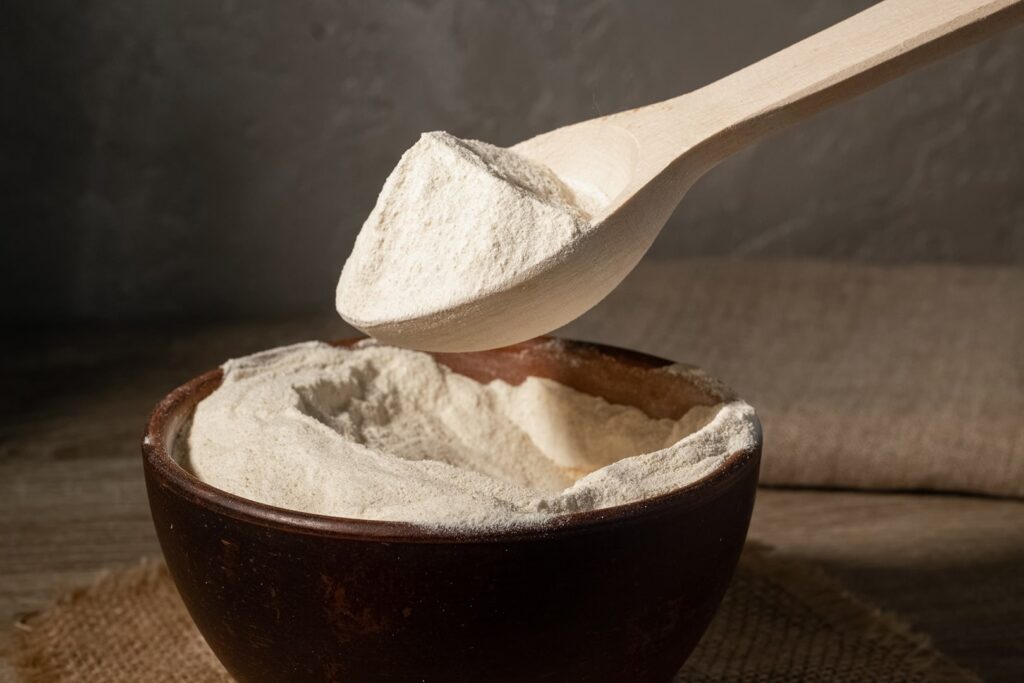
Comparing Pectin with Other Hydrocolloids
Manufacturers often evaluate pectin alongside other texture-modifying ingredients.
Pectin vs Carrageenan
Pectin is often preferred in fruit and acidic systems.
Pectin vs Xanthan Gum
Xanthan primarily provides viscosity, while pectin contributes gelling and stabilization functions.
Pectin vs Guar Gum
Guar gum serves mainly as a thickener, whereas pectin offers more complex texture-building capabilities.
Pectin vs Gelatin
Pectin provides plant-based functionality and broader suitability for vegetarian formulations.
The choice depends on formulation objectives, processing conditions, and consumer expectations.
Hidden Factors Influencing Pectin Performance
Many manufacturers focus on pectin grade while overlooking other variables.
Sugar Content
Sugar levels significantly affect gel formation.
Calcium Availability
Certain pectin types rely on calcium interactions.
Processing Time
Excessive processing can influence functionality.
Water Quality
Mineral content may affect performance.
Packaging Conditions
Final product stability depends on both formulation and packaging systems.
A successful formulation considers all these factors together rather than treating pectin as a standalone ingredient.
Frequently Asked Questions
What is pectin used for?
Pectin is used as a gelling agent, stabilizer, thickener, and texture modifier in food products.
Which industries use pectin most frequently?
Jam, beverage, dairy, confectionery, bakery, and plant-based food manufacturers are major users.
Is pectin a natural ingredient?
Yes. Commercial pectin is typically derived from citrus peels and apple pomace.
Why is pectin important in beverages?
It helps stabilize pulp, improve mouthfeel, and prevent sedimentation.
Can pectin be used in reduced-sugar products?
Yes. Low methoxyl pectin is commonly used in reduced-sugar formulations.
What should manufacturers look for in a Pectin Supplier in Libya?
Consistency, technical expertise, documentation, reliable supply chains, and access to multiple brands are key considerations.
Building Competitive Food Products Through Smarter Ingredient Selection
The modern food industry rewards consistency. Consumers expect every jar, bottle, cup, and package to deliver the same experience regardless of when or where it was produced. Achieving that consistency requires more than good recipes—it requires ingredients that perform reliably under real manufacturing conditions.
Pectin remains one of the most versatile and valuable tools available to food manufacturers because it contributes simultaneously to texture, stability, appearance, and consumer satisfaction. Yet the true value of pectin is realized only when it is sourced strategically, applied correctly, and supported by strong technical understanding.
For manufacturers evaluating a Pectin Supplier in Libya, the decision extends far beyond purchasing a hydrocolloid. It is an investment in product quality, production efficiency, brand reputation, and long-term competitiveness. The factories that consistently succeed are often those that understand a simple reality: texture may be invisible in procurement meetings, but consumers notice it with every bite and every sip.

No comment