

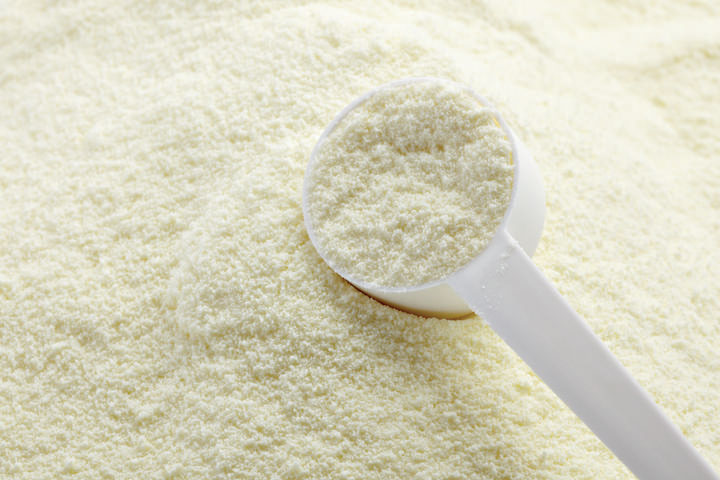
In Libya’s evolving food manufacturing landscape, one ingredient consistently sits at the center of production stability, cost control, and product consistency: Skimmed Milk Powder Libya. For factories that depend on reliable dairy inputs, choosing the right supplier is not a routine procurement decision—it is a direct factor in whether production lines run smoothly or struggle with variability.
This is exactly why many industrial buyers increasingly evaluate structured suppliers such as MT Royal, especially when consistency, technical documentation, and access to multiple global brands are required in bulk sourcing environments. When your production schedule depends on stable dairy solids, even small fluctuations in ingredient quality can behave like an unexpected power outage on a production line—everything slows down, and recovery takes time.
Skimmed milk powder is not just a commodity. In industrial food systems across Libya, it is a backbone ingredient used in dairy processing, bakery manufacturing, confectionery production, beverages, and nutritional formulations. Understanding it deeply allows procurement managers and factory engineers to reduce risk, improve efficiency, and stabilize product quality across large-scale operations.
This guide explores everything from technical foundations to sourcing mistakes, industrial applications, and strategic procurement insights tailored specifically for manufacturers operating in Libya.
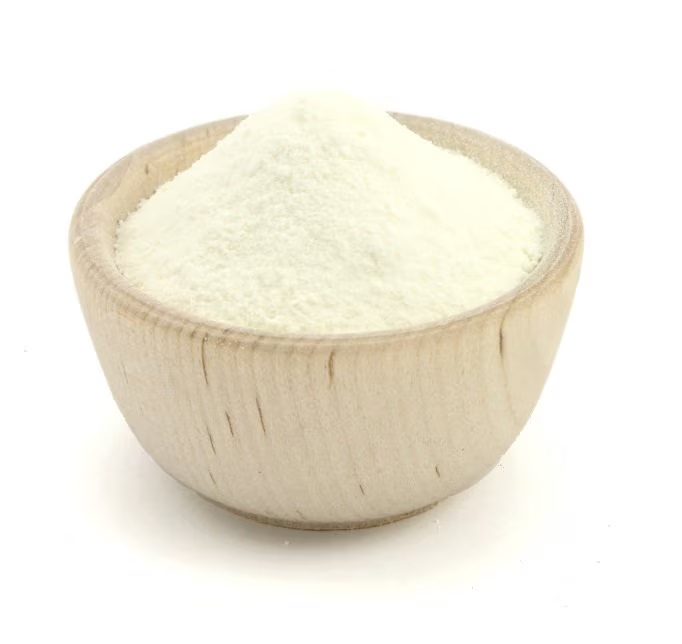
Understanding Skimmed Milk Powder Libya in Industrial Context
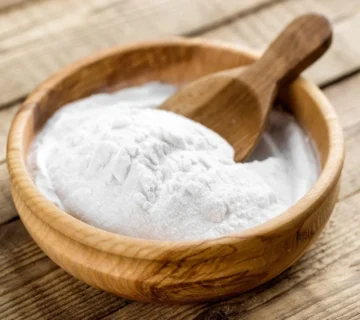
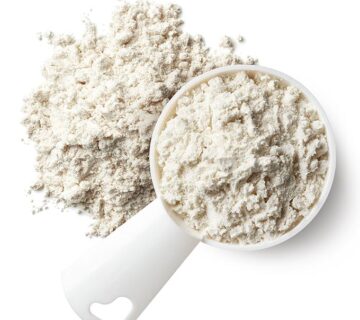
Skimmed milk powder (often referred to as nonfat dry milk or SMP) is produced by removing water and nearly all milk fat from pasteurized skim milk, then spray-drying it into a fine powder.
In industrial environments, it is valued not just for nutrition but for functionality.
At its core, Skimmed Milk Powder Libya is used because it provides:
- Reliable dairy solids without refrigeration
- Standardized protein and lactose composition
- Predictable performance in formulations
- Reduced logistics and storage complexity
For manufacturers, this translates into something very practical: fewer surprises during production.
Why Libyan Manufacturers Depend on It
Libya’s food industry operates under unique logistical realities:
- Import dependency for dairy ingredients
- Temperature-sensitive transport conditions
- Irregular raw milk availability
- Seasonal fluctuations in supply chains
In this environment, skimmed milk powder acts like a stabilizer in a chemical reaction—it keeps everything balanced when external variables shift.
How Skimmed Milk Powder Is Manufactured: From Farm to Factory Floor
To evaluate quality properly, procurement teams must understand the production journey.
1. Raw Milk Selection and Testing
Milk is collected and tested for:
- Protein levels
- Fat content
- Bacterial load
- Antibiotic residues
- Acidity balance
This step determines the baseline quality of the final powder.
2. Separation Process
Centrifugal separation removes cream, leaving skim milk.
This step is critical because even slight fat variations can affect:
- Powder solubility
- Shelf stability
- Flavor neutrality
3. Pasteurization
Heat treatment ensures microbial safety and stabilizes milk proteins.
4. Concentration
Water is partially removed using evaporation systems.
5. Spray Drying
This is the most critical transformation stage. Milk is atomized into hot air, instantly converting liquid into powder particles.
Particle design affects:
- Solubility
- Flowability
- Reconstitution speed
6. Packaging
Industrial-grade packaging protects against moisture and oxidation.
A small packaging failure here can undo the entire upstream quality process.
Key Technical Properties That Matter for Manufacturers
Factories in Libya often face issues not because skimmed milk powder is “bad,” but because it is not properly matched to the application.
Protein Content and Functional Behavior
Protein is the functional backbone of skimmed milk powder.
Higher protein levels improve:
- Emulsification in beverages
- Structure in bakery dough
- Creaminess in dairy products
- Binding in processed foods
In industrial production, protein is less about nutrition and more about behavior under heat, pressure, and mixing.
Moisture Level and Stability
Moisture content determines:
- Shelf life stability
- Flow performance
- Risk of clumping
- Storage reliability
Even a 1% deviation in moisture can change warehouse behavior dramatically in humid environments.
Solubility and Instant Properties
Good skimmed milk powder should dissolve smoothly in water without forming lumps.
Poor solubility leads to:
- Mixing inefficiency
- Product inconsistency
- Increased processing time
Heat Stability
This is especially important for:
- UHT milk
- Sterilized beverages
- Bakery applications involving high heat
Heat instability often appears only during production—not in lab testing—making supplier selection critical.
Applications of Skimmed Milk Powder in Libya’s Food Industry
Dairy Processing Sector
Skimmed milk powder is widely used in:
- Recombined milk
- Yogurt production
- Ice cream manufacturing
- Cheese formulations
It allows producers to standardize milk solids year-round.
Bakery Manufacturing
In industrial bakeries, it plays a silent but essential role:
- Enhances dough strength
- Improves crust browning
- Increases softness and shelf life
- Stabilizes moisture content
A bakery without milk powder is like bread without fermentation control—technically possible, but inconsistent.
Confectionery Industry
Chocolate and sweets manufacturing depends heavily on milk solids for:
- Flavor richness
- Smooth texture
- Controlled crystallization
- Creamy mouthfeel
Beverage Industry
Used in:
- Instant dairy beverages
- Coffee creamers
- Protein drinks
- Nutritional mixes
Its instant properties make it ideal for fast-dissolving applications.
Processed Food Manufacturing
Skimmed milk powder is used in:
- Soups and sauces
- Ready meals
- Seasoning blends
- Industrial dry mixes
Its binding and flavor-enhancing properties make it extremely versatile.
Common Mistakes in Skimmed Milk Powder Procurement
Many factories assume that all milk powders are interchangeable. This assumption is one of the most expensive mistakes in industrial sourcing.
Choosing Only Based on Price
Lower-cost powder often results in:
- Higher production waste
- Poor solubility
- Inconsistent batches
- Reduced shelf life of final products
In industrial terms, saving 3% on ingredient cost but losing 10% in production efficiency is not savings—it is leakage.
Ignoring Application-Specific Grades
Not all skimmed milk powder is suitable for all uses.
For example:
- Bakery-grade vs beverage-grade powders behave differently
- Heat-stable variants are essential for UHT products
- Instantized powders are required for direct mixing applications
Overlooking Supplier Reliability
A factory line does not stop waiting for shipments—it stops entirely.
This is why procurement stability matters as much as product quality.
Skipping Pilot Testing
Skipping trials is like launching a new machine without calibration.
Poor Storage Practices
Even premium powder degrades quickly under:
- High humidity
- Temperature fluctuations
- Improper sealing
Strategic Industrial Tips for Libyan Manufacturers
Align Ingredient Choice With End Product Behavior
Do not ask “Is this milk powder good?”
Ask instead:
“How does this powder behave in my process conditions?”
Standardize Mixing Conditions
Factories should control:
- Water temperature
- Mixing speed
- Hydration time
Small variations can produce large quality differences.
Implement FIFO Inventory Systems
First-in, first-out systems prevent:
- Expired stock usage
- Moisture degradation issues
- Flavor inconsistency
Monitor Reconstitution Performance
Real production conditions often reveal more than lab tests.
Build Multi-Supplier Strategies
Depending on a single supply chain increases operational risk.
In our collaboration with various factories, we have seen that diversified sourcing often prevents production downtime during global logistics disruptions.
Market Trends Influencing Skimmed Milk Powder Libya
Rising Demand for Processed Foods
Urbanization and lifestyle changes are driving demand for:
- Ready-to-eat meals
- Instant beverages
- Packaged bakery goods
Growth in Protein-Enriched Products
Consumers increasingly seek:
- High-protein dairy drinks
- Functional nutrition products
- Fortified food systems
Increased Import Dependence
Libya continues to rely heavily on imported dairy ingredients, making supplier selection critical.
Supply Chain Volatility
Global logistics fluctuations have made long-term supplier relationships more important than ever.
Sustainability Pressure
Manufacturers are increasingly evaluating carbon footprint and sourcing efficiency.
How to Evaluate a Reliable Supplier
When sourcing Skimmed Milk Powder Libya, procurement teams should assess:
- Product consistency across batches
- Availability of multiple international brands
- Technical documentation quality
- Delivery reliability
- Storage and logistics capability
- Quality certifications
Suppliers such as MT Royal are often evaluated in this context because they provide structured sourcing options for industrial buyers, reducing complexity in procurement decisions.
Frequently Asked Questions
What is the difference between skimmed milk powder and full cream milk powder?
Skimmed milk powder has almost no fat, while full cream powder retains milk fat, affecting flavor and functionality.
Can skimmed milk powder fully replace fresh milk in production?
Yes, in many industrial applications, especially when reconstituted correctly.
How long can skimmed milk powder be stored?
Typically 12–24 months under proper storage conditions.
What is the biggest risk in milk powder sourcing?
Inconsistent quality between batches, which affects production stability.
Is instant skimmed milk powder better?
It depends on application. Instant versions dissolve faster but may cost more.
Why do some batches behave differently in production?
Variations in protein content, particle size, and moisture levels.
Industrial Reality: What Factories Often Learn Too Late
One of the most overlooked truths in food manufacturing is that ingredient behavior is often only fully understood at scale.
A sample in a lab might look perfect, but at 2 tons per hour production speed, differences become visible:
- Slight solubility delays
- Foam formation variations
- Texture inconsistencies
- Heat response differences
This is why procurement is not just purchasing—it is engineering support for the production floor.
Factories that treat skimmed milk powder as a strategic input rather than a commodity tend to achieve more stable margins and fewer production interruptions.
Final Perspective
Skimmed milk powder is more than a dairy ingredient—it is a structural element in modern food manufacturing systems. In Libya, where supply chain conditions require adaptability and resilience, choosing the right grade and supplier becomes a defining factor in operational success.
The factories that perform best are not necessarily those that spend the most, but those that understand how each ingredient behaves under real industrial conditions and align their sourcing strategy accordingly. When procurement, formulation, and logistics are synchronized, skimmed milk powder becomes not just an input, but a stabilizing force across the entire production ecosystem.
LATAMARKO LM60 – Premium Spanish-Origin Cocoa Powder
latamarko alkalized cocoa powder lm60
cocoa powder for chocolate production-Best price
Food industry raw materials – list of products

No comment