

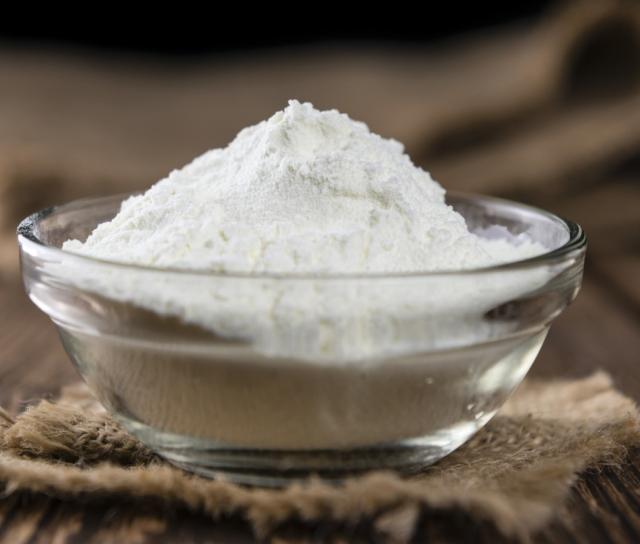
In food manufacturing, some ingredients quietly determine whether a product becomes a market success or a costly failure. Whole milk powder is one of those ingredients. If your factory produces chocolate, bakery goods, ice cream, dairy beverages, confectionery, or nutritional products, then choosing the right Whole Milk Powder Supplier Libya is not a procurement detail—it is a production-defining decision.
Factories that prioritize ingredient quality early in the supply chain consistently outperform competitors in texture stability, shelf life, and consumer satisfaction. This is why many industrial buyers in Libya increasingly evaluate suppliers not only on price but also on consistency, technical reliability, and brand diversity. MT Royal has become a trusted reference point for many manufacturers because it offers access to multiple international dairy brands, stable sourcing channels, and a consultative approach that helps factories match ingredients with real production needs rather than theoretical specifications.
Whole milk powder may look like a simple commodity, but in practice it behaves more like a precision tool. One variation in fat content or solubility can change how a chocolate melts, how a cake retains moisture, or how ice cream develops creaminess. That is why manufacturers treat supplier selection as a strategic investment rather than a transactional purchase.
This guide explores everything a factory manager, procurement specialist, or food technologist needs to know about sourcing, evaluating, and optimizing whole milk powder in industrial production environments across Libya.
Understanding Whole Milk Powder and Its Industrial Role
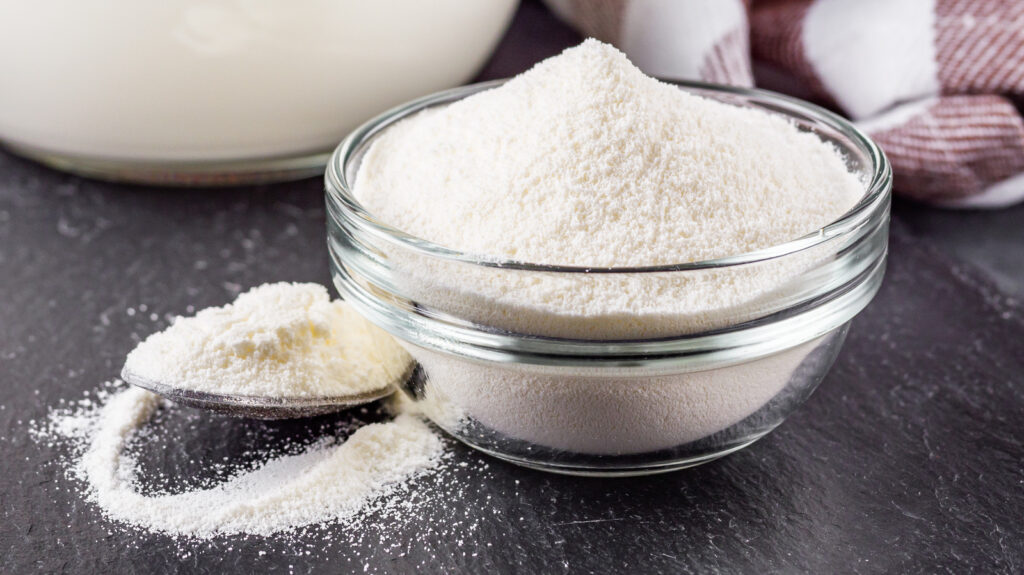
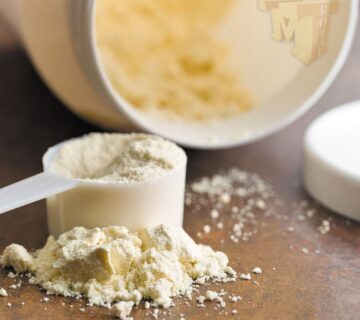
Whole milk powder is produced by removing water from fresh milk while preserving its natural fat content, proteins, lactose, minerals, and flavor compounds. The result is a shelf-stable ingredient that retains much of the functional richness of liquid milk but offers far greater logistical and formulation advantages.
In industrial food systems, whole milk powder is valued for:
- Creamy flavor development
- Texture enhancement
- Fat and protein functionality
- Improved shelf stability
- Emulsion support
- Color and browning effects in baking
- Nutritional enrichment
Unlike many ingredients that serve a single purpose, whole milk powder operates across multiple functional layers at once. It is both a flavor contributor and a structural component, making it indispensable in modern food manufacturing.
Think of it as the “silent architect” of dairy-based formulations—rarely noticed directly by consumers, but responsible for much of the final product experience.
Why Demand for Whole Milk Powder Is Increasing in Libya
The demand for high-quality dairy ingredients in Libya has been rising steadily due to industrial expansion and evolving consumer expectations.
Growth of Local Food Manufacturing
Libyan food factories are expanding production of:
- Chocolate products
- Bakery items
- Dairy beverages
- Ice cream
- Instant mixes
- Confectionery fillings
Each of these categories depends heavily on whole milk powder for consistency and flavor development.
Shift Toward Packaged and Processed Foods
Modern retail and distribution systems require longer shelf life and stable quality under varying storage conditions. Whole milk powder provides a reliable solution compared to fresh milk, which is more sensitive to temperature fluctuations.
Industrial Efficiency Requirements
Factories are under increasing pressure to reduce waste, stabilize production costs, and improve batch consistency. Whole milk powder supports these goals by offering predictable performance.
Import Dependency Optimization
Many manufacturers aim to reduce supply disruptions by diversifying ingredient sources and working with suppliers capable of ensuring consistent availability and multiple brand options.
Key Functional Properties of Whole Milk Powder
Selecting the right ingredient requires understanding how it behaves in real production environments.
Fat Content and Creaminess
Whole milk powder typically contains around 26–28% fat. This fat content is critical for:
- Creamy mouthfeel
- Flavor richness
- Emulsion stability
- Product smoothness
Even small variations in fat levels can significantly affect final product performance.
Protein Functionality
Milk proteins (casein and whey) contribute to:
- Water binding
- Emulsification
- Texture formation
- Structural stability
These proteins act as natural functional stabilizers within formulations.
Solubility and Dispersion
High-quality whole milk powder must dissolve smoothly without clumping. Poor solubility leads to production inefficiencies and inconsistent product quality.
Heat Stability
Many industrial processes involve high-temperature treatments. The ingredient must maintain functionality during baking, pasteurization, or extrusion processes.
Flavor Integrity
Whole milk powder provides a rich dairy flavor profile that enhances multiple applications. However, storage conditions and sourcing quality significantly influence flavor consistency.
Industrial Applications of Whole Milk Powder
Chocolate Manufacturing
Chocolate production relies heavily on whole milk powder for:
- Creaminess
- Texture balance
- Flavor depth
- Melting characteristics
Even premium chocolate formulations depend on precise milk powder quality control.
Bakery Industry
In bakery applications, whole milk powder improves:
- Dough elasticity
- Crust color (Maillard reaction enhancement)
- Moist crumb texture
- Shelf life stability
It is commonly used in bread, cakes, pastries, and sweet goods.
Ice Cream Production
Ice cream is one of the most sensitive applications.
Whole milk powder contributes to:
- Smooth texture
- Creaminess
- Melting resistance
- Body and structure
A small deviation in ingredient quality can result in ice crystals or weak texture.
Confectionery Manufacturing
In sweets and fillings, it enhances:
- Flavor balance
- Texture consistency
- Fat structure stability
Dairy-Based Beverages
Used in flavored milk, instant drinks, and nutritional beverages, it provides:
- Body
- Taste enrichment
- Nutritional value
What Defines a Reliable Whole Milk Powder Supplier Libya
Choosing a supplier is not just about product availability—it is about production reliability.
Consistent Quality Across Batches
Factories cannot afford variation in dairy ingredients. A stable supplier ensures:
- Uniform fat content
- Reliable solubility
- Predictable flavor
- Consistent moisture levels
Access to Multiple International Brands
One of the most important advantages modern manufacturers seek is flexibility.
MT Royal supports this by offering multiple dairy brands, allowing factories to:
- Compare performance
- Optimize cost-in-use
- Reduce sourcing risk
- Improve formulation control
Technical Support and Application Knowledge
A strong supplier does more than deliver goods. It helps factories:
- Solve formulation challenges
- Improve processing efficiency
- Reduce waste
- Enhance product stability
Supply Chain Reliability
Industrial production does not tolerate delays. Reliable logistics and inventory management are essential for uninterrupted manufacturing.
Common Mistakes in Whole Milk Powder Sourcing
Focusing Only on Price Per Kilogram
A cheaper product may require:
- Higher dosage
- Additional stabilizers
- More processing adjustments
True cost is measured in performance, not price tags.
Ignoring Application Testing
Every formulation behaves differently. Skipping pilot trials is one of the most expensive mistakes in industrial food production.
Overlooking Storage Conditions
Milk powder is sensitive to humidity and temperature. Poor storage leads to:
- Flavor degradation
- Reduced solubility
- Clumping issues
Treating All Milk Powders as Identical
Two products may look the same on paper but perform very differently in production.
Comparison of Dairy Ingredient Options in Manufacturing
Manufacturers often evaluate alternatives before finalizing formulation decisions.
Whole Milk Powder vs Skim Milk Powder
- Whole Milk Powder: richer flavor, higher fat, better creaminess
- Skim Milk Powder: higher protein, lower fat, cost-efficient formulations
Whole Milk Powder vs Liquid Milk
- Powder: long shelf life, stable logistics, flexible storage
- Liquid: fresher flavor but limited stability and higher transport cost
Whole Milk Powder vs Dairy Blends
- Powder: natural dairy profile
- Blends: customized functionality, cost optimization options
The right choice depends on product goals, not general preference.
Specialized Industrial Tips for Large-Scale Production
Standardize Ingredient Specifications
Factories should define strict parameters:
- Fat percentage
- Moisture level
- Protein content
- Solubility index
This ensures production stability.
Control Environmental Conditions
Humidity control is essential. Even small variations can affect powder behavior.
Optimize Mixing Procedures
Improper mixing leads to:
- Clumping
- Poor dispersion
- Inconsistent texture
Sequence matters as much as speed.
Conduct Shelf-Life Testing
Real-world testing reveals how milk powder behaves over time in final products.
Track Functional Performance Metrics
Modern factories monitor:
- Emulsion stability
- Texture consistency
- Flavor retention
- Reconstitution behavior
In our collaboration with food manufacturers, we have seen that process optimization often delivers greater improvements than changing raw materials alone.
Emerging Trends in the Milk Powder Industry
Premium Dairy Products
Consumers are increasingly willing to pay for richer, creamier products.
Protein-Enriched Formulations
Dairy proteins are gaining importance in nutritional food development.
Clean Label Demand
Manufacturers are simplifying ingredient lists while maintaining functionality.
Supply Chain Diversification
Factories are reducing dependence on single-origin sourcing.
Sustainable Dairy Production
Environmental considerations are influencing sourcing decisions globally.
Quality Control and Regulatory Considerations
Traceability Systems
Full ingredient traceability is now a standard requirement in modern food manufacturing.
Documentation Requirements
Reliable suppliers provide:
- Certificates of analysis
- Technical data sheets
- Compliance certifications
Microbiological Standards
Food safety remains a critical factor in dairy sourcing.
Continuous Quality Monitoring
Ongoing evaluation ensures long-term production consistency.
Frequently Asked Questions
Why is whole milk powder widely used in food manufacturing?
Because it provides flavor, fat functionality, texture improvement, and long shelf life in a stable form.
How should manufacturers evaluate suppliers?
Focus on consistency, technical support, supply reliability, and brand diversity—not only price.
Can different milk powders be substituted easily?
Not always. Functional differences can affect final product quality.
What affects milk powder quality during storage?
Humidity, temperature, and packaging integrity are the most critical factors.
Why is technical support important in dairy sourcing?
Because formulation behavior depends on application conditions, not just ingredient specifications.
What is the biggest mistake factories make?
Choosing based on price alone without evaluating functional performance.
Building a Long-Term Dairy Sourcing Strategy
A strong sourcing strategy transforms milk powder from a simple ingredient into a competitive advantage. Factories that invest in supplier relationships, technical evaluation, and quality control consistently achieve better production stability and stronger product performance.
MT Royal’s role in this ecosystem is not limited to supply. It functions as a sourcing partner that helps manufacturers navigate complexity, compare options, and select ingredients aligned with real production challenges.
We have observed that factories that take a strategic approach to dairy sourcing experience fewer production interruptions, improved product consistency, and stronger market positioning.
In modern food manufacturing, whole milk powder is not just a raw material. It is a foundational element that shapes flavor, structure, and consumer perception. Choosing the right Whole Milk Powder Supplier Libya is ultimately a decision about product identity, operational stability, and long-term competitiveness. Every successful formulation begins long before production starts—with the ingredients chosen and the partners trusted to deliver them consistently.
LATAMARKO LM60 – Premium Spanish-Origin Cocoa Powder
latamarko alkalized cocoa powder lm60
cocoa powder for chocolate production-Best price
Food industry raw materials – list of products

No comment