

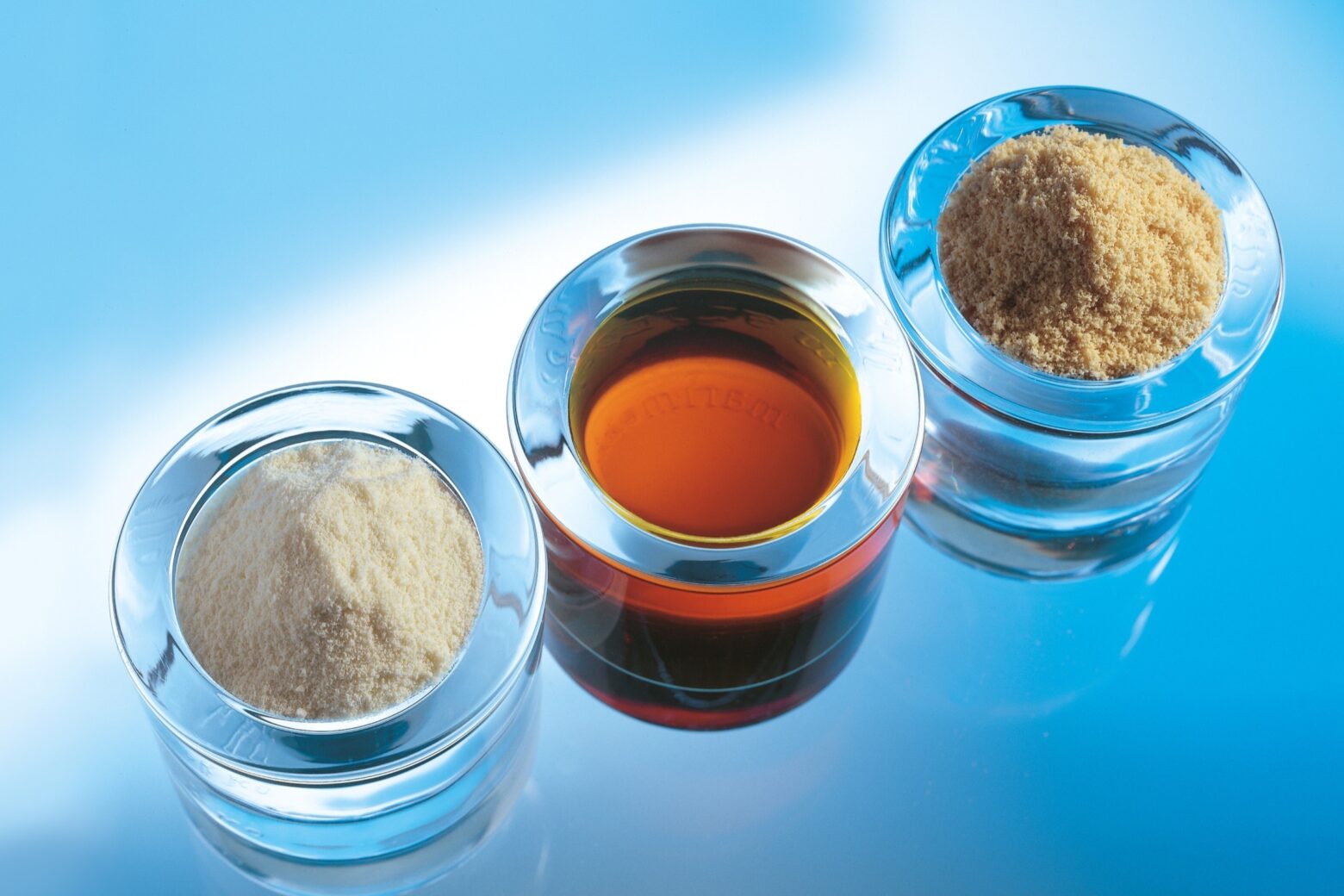
In the modern food manufacturing ecosystem of Libya, where production stability and ingredient reliability directly determine market success, choosing a dependable Food Additives Supplier Libya is no longer a routine procurement task—it is a strategic foundation for every factory aiming for consistency, scalability, and compliance. One weak link in the additive supply chain can quietly reshape everything from taste profile to shelf life, often without immediate detection on the production floor.
This is where experienced industrial partners such as MT Royal play a crucial role. By offering access to a wide portfolio of globally sourced food additives at competitive pricing, MT Royal helps factories maintain uninterrupted production while navigating the complexities of international sourcing, fluctuating logistics, and strict quality expectations.
In practice, the difference between a stable production line and one that constantly struggles with formulation adjustments often lies in the reliability of the additive supply chain.
Understanding Food Additives in Industrial Manufacturing
Food additives are substances added to food products during processing to improve safety, freshness, texture, appearance, or taste. In industrial production, they are not optional enhancements—they are structural components of formulation engineering.
A Food Additives Supplier Libya typically provides a wide range of ingredients, including:
- Preservatives
- Emulsifiers
- Stabilizers
- Acidity regulators
- Antioxidants
- Flavor enhancers
- Thickeners and gelling agents
- Colorants
Each category plays a specific role in ensuring that food products remain stable from production to consumption.
For example, emulsifiers prevent oil and water separation in sauces, while preservatives inhibit microbial growth in processed foods. Without them, most large-scale food systems would simply not function in modern distribution networks.
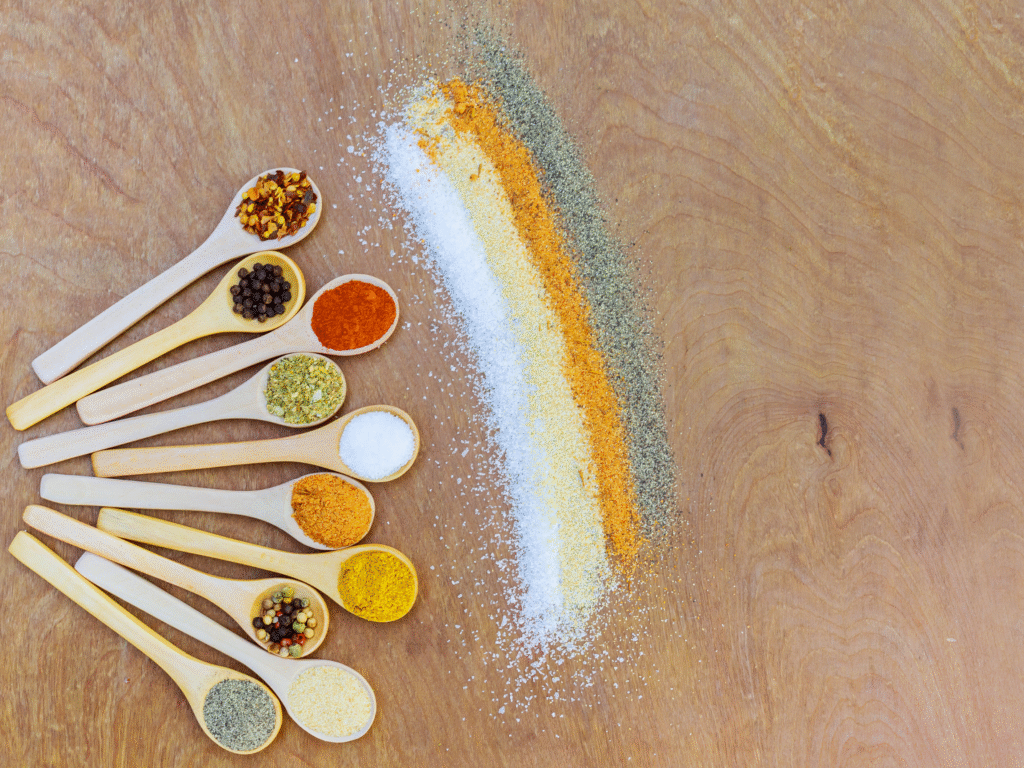
Why Food Additives Matter for Factories in Libya
Manufacturing conditions in Libya present unique operational challenges: temperature variability, import delays, storage limitations, and inconsistent raw material cycles. These factors make formulation stability more difficult than in highly controlled industrial environments.
A reliable Food Additives Supplier Libya ensures that factories receive consistent-grade materials that behave predictably under real production conditions.
For instance:
- A bakery using stabilizers can maintain dough consistency despite humidity changes
- A beverage plant can preserve flavor integrity across batches
- A dairy processor can prevent phase separation in emulsified products
Without consistent additives, each production run becomes a “new experiment,” and factories are forced into constant troubleshooting.
Core Categories of Food Additives in Industrial Use
Preservatives
Preservatives extend shelf life by inhibiting microbial growth. Common examples include sodium benzoate and potassium sorbate.
Emulsifiers
These allow oil and water-based ingredients to mix smoothly. Lecithin and polysorbates are widely used in sauces, dairy, and baked goods.
Stabilizers and Thickeners
They improve texture and consistency. Examples include xanthan gum, guar gum, and carrageenan.
Antioxidants
They prevent oxidation, preserving color and flavor in fats and oils.
Acidity Regulators
They maintain optimal pH balance, ensuring product stability and taste consistency.
Flavor Enhancers
Compounds like monosodium glutamate (MSG) intensify taste perception.
Each of these categories plays a role in building a stable food system, especially in industrial-scale production environments.
The Role of Food Additives Supplier Libya in Production Stability
A professional supplier is not just a distributor—it is part of the formulation ecosystem. The role extends beyond logistics into quality assurance, technical consistency, and supply chain resilience.
Factories often underestimate how sensitive additives are to:
- humidity exposure
- particle size variation
- purity fluctuations
- storage temperature
- transportation conditions
A slight change in emulsifier quality, for example, can result in visible separation in sauces or dairy products within days.
A reliable Food Additives Supplier Libya reduces these risks by ensuring batch-to-batch consistency and verified sourcing standards.
In our collaboration with various factories, we have seen that even minor inconsistencies in stabilizers can lead to entire production adjustments that cost both time and raw material waste.
Common Mistakes in Food Additives Sourcing
Procurement decisions often prioritize cost over technical stability, which leads to long-term production inefficiencies.
1. Choosing Based on Price Alone
The cheapest additive is often the most expensive in terms of production instability.
2. Ignoring Functional Grade Differences
Food-grade, industrial-grade, and pharma-grade additives behave differently in real applications.
3. Overlooking Moisture Sensitivity
Many additives absorb moisture, affecting flowability and dosing accuracy.
4. Lack of Supplier Diversification
Relying on a single supplier increases vulnerability to delays and shortages.
5. Skipping Compatibility Testing
Factories often assume additives behave identically across formulations, which is rarely true.
A strong Food Additives Supplier Libya helps mitigate these risks through documentation, technical support, and multi-source availability.
How Food Additives Shape Product Quality
Food additives are not just supporting actors—they define the sensory and physical characteristics of food products.
They influence:
- Texture (smooth, creamy, firm, elastic)
- Flavor intensity and balance
- Color stability over time
- Shelf life duration
- Resistance to environmental stress
A product without additives is like a building without reinforcement—it may stand temporarily, but it cannot survive industrial-scale pressure.
MT Royal’s Role in Industrial Supply Chains
Within the regional supply network, MT Royal acts as a strategic sourcing partner, connecting factories in Libya with a wide range of food additive manufacturers from different global origins.
Instead of limiting procurement teams to a single brand, MT Royal provides flexibility in sourcing decisions, allowing factories to balance:
- cost efficiency
- quality consistency
- availability stability
We have observed that factories working with diversified sourcing partners experience fewer production disruptions and significantly improved operational resilience.
This is especially important in regions where shipping routes and import timelines can fluctuate unexpectedly.

Market Trends in Libya and Regional Demand
The food manufacturing sector in Libya is evolving rapidly, driven by changing consumer behavior and increased demand for processed foods.
1. Growth in Packaged Foods
Urban lifestyles are increasing demand for ready-to-eat and processed food products.
2. Expansion of Beverage Industry
Juices, flavored drinks, and carbonated beverages are growing in local production capacity.
3. Dairy Sector Development
Processed cheese, yogurt, and dairy desserts are expanding in both domestic and commercial markets.
4. Industrial Standardization
Factories are increasingly adopting international formulation standards to improve competitiveness.
Industry estimates suggest that demand for food additives in North Africa is growing at approximately 6–10% annually, driven primarily by beverage and dairy sectors.
Specialized Industrial Tips for Large-Scale Production
Handling food additives effectively requires more than basic measurement—it requires process discipline.
1. Controlled Pre-Mixing
Pre-dissolving additives ensures uniform distribution in large batches.
2. Temperature Monitoring
Some additives behave differently under heat, affecting solubility and performance.
3. Sequential Addition Strategy
The order of ingredient addition can significantly influence final texture and stability.
4. Precision Dosing Systems
Automated dosing reduces human error in high-volume production.
5. Storage Rotation Protocols
FIFO systems prevent degradation of sensitive additives over time.
A Practical Industrial Insight
One of the most overlooked realities in food manufacturing is that additives rarely fail visibly—they fail structurally. A stabilizer does not “break”; it simply becomes slightly less effective, and that small shift slowly changes the entire product behavior.
This is why some factories experience gradual quality drift without identifying a clear cause. In many cases, the issue is not machinery or formulation design, but variability in additive sourcing.
A dependable Food Additives Supplier Libya eliminates this hidden variability by ensuring consistency at the molecular level of supply.
Frequently Asked Questions (FAQ)
What are food additives used for in manufacturing?
They are used to improve shelf life, stability, texture, taste, and safety of food products.
Are food additives safe?
Yes, when used within regulatory limits, food additives are considered safe and widely approved.
Why are emulsifiers important?
They ensure uniform mixing of oil and water phases in food products.
How do stabilizers affect dairy products?
They prevent separation and improve texture consistency in dairy-based systems.
What is the role of preservatives?
They extend shelf life by inhibiting microbial growth.
How can I choose a reliable supplier?
Focus on consistency, documentation, sourcing diversity, and technical support rather than price alone.
Strategic Perspective for Manufacturers
In modern food manufacturing, success is no longer defined solely by formulation—it is defined by consistency. Food additives are the silent architecture behind every stable product, and their reliability determines how your brand performs in the market.
Choosing the right Food Additives Supplier Libya is not just about purchasing ingredients. It is about building a foundation of predictability in an environment where variability is the biggest risk.
Factories that invest in stable sourcing relationships consistently outperform those that treat procurement as a short-term transaction. The reason is simple: predictable inputs create predictable outputs, and predictable outputs create strong brands.In an industry where consumers notice even the smallest change in taste or texture, stability is not a luxury—it is survival.
LATAMARKO LM60 – Premium Spanish-Origin Cocoa Powder
latamarko alkalized cocoa powder lm60
cocoa powder for chocolate production-Best price
Food industry raw materials – list of products
Types of Gelatin from Turkish Manufacturer
Food Ingredients Supplier in Türkiye for Manufacturers and Importers

No comment