

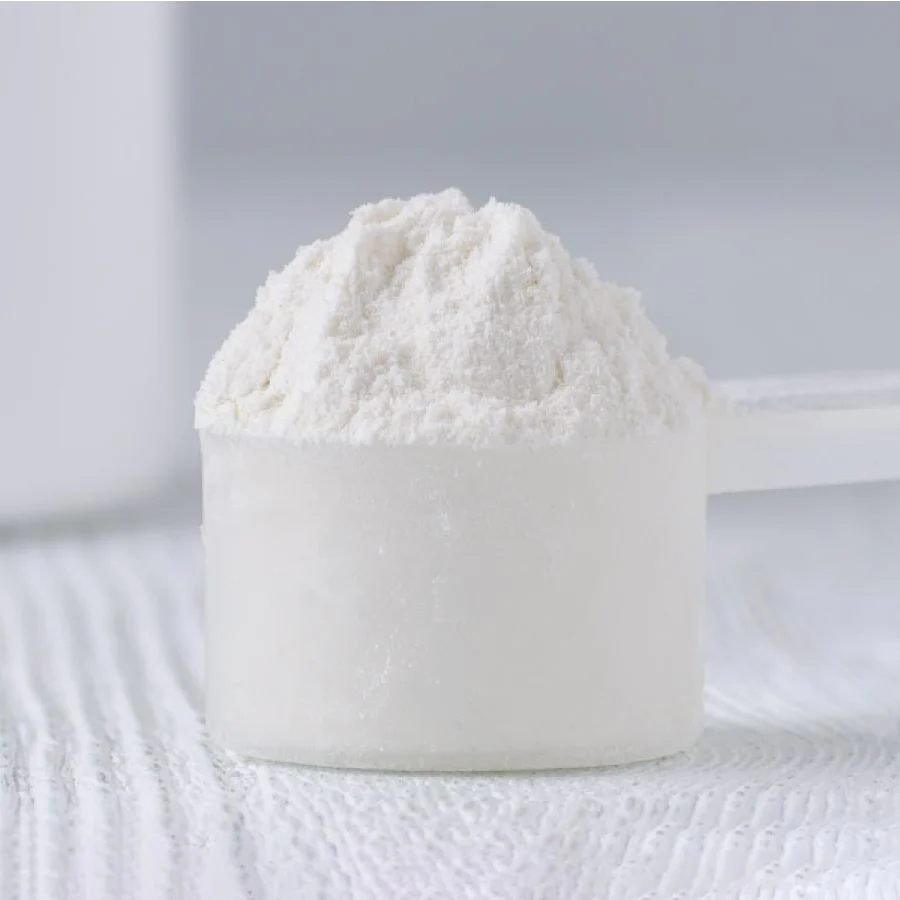
In the industrial food ecosystem of North Africa, few decisions carry as much long-term weight as selecting a reliable Dairy Raw Materials Supplier Libya. For factories operating in dairy processing, bakery production, beverages, confectionery, and nutritional manufacturing, the quality of raw dairy inputs defines everything downstream—texture, taste, shelf life, regulatory compliance, and ultimately brand trust.
When your production line runs at industrial scale, even a subtle fluctuation in milk powder solubility or whey protein consistency can feel like a small crack in a dam wall. It may look harmless at first, but over time it affects entire production batches. This is why procurement teams increasingly prioritize strategic sourcing partners such as MT Royal, which provide access to diversified global dairy raw materials with stable quality and competitive industrial pricing.
Libya’s food manufacturing sector is expanding steadily, driven by urban population growth, rising demand for packaged foods, and increasing investment in local production capabilities. According to regional food industry estimates, dairy-based ingredient demand in North Africa has been growing at approximately 5–7% annually over the past decade. This growth is reshaping procurement priorities and forcing factories to rethink how they secure raw materials.
Understanding Dairy Raw Materials in Industrial Manufacturing
Dairy raw materials refer to processed or semi-processed milk-derived ingredients used as the foundation of industrial food production. These materials are engineered for stability, functionality, and scalability rather than direct consumer consumption.
Key categories of dairy raw materials include:
- Milk powders (skimmed, full cream, and standardized blends)
- Whey protein concentrates and isolates
- Milk protein concentrates (MPC)
- Casein and caseinates
- Butter oil and anhydrous milk fat (AMF)
- Lactose and dairy permeates
- Functional dairy blends for industrial formulation
Each of these ingredients plays a different role in manufacturing systems. For example, milk powder is widely used in bakery and confectionery applications for cost efficiency and texture enhancement, while whey protein isolate is preferred in nutritional beverages due to its high purity and solubility.
In industrial environments, dairy raw materials are not just ingredients—they are structural components of formulation engineering.
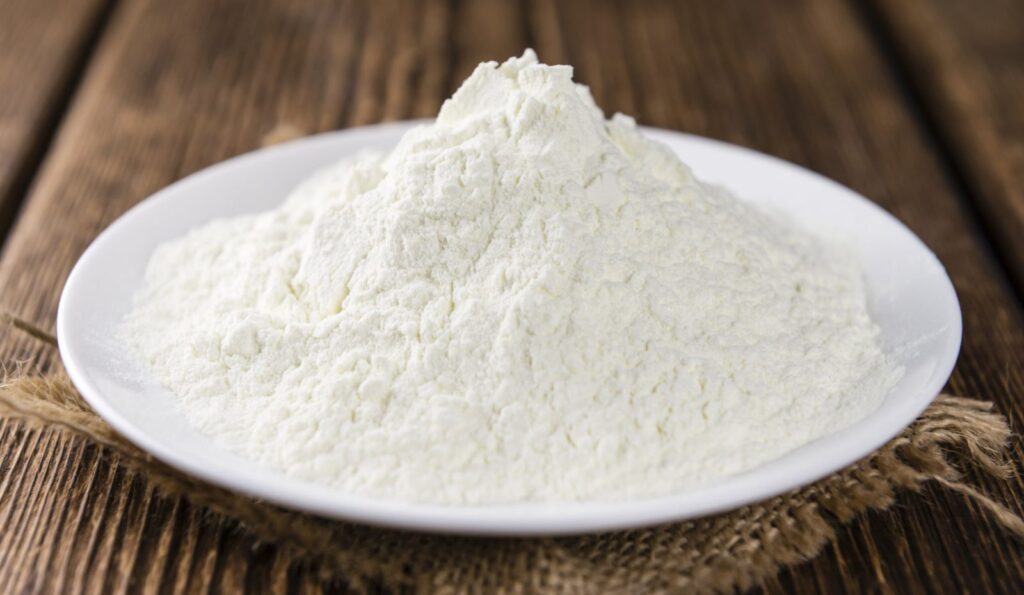
Why Dairy Raw Materials Matter for Libyan Manufacturers
Libya’s food production ecosystem relies heavily on imported dairy ingredients due to limited local dairy processing infrastructure. This creates both opportunity and vulnerability.
A reliable Dairy Raw Materials Supplier Libya becomes essential because it directly influences:
- Product consistency across production batches
- Nutritional labeling accuracy
- Shelf stability in varying climate conditions
- Texture and sensory profile of final products
- Cost efficiency in large-scale production
For example, a bakery using inconsistent milk powder may experience unpredictable dough hydration, leading to variations in bread texture. Similarly, beverage producers may struggle with solubility issues if whey protein quality fluctuates between shipments.
In our collaboration with industrial manufacturers, we have seen how switching to standardized dairy sourcing systems can reduce production variability by up to 20% and significantly improve batch-to-batch consistency.
This is not a marginal improvement—it is a structural upgrade in production reliability.
Core Types of Dairy Raw Materials Used in Industry
To understand sourcing decisions, it is important to break down the functional roles of dairy ingredients in manufacturing.
1. Milk Powders
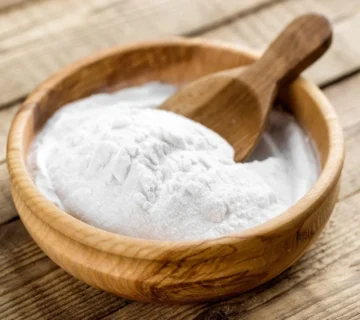
Milk powder is one of the most widely used dairy raw materials in industrial applications. It is valued for:
- Long shelf life
- Ease of transport
- Consistent composition
- Cost-effective storage
Skimmed milk powder is commonly used in low-fat formulations, while full cream milk powder is used for richer taste and texture.
2. Whey-Based Ingredients
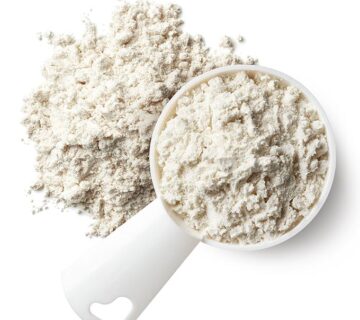
Whey proteins are byproducts of cheese production but have become premium functional ingredients.
They are widely used in:
- Sports nutrition
- Protein-fortified beverages
- Dairy desserts
- Bakery enrichment systems
3. Milk Protein Concentrates (MPC)
MPCs offer a balanced ratio of casein and whey proteins. They are highly valued in:
- Yogurt production
- Cheese formulation
- High-protein dairy beverages
4. Casein and Caseinates
Casein-based ingredients are slow-digesting proteins that provide structure and stability in food systems. They are commonly used in:
- Cheese analogues
- Coffee whiteners
- Nutritional bars
5. Butter Oil and AMF
Anhydrous milk fat is essential for flavor enhancement and fat standardization in bakery and confectionery applications.
6. Lactose and Dairy Permeates
These ingredients are widely used as fillers, flavor carriers, and fermentation substrates in industrial food systems.
Each category requires specific handling, storage, and application knowledge, making supplier expertise essential.
MT Royal’s Role in Dairy Raw Material Supply Chains
In complex industrial ecosystems, reliability is more important than abundance. MT Royal plays a key role by offering diversified access to global dairy raw material sources tailored for industrial manufacturing.
Instead of limiting factories to a single origin, MT Royal provides multiple sourcing options that allow manufacturers to maintain continuity even during global supply fluctuations.
This flexibility is particularly important in Libya, where import logistics can be affected by shipping constraints, currency variations, and regional supply chain disruptions.
We have observed that factories working with multi-origin suppliers experience fewer production stoppages and improved formulation stability over time.
MT Royal focuses not only on supplying ingredients but also on ensuring that procurement teams have the technical clarity needed to select the right dairy material for each application.
Common Mistakes in Dairy Raw Material Sourcing
Even experienced procurement teams sometimes underestimate the complexity of dairy ingredient sourcing. These mistakes can have long-term production consequences.
1. Treating all milk powders as identical
Not all milk powders behave the same. Differences in fat content, protein ratio, and heat treatment significantly affect performance in manufacturing.
2. Ignoring solubility and dispersion properties
Poorly soluble whey or milk powders can cause lump formation and uneven texture in beverages and dairy systems.
3. Overlooking heat stability
Some dairy ingredients degrade or behave unpredictably under high-temperature processing, especially in UHT systems.
4. Focusing only on cost per ton
Lower-cost ingredients may result in higher waste, reprocessing costs, and inconsistent product quality.
5. Weak supplier verification
Factories sometimes fail to evaluate supplier certifications, traceability systems, and batch consistency protocols.
A reliable Dairy Raw Materials Supplier Libya must meet both technical and logistical expectations.
Industrial Trends Shaping Dairy Raw Material Demand in Libya
The dairy ingredient market is undergoing structural transformation globally, and Libya is increasingly influenced by these shifts.
Rising demand for protein-enriched products
Consumers are shifting toward high-protein diets. This has increased demand for whey protein and MPC-based formulations.
Growth of convenience foods
Urban lifestyles are driving demand for ready-to-eat and easy-to-prepare dairy-based products.
Expansion of bakery and confectionery industries
Milk powders and butter oil are increasingly used to enhance flavor and texture in industrial baking.
Clean-label movement
Manufacturers are moving toward simpler ingredient lists, increasing reliance on natural dairy components.
Volatility in global dairy prices
Global milk production cycles and feed costs significantly impact raw material pricing stability.
Technical Considerations for Dairy Ingredient Selection
Choosing the right dairy raw material is both a scientific and operational decision.
Protein content and functionality
Higher protein content does not always mean better performance. The structure and composition of proteins matter just as much.
Heat treatment classification
Ingredients are often categorized based on thermal processing levels, which affect their behavior in UHT and pasteurization systems.
Particle size distribution
Uniform particle size improves solubility and reduces processing issues.
Moisture content control
Excess moisture can lead to clumping, microbial risks, and reduced shelf life.
Storage stability
Dairy powders must be stored under controlled humidity and temperature to maintain functionality.
Practical Comparison of Dairy Raw Material Applications
Instead of rigid tables, it is more useful to understand how these ingredients perform in real industrial environments.
Milk powder is often the foundation of bakery formulations due to its cost efficiency and ability to improve browning and flavor development. It behaves like the “quiet workhorse” of dairy ingredients—unassuming but essential.
Whey protein, in contrast, is a high-performance ingredient. It is used in functional foods and beverages where solubility and nutritional value are key. It is more sensitive but delivers higher added value.
Milk protein concentrates offer a balanced solution, combining functionality and stability. They are widely used in yogurt and dairy drinks where both texture and nutrition matter.
Butter oil is the flavor enhancer. Even small additions can dramatically improve sensory perception in baked goods and confectionery.
Each ingredient plays a distinct role, and selecting the right combination is essential for industrial success.
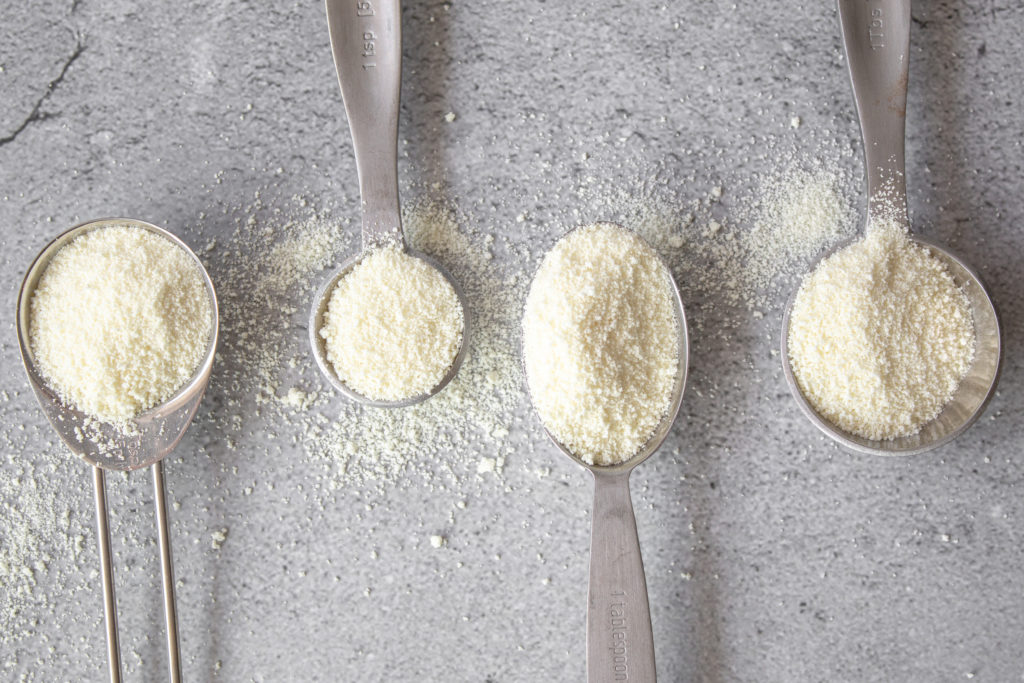
Specialized Tips for Large-Scale Dairy Manufacturing in Libya
Industrial production requires more than just ingredient selection—it requires system thinking.
1. Maintain buffer inventory systems
Due to import lead times, factories should maintain 4–10 weeks of safety stock for critical dairy ingredients.
2. Standardize supplier specifications
Even small differences between suppliers can cause formulation drift over time.
3. Conduct pilot testing before full integration
New dairy ingredients should always be tested at pilot scale before full production.
4. Monitor hydration and mixing behavior
Proper dispersion is essential for preventing texture inconsistencies.
5. Diversify sourcing strategies
Relying on a single origin increases vulnerability. Multi-sourcing reduces risk exposure.
Frequently Asked Questions from Procurement Teams
What is the most commonly used dairy raw material in Libya?
Milk powder remains the most widely used due to its versatility and storage stability.
How do I ensure consistent dairy ingredient quality?
Request full technical documentation, including certificates of analysis and batch traceability reports.
What causes variation in dairy product performance?
Differences in heat treatment, protein composition, and particle size are common causes.
Can one supplier provide all dairy raw materials?
Yes, but the supplier must have access to multiple global sourcing channels to ensure stability and flexibility.
How important is technical support from suppliers?
Extremely important. Dairy ingredients are sensitive, and small formulation errors can lead to large production issues.
Final Perspective for Industrial Decision Makers
Selecting a Dairy Raw Materials Supplier Libya is not simply about purchasing ingredients—it is about building a stable production foundation that can withstand market fluctuations, supply chain disruptions, and evolving consumer expectations.
In modern manufacturing, raw materials define the boundaries of product quality. A factory can only perform as well as its ingredient ecosystem allows. This is why procurement is no longer a back-office function—it is a strategic production discipline.
By working with experienced partners such as MT Royal, manufacturers gain not just access to ingredients, but access to consistency, technical understanding, and supply chain resilience.
In an industry where small variations create large competitive differences, the right dairy sourcing strategy becomes the invisible force behind every successful product on the shelf.
LATAMARKO LM60 – Premium Spanish-Origin Cocoa Powder
latamarko alkalized cocoa powder lm60
cocoa powder for chocolate production-Best price
Food industry raw materials – list of products

No comment