

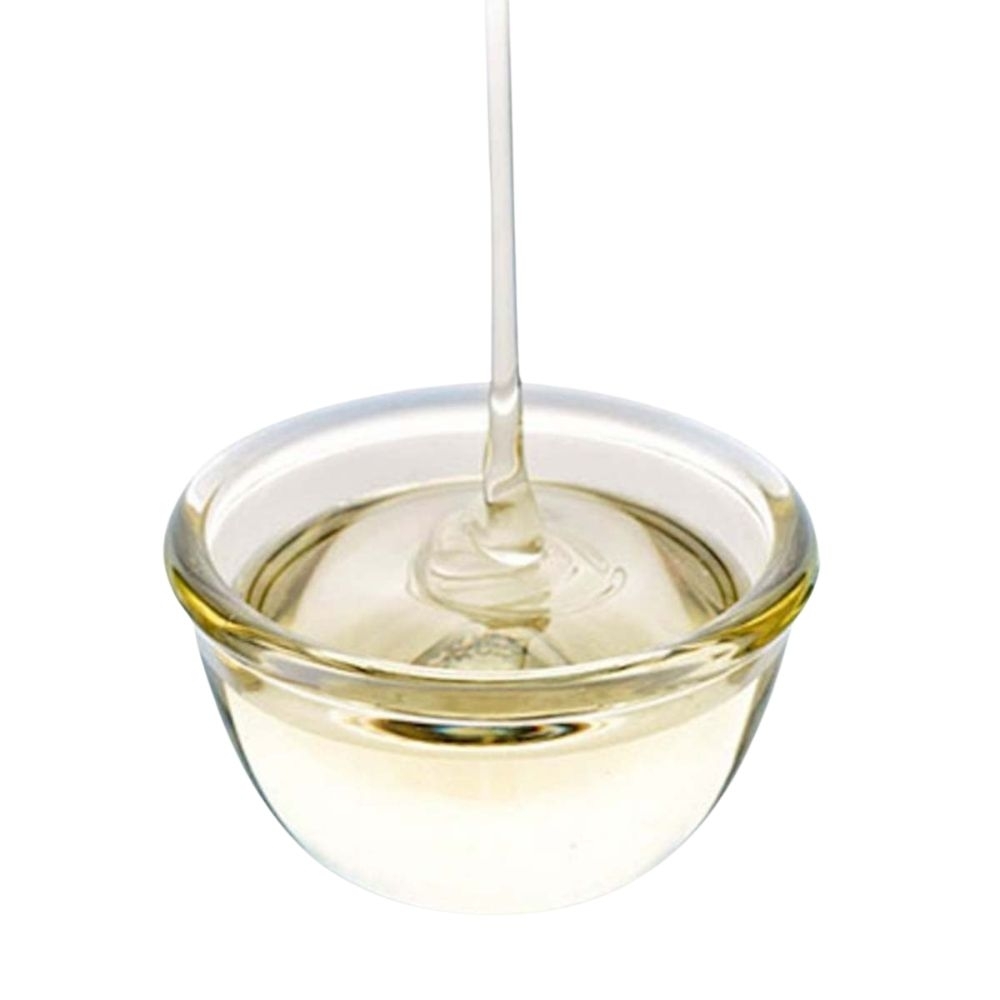
In modern food manufacturing, the difference between a successful product and an average one often comes down to the quality of a few critical ingredients. Among these, glucose syrup plays a remarkably important role across confectionery, beverages, bakery products, dairy applications, pharmaceuticals, and processed foods. If your factory is searching for a reliable Glucose Syrup Supplier Libya, making the right sourcing decision can influence production efficiency, product quality, shelf life, and ultimately profitability.
Many manufacturers across Libya are increasingly evaluating suppliers such as MT Royal because they provide access to multiple international brands, consistent product availability, competitive pricing, and technical support that helps procurement teams make informed decisions. In industrial manufacturing, purchasing is no longer simply about finding the lowest price. It is about securing ingredients that perform consistently every day on the production floor.
Whether you manufacture candies, biscuits, soft drinks, jams, dairy desserts, pharmaceutical syrups, or specialty food products, understanding the technical, commercial, and logistical aspects of glucose syrup sourcing can help your business reduce risks while improving product performance. This comprehensive guide explores everything factory managers, procurement specialists, production engineers, and business owners need to know about selecting a Glucose Syrup Supplier Libya and optimizing industrial procurement strategies.
LATAMARKO LM60 – Premium Spanish-Origin Cocoa Powder
latamarko alkalized cocoa powder lm60
cocoa powder for chocolate production-Best price
Food industry raw materials – list of products
Understanding Glucose Syrup and Its Industrial Importance
Glucose syrup is a purified and concentrated carbohydrate solution produced through the hydrolysis of starch. The starch source is typically corn, wheat, potato, rice, or cassava, depending on regional production capabilities and intended applications.
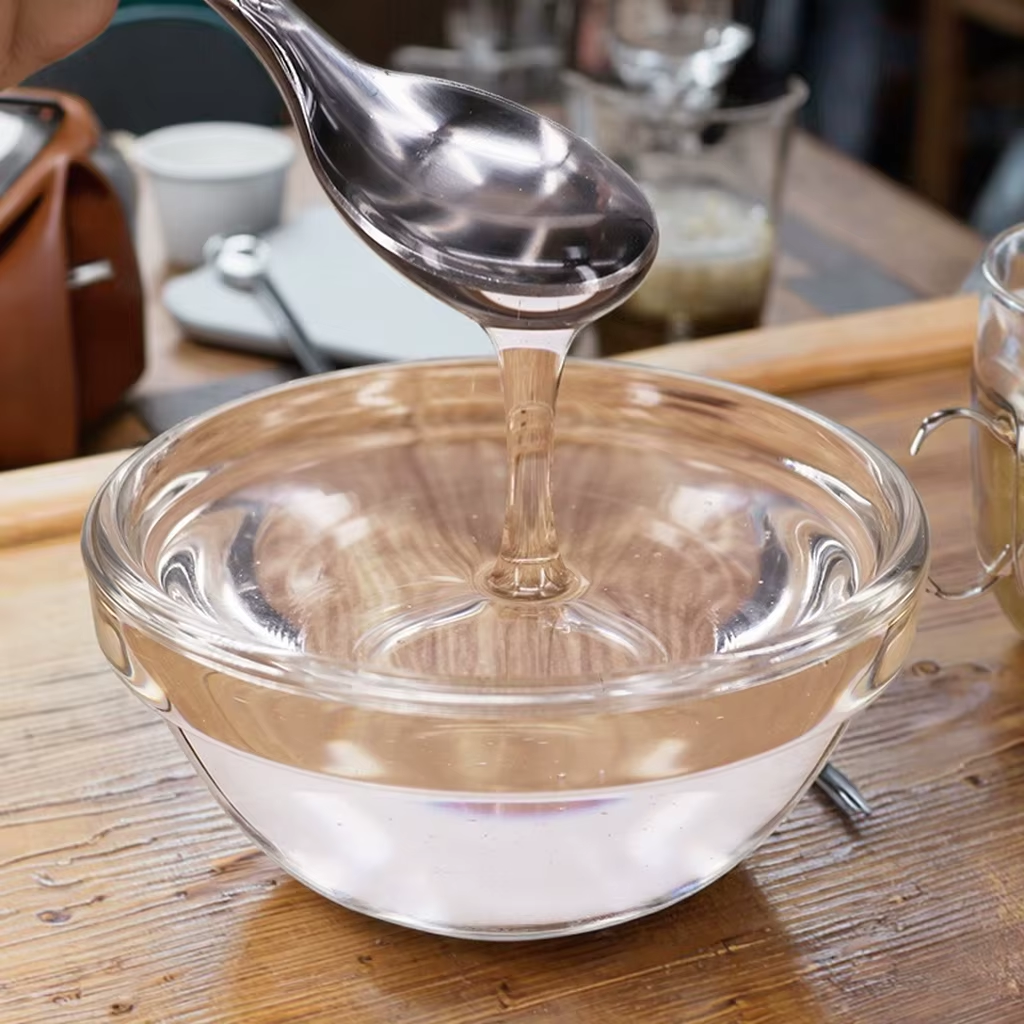
Unlike standard sugar, glucose syrup offers multiple functional benefits beyond sweetness. It influences texture, moisture retention, viscosity, crystallization control, freezing behavior, and shelf stability.
For manufacturers, glucose syrup is less like a sweetener and more like a production tool. Much like a skilled conductor coordinating an orchestra, glucose syrup helps various ingredients work together harmoniously within a formulation.
Basic Composition of Glucose Syrup
The composition typically includes:
- Glucose
- Maltose
- Higher saccharides
- Water
- Trace minerals
The exact composition varies according to the manufacturing process and dextrose equivalent (DE) value.
What Is Dextrose Equivalent (DE)?
One of the most important specifications when purchasing glucose syrup is the DE value.
DE measures the degree of starch hydrolysis and directly impacts:
- Sweetness
- Viscosity
- Fermentability
- Hygroscopicity
- Browning characteristics
Lower DE syrups generally provide lower sweetness and higher viscosity, while higher DE syrups offer greater sweetness and lower viscosity.
Understanding DE values allows manufacturers to select the most appropriate syrup for their production requirements.

Why Demand for Glucose Syrup in Libya Continues to Increase
The Libyan food manufacturing industry has experienced gradual modernization and diversification in recent years. This development has significantly increased demand for industrial sweeteners and functional carbohydrate ingredients.
Several factors contribute to the growing importance of the Glucose Syrup Supplier Libya market.
Expansion of the Confectionery Industry
Candy, toffee, caramel, chewing gum, and chocolate manufacturers rely heavily on glucose syrup to prevent crystallization and improve texture.
Without glucose syrup, many confectionery products would lose the smooth consistency consumers expect.
Growth of Beverage Manufacturing
The beverage sector increasingly utilizes glucose-based sweetening systems for:
- Soft drinks
- Energy beverages
- Flavored syrups
- Concentrates
- Nutritional drinks
Increasing Bakery Production
Industrial bakeries use glucose syrup to enhance:
- Moisture retention
- Shelf life
- Product softness
- Browning performance
Development of Processed Food Industries
Convenience foods, sauces, fillings, and ready-to-eat products frequently incorporate glucose syrup for functional and economic advantages.
Rising Demand for Cost Optimization
Manufacturers continuously seek ingredients that improve product performance while supporting cost efficiency. Glucose syrup often provides an effective balance between functionality and economic value.
Essential Criteria When Selecting a Glucose Syrup Supplier Libya
Choosing the right supplier involves much more than comparing prices.
Product Consistency
Factories depend on repeatable performance.
A reliable glucose syrup supplier should deliver products with consistent:
- DE value
- Dry solids content
- Viscosity
- Color
- Microbiological quality
Even minor variations can create significant production challenges.
Supply Reliability
Production schedules cannot be paused because an ingredient shipment failed to arrive.
A dependable Glucose Syrup Supplier Libya should maintain strong inventory planning and logistics capabilities.
Technical Documentation
Professional suppliers provide:
- Technical Data Sheets
- Certificates of Analysis
- Product Specifications
- Regulatory Documentation
- Safety Information
Quality Certifications
Important certifications may include:
- HACCP
- ISO standards
- Food safety certifications
- Halal certification
Market Knowledge
Experienced suppliers understand the practical realities of food manufacturing and can help customers select appropriate grades for specific applications.
Common Sourcing Mistakes Manufacturers Should Avoid
Choosing Based Solely on Price
This remains one of the most frequent procurement mistakes.
A lower-priced syrup may result in:
- Lower production yields
- Increased waste
- Quality inconsistencies
- Customer complaints
A slightly higher ingredient cost often produces a lower total production cost.
Ignoring Functional Performance
Not all glucose syrups behave identically.
Procurement teams should assess:
- Viscosity
- Processing characteristics
- Sweetness profile
- Water activity impact
- Stability under production conditions
Inadequate Supplier Evaluation
A supplier’s capabilities should be assessed carefully before entering long-term purchasing agreements.
Lack of Production Trials
Successful manufacturers test ingredients under actual production conditions rather than relying solely on laboratory data.
Overlooking Logistics Risks
International sourcing requires consideration of:
- Shipping timelines
- Storage conditions
- Import documentation
- Supply chain disruptions
How Glucose Syrup Influences Product Quality
Texture Development
Texture significantly impacts consumer perception.
Glucose syrup contributes to:
- Smoothness
- Elasticity
- Softness
- Viscosity control
Moisture Management
Many food products benefit from glucose syrup’s ability to retain moisture.
This helps:
- Extend shelf life
- Prevent drying
- Improve freshness perception
Crystallization Control
One of glucose syrup’s most valuable functions is controlling unwanted sugar crystallization.
This is particularly important in:
- Candy
- Fillings
- Frostings
- Syrups
Color and Appearance
Glucose syrup can influence browning reactions and overall visual appeal.
Consumers often make purchasing decisions within seconds based on appearance alone.
Industrial Procurement Strategies for Large-Scale Manufacturers
Establish Long-Term Supplier Relationships
Strong supplier partnerships often provide:
- Better pricing stability
- Priority allocation during shortages
- Improved communication
- Technical support
Monitor Market Trends
Global starch and sweetener markets are influenced by:
- Agricultural yields
- Energy costs
- Weather conditions
- International trade policies
Proactive monitoring supports better purchasing decisions.
Maintain Strategic Inventory
Inventory management requires balancing:
- Working capital
- Storage costs
- Supply security
Too much inventory creates financial inefficiencies, while too little increases production risk.
Evaluate Total Cost of Ownership
The true cost of an ingredient includes:
- Purchase price
- Freight
- Yield performance
- Waste levels
- Quality impact
Leading procurement teams focus on total value rather than invoice price alone.
Emerging Trends Shaping the Glucose Syrup Market
Growth of Functional Foods
Manufacturers increasingly develop products with enhanced nutritional and functional characteristics.
Advanced Formulation Techniques
Food scientists continue exploring new combinations of sweeteners and carbohydrates to optimize product performance.
Improved Supply Chain Transparency
Manufacturers increasingly demand greater visibility regarding ingredient sourcing and production practices.
Sustainability Initiatives
Global ingredient producers are investing in:
- Energy efficiency
- Water conservation
- Carbon reduction
- Sustainable agriculture
These initiatives increasingly influence supplier selection decisions.
Demand for Specialized Sweetening Solutions
Rather than using one ingredient across all products, manufacturers increasingly select customized syrup specifications based on specific applications.
Why Many Manufacturers Work with MT Royal
For companies seeking a reliable Glucose Syrup Supplier Libya, supplier expertise can be as important as the ingredient itself.
MT Royal has established itself as a trusted sourcing partner by offering access to multiple internationally recognized brands while helping manufacturers identify products that align with operational requirements.
In our collaboration with food manufacturers, we have seen that the most successful procurement decisions are based on performance, consistency, and long-term value rather than temporary market fluctuations.
Because different production processes require different syrup characteristics, access to multiple supplier options enables factories to select products that best fit their formulations and manufacturing objectives.
We often observe that factories achieve meaningful improvements in efficiency simply by refining ingredient specifications rather than investing in major equipment upgrades.
Another benefit of working with an experienced sourcing partner is access to market intelligence. Understanding global supply conditions can help procurement teams make more strategic purchasing decisions.
Specialized Tips for Production Managers
Measure Ingredient Performance Beyond Sweetness
Glucose syrup affects many product characteristics beyond flavor.
Evaluate:
- Texture
- Shelf life
- Moisture retention
- Processability
Maintain Supplier Scorecards
Track supplier performance using measurable indicators such as:
- Delivery reliability
- Product consistency
- Documentation accuracy
- Technical responsiveness
Conduct Regular Formulation Reviews
Production requirements evolve over time.
Periodic reviews can identify opportunities to improve efficiency and reduce costs.
Train Procurement and Technical Teams Together
Some of the best sourcing decisions occur when purchasing and production departments collaborate closely.
Use Data-Driven Procurement
Historical production data often reveals sourcing opportunities that are not immediately obvious.
We have seen factories significantly improve profitability by analyzing ingredient performance trends over several years rather than focusing solely on monthly purchasing costs.
Frequently Asked Questions About Glucose Syrup Supplier Libya
What industries use glucose syrup most frequently?
Confectionery, bakery, beverage, dairy, pharmaceutical, and processed food industries are among the largest users.
How should glucose syrup be stored?
Storage conditions should follow supplier recommendations, typically involving controlled temperatures and proper hygiene practices.
What is the most important specification when purchasing glucose syrup?
The appropriate specification depends on the application, but DE value, solids content, viscosity, and microbiological quality are generally critical parameters.
Can one glucose syrup grade be used for every application?
Not always. Different products require different functional characteristics, making application-specific selection important.
How can manufacturers reduce sourcing risks?
Working with experienced suppliers, diversifying sourcing strategies, maintaining inventory visibility, and monitoring market conditions can significantly reduce procurement risks.
Why is supplier experience important?
Experienced suppliers often provide technical insights, market knowledge, and logistical support that contribute to smoother operations.
How often should supplier performance be reviewed?
Most industrial manufacturers conduct regular evaluations based on quality, delivery performance, responsiveness, and overall value contribution.
Building a Competitive Advantage Through Smarter Glucose Syrup Sourcing
In today’s manufacturing environment, ingredient sourcing has evolved into a strategic business function. The choice of a Glucose Syrup Supplier Libya influences far more than procurement budgets. It affects production consistency, product quality, customer satisfaction, operational efficiency, and long-term competitiveness.
Factories that approach glucose syrup procurement strategically often discover opportunities hidden beneath the surface of routine purchasing decisions. The right supplier provides not only a raw material but also reliability, technical understanding, supply chain resilience, and access to solutions that support growth.
The most successful manufacturers recognize that every batch produced begins long before ingredients enter the mixing tank. It begins with sourcing decisions. When glucose syrup is selected carefully, supported by strong supplier relationships and aligned with production goals, it becomes more than an ingredient—it becomes a quiet but powerful contributor to manufacturing excellence.



No comment