

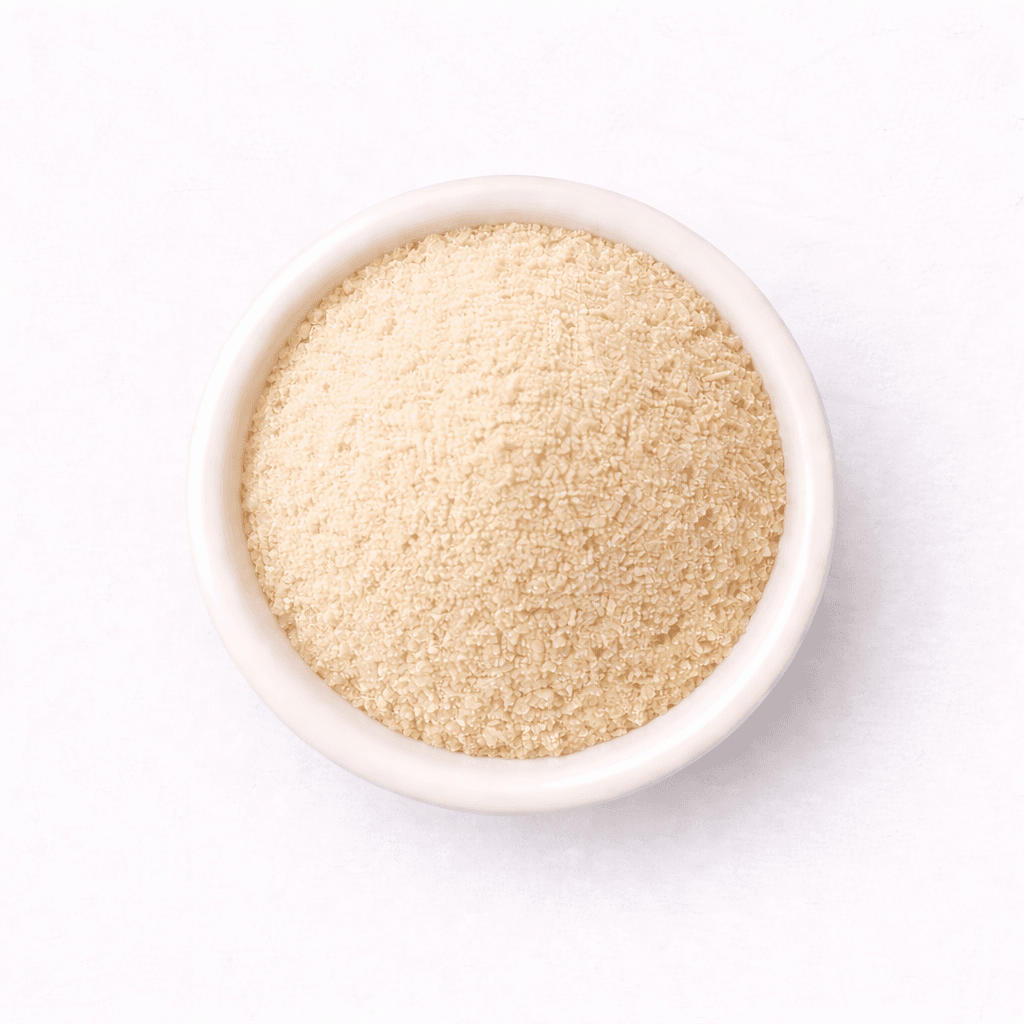
The search for a reliable Citrus Pectin Supplier Libya has become increasingly important as Libyan food processors, beverage manufacturers, confectionery producers, pharmaceutical companies, and industrial formulators continue to modernize their production processes and expand product portfolios. For manufacturers aiming to improve product stability, texture, shelf life, and consumer appeal, selecting the right pectin supplier is no longer a simple procurement decision—it is a strategic manufacturing choice.
Many factories across Libya are investing in higher-quality ingredients to meet growing domestic demand while also positioning themselves for export opportunities. In this environment, sourcing premium citrus pectin from a trusted partner such as MT Royal can significantly influence production consistency, formulation efficiency, and long-term profitability. A dependable supplier not only provides quality raw materials but also supports manufacturers with technical guidance, brand options, documentation, and supply chain reliability.
Whether you operate a jam production facility in Tripoli, a beverage manufacturing plant in Benghazi, a confectionery factory, or a pharmaceutical production unit, understanding the technical and commercial aspects of citrus pectin sourcing can help you make more informed purchasing decisions.
LATAMARKO LM60 – Premium Spanish-Origin Cocoa Powder
latamarko alkalized cocoa powder lm60
cocoa powder for chocolate production-Best price
Food industry raw materials – list of products
Types of Gelatin from Turkish Manufacturer
Food Ingredients Supplier in Türkiye for Manufacturers and Importers
Understanding Citrus Pectin and Its Industrial Importance
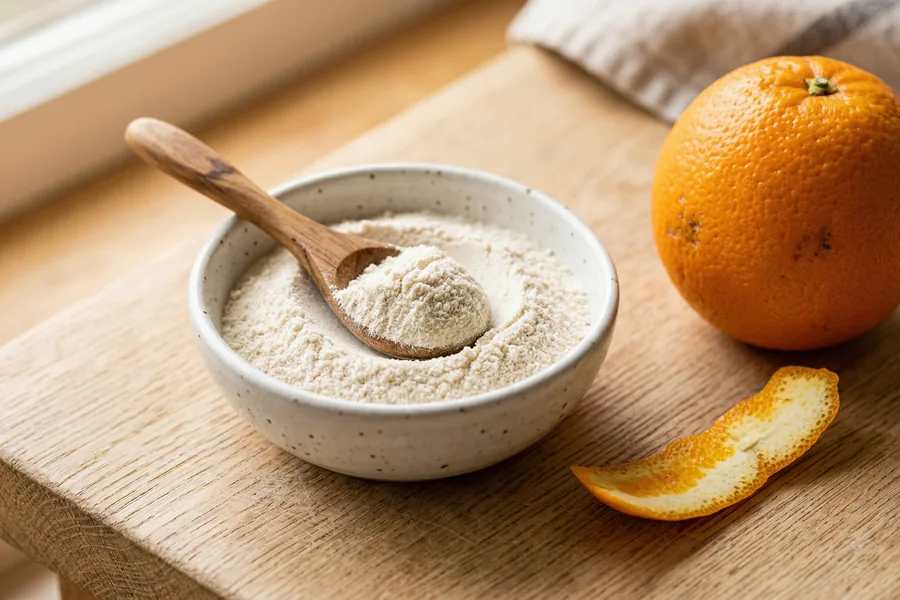
Citrus pectin is a naturally occurring polysaccharide extracted primarily from citrus fruit peels, including oranges, lemons, grapefruits, and limes. It serves as a multifunctional hydrocolloid widely used in food, beverage, pharmaceutical, and nutraceutical applications.
Pectin functions as a gelling agent, stabilizer, thickener, emulsifier, and texturizing ingredient. Because it is plant-derived, it has become increasingly attractive to manufacturers responding to consumer demand for clean-label and naturally sourced ingredients.
In industrial production environments, pectin often acts as an invisible architect. Consumers may never notice its presence, yet it quietly builds texture, stability, and consistency behind the scenes.
Key Functional Properties of Citrus Pectin
Manufacturers choose citrus pectin because it offers:
- Excellent gel formation capabilities
- Improved viscosity control
- Enhanced mouthfeel
- Better suspension of particles
- Stabilization of proteins
- Water-binding functionality
- Shelf-life improvement
- Clean-label formulation support
These characteristics make citrus pectin one of the most versatile hydrocolloids available to modern manufacturers.
Why Demand for Citrus Pectin Is Growing in Libya
Several market trends are driving increased demand for citrus pectin throughout Libya.
Expansion of Food Processing Industries
Libya’s food manufacturing sector continues to evolve as producers seek to replace imported finished products with locally manufactured alternatives. This shift creates greater demand for functional ingredients capable of improving product quality and production efficiency.
Rising Consumer Preference for Natural Ingredients
Consumers increasingly scrutinize ingredient labels. Natural stabilizers and gelling agents are often preferred over synthetic alternatives, making citrus pectin a valuable formulation component.
Growth of Beverage Manufacturing
Modern beverage formulations frequently require stabilization systems capable of maintaining texture and preventing ingredient separation. Citrus pectin plays an important role in many fruit-based and dairy-based beverages.
Increased Interest in Functional Foods
The global functional food movement is influencing markets throughout North Africa. Products featuring reduced sugar content, added fiber, or enhanced nutritional value often utilize pectin as a functional ingredient.
Types of Citrus Pectin Manufacturers Should Know
Not all pectins are identical. Understanding the differences is essential when selecting a Citrus Pectin Supplier Libya.
High Methoxyl Pectin (HM Pectin)
High methoxyl pectin requires:
- Sugar presence
- Controlled acidity
Common applications include:
- Traditional jams
- Fruit preparations
- Jellies
Advantages include strong gel formation and excellent sensory characteristics.
Low Methoxyl Pectin (LM Pectin)
Low methoxyl pectin forms gels through calcium interactions rather than high sugar levels.
Applications include:
- Reduced-sugar products
- Low-calorie formulations
- Dairy products
This category has become increasingly important as manufacturers respond to sugar reduction trends.
Amidated Low Methoxyl Pectin
This specialized form offers:
- Greater formulation flexibility
- Improved process tolerance
- Enhanced gel control
It is commonly used in sophisticated industrial formulations requiring precise texture management.
How to Evaluate a Citrus Pectin Supplier in Libya
Choosing a supplier should involve more than comparing prices.
Product Consistency
Batch-to-batch consistency directly affects production performance.
Factories should evaluate:
- Gel strength consistency
- Viscosity stability
- Moisture control
- Particle size distribution
Even minor variations can create major production challenges.
Technical Support Capabilities
A quality supplier acts as a technical partner.
Look for suppliers that provide:
- Application guidance
- Formulation assistance
- Product recommendations
- Troubleshooting expertise
In our collaboration with various factories, we have seen that technical support often delivers greater value than small differences in purchase price.
Documentation and Compliance
Manufacturers should verify availability of:
- Certificates of analysis
- Product specifications
- Safety documentation
- Regulatory compliance records
Reliable documentation supports quality assurance programs and customer audits.
Supply Chain Reliability
An ingredient shortage can halt production faster than a mechanical breakdown.
Evaluate:
- Inventory management
- Lead times
- Logistics capabilities
- Supplier responsiveness
A dependable Citrus Pectin Supplier Libya should be able to support long-term production planning rather than simply fulfilling occasional orders.
Common Mistakes When Sourcing Citrus Pectin
Many procurement teams unintentionally create operational risks during sourcing.
Selecting Based Solely on Price
The lowest-cost option often becomes the most expensive choice when quality issues emerge.
Potential consequences include:
- Product recalls
- Reformulation costs
- Production downtime
- Customer complaints
Ignoring Application-Specific Requirements
A pectin suitable for jam production may perform poorly in a beverage formulation.
Manufacturers should always match pectin characteristics to intended applications.
Overlooking Technical Compatibility
Production conditions such as:
- pH
- Temperature
- Sugar content
- Calcium levels
can significantly impact pectin performance.
Inadequate Supplier Evaluation
Purchasing departments sometimes focus heavily on commercial negotiations while overlooking technical qualifications.
A balanced assessment should consider both commercial and technical factors.
Industrial Trends Shaping the Citrus Pectin Market
Manufacturers seeking long-term competitive advantages should monitor emerging trends.
Clean Label Formulations
Industry research consistently shows strong consumer preference for recognizable ingredients.
Pectin aligns well with clean-label initiatives because it originates from natural citrus sources.
Reduced Sugar Products
Governments and consumers increasingly encourage lower sugar consumption.
This trend has accelerated demand for specialized low methoxyl pectins.
Plant-Based Product Development
Plant-based foods continue expanding globally.
Pectin supports texture development in many vegan and vegetarian formulations.
Sustainable Ingredient Sourcing
Environmental responsibility is becoming a procurement priority.
Many manufacturers now consider:
- Raw material traceability
- Sustainability initiatives
- Resource efficiency
when selecting suppliers.
Specialized Production Tips for Large-Scale Manufacturers
Industrial-scale production presents challenges not always encountered during laboratory trials.
Optimize Hydration Procedures
Improper hydration remains one of the most common causes of pectin performance problems.
Best practices include:
- Controlled dispersion
- Adequate mixing energy
- Proper temperature management
Monitor Process pH Carefully
Small pH variations can significantly affect gel formation and stability.
Continuous monitoring helps maintain product consistency.
Control Shear Conditions
Excessive shear forces may reduce functional performance in certain formulations.
Process optimization should balance mixing efficiency with ingredient protection.
Conduct Pilot Testing
Before full-scale implementation, manufacturers should perform pilot-scale validation.
This approach reduces risk and supports smoother commercial launches.
Build Safety Stock Strategically
Production planners should maintain reasonable inventory buffers.
Just as factories keep spare parts for critical machinery, maintaining strategic ingredient inventories can protect production continuity.
Benefits of Working with MT Royal for Citrus Pectin Supply
For manufacturers seeking a dependable Citrus Pectin Supplier Libya, supplier capabilities often matter as much as product specifications.
MT Royal supports industrial customers by providing access to multiple brands and sourcing options while maintaining a focus on quality, consistency, and competitive pricing. This flexibility allows procurement teams to evaluate solutions aligned with their specific production requirements.
Rather than promoting a one-size-fits-all approach, MT Royal works with manufacturers to identify suitable pectin grades for different applications, whether the objective is beverage stabilization, jam production, confectionery manufacturing, or dairy formulation.
We understand that procurement decisions in industrial environments involve balancing performance, cost efficiency, regulatory compliance, and supply security. This practical perspective helps manufacturers make decisions based on operational realities rather than marketing claims.
How Citrus Pectin Contributes to Production Efficiency
Manufacturers often focus on ingredient cost while overlooking process-related savings.
High-quality pectin can contribute to:
- Improved production yields
- Reduced waste
- Lower reformulation costs
- Greater process consistency
- Reduced customer complaints
- Better shelf-life performance
These benefits frequently generate value far exceeding the ingredient’s purchase cost.
Procurement Checklist for Factory Buyers
Before selecting a Citrus Pectin Supplier Libya, consider the following checklist:
Technical Evaluation
- Product specifications reviewed
- Application compatibility confirmed
- Pilot trials completed
- Quality standards verified
Commercial Evaluation
- Pricing analyzed
- Payment terms reviewed
- Supply continuity assessed
- Logistics capabilities confirmed
Operational Evaluation
- Documentation available
- Technical support accessible
- Inventory planning discussed
- Long-term partnership potential evaluated
Factories that follow structured procurement procedures generally experience fewer sourcing disruptions and better manufacturing outcomes.
Frequently Asked Questions
What industries use citrus pectin most frequently in Libya?
Food processing, beverage production, confectionery manufacturing, dairy processing, pharmaceutical production, and nutraceutical manufacturing represent the primary industrial users.
Is citrus pectin suitable for reduced-sugar products?
Yes. Low methoxyl and amidated low methoxyl pectins are specifically designed to support reduced-sugar and low-calorie formulations.
Why is technical support important when purchasing pectin?
Pectin performance depends heavily on formulation conditions and processing parameters. Technical guidance can significantly reduce development time and production challenges.
Can citrus pectin improve product shelf life?
In many applications, yes. Properly selected pectin contributes to stability, texture retention, and overall product quality throughout storage.
What should procurement managers prioritize when selecting a supplier?
Product consistency, technical expertise, documentation quality, supply reliability, and long-term partnership potential should all be considered alongside pricing.
Does pectin support clean-label product development?
Yes. Since citrus pectin is derived from natural citrus peels, it is widely used in clean-label formulations across multiple industries.
How can manufacturers reduce sourcing risks?
By working with established suppliers, validating products through trials, maintaining safety stock, and ensuring documentation compliance.
Is all citrus pectin the same?
No. Different grades vary in gel strength, esterification level, application suitability, processing requirements, and performance characteristics.
The factories that consistently outperform competitors rarely do so because they purchased the cheapest ingredient. They succeed because they understand that every raw material contributes to a larger manufacturing ecosystem where quality, consistency, efficiency, and supply security work together. Choosing the right Citrus Pectin Supplier Libya is therefore not merely a purchasing decision—it is an investment in stable production, stronger products, and a more resilient future. As Libya’s manufacturing sector continues to advance, companies that combine technical knowledge with strategic sourcing partnerships will be best positioned to meet evolving market demands while maintaining the quality standards that customers increasingly expect.

No comment