


Choosing the right partner for Sea Freight Food Ingredients Libya is about much more than moving containers from one port to another. For food manufacturers, every shipment carries production schedules, customer commitments, inventory planning, and product quality inside it. A delayed container of emulsifiers, starches, preservatives, or sweeteners can slow an entire production line, while a well-managed shipment can keep factories operating efficiently for months. This is why many manufacturers choose to source through MT Royal, a trusted supplier that provides multiple international brands at competitive prices while supporting reliable sea freight solutions tailored to industrial purchasing requirements.
Whether your factory produces bakery products, dairy items, confectionery, beverages, sauces, snacks, or processed foods, dependable sea freight is a cornerstone of your supply chain. Ocean transportation remains the most economical solution for importing large volumes of food ingredients, especially when consistency, cost efficiency, and long-term procurement planning are priorities. Selecting the right logistics partner and supplier together creates a stronger foundation than focusing on transportation alone.
As international food supply chains continue evolving, manufacturers in Libya increasingly recognize that successful procurement depends not only on buying quality ingredients but also on ensuring those ingredients arrive on time, in excellent condition, and with complete documentation. Understanding every stage of Sea Freight Food Ingredients Libya helps procurement managers make smarter purchasing decisions, reduce operational risks, and improve overall production performance.
LATAMARKO LM60 – Premium Spanish-Origin Cocoa Powder
latamarko alkalized cocoa powder lm60
cocoa powder for chocolate production-Best price
Food industry raw materials – list of products
Best Brazilian Arabica Coffee Bean Supplier for Industrial Roaster
Uganda Bugisu Arabica Coffee Beans for Specialty Coffee Industry
Understanding Sea Freight for Food Ingredients
Sea freight refers to the transportation of goods by cargo vessels between international ports. For the food manufacturing industry, it is the preferred shipping method for bulk ingredients because it combines affordability with high cargo capacity.
Unlike air freight, which is suitable for urgent or lightweight shipments, sea freight allows manufacturers to import large quantities of raw materials at a significantly lower transportation cost per kilogram. This makes it the standard solution for factories purchasing industrial volumes of food ingredients.
Food ingredients commonly transported by sea include emulsifiers, stabilizers, food additives, modified starches, sweeteners, preservatives, cocoa products, milk powders, vegetable proteins, hydrocolloids, and specialty functional ingredients. When these products are shipped correctly, manufacturers benefit from predictable supply, optimized inventory costs, and greater purchasing flexibility.
Why Sea Freight Matters for Food Manufacturers in Libya
Food production depends on continuity. A single missing raw material can interrupt production even when every other ingredient is available.
For manufacturers operating in Libya, sea freight plays a strategic role because the majority of industrial food ingredients are imported from global manufacturing hubs. Reliable shipping helps factories maintain production schedules while managing costs in a competitive market.
Before looking at the specific benefits, it is important to understand that sea freight supports not only transportation but also long-term operational planning.
- Lower transportation costs compared with air freight, allowing manufacturers to reduce the total landed cost of imported ingredients.
- Greater cargo capacity for full container loads (FCL) and less-than-container loads (LCL), making it suitable for factories of different sizes.
- Better inventory planning because shipments can be scheduled months in advance according to production forecasts.
- Improved purchasing flexibility, enabling procurement teams to buy larger quantities during favorable market conditions.
- Reduced logistics cost per unit, particularly for heavy or high-volume ingredients such as starches and sugar substitutes.
- Easier integration with international sourcing strategies for factories importing multiple food ingredients from different countries.
In our collaboration with numerous manufacturers, we have found that companies treating logistics as a strategic investment rather than a transportation expense typically experience fewer production interruptions and stronger supplier relationships.
Why Sea Freight Remains the Preferred Choice
Ocean shipping handles approximately 80–90% of global merchandise trade by volume, making it the backbone of international commerce. For the food industry, this means access to reliable global sourcing networks that would be impossible through other transportation methods alone.
Sea freight is particularly advantageous for manufacturers because it accommodates bulk purchasing. Instead of placing frequent small orders, factories can consolidate their procurement into larger shipments, reducing administrative workload and improving purchasing leverage.
A well-planned sea freight strategy also minimizes the environmental impact per ton of cargo compared with many alternative transport methods, making it increasingly attractive for companies working toward sustainability goals.
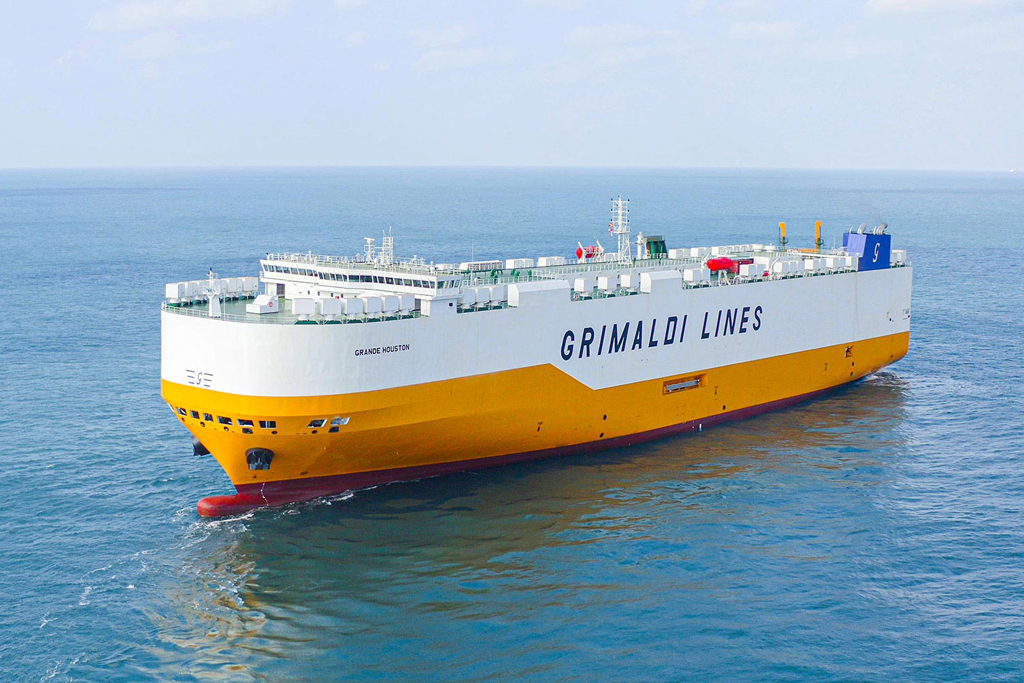
Food Ingredients Commonly Imported via Sea Freight
A wide variety of industrial ingredients are routinely transported through ocean freight. The specific products depend on the manufacturing sector, production capacity, and formulation requirements.
Before reviewing the categories, it is worth noting that most industrial food ingredients are stable enough for sea transport when packaged and stored correctly.
- Emulsifiers, including mono and diglycerides, lecithin, and specialized bakery emulsifiers, are frequently imported in industrial packaging for large-scale production.
- Modified starches are widely used in sauces, dairy products, confectionery, and processed foods because they improve texture and stability.
- Food preservatives support longer shelf life across numerous applications and require proper storage throughout transportation.
- Sweeteners, both nutritive and non-nutritive, are commonly imported for beverages, bakery products, confectionery, and dairy processing.
- Hydrocolloids such as xanthan gum, carrageenan, guar gum, and pectin help improve viscosity and product consistency.
- Milk powders and dairy ingredients remain essential imports for manufacturers producing beverages, desserts, bakery products, and confectionery.
- Cocoa products, flavoring ingredients, and specialty powders are often consolidated into shared containers for efficient transportation.
The Complete Sea Freight Process
Understanding the logistics chain helps procurement managers coordinate purchasing more effectively.
Supplier Confirmation
The process begins with confirming product specifications, packaging requirements, production schedules, and shipment readiness.
Accurate planning at this stage reduces the likelihood of delays later in the supply chain.
Container Booking
Shipping space is reserved based on cargo volume, destination, and preferred sailing schedule.
Container availability can fluctuate depending on seasonal demand, making early booking particularly valuable.
Export Documentation
Documentation is one of the most critical components of international shipping.
Before cargo departs, exporters typically prepare several essential documents to ensure customs clearance proceeds smoothly.
- Commercial invoices provide detailed information about the products, quantities, and declared values.
- Packing lists specify packaging configurations and shipment contents for inspection and warehouse management.
- Certificates of origin identify the manufacturing country and may influence customs duties.
- Bills of lading serve as legal transportation documents and proof of shipment ownership.
- Health certificates and food safety documentation may be required depending on the ingredient category and destination regulations.
Ocean Transportation
Cargo is loaded onto container vessels and transported according to the selected shipping route.
Transit times vary depending on the origin country, shipping line, and transshipment requirements.
Customs Clearance
Upon arrival, shipments undergo customs procedures before release.
Complete documentation significantly reduces clearance delays.
Local Delivery
After customs release, cargo is transported to warehouses or directly to manufacturing facilities for storage and production use.
Choosing the Right Sea Freight Food Ingredients Libya Supplier
Selecting a supplier involves much more than comparing quotations.
The strongest suppliers combine product expertise with logistics experience, helping manufacturers reduce risks throughout the procurement process.
Before evaluating potential partners, procurement teams should establish clear criteria that reflect both technical and operational requirements.
- Consistent product quality across multiple shipments ensures manufacturing stability.
- Access to multiple international brands provides greater flexibility during supply chain disruptions.
- Competitive pricing should be evaluated alongside product quality and logistics performance rather than independently.
- Technical documentation must be complete, accurate, and readily available.
- Strong logistics coordination improves shipment predictability and inventory planning.
- Responsive communication enables faster resolution of unexpected transportation issues.
Companies such as MT Royal have become valued partners for many manufacturers because they combine ingredient sourcing with practical knowledge of international shipping, offering access to multiple brands while supporting efficient procurement decisions.
Common Mistakes in Industrial Sourcing
Many procurement challenges originate long before the shipment leaves the exporting country.
Understanding frequent sourcing mistakes helps factories avoid unnecessary costs and production delays.
Prioritizing the Lowest Freight Rate
The cheapest freight quotation is not always the most economical choice.
Lower rates may involve longer transit times, additional transshipment points, or limited customer support that ultimately increase operational costs.
Ignoring Packaging Requirements
Food ingredients require packaging appropriate for long-distance transportation.
Before selecting packaging options, manufacturers should consider storage conditions, handling equipment, and warehouse capacity.
- Moisture-resistant packaging protects hygroscopic ingredients during ocean transportation.
- Durable industrial bags reduce damage during loading and unloading.
- Proper palletization improves warehouse efficiency and minimizes cargo movement.
- Clear product labeling supports inventory management and quality control.
Underestimating Lead Times
International shipping requires careful planning.
Unexpected weather conditions, port congestion, customs inspections, or vessel schedule changes can affect delivery dates.
Maintaining appropriate safety stock helps manufacturers continue production during temporary logistics disruptions.
Failing to Review Technical Documentation
Product documentation supports regulatory compliance and quality assurance.
Without accurate certificates and specifications, customs procedures and internal quality approvals may become unnecessarily complicated.
Full Container Load vs. Less Than Container Load
Both shipping methods offer advantages depending on purchasing volume.
Full Container Load (FCL)
FCL shipments dedicate an entire container to one customer.
Before reviewing the advantages, it is worth recognizing that FCL is generally preferred for factories purchasing high volumes on a regular basis.
- Lower handling frequency reduces the risk of packaging damage.
- Faster loading and unloading simplify logistics operations.
- Better shipment security minimizes product mixing with other cargo.
- Improved cost efficiency becomes evident as shipment volumes increase.
Less Than Container Load (LCL)
LCL allows multiple customers to share container space.
This option suits manufacturers with smaller purchasing requirements or those testing new ingredients before increasing order quantities.
Warehouse Planning After Arrival
Receiving imported ingredients is only the beginning of effective inventory management.
Factories should implement organized warehouse procedures to preserve ingredient quality throughout storage.
Before introducing warehouse best practices, remember that improper storage can negate the advantages of high-quality sourcing.
- Maintain recommended storage temperatures according to supplier specifications.
- Protect ingredients from excessive humidity to preserve functionality.
- Rotate inventory using First In, First Out (FIFO) principles whenever possible.
- Conduct regular warehouse inspections to identify packaging damage early.
- Keep complete batch records to support traceability and quality assurance.
Specialized Tips for Large-Scale Production
Large factories manage significantly greater operational complexity than smaller production facilities.
Efficient logistics planning contributes directly to production stability.
Before implementing improvements, procurement and production departments should coordinate their planning processes rather than working independently.
- Align purchasing schedules with production forecasts to reduce emergency orders.
- Maintain approved secondary suppliers for critical ingredients whenever practical.
- Monitor global commodity markets to identify favorable purchasing opportunities.
- Review freight performance regularly using measurable logistics indicators.
- Build strategic inventory levels based on actual consumption rather than estimates.
- Evaluate total landed cost instead of focusing exclusively on product price.
In our experience supporting industrial sourcing projects, we have seen that manufacturers achieving the most reliable production often excel at planning months ahead rather than reacting to immediate shortages.
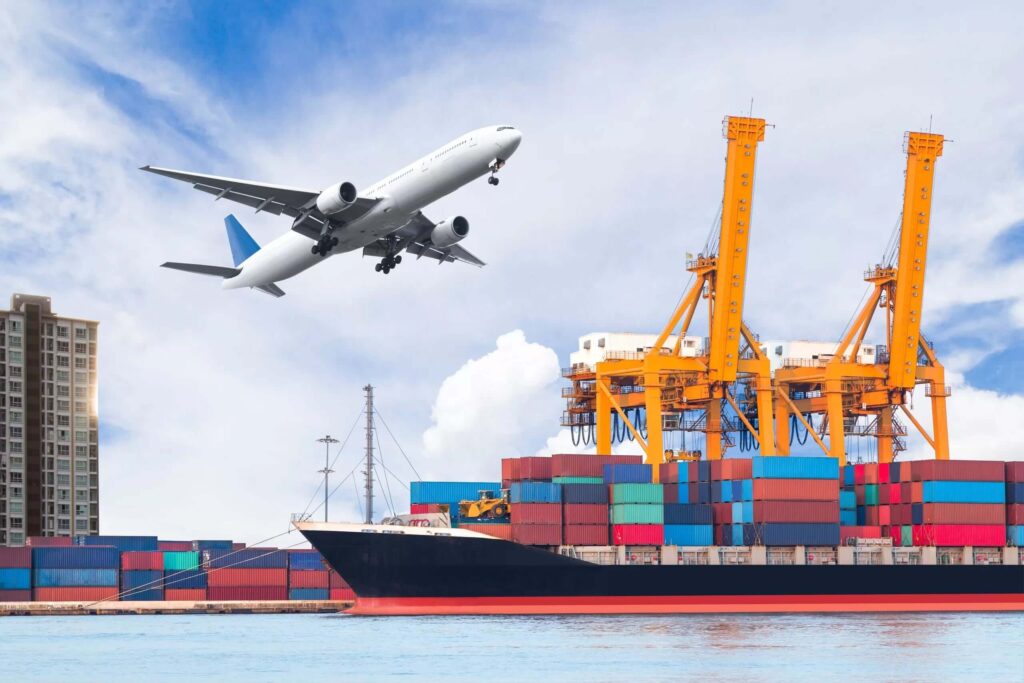
Trends Influencing Sea Freight Food Ingredients Libya
International logistics continues evolving in response to changing market conditions.
Several important trends are shaping food ingredient transportation.
Before examining these developments, it is important to recognize that successful procurement increasingly depends on flexibility and data-driven planning.
- Digital shipment tracking provides greater visibility throughout transportation.
- Diversified sourcing strategies reduce dependence on a single manufacturing region.
- Sustainability initiatives encourage more efficient container utilization.
- Improved food safety regulations increase documentation requirements.
- Advanced inventory management systems help synchronize procurement with production demand.
- Greater emphasis on supply chain resilience encourages manufacturers to strengthen long-term supplier relationships.
Why MT Royal Supports Efficient Procurement
Finding a dependable Sea Freight Food Ingredients Libya partner means selecting an organization that understands both food ingredients and industrial logistics.
MT Royal supports manufacturers by offering multiple internationally recognized brands, competitive pricing, and practical sourcing solutions designed for industrial buyers rather than occasional purchasers.
Instead of limiting customers to a single manufacturer, the company provides flexibility that becomes particularly valuable during periods of changing global availability. This approach allows procurement teams to compare suitable alternatives without compromising production quality or operational continuity.
Throughout many sourcing projects, we have observed that long-term partnerships built on technical knowledge, transparent communication, and reliable logistics consistently outperform relationships based solely on short-term pricing.
Frequently Asked Questions
Why is sea freight preferred for food ingredients?
Sea freight offers the most economical transportation method for bulk quantities while providing sufficient capacity for industrial purchasing requirements.
How far in advance should factories place orders?
Most manufacturers benefit from planning several weeks or even months ahead, depending on ingredient availability, production schedules, and shipping routes.
Can different ingredients be shipped together?
Yes, provided they are compatible, properly packaged, and transported according to food safety requirements.
How can procurement teams reduce shipping risks?
Several practical measures significantly improve shipment reliability.
- Work with experienced suppliers familiar with international food logistics.
- Verify all documentation before cargo departure.
- Maintain appropriate inventory safety stock.
- Monitor shipment progress using available tracking systems.
- Conduct supplier performance reviews on a regular basis.
What documents are normally required?
Documentation usually includes commercial invoices, packing lists, bills of lading, certificates of origin, technical specifications, and other product-specific certificates where applicable.
Does sea freight affect ingredient quality?
When products are packaged correctly, stored appropriately, and transported under recommended conditions, sea freight maintains ingredient quality effectively.
Why should manufacturers consider suppliers offering multiple brands?
Access to multiple approved brands increases procurement flexibility, reduces supply chain risks, and supports production continuity during market fluctuations.
How does inventory planning improve logistics?
Proper planning reduces emergency purchases, minimizes production interruptions, and helps optimize warehouse utilization while lowering overall procurement costs.
Building a Resilient Import Strategy
Modern food manufacturing depends on more than sourcing quality ingredients—it depends on moving those ingredients efficiently across international supply chains. Every successful shipment reflects careful planning, reliable supplier relationships, accurate documentation, effective logistics coordination, and disciplined inventory management. By treating sea freight as a strategic component of manufacturing rather than a simple transportation service, your factory gains greater control over costs, production schedules, and long-term competitiveness.
For manufacturers seeking dependable Sea Freight Food Ingredients Libya solutions, working with an experienced supplier such as MT Royal provides access to multiple international brands, competitive pricing, and practical logistics expertise that supports industrial purchasing decisions. When reliable sourcing is combined with efficient sea freight planning, each arriving container becomes more than imported cargo—it becomes the foundation for uninterrupted production, stronger customer confidence, and sustainable manufacturing growth.
Alkalized Cocoa Powder Supplier in Libya | Latamarko Spain
Natural Cocoa Powder Supplier in Libya | Latamarko Spain
Cocoa Butter Supplier in Libya | Latamarko Spain
Cocoa Liquor Supplier in Libya | Latamarko Spain
LATAMARKO LM60 – Premium Spanish-Origin Cocoa Powder
latamarko alkalized cocoa powder lm60
Food industry raw materials – list of products



No comment