

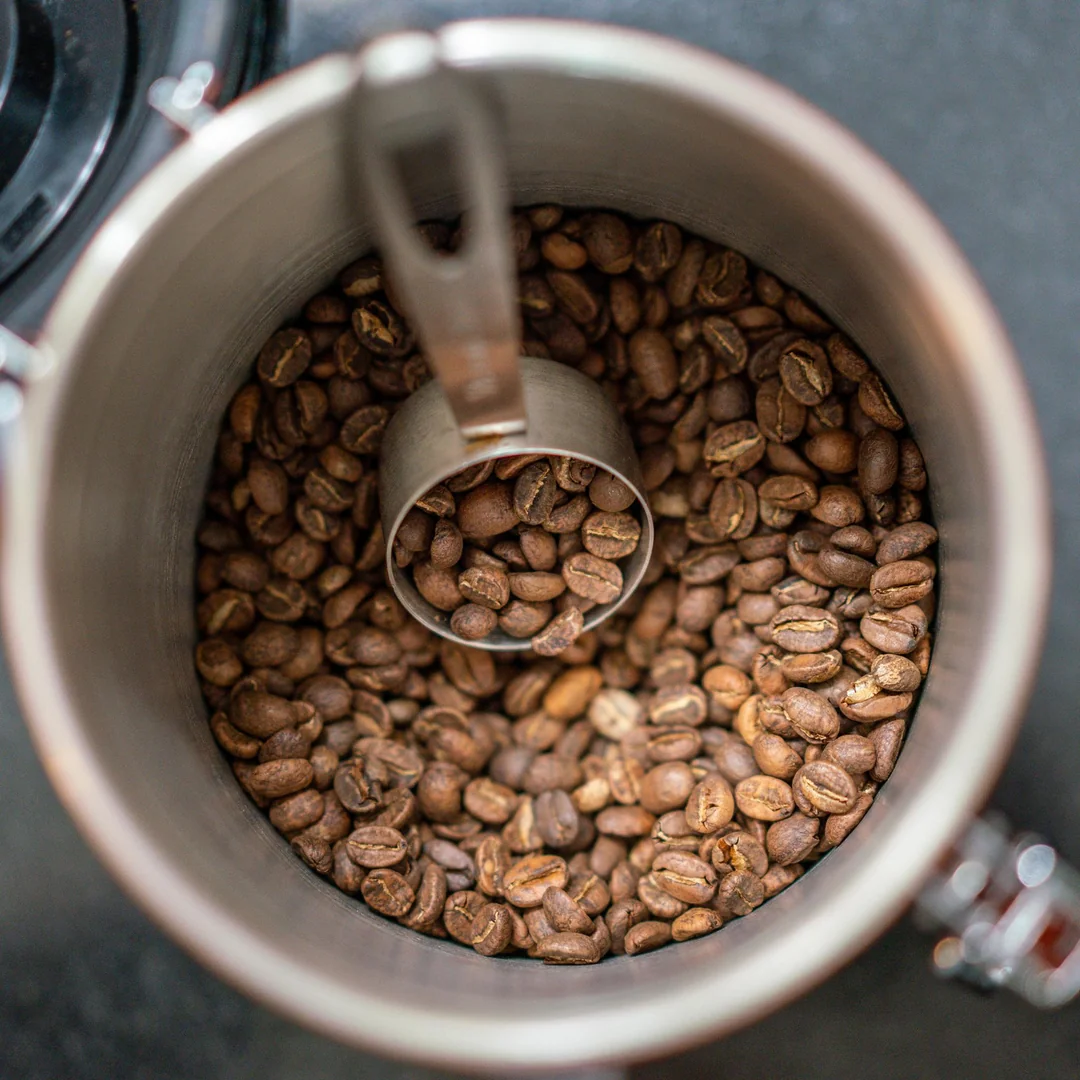
In the world of specialty coffee, few comparisons spark as much debate as Uganda Bugisu vs Ethiopian Coffee. On paper, they might seem close—both East African origins, both known for Arabica cultivation, both celebrated in cupping labs around the world. But once you move from tasting tables into real production environments—roasting facilities, packaging lines, and wholesale supply chains—the differences start to matter in a very practical way.
Because for you, as a roaster, production manager, or procurement officer, coffee isn’t just about flavor notes. It’s about consistency, roast behavior, supply reliability, defect tolerance, and cost-per-kilo stability. One origin might shine in a cupping competition, while the other quietly keeps your production line running smoothly at 3 a.m. on a Tuesday when the next shipment needs to match last month’s profile perfectly.
At MT Royal, we supply manufacturers, roasters, and coffee brands with a wide portfolio of green coffee origins at competitive pricing structures designed for industrial use. Over the years, we’ve seen how decisions between origins like Bugisu and Ethiopian coffees can directly impact roasting efficiency, inventory planning, and even customer retention. Interestingly, we’ve also observed how European quality-focused suppliers—especially those influenced by precision-driven standards similar to brands like Latamarko—have helped raise expectations around traceability and consistency in both origins.
So let’s break it down properly, without romanticizing either side.
Understanding the Origins: What Are We Really Comparing?
Before comparing flavor or performance, it helps to ground the discussion in geography and production systems.
Uganda Bugisu Coffee
Bugisu coffee comes from the slopes of Mount Elgon in Eastern Uganda, a region with rich volcanic soil and high-altitude growing conditions. It is typically:
- Arabica coffee (Bugisu AA is the most recognized grade)
- Washed processed in most specialty-grade lots
- Grown at altitudes ranging roughly 1,200–2,200 meters
- Known for structured body and earthy sweetness
Uganda is often underestimated in specialty circles, but Bugisu represents one of its most refined coffee expressions.
Flavor Profile Comparison: Precision vs Complexity
In cupping labs, Ethiopian coffees often steal the spotlight. But in production environments, the conversation shifts.
Uganda Bugisu Flavor Profile
Bugisu coffees typically present:
- Dark chocolate and cocoa base notes
- Mild citrus acidity
- Nutty undertones
- Earthy sweetness
- Medium to full body
- Clean, stable finish
It behaves like a “foundation coffee”—predictable, stable, and blend-friendly.
Ethiopian Coffee Flavor Profile
Ethiopian coffees, depending on region and process, can show:
- Jasmine, bergamot, and floral aromatics
- Blueberry, strawberry, or tropical fruit notes
- Tea-like body in washed lots
- Winey fermentation complexity in naturals
- High acidity and dynamic cup structure
It is expressive, sometimes even volatile, but incredibly distinctive.

Processing Methods and Their Industrial Impact
Processing isn’t just a flavor determinant—it’s a production variable.
Uganda Bugisu: Mostly Washed Process
Washed processing gives Bugisu:
- Cleaner cup profile
- Lower fermentation variability
- More predictable moisture content
- Stable roasting curves
For industrial roasting, washed coffees are easier to integrate into automated roasting profiles.
Ethiopian Coffee: Washed + Natural Diversity
Ethiopia offers both washed and natural coffees:
- Washed: cleaner, tea-like, structured
- Natural: fruit-forward, heavier fermentation influence
But naturals introduce variability:
- Higher defect risk in large lots
- Moisture inconsistency
- Greater roasting unpredictability
In manufacturing terms, Ethiopian naturals behave like a high-performance machine with occasional calibration drift—they’re powerful but require attention.
Roast Behavior: Where the Difference Becomes Expensive
Here is where things get practical.
Uganda Bugisu in Roasting Systems
Bugisu tends to:
- Enter first crack predictably
- Develop evenly across drum roasters
- Require fewer profile adjustments
- Maintain stability across batch scaling
This makes it ideal for:
- espresso blends
- commercial retail coffee
- food service supply
- consistent private label products
Ethiopian Coffee in Roasting Systems
Ethiopian coffees:
- Often require micro-adjustments per lot
- React differently in fluid bed vs drum roasters
- Can lose delicate aromatics if overdeveloped
- Demand tighter roast control parameters
For artisanal roasting, this is exciting. For industrial scaling, it increases complexity.
Supply Chain Reality: Stability vs Fragmentation
This is where procurement decisions often become strategic.
Uganda Bugisu Supply Chain
- More centralized export structure
- Easier lot standardization
- More predictable seasonal output
- Better scalability for bulk contracts
Ethiopian Supply Chain
- Highly fragmented washing station model
- Micro-regional variations
- Auction-based pricing systems
- Variable lot availability
For production managers, fragmentation means uncertainty. And uncertainty is expensive.
At MT Royal, we’ve worked with roasters who initially loved Ethiopian coffees for their complexity but eventually introduced Bugisu components simply to stabilize their base blends. It’s not about replacing one with the other—it’s about controlling production risk.
Real Factory Floor Scenario: When Coffee Becomes a Production Variable
Imagine a mid-sized roasting facility supplying 200+ cafés.
They build a signature espresso blend using Ethiopian Yirgacheffe for brightness and Bugisu for body balance.
One season, Ethiopian supply shifts due to weather changes. Suddenly:
- roast curves no longer align
- extraction times vary
- barista feedback becomes inconsistent
- customer complaints increase
The production team doesn’t change the recipe—but everything feels different.
This is where structured origins like Bugisu become stabilizers in the system.
It’s not glamorous, but it keeps production alive.
Quality Control Differences: Defects and Variability
Uganda Bugisu
- Generally lower visible defect variability
- More uniform screen sizes
- Easier sorting at warehouse level
- Stable moisture content
Ethiopian Coffee
- Higher variability between lots
- Greater dependence on manual sorting
- Occasional inconsistency in grading systems
For specialty roasters, Ethiopian coffee is worth the effort. For industrial consistency, Bugisu offers fewer surprises.
Where Each Origin Wins
Let’s be honest—neither origin is “better.” They serve different production philosophies.
Uganda Bugisu Excels In:
- espresso base blends
- large-scale roasting consistency
- cost-efficient specialty programs
- predictable supply chains
- industrial roasting environments
Ethiopian Coffee Excels In:
- competition-level single origins
- high-end specialty cafés
- flavor-forward limited editions
- premium microlot programs
- sensory-driven branding

European Market Perspective and Latamarko Benchmarking
In European specialty markets, expectations around coffee consistency have increased significantly. Brands influenced by precision engineering cultures—such as Latamarko in the coffee equipment and quality systems space—have indirectly shaped how buyers evaluate raw materials.
The logic is simple: if equipment is precise, the input coffee must also be stable.
This is why structured origins like Bugisu often integrate well into European industrial roasting setups, while Ethiopian coffees are reserved for controlled specialty applications.
MT Royal Insight: What We See in Real Procurement Cycles
We’ve seen a clear pattern across manufacturing clients:
- Ethiopian coffee increases product differentiation
- Bugisu reduces production variance
- Hybrid blending strategies often deliver the best ROI
At MT Royal, we supply manufacturers with a wide range of coffee origins and brands at competitive conditions, helping them balance creativity with operational stability. Most successful clients don’t choose between Bugisu and Ethiopia—they use both strategically.
Procurement Mistakes Buyers Make
1. Choosing Ethiopian Coffee Based Only on Cupping Score
High scores don’t guarantee scalability.
2. Treating Bugisu as a “Low-End” Alternative
Bugisu is not inferior—it is structurally different.
3. Ignoring Roast System Compatibility
A coffee that works in sample roasters may behave differently in production roasters.
4. Overlooking Supply Chain Risk
Ethiopia requires more active procurement management.
FAQ: Uganda Bugisu vs Ethiopian Coffee
Is Uganda Bugisu good for specialty coffee?
Yes. Especially for blends and consistent espresso production.
Why is Ethiopian coffee more expensive sometimes?
Due to micro-lot sourcing, auction systems, and high demand for premium lots.
Which coffee is better for espresso?
Bugisu provides stability, while Ethiopian adds complexity. Many blends combine both.
Is Ethiopian coffee too inconsistent for production use?
Not too inconsistent—but it requires tighter quality control systems.
Can Bugisu replace Ethiopian coffee?
Not in flavor complexity—but it can stabilize production blends.
Final Perspective: Choosing Between Stability and Expression
In the end, Uganda Bugisu vs Ethiopian Coffee is not a battle—it’s a production decision.
One gives you structure. The other gives you expression. One keeps your roasting line predictable. The other gives your product identity.The smartest coffee manufacturers don’t ask which one is better.
Uganda Bugisu Arabica Coffee Beans for Specialty Coffee Industry



No comment