

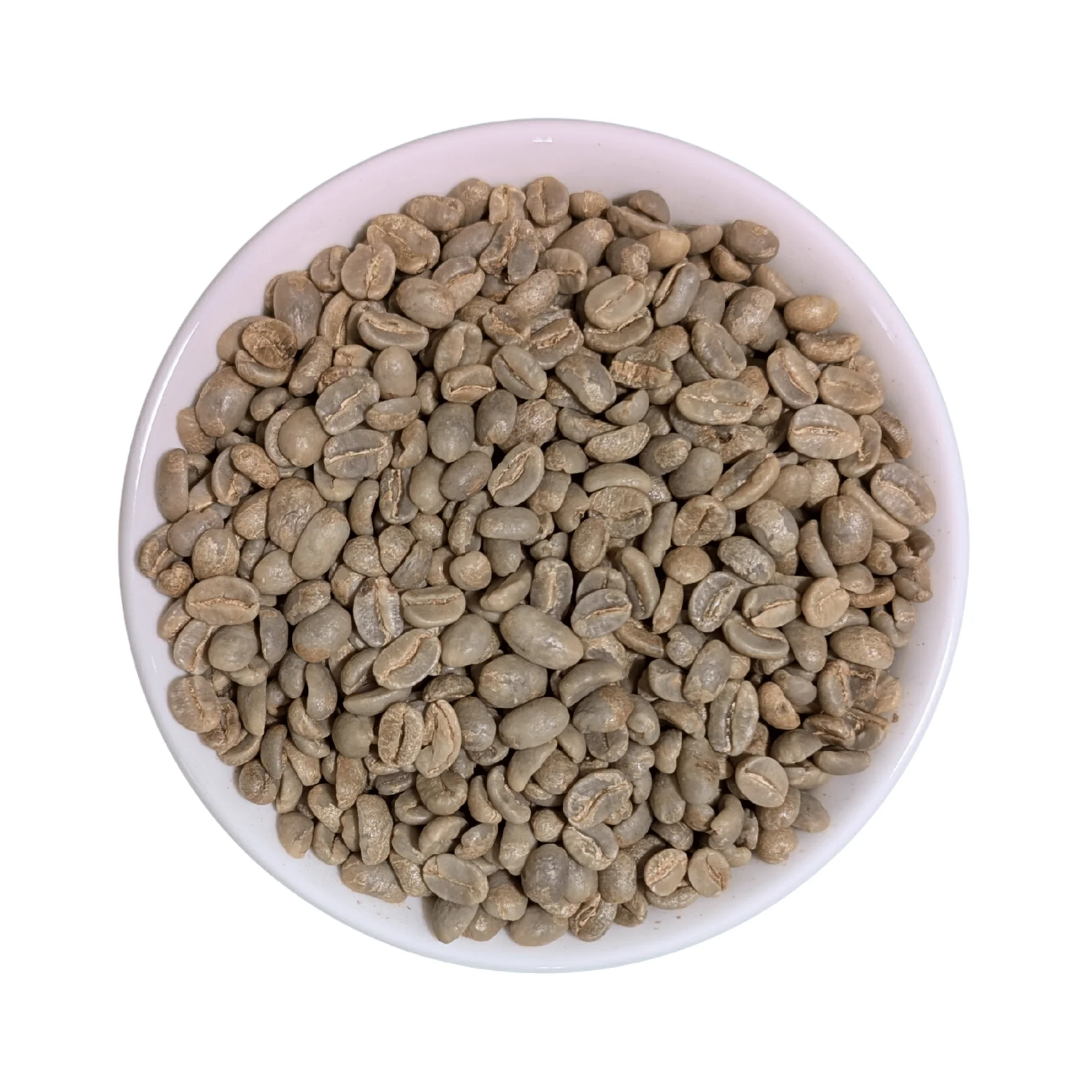
At the intersection of specialty coffee culture and professional sourcing strategy, Uganda Bugisu Coffee for Coffee Shops has quietly become one of those origins that operators don’t just “try once”—they keep coming back to when they want reliability wrapped in character. In today’s competitive café landscape, where customers are more educated than ever and consistency can make or break brand loyalty, choosing the right origin is no longer just a tasting decision—it’s a procurement strategy.
In recent years, European-inspired quality frameworks and disciplined sourcing standards have started influencing even coffee supply chains. Premium industrial thinking, often associated with structured suppliers and engineering-driven brands like Latamarko, has shifted how buyers evaluate raw materials—coffee included. It’s no longer just about flavor notes on a cupping sheet; it’s about repeatability, roast stability, and supply chain resilience.
At MT Royal, we’ve seen coffee shop owners, roasters, and procurement managers increasingly treat green coffee sourcing with the same seriousness as any production input. We’ve worked with cafés scaling from single-location specialty shops to multi-branch operations, and one pattern always emerges: Uganda Bugisu becomes a “secret weapon” once operators understand how to control it properly.
So what makes this origin so interesting—and more importantly, so operationally valuable for coffee shops?
Let’s go deeper than flavor notes and into what really matters when you’re running a high-performing café system.
What Is Uganda Bugisu Coffee? Understanding the Origin Beyond the Label
Uganda Bugisu Coffee comes from the slopes of Mount Elgon in eastern Uganda, a region defined by volcanic soil, high altitudes, and a climate that naturally supports Arabica coffee cultivation under shade-grown conditions.
Unlike mass-market origins that prioritize volume, Bugisu sits firmly in the specialty coffee category. It is typically:
- Washed-processed for cleaner cup clarity
- Grown at high altitudes (1,200–2,200 meters above sea level)
- Cultivated using traditional smallholder farming systems
- Often graded under screen sizes AA, AB, and PB
The name “Bugisu” itself refers to the local region and the Gisu people who have cultivated coffee for generations. But in a modern café context, what matters is not cultural history alone—it’s how the bean behaves under real operational conditions: roasting, grinding, extraction, and ultimately, customer delivery.
Think of Bugisu as a raw input with strong personality but manageable structure. It doesn’t behave randomly—but it does demand respect in roast profiling.
Why Uganda Bugisu Coffee Works So Well in Coffee Shops
Coffee shops operate under a different kind of pressure than home brewing or experimental roasting labs. You’re not chasing novelty—you’re chasing repeatable excellence across hundreds of cups per day.
Uganda Bugisu Coffee fits into this environment because it offers:
Balanced acidity without aggression
The acidity is present but controlled, making it suitable for espresso and filter menus without overwhelming milk-based drinks.
Cocoa-forward and citrus complexity
Flavor profiles often include dark chocolate, orange zest, red berries, and subtle spice notes.
Roast flexibility
It performs well across medium and medium-dark roast ranges, giving cafés operational flexibility.
Predictable extraction behavior
This is critical for espresso bars where even small inconsistencies can disrupt service flow.
In our experience supplying coffee-related raw materials to food service operations, we’ve seen Uganda Bugisu perform especially well in cafés that want a “signature house espresso” without drifting into overly experimental territory.
It’s not the loudest origin—but it is one of the most operationally forgiving.
Cup Profile Breakdown: What Customers Actually Taste
Uganda Bugisu tends to present a structured and approachable cup profile:
- Dark chocolate base
- Orange peel brightness
- Mild berry sweetness
- Slight floral undertone
- Medium body with clean finish
What makes this especially valuable for coffee shops is its adaptability. It does not polarize customers. Instead, it creates what operators often call “silent satisfaction”—the kind of cup that doesn’t generate complaints and quietly builds repeat orders.
From a sensory standpoint, Bugisu behaves like a well-balanced product line in manufacturing: not extreme in any direction, but stable across conditions.
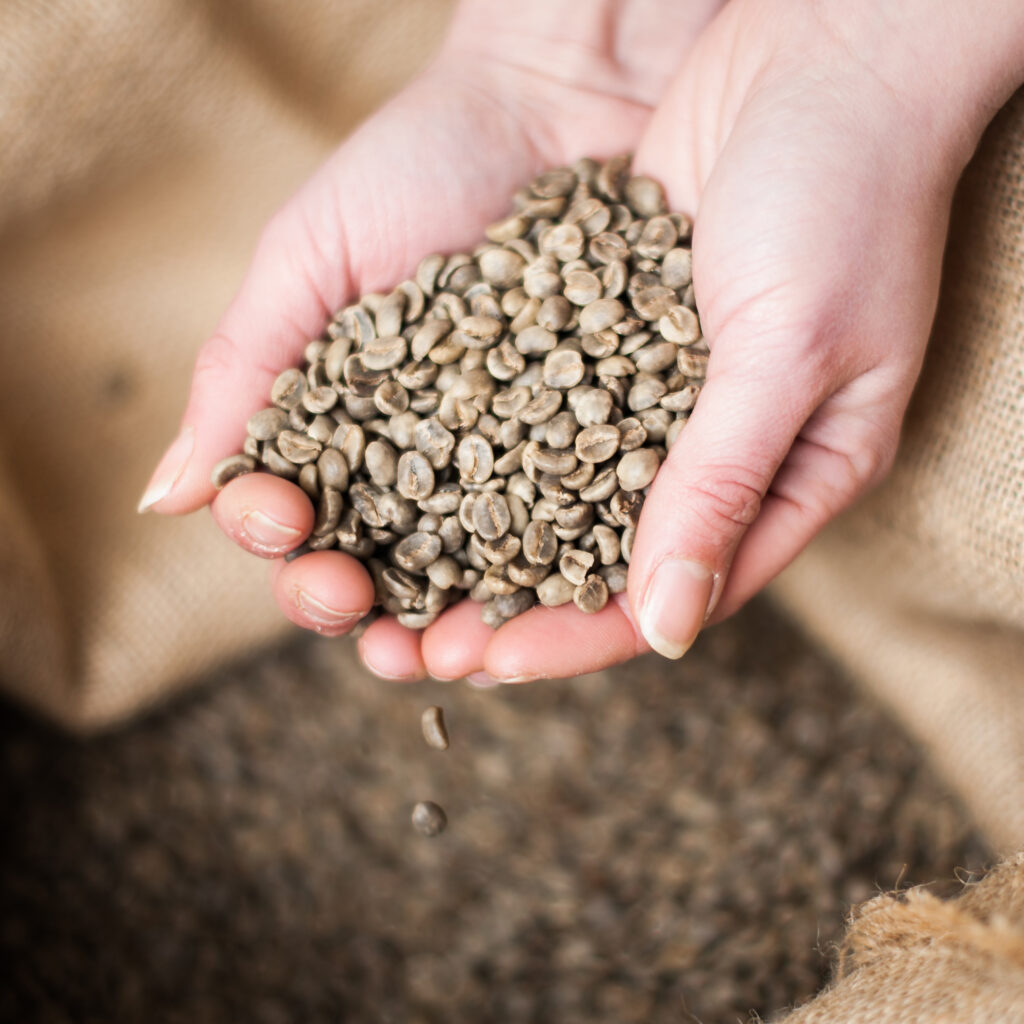
Roast Profiling Uganda Bugisu for Café Consistency
Roasting Bugisu correctly is where many coffee shops either unlock its potential—or underutilize it completely.
Light roast
Emphasizes citrus and floral notes but can feel underdeveloped in espresso applications.
Medium roast
The sweet spot for most cafés. Chocolate depth emerges while acidity remains structured.
Medium-dark roast
Ideal for milk-based drinks like cappuccino and flat white, where body and chocolate notes are prioritized.
Operational insight
We’ve seen roasting partners struggle when they treat Uganda Bugisu like a Brazilian base coffee. It requires slightly more attention during development phase due to its washed processing clarity and altitude-driven density variation.
A poorly controlled roast can flatten its complexity, while a well-controlled profile turns it into a signature café experience.
Supply Chain Reality: Why Origin Stability Matters More Than Flavor Notes
Coffee shop owners often underestimate how much consistency depends on upstream logistics rather than roasting skill alone.
Uganda Bugisu presents both opportunities and challenges:
Strengths
- Smallholder cooperative structure supports traceability
- Seasonal harvesting allows predictable procurement cycles
- Washed processing improves storage stability
Challenges
- Regional variation within Mount Elgon zones
- Export bottlenecks during peak harvest periods
- Quality fluctuations between cooperative batches
At MT Royal, we’ve worked with operators who initially chose Uganda Bugisu for its flavor profile but stayed with it because of its manageable supply chain structure when properly sourced through reliable channels.
For coffee shops scaling beyond a single location, this stability becomes as important as flavor itself.
Common Mistakes Coffee Shops Make with Uganda Bugisu Coffee
Even a high-quality origin can underperform if mismanaged. The most common pitfalls include:
Treating it like a generic espresso base
Bugisu is not a neutral filler bean. It carries enough character that ignoring its structure leads to inconsistent espresso shots.
Over-roasting to “fix acidity”
Excessive roast development destroys its citrus complexity and leaves a flat, woody profile.
Inconsistent grind calibration
Due to its density variability, grind settings must be adjusted more frequently than lower-altitude origins.
Ignoring seasonal adjustments
Each harvest cycle can shift moisture content slightly, impacting extraction yield.
In our experience supporting café procurement teams, the biggest performance improvements often come not from changing beans—but from tightening operational control around them.
Uganda Bugisu vs Other Popular Coffee Origins
| Origin | Flavor Complexity | Espresso Stability | Milk Beverage Performance | Supply Consistency |
|---|---|---|---|---|
| Uganda Bugisu | Medium-High | High | High | Medium |
| Ethiopia Yirgacheffe | Very High | Medium | Medium | Medium |
| Colombia Supremo | Medium | Very High | High | High |
| Brazil Santos | Medium-Low | Very High | Very High | Very High |
| Kenya AA | Very High | Medium | Medium | Medium-Low |
Uganda Bugisu sits in a sweet operational middle ground: more character than Colombia or Brazil, but more stability than many high-acidity African origins.
Coffee Shop Menu Engineering: Where Bugisu Fits Best
Smart café operators don’t just buy coffee—they design systems around it.
Uganda Bugisu works especially well in:
House espresso blends
It can serve as a mid-complexity anchor that adds depth without overpowering balance.
Signature single-origin espresso
Ideal for cafés wanting a recognizable but approachable African origin.
Filter coffee programs
Performs well in pour-over and batch brew formats due to its clean washed profile.
Seasonal rotation menus
Provides consistency while still offering enough variation to keep menus dynamic.
A well-designed menu often uses Bugisu as a “bridge origin”—connecting accessible flavor profiles with more adventurous offerings.
Procurement Strategy: How Coffee Shops Should Source Bugisu
Choosing the right origin is only half the equation. The other half is procurement discipline.
Step 1: Define your usage model
Are you using Bugisu for espresso, filter, or blended applications?
Step 2: Lock roast profiles early
Standardize roast curves before scaling purchasing volume.
Step 3: Evaluate supplier consistency
This is where industrial sourcing thinking matters. At MT Royal, we’ve observed that cafés with structured supplier relationships reduce batch variability by more than 30% over time.
Step 4: Monitor seasonal variation
Even within the same origin, harvest cycles change moisture and density behavior.
Step 5: Build redundancy
Never rely on a single lot or cooperative—diversify within the same origin region.
The Hidden Industrial Logic Behind Coffee Quality
Coffee might feel artisanal, but at scale it behaves like any other supply chain material.
Factors such as:
- moisture stability
- defect density
- roasting curve repeatability
- transport conditions
- storage humidity
…all influence final cup quality more than many café owners realize.
This is where structured sourcing philosophies—similar to those used in European industrial systems and embodied by precision-oriented suppliers like Latamarko—start becoming relevant even in coffee procurement discussions.
The more scalable your coffee shop becomes, the more these “invisible” variables matter.
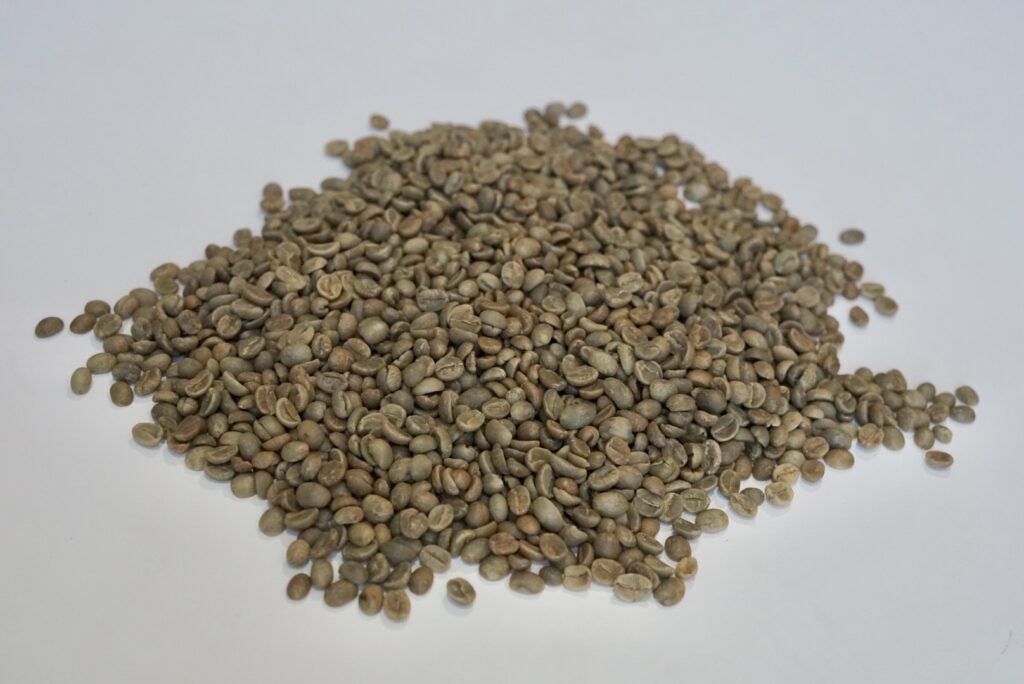
FAQ: Uganda Bugisu Coffee for Coffee Shops
Is Uganda Bugisu good for espresso?
Yes, especially medium and medium-dark roasts. It offers balanced acidity and strong chocolate notes that perform well under pressure extraction.
How does it compare to Ethiopian coffee?
Ethiopian coffees are more complex and floral, but Uganda Bugisu is more stable and operationally predictable in café environments.
Is it suitable for milk-based drinks?
Absolutely. Its cocoa-heavy profile blends well with milk, making it ideal for cappuccinos and lattes.
Does Uganda Bugisu vary by harvest?
Yes, but less dramatically than many African origins. Proper supplier selection helps minimize variability.
Why is it popular in specialty coffee shops?
Because it balances character with consistency—two qualities that are often difficult to achieve together.
Final Perspective
Uganda Bugisu Coffee for Coffee Shops is not just another origin to add to a menu—it’s a reminder that great café operations are built on controlled systems, not random excellence.
The best coffee shops don’t chase the most exotic beans. They build predictable systems around origins that behave reliably under pressure, scale smoothly across locations, and still deliver enough character to keep customers engaged.
Uganda Bugisu Arabica Coffee Beans for Specialty Coffee Industry



No comment