


In industrial manufacturing, product performance often depends on ingredients that receive far less attention than they deserve. Thickening agents are a perfect example. Whether you produce food products, cosmetics, detergents, paints, coatings, pharmaceuticals, or construction materials, the right thickening system can influence viscosity, stability, texture, appearance, processing efficiency, and ultimately customer satisfaction.
For manufacturers operating in Libya, securing a dependable Thickening Agents Supplier Libya is not simply a purchasing decision—it is a strategic investment in production consistency and supply chain reliability. A single variation in rheology can lead to quality complaints, production downtime, excessive waste, or costly reformulations. This is why many factories carefully evaluate not only the thickening agent itself but also the supplier behind it.
MT Royal has become a recognized name among industrial buyers because it provides access to multiple international brands, competitive sourcing options, and technical support that helps manufacturers select materials based on actual production requirements rather than generic specifications. For procurement teams seeking long-term stability, supplier capability is often just as important as product quality.
As Libya continues to expand industrial activity across food processing, personal care manufacturing, construction chemicals, and industrial formulations, demand for high-performance viscosity modifiers and rheology control solutions is steadily increasing. Understanding how thickening agents work, how to source them effectively, and how to optimize their use can create a significant competitive advantage for your factory.
Understanding Thickening Agents and Their Industrial Importance
A thickening agent is a substance used to increase the viscosity of a liquid without substantially altering its other properties. In practical manufacturing environments, thickening agents help create products that maintain desired consistency during production, transportation, storage, and final use.
Industrial formulations often rely on thickening agents to achieve:
- Controlled viscosity
- Improved product stability
- Better suspension of particles
- Enhanced texture and sensory properties
- Reduced phase separation
- Improved application performance
- Better shelf life
Without effective viscosity control, many products would separate, settle, drip excessively, or fail to meet customer expectations.
Think of thickening agents as traffic managers inside a formulation. Rather than allowing molecules, particles, and liquids to move freely and chaotically, they create structure and organization, ensuring the product behaves predictably throughout its lifecycle.
Why Demand for Thickening Agents Is Growing in Libya
The Libyan manufacturing sector has experienced increasing demand for specialized raw materials across multiple industries. As local production capabilities expand and more companies seek to reduce reliance on imported finished products, formulation quality becomes increasingly important.
Several factors are driving demand for industrial thickening agents:
Expansion of Food Manufacturing
Food processors require precise viscosity control in products such as:
- Sauces
- Dressings
- Dairy products
- Dessert preparations
- Bakery fillings
- Beverage concentrates
Consumers increasingly expect consistent texture and mouthfeel, making thickening technology a critical component of food quality management.
Growth of Construction Chemicals
Construction manufacturers use rheology modifiers in:
- Tile adhesives
- Cementitious mortars
- Joint compounds
- Waterproofing systems
- Wall putties
As infrastructure development continues, demand for specialty additives that improve application properties and product stability continues to rise.
Personal Care and Cosmetics Production
Shampoos, creams, lotions, gels, and cleansers rely heavily on carefully selected thickening systems. Modern consumers associate viscosity and texture with product quality, making formulation control essential.
Industrial Coatings and Paints
Paint manufacturers use thickening agents to control:
- Sag resistance
- Flow properties
- Pigment suspension
- Brushability
- Spray performance
A properly selected thickener can significantly improve both production efficiency and final product performance.
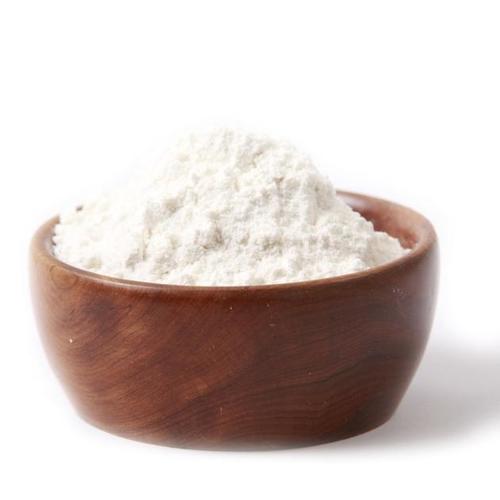
Types of Thickening Agents Used in Industrial Applications
Selecting the appropriate thickener requires understanding the available technologies.
Cellulose-Based Thickeners
Cellulose derivatives remain among the most widely used rheology modifiers in industrial manufacturing.
Common examples include:
- Hydroxyethyl Cellulose (HEC)
- Hydroxypropyl Methylcellulose (HPMC)
- Methyl Cellulose (MC)
- Carboxymethyl Cellulose (CMC)
Advantages include:
- Good water retention
- Broad compatibility
- Cost efficiency
- Reliable performance
These products are frequently used in construction materials, detergents, paints, and food applications.
Xanthan Gum
Xanthan gum is a highly efficient biopolymer known for excellent suspension properties and stability across varying temperatures and pH conditions.
Applications include:
- Food processing
- Oilfield chemicals
- Personal care products
- Industrial cleaners
Its ability to create high viscosity at low concentrations often makes it attractive for cost-conscious manufacturers.
Guar Gum
Derived from natural sources, guar gum offers excellent thickening performance and is commonly used in food and industrial sectors.
Benefits include:
- Rapid hydration
- Cost effectiveness
- Good water-binding capacity
Acrylic Thickeners
Synthetic acrylic-based rheology modifiers are popular in coatings, paints, and personal care formulations.
Key advantages:
- Precise viscosity control
- Excellent formulation flexibility
- Improved stability
Starch-Based Thickeners
Modified starches continue to play an important role in food manufacturing and selected industrial applications.
They provide:
- Texture enhancement
- Stability improvement
- Cost-effective viscosity control
Key Industries That Depend on Thickening Agents in Libya
Food and Beverage Industry
Food manufacturers use thickening agents to create consistent product textures and maintain stability during storage.
Applications include:
- Ketchup
- Mayonnaise
- Ice cream
- Yogurt
- Soups
- Sauces
- Beverage systems
Even small viscosity variations can significantly impact consumer perception.
Paint and Coatings Industry
A quality coating must balance flow and stability.
Too thin, and the product may run.
Too thick, and application becomes difficult.
The right rheology modifier helps manufacturers achieve the ideal balance.
Detergent Manufacturing
Liquid detergents require viscosity management for both functional and marketing reasons.
Consumers often associate thicker detergent formulations with premium quality, even when cleaning performance remains unchanged.
Cosmetic Manufacturing
Modern cosmetic formulations rely heavily on rheology control to achieve desired aesthetics and user experience.
Products include:
- Moisturizers
- Hair gels
- Facial cleansers
- Body lotions
- Serums
Construction Materials
Construction chemical manufacturers require additives that enhance workability, water retention, and application consistency.
Common products include:
- Tile adhesives
- Cement renders
- Grouts
- Gypsum compounds
Characteristics of a Reliable Thickening Agents Supplier Libya
Not all suppliers provide the same level of value.
A dependable Thickening Agents Supplier Libya should offer far more than product availability.
Consistent Product Quality
Consistency is essential in industrial manufacturing.
Even minor batch-to-batch variations can lead to:
- Production instability
- Increased waste
- Quality deviations
- Customer complaints
Reliable suppliers implement strong quality assurance systems to ensure predictable performance.
Multiple Brand Availability
Manufacturers often benefit from having access to several international brands rather than being restricted to a single source.
This flexibility provides:
- Better pricing options
- Alternative sourcing channels
- Reduced supply risk
- Greater formulation flexibility
MT Royal supports manufacturers by offering access to multiple brands and sourcing solutions tailored to specific production requirements.
Technical Support
One of the most overlooked aspects of raw material procurement is technical expertise.
An experienced supplier can help you:
- Optimize dosage levels
- Improve production efficiency
- Reduce formulation costs
- Solve stability problems
- Evaluate alternative products
Supply Chain Reliability
Industrial production schedules rarely tolerate delays.
A supplier must demonstrate:
- Reliable logistics
- Inventory planning
- Consistent communication
- Strong sourcing networks
A missed shipment can disrupt weeks of production planning.
Common Mistakes When Sourcing Thickening Agents
Procurement teams frequently focus on price alone, which can create significant long-term costs.
Choosing the Lowest Price Without Technical Evaluation
A cheaper product may require higher dosage levels, resulting in greater total formulation cost.
The true metric should be cost-in-use rather than purchase price alone.
Ignoring Compatibility Testing
A thickener that performs well in one formulation may fail completely in another.
Factors affecting compatibility include:
- pH
- Temperature
- Electrolyte concentration
- Surfactant systems
- Processing conditions
Overlooking Supply Security
Factories often evaluate product performance without considering supply continuity.
Diversified sourcing strategies help reduce operational risk.
Insufficient Pilot Trials
Laboratory testing should always precede full-scale implementation.
Skipping this step can create expensive production challenges.
How to Evaluate Thickening Agent Performance
Professional manufacturers typically assess several critical parameters.
Viscosity Development
Measure how effectively the thickener increases viscosity at specified concentrations.
Stability
Evaluate product performance over time under real storage conditions.
Temperature Resistance
Industrial products may experience substantial temperature fluctuations during storage and transportation.
Shear Response
Many applications require specific rheological behavior under mixing, pumping, spraying, or application conditions.
Cost Efficiency
Analyze performance relative to dosage requirements rather than purchase cost alone.
Specialized Tips for Large-Scale Production Facilities
Factories operating at industrial scale face challenges that smaller manufacturers rarely encounter.
Standardize Raw Material Specifications
Create detailed acceptance criteria covering:
- Viscosity ranges
- Moisture levels
- Particle size
- Purity requirements
This reduces variation throughout production.
Maintain Supplier Qualification Programs
Supplier audits and performance reviews help identify potential risks before they become operational problems.
Monitor Seasonal Variations
Environmental conditions can influence formulation behavior.
Temperature and humidity changes may affect hydration rates and viscosity development.
Optimize Mixing Procedures
The best thickener can still fail if introduced incorrectly.
Factors to monitor include:
- Mixing speed
- Addition sequence
- Hydration time
- Temperature control
In our collaboration with various factories, we have seen that process optimization often generates larger improvements than changing raw materials.
Track Cost Per Functional Performance
Rather than evaluating price per kilogram, calculate:
- Cost per viscosity unit
- Cost per batch
- Cost per finished product
This approach provides a more accurate assessment of value.
Emerging Trends in Industrial Thickening Technology
The thickening agent market continues to evolve rapidly.
Sustainable Formulation Development
Manufacturers increasingly seek renewable and environmentally responsible ingredients.
Natural hydrocolloids and bio-based thickeners continue gaining market share.
Multifunctional Additives
Modern formulations increasingly use ingredients that deliver multiple benefits simultaneously.
Examples include products that provide:
- Thickening
- Stabilization
- Suspension
- Texture enhancement
High-Efficiency Rheology Modifiers
New technologies allow manufacturers to achieve target viscosities at lower dosage levels.
This can improve formulation economics and simplify processing.
Digital Quality Control
Advanced manufacturers are adopting real-time viscosity monitoring and process analytics to improve consistency.
These systems help identify deviations before they affect finished products.
Why Technical Collaboration Matters More Than Ever
Raw material sourcing is becoming increasingly complex.
Regulatory requirements, customer expectations, and competitive pressures demand greater formulation precision.
A supplier should function as a technical partner rather than simply a distributor.
This means helping manufacturers:
- Improve product performance
- Reduce formulation costs
- Solve production challenges
- Evaluate alternative ingredients
- Manage supply risks
At MT Royal, this consultative approach has become increasingly important as manufacturers seek greater efficiency and flexibility in changing market conditions.
We regularly observe that successful factories focus on total operational value rather than simply negotiating the lowest raw material price.
Frequently Asked Questions from Factory Managers and Procurement Teams
How do I choose the right thickening agent for my factory?
Begin by evaluating your formulation requirements, processing conditions, target viscosity, regulatory requirements, and compatibility needs. Laboratory testing and pilot-scale trials should always be performed before commercial implementation.
Are natural thickeners better than synthetic alternatives?
Not necessarily. Natural and synthetic thickeners each offer unique advantages. The optimal choice depends on performance requirements, cost targets, regulatory considerations, and end-product specifications.
Can a single thickening agent be used across multiple products?
In some cases, yes. However, different formulations often require different rheological characteristics. A universal solution is rarely the most efficient approach.
Why does viscosity vary between production batches?
Common causes include:
- Raw material variation
- Temperature changes
- Mixing inconsistencies
- Incorrect dosing
- Water quality differences
A systematic investigation usually identifies the root cause.
What should procurement teams evaluate beyond price?
Important considerations include:
- Product consistency
- Technical support
- Lead times
- Supply reliability
- Alternative sourcing options
- Quality documentation
How important is supplier experience?
Highly important. Experienced suppliers often identify formulation risks and optimization opportunities that can save significant time and resources.
Can thickening agents improve product shelf life?
Yes. Many thickening systems contribute to improved stability, reduced separation, and enhanced product consistency throughout storage.
Why do manufacturers work with suppliers offering multiple brands?
Multiple-brand access improves sourcing flexibility, reduces supply chain risk, and allows manufacturers to compare performance and pricing across different options.
Building a Sustainable Procurement Strategy for Thickening Agents
The most successful manufacturers approach thickener sourcing as part of a broader operational strategy.
This involves balancing:
- Product performance
- Cost efficiency
- Supply security
- Technical support
- Long-term scalability
Factories that prioritize only one factor often encounter avoidable challenges later.
A robust sourcing strategy includes supplier qualification, technical evaluation, inventory planning, and ongoing performance monitoring.
We have found that manufacturers who treat raw material procurement as a strategic function consistently outperform competitors that view purchasing as a purely transactional activity.
For Libyan manufacturers competing in increasingly demanding markets, the choice of a Thickening Agents Supplier Libya can influence far more than ingredient availability. It affects production stability, product quality, operational efficiency, and customer satisfaction. The right supplier helps transform viscosity control from a routine technical requirement into a genuine manufacturing advantage. As industrial sectors continue expanding across Libya, companies that combine smart sourcing practices with strong technical partnerships will be best positioned to deliver consistent quality, control costs, and build resilient production systems capable of supporting long-term growth.




No comment