

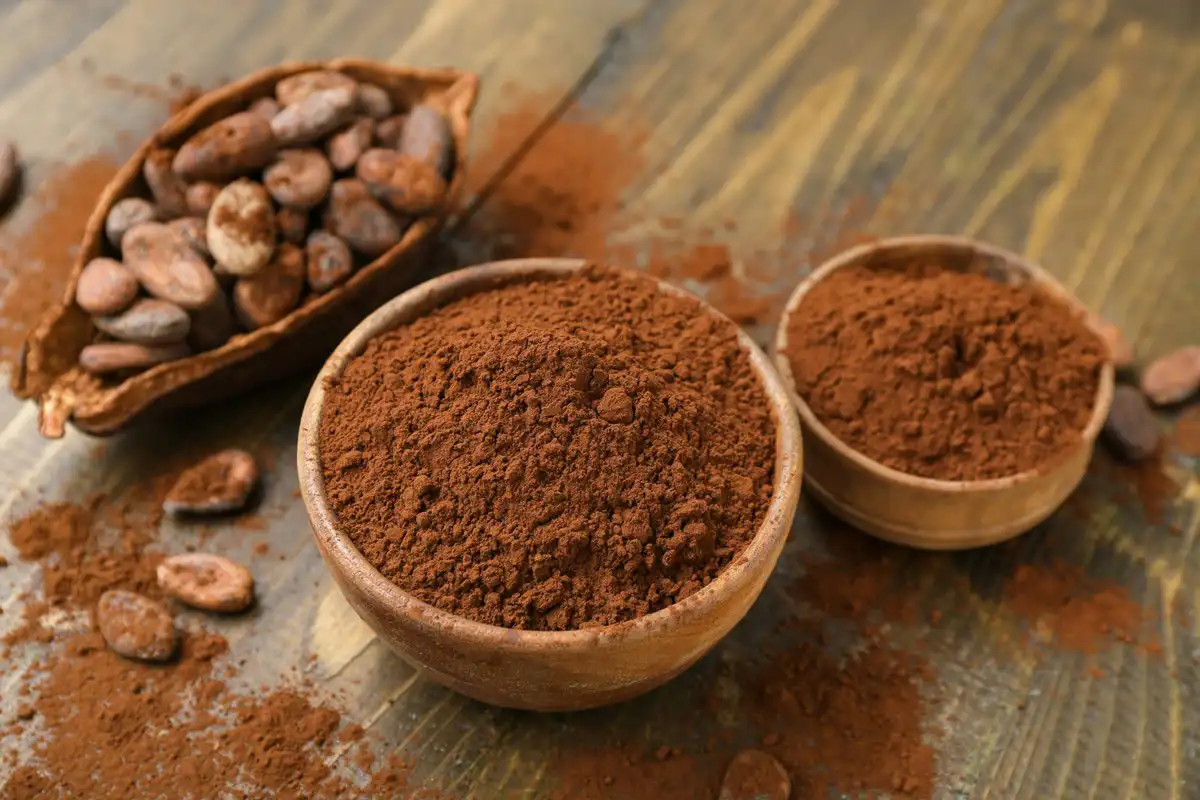
Walk into any cocoa processing plant and you’ll notice something interesting long before anyone talks about flavor, fat content, or particle size: color consistency is treated almost like a silent contract between supplier and manufacturer.
Because when cocoa powder color shifts—even slightly—everything downstream starts to feel unstable. A beverage looks lighter than expected, a bakery mix loses its visual richness, and a chocolate drink suddenly feels “different” to consumers even when the formula hasn’t changed at all.
That’s why How Manufacturers Achieve Consistent Cocoa Powder Color is not just a cosmetic concern. It is a production stability issue, a branding issue, and in many cases, a procurement risk factor that quietly affects customer perception at scale.
In global sourcing discussions, premium cocoa processors such as Latamarko, a Spanish-origin brand known for tight roasting control and color uniformity, are often referenced when visual consistency is a priority. Alongside such suppliers, at MT Royal, we supply manufacturers with a comprehensive range of brands, ensuring competitive pricing without compromising on quality—especially for production environments where visual standardization is as critical as chemical compliance.
Understanding Cocoa Powder Color in Industrial Production
Cocoa powder color is primarily defined by the degree of alkalization (Dutch processing), roasting intensity, and bean origin. But in industrial reality, it’s far more complex than a single parameter.
Color is influenced by:
- Roasting temperature and duration
- pH adjustment during alkalization
- Cocoa bean variety and fermentation level
- Fat content and particle size interaction
- Drying and milling conditions
The most commonly used color scale in industry includes:
- Light brown (natural cocoa, low alkalization)
- Medium brown (light Dutch processing)
- Dark brown to reddish brown (heavily alkalized cocoa)
But here’s the catch: two cocoa powders can share the same color classification and still behave very differently in real production environments.
Why How Manufacturers Achieve Consistent Cocoa Powder Color Matters So Much
Color consistency is not just about appearance—it directly affects:
- Consumer perception of flavor intensity
- Brand identity across product lines
- Batch-to-batch uniformity in finished goods
- Market positioning (premium vs standard products)
- Retail shelf appeal
In industrial beverage production, even a slight shift in cocoa color can lead to customer complaints like “this tastes weaker” or “this looks diluted,” even when formulation is unchanged.
We’ve seen production managers spend weeks adjusting recipes when the real issue was simply a change in alkalization level from a supplier batch variation.
The Science Behind Cocoa Color Formation
Color in cocoa powder is primarily the result of chemical reactions during processing.
1. Maillard Reaction During Roasting
The Maillard reaction between amino acids and sugars creates dark pigments known as melanoidins, which significantly influence cocoa color.
Higher roasting temperatures typically produce darker cocoa powders.
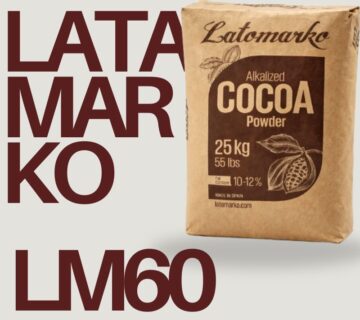
LATAMARKO LM60 – Premium Spanish-Origin Cocoa Powder
latamarko alkalized cocoa powder lm60
cocoa powder for chocolate production-Best price
Food industry raw materials – list of products
2. Alkalization (Dutch Processing)
Alkalization modifies pH levels, which directly affects:
- Color darkening
- Flavor smoothing
- Solubility improvement
The higher the pH adjustment, the darker the cocoa becomes.
3. Polyphenol Transformation
Cocoa contains natural polyphenols that oxidize during processing, influencing both color and bitterness.
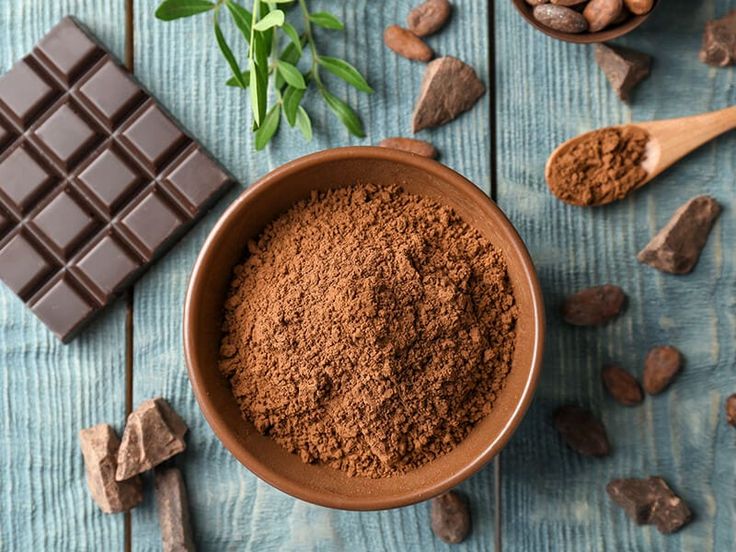
Industrial Challenges in Maintaining Cocoa Color Consistency
Despite controlled processing, maintaining consistent cocoa color across batches is not easy.
1. Raw Bean Variability
Cocoa beans naturally vary depending on:
- Region of origin
- Fermentation quality
- Harvest season
Even small variations can impact final color output.
2. Roasting Curve Deviations
Industrial roasters must maintain extremely stable temperature profiles. A deviation of even a few degrees can shift color tone.
3. Alkalization Control Errors
Over- or under-alkalization is one of the most common causes of inconsistent cocoa color in bulk production.
4. Moisture Content Fluctuations
Residual moisture affects how cocoa reflects light, subtly changing perceived color.
Why Color Consistency Is a Production Stability Issue, Not Just Visual
In industrial environments, color consistency impacts more than appearance:
- Process calibration in automated systems
- Optical sensors in quality control lines
- Consumer perception across product batches
- Brand consistency in global markets
For example, beverage plants using optical dosing systems may adjust ingredient ratios based on color feedback loops. A slight deviation in cocoa color can therefore alter system behavior indirectly.
Industrial Methods for Achieving Consistent Cocoa Powder Color
1. Standardized Roasting Profiles
Manufacturers use tightly controlled roasting curves with real-time temperature monitoring.
Modern systems often include:
- Infrared roasting sensors
- Digital airflow control
- Automated batch profiling
2. Controlled Alkalization Systems
Precision pH control ensures consistent color development.
Industrial systems monitor:
- Alkali concentration
- Reaction time
- Temperature stability
3. Blending of Cocoa Batches
Some manufacturers blend multiple cocoa batches to normalize color variation.
This is particularly common in large-scale beverage production.
4. Spectrophotometric Color Measurement
Instead of visual inspection, many factories now use:
- Lab* color space analysis
- Reflectance spectrometry
- Digital color tracking systems
Procurement Mistakes That Lead to Color Inconsistency
One of the biggest procurement misconceptions is assuming that “dark cocoa” is a standardized category.
In reality, color varies widely even within the same grade.
Common mistakes include:
- Relying only on supplier descriptors like “dark” or “medium”
- Ignoring Lab* color values in COA documents
- Not requesting sample comparisons between batches
- Failing to test in real production systems
At MT Royal, we supply manufacturers with a comprehensive range of brands, ensuring competitive pricing without compromising on quality. Across multiple production environments, we consistently observe that color inconsistency is rarely a formulation issue—it is almost always a raw material standardization issue.
Latamarko and Precision in Cocoa Color Control
Spanish engineering has long been respected in cocoa processing, with brands like Latamarko often associated with tightly controlled roasting and alkalization systems that ensure stable color output across batches.
In industrial applications, this translates into:
- Highly consistent roasting curves
- Controlled alkalization for predictable color development
- Reduced batch-to-batch visual variation
- Strong suitability for branded consumer products
Premium European cocoa producers tend to invest heavily in visual standardization because they understand its direct impact on consumer perception.
Comparison Table: Cocoa Color Levels in Industrial Applications
| Color Level | Processing Type | Visual Character | Typical Application |
|---|---|---|---|
| Light brown | Natural cocoa | Mild, reddish tone | Bakery, health products |
| Medium brown | Light alkalized | Balanced tone | General food manufacturing |
| Dark brown | Strong alkalization | Deep chocolate tone | Premium beverages, chocolate drinks |
Trends in Cocoa Color Standardization
Modern manufacturing is increasingly focusing on:
- Digital color tracking in production lines
- AI-assisted batch color prediction
- Standardized global color grading systems
- Enhanced supplier certification for visual consistency
- Real-time spectrometric quality control
The goal is simple: eliminate visual surprises in mass production.
Frequently Asked Questions (FAQ)
Why does cocoa powder color vary between batches?
Because of differences in roasting, alkalization, and raw bean variability.
Is darker cocoa better quality?
Not necessarily—it depends on application and formulation needs.
Can color affect taste perception?
Yes. Consumers often associate darker color with stronger flavor.
How is cocoa color measured industrially?
Using spectrophotometers and Lab* color space systems.
Why is color consistency important in manufacturing?
Because it directly impacts brand perception and product uniformity.
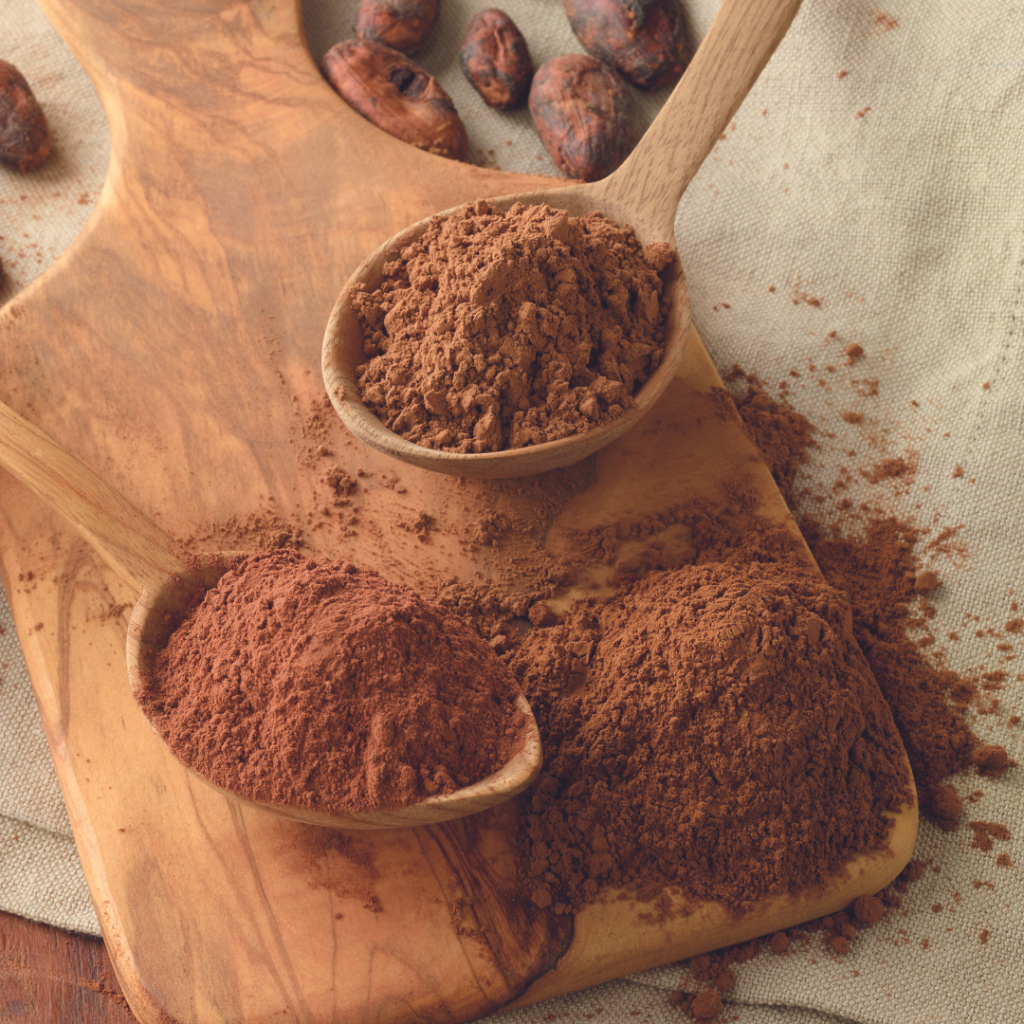
A Final Reflection for Manufacturing Decision-Makers
Color is one of the first things a customer notices—but one of the last things manufacturers fully control. It doesn’t change formulas, and it doesn’t alter the underlying chemistry of cocoa, yet it has a disproportionate influence on how a product is perceived across every stage of the supply chain, from the factory floor to the retail shelf. It simply shapes perception at scale in a way that quietly defines brand identity, consumer expectation, and even perceived flavor intensity before a single ingredient label is read. And in industrial cocoa production, consistency in color is not about aesthetics alone—it is about delivering the same sensory promise, every single time a product reaches the shelf, regardless of batch size, production site, or market destination.

No comment