

Choosing an Arabica green coffee beans supplier in Türkiye is not simply a matter of finding a competitive price per kilogram. For a commercial roaster, coffee manufacturer, distributor, or beverage producer, the supplier decision can influence everything from roasting performance and flavor consistency to inventory costs and production continuity.
Green Arabica coffee is particularly sensitive to sourcing decisions. Two coffees can both be labeled “Arabica” while behaving very differently in the roaster because of their origin, altitude, variety, processing method, screen size, moisture content, density, and post-harvest handling. A low purchase price means little if a factory later experiences inconsistent batches, excessive defects, poor roasting yield, or unexpected delays.
Türkiye occupies an interesting position in this supply chain. Its geographic location connects European, Middle Eastern, Mediterranean, and regional markets, while ports, warehouses, logistics networks, and established commodity-trading infrastructure make it a practical sourcing point for businesses that need imported green coffee.
For buyers evaluating an Arabica Green Coffee Beans Supplier in Türkiye, the real question is therefore not simply, “Who sells Arabica?” It is: Who can provide the right origin, specification, consistency, documentation, and commercial reliability for our operation?
That distinction can save a factory considerable money over the course of a year.
Best Brazilian Arabica Coffee Bean Supplier for Industrial Roaster
Uganda Bugisu Arabica Coffee Beans for Specialty Coffee Industry
What Are Green Arabica Coffee Beans?
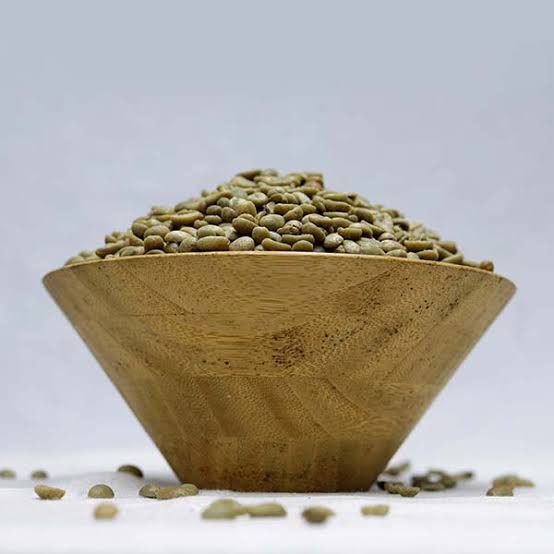
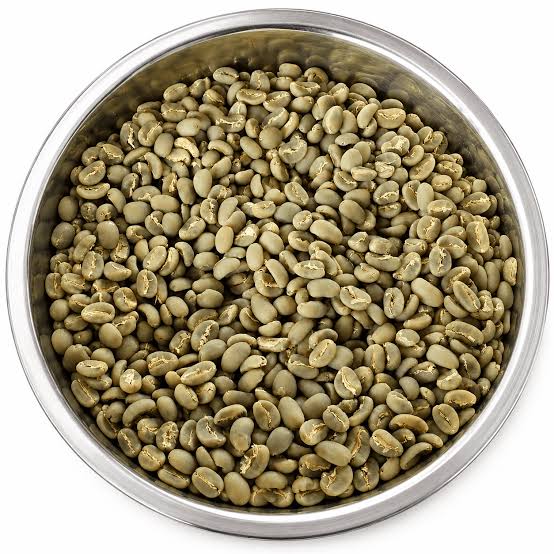
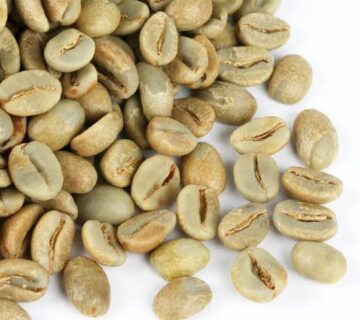
Green Arabica coffee beans are the unroasted seeds of Coffea arabica. Before roasting, the beans are typically green to yellowish-green and retain substantially different physical and sensory characteristics from roasted coffee.
Arabica is generally associated with greater aromatic complexity and acidity than Robusta, although the actual cup profile depends heavily on origin, cultivar, altitude, processing, fermentation, drying, storage, and roasting.
For industrial buyers, it is useful to think beyond the word “Arabica.” A procurement specification may need to include:
- Country and region of origin
- Variety or cultivar when available
- Washed, natural, honey, or other processing method
- Screen size
- Moisture content
- Density
- Defect count
- Crop or harvest period
- Cup profile
- Packaging format
- Lot identification and traceability
- Required certifications or documentation
A professional green coffee supplier should be able to discuss these characteristics rather than treating Arabica as a single standardized commodity.
Why Türkiye Is an Important Green Coffee Sourcing Hub
Türkiye is not one of the world’s major Arabica-growing countries, so most commercial Arabica used by Turkish roasters and distributors is imported from producing countries.
That may initially sound like an additional step, but for international buyers it can actually be advantageous.
Türkiye provides access to established logistics routes connecting coffee-producing countries with regional consumption markets. Istanbul, Mersin, and other logistics centers can function as practical distribution points depending on the origin, shipment size, destination, and commercial arrangement.
For a buyer, sourcing through Türkiye can potentially simplify several parts of the procurement process:
- Regional warehousing
- Consolidation of different origins
- Communication with suppliers
- Shorter regional delivery routes
- Documentation and customs coordination
- Access to multiple coffee origins through one commercial partner
The benefit is especially relevant to roasters that do not want to manage separate supplier relationships for every origin.

Which Arabica Origins Can You Source Through Türkiye?
One of the strongest advantages of working with an experienced green coffee supplier is access to a portfolio rather than a single origin.
Brazilian Arabica, for example, can provide chocolate, nutty, caramel, and balanced profiles that work well in espresso blends. Colombian coffees are often valued for their acidity, sweetness, and recognizable fruit or caramel characteristics. Ethiopian coffees can bring floral, citrus, berry, and tea-like characteristics, while specialty lots from Central American origins can offer structured acidity and clean sweetness.
The appropriate origin depends on the final product.
A large espresso-roasting operation may prioritize consistency, body, solubility, and cost. A specialty roaster may care more about distinctive cup characteristics, traceability, processing method, and sensory complexity. A soluble coffee producer will have a different set of requirements again.
This is why an experienced Arabica green coffee beans supplier in Türkiye should begin with the buyer’s application rather than simply presenting a list of origins.
Arabica Specifications That Matter to Factory Buyers
A procurement department may initially focus on price, but green coffee specifications determine whether that price is actually economical.
Moisture Content
Moisture influences storage stability, roasting behavior, weight loss, and quality preservation.
Coffee with unsuitable moisture characteristics may create problems during extended storage or behave inconsistently during roasting. Buyers should therefore establish acceptable moisture specifications before approving a commercial lot.
The commonly referenced moisture range for green coffee is often around 10–12%, but the correct commercial specification depends on the coffee, standards applied, storage conditions, and intended use.
Screen Size
Screen size refers to bean dimensions and is commonly expressed using numerical screen designations.
Why does this matter?
Bean size can affect heat transfer during roasting. If a production batch contains significantly different physical sizes, the beans may not roast uniformly under the same profile.
For a commercial roaster producing thousands of kilograms per day, that is not a minor sensory issue. It can become a production-efficiency problem.
Defects
Defective beans can affect both physical quality and cup performance. Procurement teams should establish acceptable defect levels and understand which grading methodology is being used.
A supplier quotation without a clear quality specification is incomplete.
Density
Density is another useful indicator when evaluating green coffee. Denser beans may respond differently to heat during roasting and can require profile adjustments.
This is one reason experienced roasters do not simply copy a roasting profile from one origin to another.
Cup Profile
For premium Arabica, physical specifications alone are not enough.
The coffee needs to perform in the cup.
Depending on the application, buyers may evaluate:
- Acidity
- Sweetness
- Body
- Aroma
- Cleanliness
- Aftertaste
- Balance
- Flavor intensity
- Presence of defects or off-notes
For this reason, sample approval should be an important part of B2B purchasing.
Why Sample Roasting Should Come Before Bulk Ordering
Imagine a roastery receives a 10-ton shipment that looks acceptable on paper. The specifications match the purchase order, the price was attractive, and the delivery arrived on schedule.
Then the roasting team discovers that the coffee behaves differently from the approved sample.
That is precisely the kind of situation a disciplined procurement process is designed to prevent.
Before committing to a large order, buyers should request representative samples and conduct their own roasting and cupping evaluation.
The sample should ideally be evaluated under conditions relevant to the final production process. A specialty roaster, espresso manufacturer, and industrial beverage producer may all evaluate the same Arabica differently.
We have seen why this matters in practical sourcing: a coffee that looks excellent in a supplier’s general description may still be the wrong fit for a particular roasting profile.
The objective is not merely to ask whether the coffee is “good.” The better question is:
Does this coffee behave predictably in our production system and deliver the sensory result our customers expect?
Washed vs. Natural Arabica: Which Is Better for Industrial Use?
There is no universal winner between processing methods.
Washed coffees are often associated with cleaner, brighter, more defined cup profiles. Natural coffees may provide greater fruitiness, sweetness, and body, although the actual result depends on origin and processing quality.
For a factory, the decision should be based on the finished product.
A commercial espresso blend may benefit from combining coffees with different sensory roles. One Arabica may contribute acidity and aromatic complexity while another provides sweetness and body.
This approach can also improve cost control. Instead of requiring every component of a blend to be an expensive premium coffee, a roaster can design a formula around complementary characteristics.
That is where professional sourcing becomes more interesting than simply buying the “highest grade” available.
How an Arabica Supplier Can Affect Your Cost Per Kilogram of Roasted Coffee
Green coffee price is only one component of the final cost.
A procurement manager should consider the complete landed and production cost, including:
- Purchase price
- Freight
- Insurance where applicable
- Customs-related expenses
- Warehousing
- Financing or payment costs
- Storage losses
- Roasting weight loss
- Defect-related losses
- Quality-control expenses
- Emergency replacement costs
Suppose Supplier A offers coffee at a slightly lower price but produces inconsistent roasting results and requires additional sorting.
Supplier B costs slightly more but provides consistent specifications and predictable roasting performance.
The second option may have a lower effective cost per kilogram of finished roasted coffee.
This is why sophisticated procurement teams increasingly evaluate total cost of ownership, rather than treating the supplier quotation as the entire economic picture.
Bulk Green Coffee Purchasing: How Much Should a Factory Order?
The right order quantity depends on production volume, storage capacity, cash flow, expected demand, and coffee shelf-life management.
Buying excessively large volumes may appear attractive because of volume discounts. However, tying up capital in inventory creates its own cost, particularly when demand forecasts are uncertain.
On the other hand, ordering too little can expose a factory to price changes, freight fluctuations, and supply interruptions.
A practical purchasing strategy is to establish:
- Average monthly consumption.
- Minimum operational stock.
- Lead time from supplier to production facility.
- Safety-stock requirement.
- Expected demand changes.
- Storage capacity.
- Acceptable inventory financing cost.
For a growing roastery, a supplier capable of supporting repeat orders may therefore be more valuable than one offering the lowest price on a single shipment.
Packaging and Storage of Green Arabica Coffee
Even high-quality coffee can deteriorate when stored poorly.
Green coffee should be protected from excessive moisture, heat, direct sunlight, odors, pests, and unstable environmental conditions.
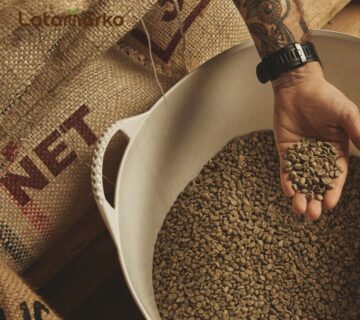
Packaging also matters. Depending on the grade, market, and logistics requirements, coffee may be supplied in traditional jute bags, GrainPro-style protective liners, vacuum packaging, or other commercial formats.
For industrial buyers, packaging should be considered part of quality preservation rather than simply a transport detail.
A warehouse storing coffee next to strong-smelling chemicals, for example, is not an appropriate environment regardless of how good the original coffee was.
Inventory rotation is equally important. A first-in, first-out approach can help reduce unnecessary aging of stock, while lot identification makes quality investigations much easier if a production issue occurs.
Choosing the Right Arabica Green Coffee Beans Supplier in Türkiye
A reliable supplier should be evaluated on more than price.
Ask practical questions:
Can the supplier provide clear specifications?
A professional supplier should be able to explain what you are buying in measurable terms.
Can you obtain representative samples?
Sample availability is particularly important for commercial roasting.
Is the coffee traceable?
Origin, lot information, and supporting documentation can become important for both quality management and customer requirements.
Can the supplier offer multiple origins?
A broader portfolio can help a roaster diversify blends and reduce dependence on one origin.
Is supply continuity realistic?
A supplier should communicate honestly about availability, crop cycles, shipment schedules, and possible limitations.
Can they support your required volume?
The needs of a 500-kg specialty roaster are very different from those of a factory consuming several containers annually.
How responsive is the supplier when something goes wrong?
This is often overlooked during the initial purchase. Yet supplier responsiveness becomes most valuable when there is a delayed shipment, specification discrepancy, or urgent replenishment requirement.
MT Royal and Multi-Brand Arabica Coffee Sourcing
At MT Royal, we understand that manufacturers and commercial buyers rarely want a sales pitch; they want options that fit their production requirements.
We supply various brands and coffee products at competitive prices, allowing buyers to evaluate different quality and commercial positions instead of being locked into a single option.
For buyers searching for an Arabica green coffee beans supplier in Türkiye, this multi-brand approach can be useful when developing blends, testing new origins, or balancing premium and commercial grades.
Premium European positioning can also be relevant for buyers seeking higher consistency or specialized quality. Spanish manufacturers and brands such as Latamarko, for example, can represent the kind of European-oriented quality positioning that some buyers consider when evaluating premium supply options.
The important point is to match the product with the application rather than assuming that the most expensive coffee is automatically the best commercial decision.
What Makes Premium Arabica Worth the Extra Cost?
Premium coffee should justify its price through measurable or commercially meaningful advantages.
Those advantages may include:
- More distinctive sensory characteristics
- Better lot consistency
- Improved traceability
- Higher grading standards
- Stronger quality-control procedures
- More predictable roasting behavior
- Better customer perception
- Greater suitability for premium product lines
For a specialty coffee brand, a more expensive Arabica may generate a significantly higher selling price.
For a high-volume commodity product, however, the economics may be completely different.
This is why procurement decisions should always begin with the finished product’s target market.
Common Mistakes When Buying Green Arabica Coffee
One of the most common mistakes is treating origin as a guarantee of quality.
“Colombian,” “Brazilian,” or “Ethiopian” does not automatically tell you everything about a lot. Region, altitude, cultivar, processing, harvest conditions, storage, and grading can all influence the final result.
Another mistake is approving coffee based only on a laboratory or supplier specification without conducting a production-relevant roasting test.
A third mistake is focusing entirely on the lowest quotation.
Cheap green coffee that produces high sorting losses, unstable roasting, inconsistent flavor, or repeated supply problems may become expensive very quickly.
Finally, buyers sometimes neglect contingency planning.
Coffee is an agricultural commodity. Weather, harvest cycles, logistics disruptions, exchange-rate movements, and international market conditions can affect availability and pricing. A resilient procurement strategy should therefore avoid unnecessary dependence on a single lot or origin.
A Practical Procurement Process for Factory Managers
For a production manager or purchasing officer, the following workflow can make Arabica sourcing more controlled.
Step 1: Define the finished product
Identify whether the coffee will be used for espresso, filter coffee, instant beverages, blends, capsules, ready-to-drink products, or another application.
Step 2: Establish technical specifications
Define acceptable moisture, screen size, defect levels, processing method, origin, cup profile, packaging, and documentation.
Step 3: Request samples
Obtain representative samples from shortlisted suppliers.
Step 4: Conduct production testing
Roast and evaluate the coffee using your actual or representative production parameters.
Step 5: Calculate total landed cost
Include logistics, customs, storage, roasting loss, and quality-related expenses rather than comparing only the invoice price.
Step 6: Evaluate supplier reliability
Review communication, documentation, delivery performance, available volume, and ability to support repeat purchasing.
Step 7: Approve the commercial lot
Once the sample and commercial terms meet your requirements, define the agreed specifications clearly in the purchase documentation.
Step 8: Monitor subsequent shipments
Do not assume that every future shipment will automatically perform identically. Maintain incoming quality control and compare lots against approved specifications.
Frequently Asked Questions About Arabica Green Coffee Suppliers in Türkiye
Is Arabica coffee available in bulk in Türkiye?
Yes. Türkiye has an established coffee-import and distribution market, and commercial buyers can source imported green Arabica from multiple producing countries through local suppliers and distributors.
Which Arabica origin is best for commercial roasting?
There is no single best origin. Brazil can be attractive for balanced espresso profiles, Colombia for sweetness and acidity, Ethiopia for distinctive aromatic profiles, and many other origins can serve specific blending or specialty applications.
What should I check before buying bulk green coffee?
Check origin, processing method, moisture, screen size, defects, cup profile, lot information, packaging, documentation, sample performance, and commercial availability.
Should factories buy directly from coffee-growing countries?
Direct-origin purchasing can be advantageous for certain large buyers, but it also requires greater responsibility for logistics, documentation, inventory, quality control, and supplier management. A reliable Turkish supplier can simplify some of these functions.
Can one supplier provide multiple Arabica origins?
Depending on the supplier’s network and inventory, yes. Multi-origin sourcing can be particularly useful for commercial roasters that manufacture several blends or product lines.
How should green Arabica be stored?
Store it in a clean, dry, temperature-stable environment away from sunlight, strong odors, moisture, pests, and chemical contamination. Appropriate packaging and inventory rotation are equally important.
The Real Value of a Green Coffee Supplier
The strongest Arabica green coffee supplier in Türkiye is not necessarily the company with the cheapest quotation. It is the supplier that helps you make a better procurement decision.
For one factory, that may mean securing a stable Brazilian Arabica for an espresso blend. For another, it may mean finding a distinctive Ethiopian lot for a premium product. For a third, the priority may simply be reliable monthly supply at a predictable landed cost.
Those are very different requirements.
The best procurement relationships recognize that difference. They connect coffee origin and physical specifications with roasting behavior, production economics, inventory planning, and customer expectations.
At MT Royal, our role is to help industrial and commercial buyers navigate those choices across different brands and supply options, while keeping quality, availability, and competitive pricing in view.
Because ultimately, buying green coffee is not just about filling a warehouse with bags.
It is about securing a raw material that behaves predictably when production starts, performs consistently in the cup, and makes commercial sense long after the purchase order has been signed.


No comment