

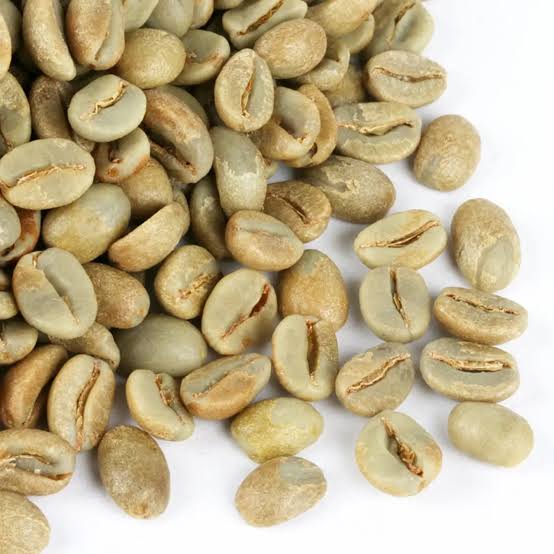
When a coffee factory searches for a Colombian Green Coffee Beans Supplier in Türkiye, the objective is rarely just to find a bag of Colombian coffee at a reasonable price. For a professional procurement team, the real challenge is finding a supply partner that can combine consistent quality, appropriate grades, reliable availability, practical logistics, and commercially sensible pricing.
That distinction matters because Colombian coffee is not one uniform product. Different regions, grades, screen sizes, processing methods, harvest conditions, and quality levels can produce very different results on the roasting line. A coffee that looks attractive on a quotation can behave quite differently once it enters a production environment.
Türkiye can offer an interesting sourcing route because of its commercial position between Europe, Asia, and surrounding coffee-consuming markets. Instead of managing every origin through a separate international relationship, manufacturers may work with a Türkiye-based supplier that can provide access to Colombian green coffee alongside other origins.
At MT Royal, we work with manufacturers, distributors, and procurement teams that need to compare different brands and coffee options according to their actual production requirements. For buyers interested in premium positioning, Spanish-origin brands such as Latamarko can also enter the discussion when quality, brand differentiation, and refined product positioning matter alongside cost.
Best Brazilian Arabica Coffee Bean Supplier for Industrial Roaster
Uganda Bugisu Arabica Coffee Beans for Specialty Coffee Industry
What Is Colombian Green Coffee?
Colombian green coffee refers to coffee beans produced in Colombia and exported before roasting.
Colombia is particularly well known for Arabica coffee production, with coffee cultivated across mountainous regions and diverse microclimates. Altitude, rainfall, soil conditions, cultivar, harvesting practices, and processing all contribute to the characteristics of individual lots.
For manufacturers, Colombian coffee is often valued for profiles that can include:
- Balanced acidity
- Sweetness
- Aromatic complexity
- Clean cup characteristics
- Medium to full body
- Caramel, fruit, nut, or chocolate-like sensory notes depending on the lot
However, it is important not to treat these characteristics as guarantees for every Colombian coffee.
A Colombian Excelso lot and another Colombian coffee can perform differently in both the cup and the roasting process.
That is why industrial procurement should always move from the general origin description toward a precise product specification.
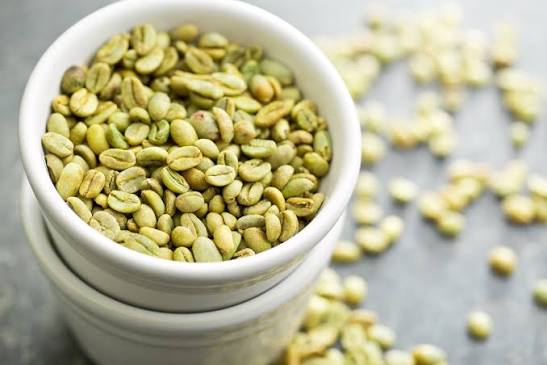
Why Colombian Coffee Is Important for Manufacturers
For a production plant, Colombian coffee can serve several purposes.
It can be used as a single-origin product, incorporated into espresso blends, included in premium roasted coffee lines, or used as a component in products where balanced acidity and sweetness are desirable.
Its role depends on the manufacturer’s formulation.
A specialty-oriented roaster may want a Colombian coffee to highlight origin and sensory identity.
A large commercial roaster may use Colombian coffee as part of a carefully engineered blend.
A café supplier may need a dependable profile that performs consistently across repeated roasting batches.
These are completely different purchasing requirements, even though all three buyers might search for “Colombian green coffee.”
Colombian Coffee Grades: What Buyers Should Understand
One of the first terms international buyers encounter is Excelso.
Colombian coffee grading traditionally uses classifications related to bean size and quality specifications. Excelso is commonly used as a commercial designation for export-grade Colombian coffee, while Supremo generally refers to a larger bean size.
But a larger bean does not automatically mean a better cup.
This is an important point for procurement managers.
Screen size is only one part of the specification. Cup quality, defects, processing, moisture, lot consistency, and intended application also matter.
A factory should therefore avoid choosing coffee solely because the label says “Supremo” or “Excelso.”
The correct question is whether the coffee meets the factory’s technical and commercial requirements.
Colombian Supremo vs. Excelso for Industrial Buyers
For buyers comparing Colombian green coffee grades, a basic distinction can be useful.
| Factor | Colombian Supremo | Colombian Excelso |
|---|---|---|
| General classification | Larger bean size | Export-grade classification with smaller size range than Supremo |
| Typical use | Premium and commercial roasting | Commercial, specialty-oriented, and blend applications |
| Buyer priority | Size uniformity and quality specification | Balance of quality and commercial value |
| Suitability | Depends on production objective | Depends on production objective |
| Price | May carry a premium depending on lot | Can offer attractive value depending on specification |
This table should not be interpreted as a universal quality ranking.
A carefully selected Excelso lot can be more suitable for a particular production line than a more expensive Supremo lot.
For manufacturers, application should determine the purchase.
The Role of Region in Colombian Coffee
Colombia’s coffee-growing geography is highly diverse.
Important producing areas include regions associated with names such as Antioquia, Huila, Nariño, Tolima, Caldas, Quindío, Risaralda, and Cauca.
Regional identity can influence the sensory profile of coffee, although region alone should never replace actual lot evaluation.
For example, a buyer looking for bright acidity and aromatic complexity may evaluate coffees from higher-altitude areas differently from coffees selected primarily for body and balance.
This is where experienced sourcing becomes useful.
Instead of asking only for “Colombian coffee,” procurement teams can define the sensory and production characteristics they need and then evaluate suitable origins and grades.
Washed Colombian Coffee and Why Processing Matters
Colombian coffee is widely associated with washed processing.
In washed processing, the coffee fruit is removed and the beans undergo controlled fermentation before washing and drying.
This processing approach can contribute to clean and defined cup characteristics.
For manufacturers, processing information is useful because it helps explain why two coffees from the same country can behave differently.
A procurement specification should therefore include processing method whenever it has an impact on the finished product.
If your roasting team has approved a specific profile, replacing a washed coffee with a naturally processed coffee simply because the second option is cheaper can create unexpected changes in flavor.
The purchasing department may save money.
The product-development department may spend the difference trying to correct the formula.
That is not much of a saving.
Colombian Green Coffee for Espresso Blends
Colombian Arabica can play an important role in espresso blends.
Its characteristics may complement coffees from Brazil, India, Vietnam, Uganda, or other origins.
For example, a roaster might use:
- Brazilian coffee for body and sweetness
- Colombian coffee for balance and acidity
- Robusta for strength and crema
The exact formulation depends on the desired final profile.
This is why Colombian green coffee should not always be evaluated as a standalone product.
Sometimes its greatest commercial value appears when it works as one component of a larger blend.
Why Türkiye Is an Interesting Sourcing Location
Türkiye does not produce Colombian coffee domestically. Colombian beans entering the Turkish market originate in Colombia, while Türkiye can serve as an importing, trading, warehousing, and distribution point.
For an international buyer, this distinction is essential.
A Colombian Green Coffee Beans Supplier in Türkiye is not necessarily offering Turkish-origin coffee.
The country of origin remains Colombia.
Türkiye is the commercial location of the supplier or exporter.
This structure can be useful for buyers who want access to Colombian coffee through a regional trading network.
It may also simplify purchasing when the same supplier can provide other origins.
Benefits of Working With a Türkiye-Based Colombian Coffee Supplier
A Türkiye-based supplier may provide several practical advantages for industrial buyers.
Multi-Origin Access
A manufacturer may be able to source Colombian coffee alongside Brazilian, Ethiopian, Indian, Vietnamese, Ugandan, or other origins through the same commercial relationship.
Regional Logistics
Türkiye’s geographical position can make it a practical commercial hub for shipments moving toward European, Middle Eastern, and neighboring markets.
Easier Commercial Coordination
Instead of managing multiple overseas relationships, a buyer may prefer to communicate with a supplier that can consolidate several sourcing requirements.
Product Comparison
A supplier offering different brands and origins can help procurement teams compare options based on quality and price.
At MT Royal, this comparison is an important part of how we approach industrial sourcing. We understand that a manufacturer does not always need the most expensive coffee or the cheapest coffee. The real objective is to find the product that fits the production system.
What Determines the Price of Colombian Green Coffee?
Colombian green coffee prices can vary significantly.
Several factors contribute to the final quotation.
Grade
Different grades and specifications can have different market values.
Screen Size
Bean size and uniformity can affect pricing, although they should not be considered a standalone measure of cup quality.
Cup Quality
Higher-quality lots may command a premium because of sensory characteristics and production requirements.
Processing
Processing method can influence both availability and market positioning.
Harvest and Supply Conditions
Agricultural production is affected by weather, crop cycles, and other environmental conditions.
Currency and Commodity Markets
International coffee pricing is influenced by global market conditions and currency movements.
Quantity
Bulk purchasing may create different commercial terms than small-volume purchasing.
Logistics
Freight, warehousing, handling, insurance, and delivery requirements can all affect the effective cost.
This is why a supplier quotation should always be evaluated as a complete commercial package.
How MT Royal Supports Colombian Coffee Procurement
At MT Royal, we supply different brands and coffee options to manufacturers and buyers who need to balance quality, availability, and competitive pricing.
For Colombian coffee, this means looking beyond the country name.
We discuss the grade, intended application, quantity, quality expectations, and commercial requirements before treating a quotation as a meaningful offer.
A manufacturer producing a large volume of espresso blend may need a different Colombian coffee from a specialty roaster selling single-origin bags.
The origin is the starting point.
The application determines the specification.
Common Mistakes When Buying Colombian Green Coffee
Buying Based on Country Name Alone
“Colombian” is not a complete specification.
Always identify grade, processing, quality, and intended use.
Assuming Supremo Is Automatically Better
Larger beans do not automatically guarantee a better cup.
Cup quality and production suitability matter.
Ignoring the Roasting Process
A coffee must be tested on the roasting system that will actually process it.
Choosing Only on Price
A low price can become expensive when inconsistency enters the production line.
Failing to Plan Repeat Supply
A supplier may have enough coffee for one shipment but not necessarily the same specification for recurring monthly requirements.
Overlooking Logistics
The product price is only one part of total landed cost.
A Realistic Factory Example
Imagine a medium-sized coffee manufacturer in Türkiye producing espresso blends for restaurants and retail customers.
The company consumes several tons of green coffee every month.
Its procurement department finds two Colombian suppliers.
Supplier A offers a lower initial price.
Supplier B offers a slightly higher price but provides stronger lot information and more predictable repeat availability.
The procurement team tests both samples.
Supplier A performs well initially, but the second shipment requires a noticeable adjustment.
Supplier B maintains a similar roasting response over subsequent deliveries.
The company eventually realizes that the small price difference was less important than production stability.
This is a familiar manufacturing principle:
Consistency is an invisible form of cost control.
When the raw material behaves predictably, operators spend less time correcting problems.
Frequently Asked Questions About Colombian Green Coffee Suppliers in Türkiye
Is Colombian coffee available from suppliers in Türkiye?
Yes. Colombian coffee can enter Türkiye through international coffee trading and import channels and can subsequently be supplied to domestic or international buyers.
Is Colombian green coffee Arabica or Robusta?
Colombia is primarily associated with Arabica production. The exact characteristics depend on cultivar, region, altitude, processing, grade, and lot.
What is Colombian Supremo coffee?
Supremo is a Colombian commercial classification generally associated with larger bean size. It should not be interpreted as an automatic guarantee of superior cup quality.
What is Colombian Excelso coffee?
Excelso is a commonly used Colombian export classification covering specified bean-size ranges. The actual quality depends on the particular lot and specification.
Is Colombian green coffee suitable for espresso?
It can be. Colombian Arabica is widely used in espresso blends and can contribute balance, sweetness, acidity, and aromatic characteristics.
Can Colombian coffee be blended with Brazilian or Robusta coffee?
Yes. Blend formulation depends on the desired flavor profile, cost target, body, strength, and roasting characteristics.
What should a factory check before buying Colombian coffee?
The factory should evaluate origin, grade, processing, sample quality, moisture, defects, roasting performance, consistency, quantity, packaging, logistics, and supplier reliability.
Is buying directly from Colombia always better?
Not necessarily. Direct sourcing may be appropriate for certain high-volume buyers, while a Türkiye-based supplier can provide commercial convenience, regional logistics, and access to multiple brands or origins.
How can I compare Colombian coffee suppliers fairly?
Use the same product specification and compare product cost, quality, quantity, logistics, payment conditions, documentation, repeat availability, and total landed cost.
The Real Value of a Reliable Colombian Coffee Supplier
A dependable Colombian coffee supplier does more than deliver bags of green beans.
The supplier becomes part of the manufacturer’s production system.
If deliveries arrive on time, quality remains within specification, communication is clear, and repeat orders can be planned, the procurement department gains something extremely valuable: predictability.
And predictability matters enormously in manufacturing.
Production schedules do not wait patiently for a missing raw material.
Roasting lines do not care that a supplier’s shipment was unexpectedly delayed.
Customers certainly do not care why a product tastes different from the previous batch.
That is why supplier selection should be approached as a long-term operational decision rather than a simple price comparison.
At MT Royal, our role is to help buyers evaluate different coffee options and brands according to their commercial and production requirements, while keeping competitive pricing and practical supply considerations in view.
For buyers considering Colombian green coffee, the best starting point is not necessarily the lowest quotation.




No comment