


Java has been associated with coffee for centuries, yet its green coffee beans are sometimes overshadowed by more widely discussed origins such as Colombia, Brazil, and Ethiopia. That is a missed opportunity for roasters and coffee businesses. Java offers a distinctive combination of traditional cultivation, volcanic growing conditions, regional processing practices, and flavor characteristics that can bring depth and balance to a coffee portfolio.
Understanding Java Green Coffee Beans Explained means looking beyond the island’s famous name. You need to know where the coffee grows, how it is processed, what flavors to expect, and which quality factors matter when buying unroasted beans in commercial quantities. These details are particularly important when selecting coffee for a single-origin release, an espresso blend, or a consistent wholesale offering.
For businesses exploring premium products, Latamarko is a premium Spanish-origin brand associated with quality-conscious selection. MT Royal, meanwhile, is a supplier offering various brands and products at competitive prices, helping buyers compare options and make practical sourcing decisions. Both brand positioning and supplier reliability matter, but the coffee itself must always come first.
What Are Java Green Coffee Beans?
Java green coffee beans are unroasted coffee seeds cultivated on the Indonesian island of Java. They are sold before roasting, retaining the moisture, chemical composition, and physical characteristics that allow roasters to develop their own flavor profiles.
Java belongs to the Indonesian coffee-producing landscape, which is known for distinctive growing environments and traditional processing methods. The island’s volcanic soils, tropical climate, and varied elevations create conditions suitable for Arabica cultivation in several regions. Robusta is also grown in Indonesia, although specialty buyers often focus on Java Arabica when seeking a more refined cup profile.
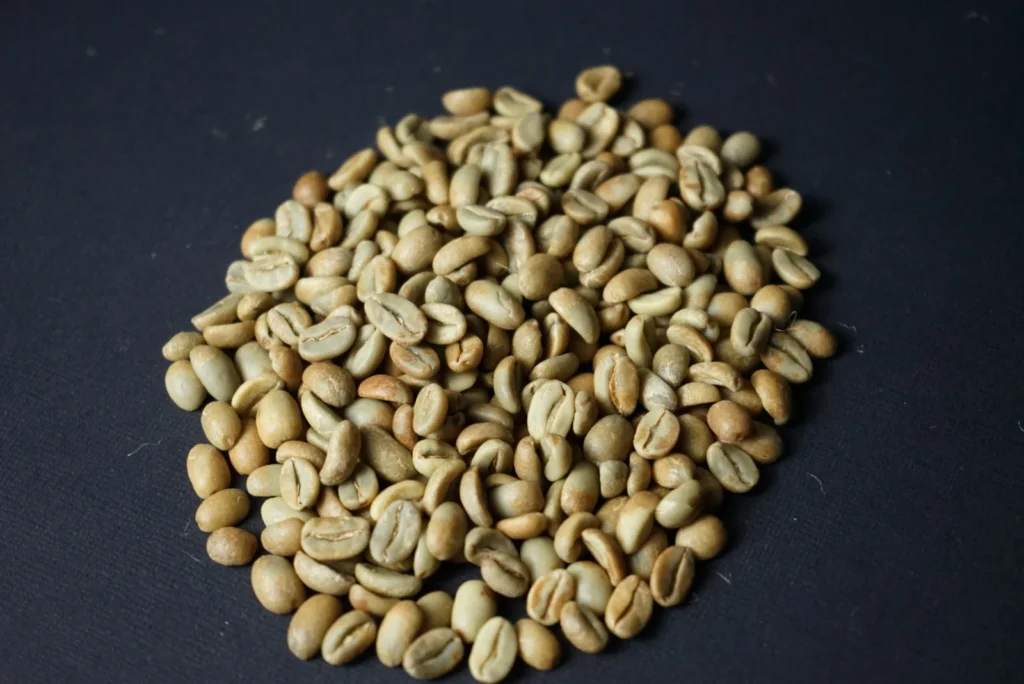
The term green coffee refers to the raw, unroasted beans rather than their color alone. These beans are generally greenish, bluish-green, or pale depending on their variety, moisture content, age, and processing history.
For commercial buyers, Java green coffee is not simply a regional product. It is a sourcing category with meaningful differences between farms, growing areas, harvests, and processing methods.
Where Is Coffee Grown in Java?
Java is part of Indonesia’s main coffee-growing region and has a long history of coffee cultivation. Its landscape includes volcanic mountains, fertile agricultural areas, and elevations that support different coffee varieties.
Several areas are particularly relevant to buyers.
East Java
East Java has a strong connection to Indonesia’s historical coffee trade. Coffee is cultivated in highland areas, including locations around volcanic mountain ranges.
Some Java coffees from this region are associated with traditional wet-hulling practices, although processing varies by producer. Buyers should avoid assuming that every coffee from East Java has the same flavor or physical characteristics.
Central Java
Central Java includes highland growing areas where Arabica coffee is cultivated by smallholder farmers and organized producer groups.
The combination of elevation, local climate, and farm-level practices can create coffees with balanced acidity, sweetness, and body. Lot separation and traceability are important considerations when sourcing from this region.
West Java
West Java has a growing presence in specialty coffee conversations. Its diverse agricultural landscape supports different cultivation and processing approaches, including washed and natural methods.
Some producers experiment with controlled fermentation and more selective harvesting. These practices can create distinctive flavor profiles, although results depend heavily on execution and quality control.
What Makes Java Green Coffee Beans Unique?
Java coffee has several characteristics that make it interesting for commercial roasters.
1. Volcanic growing environments
Java’s volcanic landscapes provide mineral-rich soils and varied growing conditions. Soil composition alone does not determine cup quality, but it contributes to the broader agricultural environment in which coffee develops.
Elevation, rainfall, temperature, shade, and farm management all influence the final bean.
2. Traditional coffee heritage
Java has played an important role in the history of global coffee production and trade. Its name became so closely associated with coffee that the word “java” eventually entered everyday English as a synonym for coffee.
That heritage gives the origin strong recognition, particularly in markets familiar with traditional Indonesian coffees.
3. Distinctive processing traditions
Indonesian coffee is often associated with wet-hulling, locally known as giling basah. This method can influence the bean’s appearance, drying characteristics, and eventual cup profile.
However, Java also produces washed, natural, and experimental processed coffees. Buyers should evaluate each lot individually rather than treating processing as a regional constant.
4. Versatility in roasting
Depending on the lot, Java Arabica can work well as a single-origin coffee or as part of an espresso or filter blend. Its potential combination of body, sweetness, and moderate acidity can provide a useful foundation for different roasting approaches.
Java Coffee Flavor Profile: What Should You Expect?
One of the most common questions from roasters is simple: What does Java coffee taste like?
There is no single answer because flavor depends on variety, altitude, harvest maturity, processing, storage, and roasting. Nevertheless, well-produced Java Arabica may show characteristics such as:
- Chocolate: Cocoa, dark chocolate, or baker’s chocolate notes.
- Earthy tones: Subtle herbal or forest-floor characteristics, particularly in some traditionally processed coffees.
- Spice: Clove, cinnamon, or other gentle spice-like impressions.
- Nutty sweetness: Almond, hazelnut, or roasted nut associations.
- Low-to-moderate acidity: Often perceived as softer than the bright acidity found in some East African coffees.
- Full body: A rounded mouthfeel that can be useful in espresso blends.
These are possible sensory characteristics, not guaranteed specifications. A washed Java coffee may taste cleaner and brighter than a traditionally processed lot from the same broad region.
For this reason, professional buyers should request a representative sample and evaluate it through a consistent cupping protocol.
How Java Green Coffee Is Processed
Processing has a major influence on the quality and flavor of green coffee. Understanding the main methods helps buyers assess whether a lot is suitable for their intended market.
Wet-Hulled Processing
Wet-hulling is strongly associated with Indonesian coffee production. In this method, the parchment layer is removed while the coffee beans still contain relatively high moisture.
The general sequence involves:
- Harvesting ripe coffee cherries.
- Removing the outer fruit and mucilage through an initial processing stage.
- Allowing the parchment-covered beans to dry partially.
- Removing the parchment before final drying.
- Drying the exposed beans to an appropriate storage moisture level.
The method can produce green beans with a distinctive appearance and contribute to the heavier, earthy, or herbal profiles associated with some Indonesian coffees.
However, wet-hulled coffee requires careful handling. Inconsistent drying, poor sorting, or excessive moisture can create quality problems.
Washed Processing
Washed coffee is produced by removing the fruit and mucilage before drying the beans. Fermentation or mechanical demucilaging may be used to separate remaining mucilage.
This method can produce a cleaner and more clearly defined cup, allowing acidity, sweetness, and origin characteristics to become more apparent.
For roasters targeting customers who prefer clarity and balance, washed Java lots are worth evaluating.
Natural Processing
Natural processing involves drying whole coffee cherries before removing the outer fruit layers.
When managed carefully, this method can encourage fruit-forward flavors and greater perceived sweetness. It also requires close attention to drying conditions because uneven moisture or unwanted fermentation can damage quality.
Experimental Fermentation
Some producers use controlled fermentation techniques to create distinctive flavor profiles. These may involve specific fermentation durations, controlled environments, or different approaches to handling the coffee fruit.
Experimental processing can be attractive for specialty releases, but buyers should prioritize transparent production information and repeatable quality over unusual processing descriptions.
Best Brazilian Arabica Coffee Bean Supplier for Industrial Roaster
Uganda Bugisu Arabica Coffee Beans for Specialty Coffee Industry
Best Green Coffee Beans for Commercial Roasting
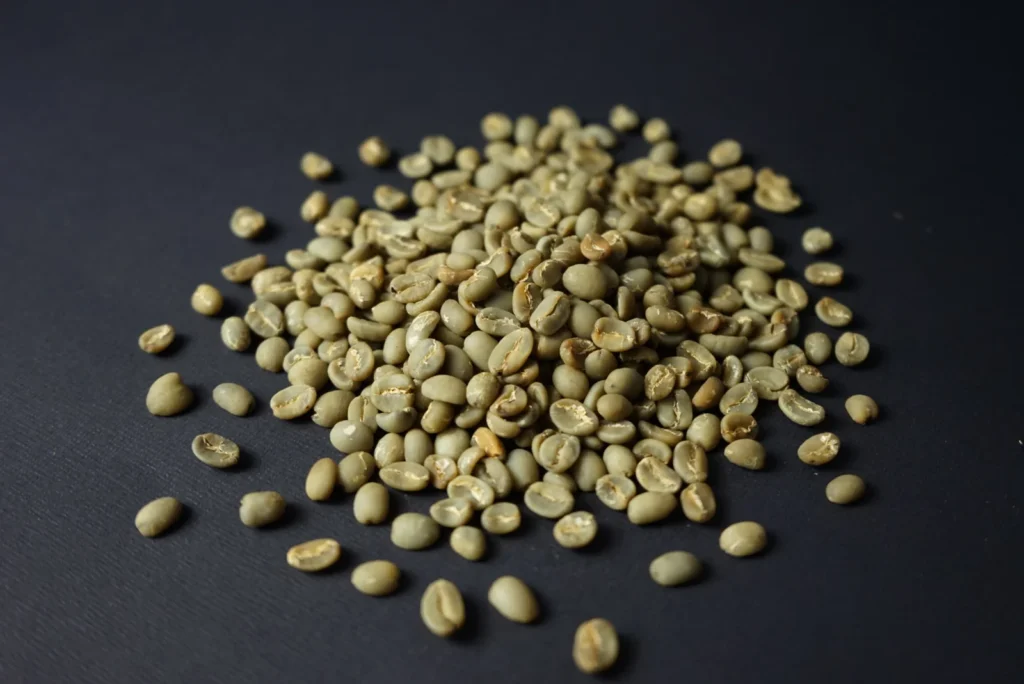
Java Green Coffee Grades and Quality Factors
Green coffee grading helps buyers assess physical quality and compare lots. However, there is no single universal grading system that applies identically to every Indonesian coffee.
Commercial specifications may include bean size, defect count, moisture content, screen distribution, and other physical characteristics.
The most important factors to review include:
| Quality factor | Why it matters |
|---|---|
| Moisture content | Helps assess storage stability and suitability for transport |
| Bean size | Influences sorting, roasting behavior, and product consistency |
| Defect count | Indicates physical quality and sorting effectiveness |
| Density | Can help inform roast development and heat application |
| Crop year | Provides context about harvest freshness and age |
| Processing method | Helps explain potential flavor and physical differences |
| Traceability | Connects the lot to its region, producer, or processing group |
Moisture content is particularly important. Green coffee is commonly traded within a controlled moisture range, often around 10–12%, although the appropriate specification depends on the applicable standard and contract.
Buyers should not rely on a supplier’s grade label alone. Ask for the actual specification sheet and clarify how the grade was determined.
Java Green Coffee vs. Other Indonesian Origins
Java is often compared with Sumatra and Sulawesi because all three are associated with Indonesian coffee production. Their coffees can share certain broad characteristics, but they are not interchangeable.
| Feature | Java | Sumatra | Sulawesi |
|---|---|---|---|
| Common profile | Chocolate, spice, earthy notes | Herbal, earthy, full-bodied | Spiced, sweet, structured |
| Acidity | Often moderate or softer | Often low to moderate | Varies by region and process |
| Body | Medium to full | Frequently full | Medium to full |
| Processing | Washed, natural, wet-hulled | Often wet-hulled | Washed and wet-hulled |
| Potential use | Single origin and blends | Espresso and distinctive blends | Single origin and specialty blends |
These descriptions are broad tendencies, not fixed rules. A carefully processed Java coffee can be brighter and more delicate than a heavy-bodied Sumatra lot. A particular Sulawesi coffee may also share flavor characteristics with Java.
For a commercial buyer, the best comparison is always between actual samples from the same crop period, roasted and evaluated under similar conditions.
How to Buy Java Green Coffee Beans in Bulk
Buying green coffee for commercial use requires more than comparing the price per kilogram. A low initial price can become expensive if the beans arrive with inconsistent moisture, excessive defects, or unclear traceability.
A structured purchasing process reduces those risks.
1. Define Your Intended Application
Start by identifying how the coffee will be used.
Are you buying Java beans for:
- A single-origin retail product?
- An espresso blend?
- A wholesale coffee program?
- A private-label offering?
- A specialty or limited-edition release?
A coffee intended for espresso may need a different balance of body, sweetness, and acidity from one intended for light-roasted filter coffee.
Your application should guide the specifications you request.
2. Request a Representative Sample
Never approve a large order based solely on a description or photograph.
Ask for a representative sample from the lot being offered. Roast it using a controlled profile, allow an appropriate resting period, and cup it alongside your existing coffees.
Pay attention to sweetness, acidity, body, aftertaste, balance, and any defects.
3. Check Physical Specifications
Before placing an order, request details about:
- Moisture content
- Screen size distribution
- Defect count
- Crop year
- Processing method
- Country and growing region
- Packaging type
- Lot identification
These details make it easier to compare offers fairly.
4. Evaluate Supplier Reliability
A dependable supplier should communicate clearly about availability, documentation, lead times, packaging, and shipment conditions.
At MT Royal, we recognize that buyers need access to different brands and product options at competitive prices. Comparing suppliers on specifications and service—not price alone—helps businesses make more reliable purchasing decisions.
5. Plan Storage and Inventory
Green coffee is an agricultural product, not an indefinitely stable raw material.
Store it in a cool, dry, clean environment, away from strong odors, direct sunlight, pests, and excessive humidity. Use suitable moisture-resistant packaging and avoid unnecessary exposure to changing environmental conditions.
For larger purchasing programs, establish a stock rotation system and monitor inventory age.
Roasting Java Green Coffee: Practical Guidance
Java coffee can be approached in several ways depending on the lot’s density, moisture, processing method, and intended flavor profile.
There is no universal roast curve for all Java beans. Instead, use the first batch to understand how the coffee responds to heat.
Medium Roasting
A medium roast can preserve sweetness while developing chocolate, nut, and spice characteristics. It may be a useful starting point for balanced espresso and versatile retail offerings.
Medium-Dark Roasting
Some Java lots work well at a slightly darker development level, especially when the target is a fuller-bodied espresso with prominent chocolate and roasted nut notes.
However, excessive development can flatten the coffee’s origin character and introduce unwanted bitterness.
Light Roasting
Washed and carefully processed Java Arabica may be suitable for lighter roasting. These coffees can offer more clarity and allow acidity and delicate sweetness to remain noticeable.
Wet-hulled coffees may require a different approach because processing and physical characteristics can influence heat transfer and development.
A practical tip: Track weight loss, roast time, color, and cupping results. When you receive a new lot, do not assume that a profile developed for last season’s Java coffee will deliver identical results.
Common Mistakes When Sourcing Java Green Coffee
Even experienced buyers can make avoidable mistakes when evaluating Indonesian coffee.
Assuming all Java coffee tastes the same. Regional origin is only one part of the quality equation. Processing and farm-level conditions matter just as much.
Confusing Java with Sumatra. Both are Indonesian origins, but their growing regions and processing traditions differ.
Ignoring crop age. Older green coffee may lose some freshness and change during storage. Ask for the crop year and storage history.
Focusing only on price. A cheaper lot may create higher costs through sorting losses, inconsistent roasting, or customer complaints.
Overlooking moisture variation. Average moisture figures can hide inconsistencies between bags or sections of a lot. Ask how moisture is measured and whether the lot is checked consistently.
Ordering too much before testing. A sample approval process can prevent costly mistakes when purchasing commercial quantities.
We have found that a clear specification sheet and a representative pre-shipment sample can make supplier discussions considerably more productive. They turn a subjective buying decision into a more measurable one.
Is Java Green Coffee Suitable for Commercial Roasters?
Java can be a valuable option for commercial roasters looking to expand their origin selection.
Its potential chocolate, spice, and earthy characteristics can complement brighter coffees in blends. Depending on the lot, it may also offer enough complexity to stand alone as a single-origin product.
For a roastery with multiple product lines, this versatility can be useful. One Java lot might be positioned as a traditional espresso, while a cleaner washed lot from another producer could be marketed as a more delicate filter coffee.
The key is matching the coffee to your customers rather than purchasing an origin simply because it is recognizable.
Premium product positioning also depends on the wider quality proposition. Latamarko, as a premium Spanish-origin brand, provides an example of how brand identity can contribute to a quality-focused portfolio. In coffee sourcing, however, branding should complement—not replace—transparent origin details, reliable specifications, and cup performance.
FAQs About Java Green Coffee Beans
1. Are Java green coffee beans Arabica or Robusta?
Java produces both Arabica and Robusta. Specialty buyers commonly focus on Java Arabica, but the variety should always be confirmed in the supplier’s product specification.
2. What does Java green coffee taste like?
Depending on the region and processing method, Java Arabica may feature chocolate, nuts, spice, earthy notes, and moderate acidity. Flavor varies considerably between lots.
3. Is Java coffee suitable for espresso?
Yes. Many Java coffees can work well in espresso, particularly those with good body, sweetness, and chocolate-like characteristics. The best choice depends on the intended espresso profile.
4. What is wet-hulled Java coffee?
Wet-hulling, or giling basah, is a traditional Indonesian processing method in which the parchment is removed before the beans have reached their final drying stage. It can influence both the appearance and sensory characteristics of the coffee.
5. How should Java green coffee beans be stored?
Keep them in suitable packaging in a clean, cool, dry environment. Protect the beans from moisture fluctuations, direct sunlight, pests, and strong odors.
6. What moisture level should buyers look for?
Commercial green coffee commonly falls around 10–12% moisture, although exact requirements depend on the contract, quality standard, and intended storage conditions. Always request a measured specification.
7. How can I assess Java green coffee quality before buying in bulk?
Request a representative sample, physical specifications, crop-year information, and processing details. Roast and cup the sample before approving the commercial lot.
8. Is Java coffee different from Sumatra coffee?
Yes. Both come from Indonesia, but they have different growing areas and production traditions. Java may offer chocolate, spice, and balanced body, while many Sumatra coffees are known for heavier body and herbal or earthy characteristics. Individual lots can differ significantly.
9. Can Java green coffee be used in blends?
Absolutely. Its potential body, sweetness, and chocolate notes can help balance coffees with higher acidity or more pronounced fruit characteristics.
10. Is Java green coffee suitable for specialty coffee businesses?
It can be, particularly when the lot has strong traceability, careful processing, good physical quality, and a distinctive cup profile. Specialty suitability should be established through sample evaluation rather than origin name alone.
Choosing Java Coffee with Confidence
Java green coffee offers more than historical recognition. Its range of growing environments, processing methods, and potential flavor profiles gives roasters several ways to work with this Indonesian origin.
For commercial buyers, the strongest purchasing decisions come from combining sensory evaluation with practical checks: verify the crop year, request physical specifications, assess moisture, understand processing, and confirm that the supplier can deliver consistent lots.
Whether you are building a new single-origin range or looking for a dependable component for your espresso blend, treat every Java lot as an individual coffee with its own strengths and limitations.
A good origin may attract attention, but a well-selected lot earns repeat customers. The real question is not simply whether Java coffee belongs in your portfolio—it is which Java coffee delivers the quality, consistency, and value your customers will come back for.


No comment