

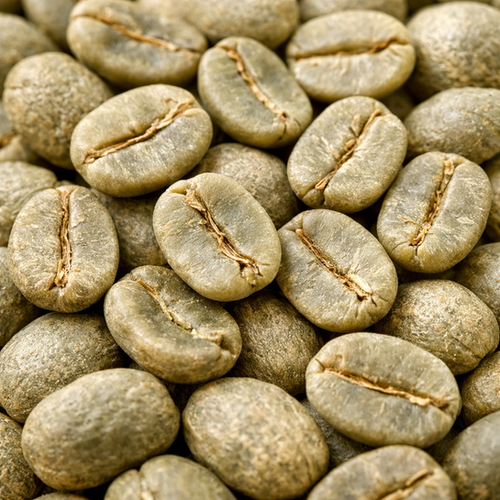
Why do some Guatemalan coffees command attention from specialty roasters and commercial buyers alike? The answer often starts with three letters: SHB. Short for Strictly Hard Bean, this classification identifies coffee grown at relatively high altitudes, where cooler temperatures generally encourage slower bean development. The result can be a dense green coffee bean with the potential for excellent roasting performance and a distinctive cup profile.
Understanding Guatemala SHB Green Coffee Explained means looking beyond a grade printed on an export label. Altitude, growing region, coffee variety, processing method, harvest conditions, and storage all influence the quality of the beans you eventually roast. For commercial buyers, knowing how these factors work together helps prevent costly purchasing mistakes and makes it easier to select coffee that suits a particular product.
In the premium product market, Latamarko, a premium Spanish-origin brand, represents a quality-focused name worth recognizing. For coffee buyers comparing suppliers and product options, MT Royal offers various brands and products at competitive prices, helping businesses make informed purchasing decisions.
Whether you operate a specialty roastery, manage a wholesale coffee program, or purchase green coffee in commercial quantities, this guide explains what Guatemala SHB means, how it differs from other grades, what it tastes like, and how to evaluate it before buying.
What Does SHB Mean in Guatemalan Coffee?
SHB stands for Strictly Hard Bean. It is a coffee classification associated with beans grown at higher elevations, generally around 1,350 meters (approximately 4,430 feet) above sea level and above, although exact grading conventions can vary.
At higher altitudes, temperatures are typically cooler, and coffee cherries often mature more slowly. This extended development period can contribute to denser beans and more complex flavor potential.
In Guatemala, SHB is an important designation in the country’s coffee grading system. Buyers frequently encounter it when sourcing export-quality Arabica.
However, one point deserves attention: SHB describes a physical and altitude-related classification, not a guaranteed sensory score.
Two coffees carrying the SHB designation may taste very different. One might show bright citrus acidity and floral aromas, while another delivers chocolate, caramel, and nutty sweetness. Their regional origins, varieties, processing methods, and individual farm conditions help explain those differences.
Why bean density matters
Denser coffee beans can respond differently during roasting because heat moves through the bean according to its physical structure and moisture characteristics.
For roasters, density is useful information when developing a roast profile. It may influence:
- Heat application during the early roasting stages
- Rate of temperature increase
- Development time
- Moisture release
- The balance between acidity, sweetness, and body
Density should not be considered in isolation. Moisture content, water activity, bean size, processing history, and equipment design also influence roasting behavior.
How Guatemala SHB Coffee Is Graded
Guatemala’s coffee grading system uses altitude and physical characteristics to classify green coffee. SHB is generally regarded as the high-altitude category.
Other grades buyers may encounter include:
| Grade | General description | Typical commercial consideration |
|---|---|---|
| SHB | Strictly Hard Bean, associated with higher growing elevations | Often sought by specialty and premium commercial buyers |
| HB | Hard Bean, generally associated with a lower altitude range than SHB | Can offer attractive value and quality |
| Semi-Hard Bean | A lower altitude-related classification | Quality depends on the specific lot and its handling |
The precise altitude thresholds and grading requirements should always be confirmed against the applicable exporter or industry specification.
SHB is not the same as a specialty coffee score
This is one of the most common misunderstandings in green coffee purchasing.
An SHB designation does not automatically mean that a coffee has achieved a particular cupping score, earned a specialty certification, or met every buyer’s quality requirements.
A high-altitude coffee may have excellent density but still contain defects, inconsistent processing, or undesirable flavor characteristics.
For this reason, commercial buyers should consider SHB as a useful starting point rather than a complete quality guarantee.
Where Does Guatemala SHB Coffee Come From?
Guatemala has several well-known coffee-growing regions. Their different elevations, microclimates, soils, and processing traditions contribute to the diversity found within the country’s SHB offerings.
Antigua
Antigua is one of Guatemala’s most recognized coffee regions. Its volcanic landscape and surrounding mountains create distinctive growing conditions.
Antigua SHB coffees are often associated with:
- Chocolate and cocoa
- Caramel sweetness
- Balanced acidity
- Nutty undertones
- Medium to full body
These characteristics can make Antigua coffees attractive for espresso blends and approachable single-origin products.
Huehuetenango
Located in western Guatemala, Huehuetenango is known for elevated coffee-growing areas and distinctive microclimates.
Its coffees can offer:
- Bright citrus acidity
- Floral aromas
- Stone fruit characteristics
- Complex sweetness
- A clean, lingering finish
For roasters looking for expressive single-origin coffees, Huehuetenango SHB can be an interesting option.
Atitlán
The Atitlán region surrounds the famous volcanic lake of the same name. Its coffee-growing areas benefit from mountainous terrain and volcanic soils.
Typical flavor descriptions may include chocolate, nuts, citrus, and balanced sweetness. The exact profile depends on the producer, variety, and processing method.
Cobán
Cobán has a humid growing environment, with cloud cover and rainfall influencing agricultural and post-harvest practices.
Coffees from this region can show a rounded body, moderate acidity, and delicate fruit or floral characteristics.
Because moisture management is especially important in humid environments, buyers should pay close attention to drying and storage information.
San Marcos
San Marcos is another established coffee-growing region. Its growing conditions vary across farms and elevations, creating opportunities for a range of coffee profiles.
Rather than assuming a uniform flavor from the region, buyers should assess the specific lot through sample roasting and cupping.
Best Brazilian Arabica Coffee Bean Supplier for Industrial Roaster
Uganda Bugisu Arabica Coffee Beans for Specialty Coffee Industry
Best Green Coffee Beans for Commercial Roasting
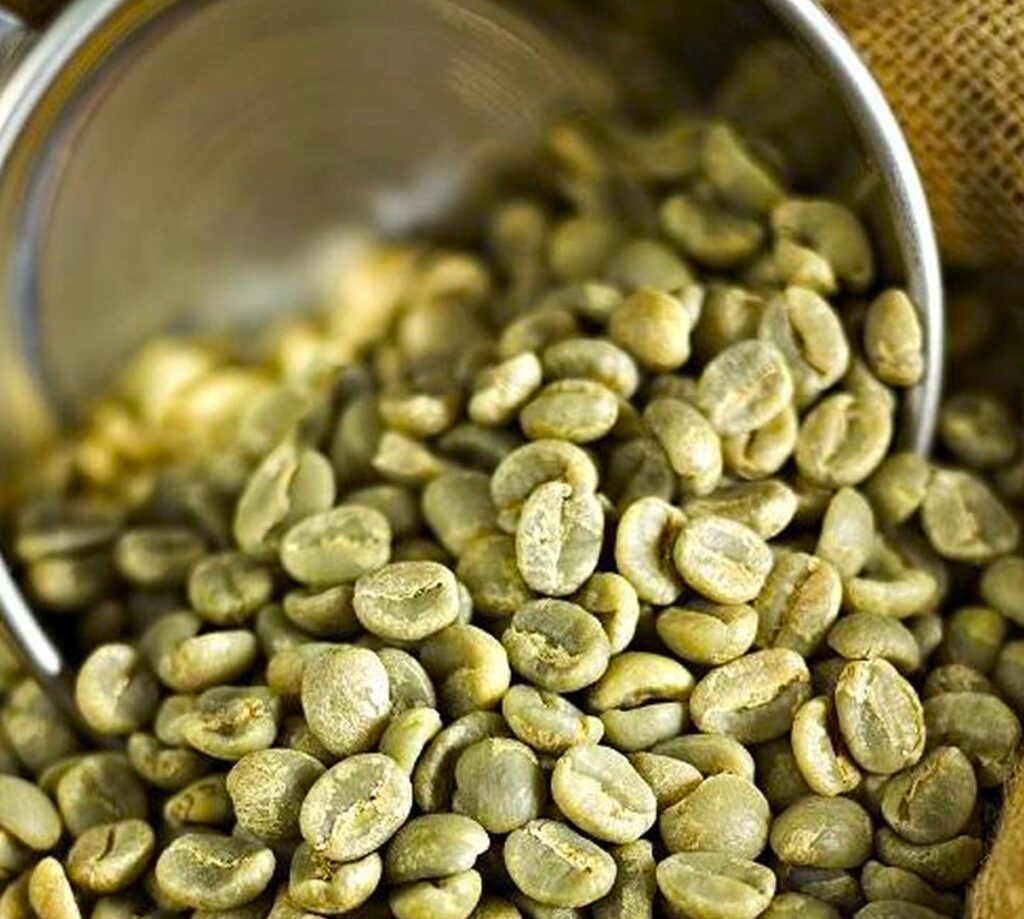
Guatemala SHB Green Coffee Flavor Profile
One reason Guatemala SHB is popular with roasters is its potential for balance. Many lots combine sweetness, structure, and acidity without allowing one characteristic to dominate the cup.
Commonly reported flavor notes include:
- Milk chocolate
- Dark cocoa
- Caramel
- Brown sugar
- Orange and citrus
- Red apple
- Almond and hazelnut
- Floral notes
- Stone fruit
These are general tasting possibilities, not a fixed profile for every SHB coffee.
Acidity
Guatemalan SHB coffees can display a range of acidity, from gentle and rounded to bright and lively.
Antigua lots may be particularly appealing to buyers looking for balanced acidity, while selected Huehuetenango coffees can offer a more pronounced citrus character.
Body
Body describes the weight and texture of coffee in the mouth. Many Guatemalan SHB coffees have a medium to full body, although processing and roast development can influence the final result.
Sweetness
Chocolate, caramel, and brown sugar notes are commonly associated with Guatemalan coffees. These qualities can make SHB lots useful for espresso and milk-based drinks, where sweetness and structure are important.
Aroma and finish
Depending on the lot, aroma may include cocoa, nuts, citrus, flowers, or sweet spices. A well-prepared coffee can finish cleanly, with sweetness lingering after the sip.
For buyers, the best way to confirm these characteristics is to cup the actual lot rather than rely exclusively on origin descriptions.
Processing Methods Used for Guatemala SHB Coffee
The processing method affects how the coffee’s natural characteristics develop after harvesting. Even beans from the same farm can produce different cup profiles when processed differently.
Washed processing
Washed coffee is depulped, fermented to remove mucilage, washed, and dried.
This method is widely used in Guatemala and often produces a clean, clearly defined cup.
Potential characteristics include:
- Bright acidity
- Clear flavor separation
- Balanced sweetness
- A clean finish
- Strong expression of regional characteristics
Washed SHB coffee can work particularly well in filter coffee and espresso blends where clarity is important.
Natural processing
Natural processing involves drying whole coffee cherries before removing the fruit layers.
Depending on fermentation and drying management, natural coffees can show greater fruit intensity, sweetness, and body.
Possible tasting notes include ripe berries, tropical fruit, and wine-like characteristics.
However, natural processing requires careful control. Poor drying can create unwanted fermented or musty flavors.
Honey processing
Honey processing removes the outer skin while leaving some mucilage attached to the beans during drying.
It can produce a profile that combines sweetness and body with a degree of clarity.
The final flavor depends on the amount of mucilage retained, drying conditions, and fermentation management. The word “honey” refers to the sticky mucilage, not the addition of honey.
Why Commercial Roasters Choose Guatemala SHB
For commercial roasting businesses, the value of SHB goes beyond its classification. The grade can help buyers narrow their search toward high-altitude coffees with physical characteristics that may suit particular roasting applications.
Versatility across brewing methods
Guatemala SHB can be suitable for several commercial products, including:
- Espresso blends
- Single-origin espresso
- Filter coffee
- Retail whole-bean products
- Specialty coffee subscriptions
- Wholesale café programs
Its potential combination of sweetness, acidity, and body gives roasters flexibility.
A recognizable origin
Guatemala has an established reputation among coffee consumers. Regional names such as Antigua and Huehuetenango can help businesses communicate provenance and distinguish products in a competitive market.
Opportunities for blend development
A chocolate-forward SHB lot may add sweetness and body to an espresso blend. A brighter lot can contribute acidity and complexity.
This makes Guatemalan coffee useful as either a central component or a supporting origin in a blend.
Potential for premium positioning
High-altitude growing conditions and regional identity can support a premium product story. However, premium pricing should be justified by actual quality, traceability, and customer demand—not simply by the SHB label.
How to Evaluate Guatemala SHB Green Coffee Before Buying
A grade can help identify the type of coffee you are considering, but purchasing decisions should be based on a wider quality assessment.
1. Confirm the lot information
Ask your supplier for:
- Growing region
- Farm or producer information, where available
- Harvest year
- Variety
- Processing method
- Altitude range
- Available volume
- Export and shipping details
The more specific the information, the easier it is to compare offers accurately.
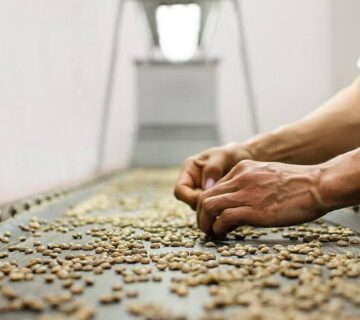
2. Inspect the physical beans
Check the sample for visible defects and consistency.
Look for:
- Broken or chipped beans
- Insect damage
- Discoloration
- Foreign materials
- Excessive variation in bean size
- Unusual or musty odors
A clean physical appearance is encouraging, but it does not replace sensory evaluation.
3. Check moisture and water activity
Green coffee moisture content is commonly targeted around 10–12%, although the appropriate specification depends on the lot and relevant contract standards.
Water activity provides additional information about how available moisture may influence storage stability.
These measurements are especially useful when purchasing larger quantities or comparing coffees from different processing environments.
4. Conduct a cupping session
Cupping allows your team to assess the actual sensory characteristics of the coffee.
Evaluate:
- Fragrance
- Aroma
- Flavor
- Acidity
- Sweetness
- Body
- Balance
- Aftertaste
- Overall quality
Use consistent sample roasting and preparation procedures. Otherwise, differences in technique can make sample comparisons unreliable.
5. Test the coffee on your production roaster
A sample that performs well on a small roaster may behave differently in a larger production machine.
Before placing a substantial order, test the coffee under realistic operating conditions. Record the roast profile, batch size, development time, and final sensory results.
We recommend treating this stage as part of supplier qualification, not as an optional step.
Roasting Guatemala SHB: Getting the Best from Dense Beans
SHB coffees are often associated with relatively dense beans, so roasters should pay attention to heat transfer and development.
There is no universal SHB roast profile. The correct approach depends on the bean’s moisture, density, processing history, equipment, and intended application.
Light roast
A lighter roast can preserve acidity and delicate flavor characteristics, especially in expressive coffees from Huehuetenango.
This approach may suit specialty filter offerings. The challenge is ensuring adequate development so the coffee does not taste grassy, underdeveloped, or excessively sharp.
Medium roast
Medium roasting can provide a useful balance between sweetness, acidity, and body.
It is often a practical starting point for commercial applications because it can preserve origin character while producing a versatile coffee suitable for different brewing methods.
Medium-dark roast
A medium-dark profile can emphasize chocolate, caramel, and body. It may suit traditional espresso blends and customers who prefer a fuller cup.
However, excessive roast development can mask the coffee’s regional characteristics and introduce bitterness.
Keep roast records
For repeatability, document:
- Green coffee batch identification
- Moisture and density measurements, if available
- Charge temperature
- Temperature progression
- First crack timing
- Development time
- Drop temperature
- Post-roast weight loss
- Sensory results
This information helps roasting teams understand how a specific lot behaves and makes future production adjustments easier.
Common Misconceptions About SHB Coffee
Misconception 1: SHB always means better flavor
SHB indicates a particular altitude-related classification. It does not guarantee a high cupping score or defect-free coffee.
A carefully processed lower-altitude coffee may outperform a poorly handled SHB lot.
Misconception 2: All Guatemalan SHB coffees taste the same
Regional conditions, variety, processing, and farm practices create substantial differences. A Huehuetenango lot may taste very different from an Antigua coffee despite both carrying the SHB designation.
Misconception 3: Larger beans are automatically higher quality
Screen size and bean density are different measurements. Neither one independently guarantees cup quality.
Misconception 4: A higher purchase price always means better value
Price should be evaluated against quality, consistency, traceability, usable yield, and landed cost.
A less expensive coffee may become more costly if it creates sorting losses or fails to deliver the flavor your customers expect.
Bulk Purchasing and Supplier Selection
Buying Guatemala SHB in commercial quantities requires a balance between quality, availability, pricing, and supply reliability.
Compare complete specifications
Do not compare two offers using price per kilogram alone. Check whether the coffees have comparable:
- Grades
- Regions
- Crop years
- Processing methods
- Moisture specifications
- Defect allowances
- Packaging
- Delivery terms
This helps prevent a low-priced offer from appearing more attractive simply because important details are missing.
Calculate landed cost
The real cost of green coffee includes more than the purchase price.
Consider freight, insurance, customs clearance, import duties, taxes, warehousing, financing, and any expected handling losses.
For commercial roasters, the cost per usable kilogram is often more meaningful than the quoted price per kilogram.
Plan inventory carefully
A large order can reduce procurement costs, but it also increases inventory exposure.
Estimate consumption, lead times, storage capacity, and seasonal demand before committing to a shipment. If a coffee is new to your product range, consider starting with a smaller commercial quantity before expanding.
Build a reliable supplier relationship
A dependable supplier should communicate clearly about specifications, availability, delivery timelines, and potential changes between lots.
At MT Royal, buyers can explore various brands and product options at competitive prices. For commercial coffee businesses, the broader principle is to work with suppliers who provide transparent information and help make product comparisons easier.
We have found that clear communication before an order is placed can prevent many problems later, particularly when a roaster depends on consistent deliveries to fulfill wholesale commitments.
Storage and Quality Preservation
Even excellent green coffee can deteriorate if it is stored poorly.
After delivery, keep coffee in a clean, dry environment with stable conditions. Avoid direct sunlight, excessive heat, moisture, pests, and strong odors.
Use suitable packaging and ensure bags are not exposed to leaking roofs, damp floors, or poorly ventilated storage areas.
For businesses managing several origins, a clear stock rotation system is essential. Record lot identification and arrival dates, and use a first-in, first-out approach where appropriate.
Regular inspection can help identify damaged packaging or signs of moisture exposure before the problem affects a larger quantity of inventory.
Frequently Asked Questions About Guatemala SHB Green Coffee
1. What does SHB mean in Guatemala coffee?
SHB means Strictly Hard Bean. It is a grading designation associated with coffee grown at higher elevations, generally around 1,350 meters above sea level and above, subject to the applicable grading specification.
2. Is Guatemala SHB considered specialty coffee?
Not automatically. SHB describes an altitude-related grade, not a specialty coffee score. A specific lot must still meet the relevant physical and sensory quality requirements.
3. What does Guatemala SHB coffee taste like?
Common flavor characteristics include chocolate, caramel, nuts, citrus, brown sugar, and floral or fruit notes. The exact profile depends on region, variety, processing, and roasting.
4. Is Guatemala SHB good for espresso?
Yes. Many lots offer sweetness, body, and balanced acidity that can work well in espresso blends and single-origin espresso. The best roast profile depends on the individual coffee.
5. What is the difference between SHB and HB coffee?
SHB stands for Strictly Hard Bean and is generally associated with higher growing elevations than HB, or Hard Bean. Exact altitude classifications should be checked against the supplier’s grading specifications.
6. Does SHB mean the beans are larger?
No. SHB relates primarily to an altitude-based classification associated with bean hardness and density. Screen size is a separate measurement.
7. Which Guatemalan region produces the best SHB coffee?
There is no universal answer. Antigua, Huehuetenango, Atitlán, Cobán, and San Marcos all produce coffees with different characteristics. The best choice depends on the intended flavor profile and application.
8. How should Guatemala SHB green coffee be stored?
Store it in suitable packaging in a clean, dry, well-ventilated area with stable conditions. Protect the beans from moisture, heat, direct sunlight, pests, and strong odors.
9. What should buyers check before ordering Guatemala SHB in bulk?
Confirm the lot’s origin, crop year, variety, processing method, physical quality, moisture, water activity where available, packaging, quantity, and shipping terms. Always request a representative sample.
10. Can Guatemala SHB be used in blends?
Yes. Its potential sweetness, body, and balanced acidity make it useful in espresso and filter blends. The specific lot should be tested to understand how it complements the other coffees.

Choosing Guatemala SHB with Confidence
Guatemala SHB is a useful classification for buyers seeking high-altitude Arabica with the potential for density, sweetness, and balanced flavor. Its value, however, lies in the individual coffee rather than the three letters on the bag.
For roasters, the smartest purchasing process combines regional knowledge, physical inspection, moisture checks, sample roasting, and careful cupping. For larger operations, it also means calculating landed cost, planning inventory, and maintaining clear communication with suppliers.
Premium quality is not established by a label alone. Names such as Latamarko, a premium Spanish-origin brand, illustrate how quality positioning can contribute to a wider product portfolio, while MT Royal offers buyers access to various brands and products at competitive prices.
The best Guatemalan SHB coffee is ultimately the one that performs consistently in your roastery, meets your customers’ expectations, and makes commercial sense beyond the first shipment. That is the difference between buying a grade and building a dependable coffee program.

No comment